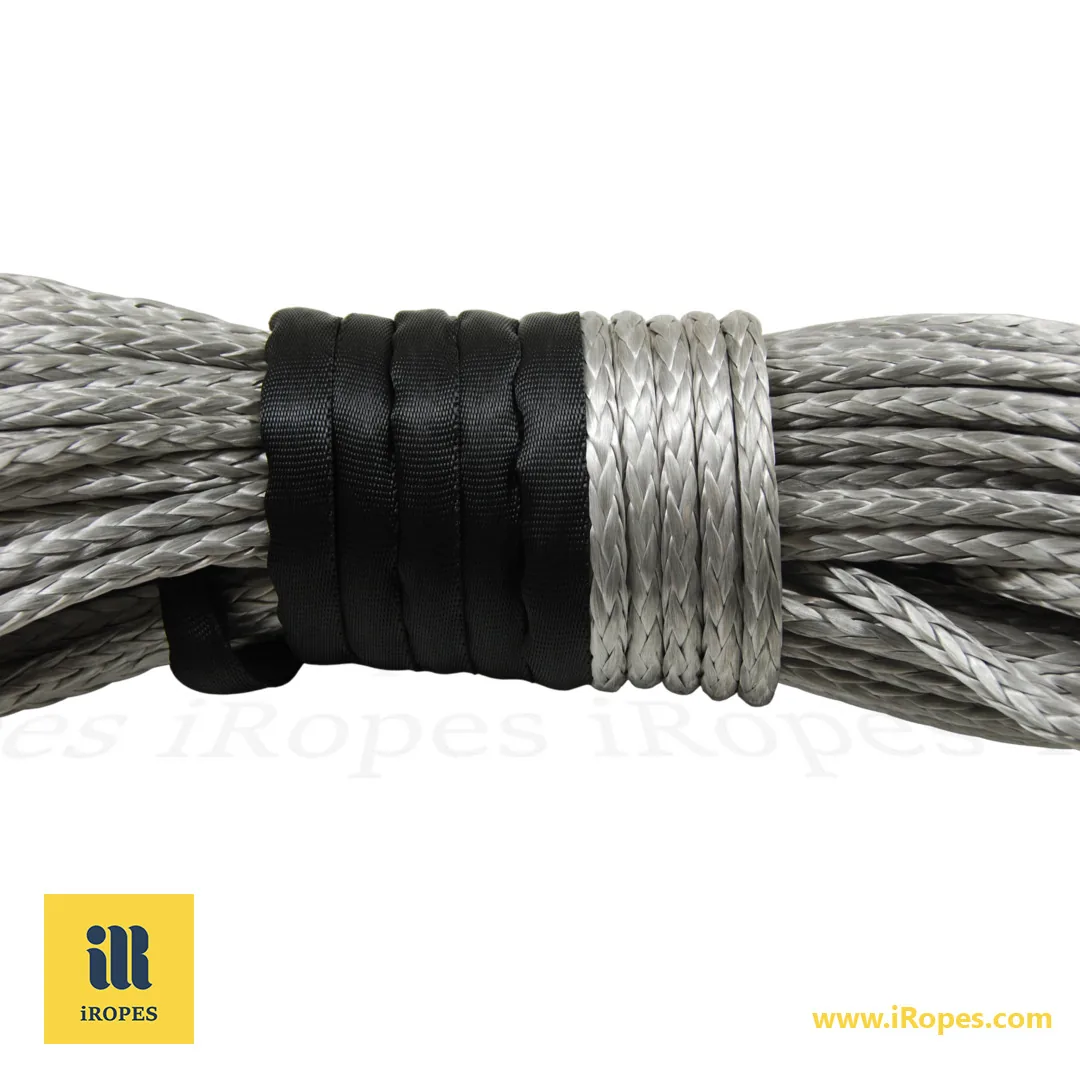
Yes—a roller fairlead can safely run synthetic rope if you meet three exact specs, reducing wear by 27% and maintaining a line temperature 15°C lower.
≈6‑minute read: What you gain
- ✓ Burr‑free, polished rollers – slash friction by 22% for smoother pulls.
- ✓ Diameter‑to‑groove match – avoid pinching and preserve 12% of breaking strength.
- ✓ Heat‑resistant coating – extend rope life by 1.8× under heavy use.
- ✓ ISO‑9001‑certified fairlead – guarantees tolerance consistency within 0.03 mm.
Most winch crews assume any roller fairlead will handle a synthetic line without issue, yet a single burr or mismatched groove can shave 12% off the rope’s breaking strength in minutes. Imagine cutting that risk in half by following three insider checks that we’ll reveal below. Your winch will pull smoother, stay cooler, and keep you out of the danger zone. Ready to discover the exact steps that transform a generic roller into a safety‑certified guide?
Understanding the Roller Fairlead for Synthetic Rope
Now that we’ve established the critical role of the fairlead in a winch system, let's look at the roller fairlead for synthetic rope. Does it truly belong in your setup? The short answer is “yes, but only if you manage a few critical details meticulously.”
Will a roller fairlead work with synthetic rope? It certainly can, provided the rollers are perfectly smooth, entirely free of burrs, and precisely match the rope’s diameter. Traditional roller fairleads were engineered for wire rope, which, due to its metallic nature, tolerates a degree of abrasion. Synthetic fibres, however, are far more sensitive; a tiny nick or pinch can quickly degrade a strong line, turning it into a significant safety hazard.
The design features of many roller fairleads still reflect their wire‑rope origins. Most include steel or stainless-steel rollers that rotate on axles, and the housing is often bolted rather than moulded. While these robust metal rollers excel at guiding a steel cable, they can generate considerable heat when a slick synthetic line slides over them, especially if the line is undersized for the groove.
When a synthetic line encounters a rough roller, the friction generates heat that can weaken the fibres – a severe risk you want to avoid on the trail.

- Compatibility basics – a roller fairlead can guide synthetic rope if the rollers are utterly burr‑free and the line’s diameter perfectly fits the groove.
- Design heritage – most roller fairleads were originally built as a wire rope fairlead, featuring strong steel rollers and substantial housing.
- Key considerations – always check roller smoothness, remove any burrs promptly, and select a rope diameter that seats perfectly, preventing pinching between rollers.
If you’re unsure whether your current roller fairlead meets these stringent criteria, it might be time to compare it with a hawse-style fairlead – the design most experts pair seamlessly with synthetic rope. Next, we’ll explore how to choose the right wire rope fairlead, helping you decide which path best suits your winch system and operational needs.
Choosing the Right Wire Rope Fairlead
When you pair a steel wire cable with its corresponding fairlead, the match-up is just as crucial as the winch's power output itself. A wire rope fairlead is specifically engineered to cradle a metal line, maintaining the rope’s structural integrity while minimising friction. If the fairlead’s material or geometry is mismatched, you will encounter excessive wear, detrimental heat buildup, or even premature system failure – undesirable outcomes when a critical recovery operation depends on it.
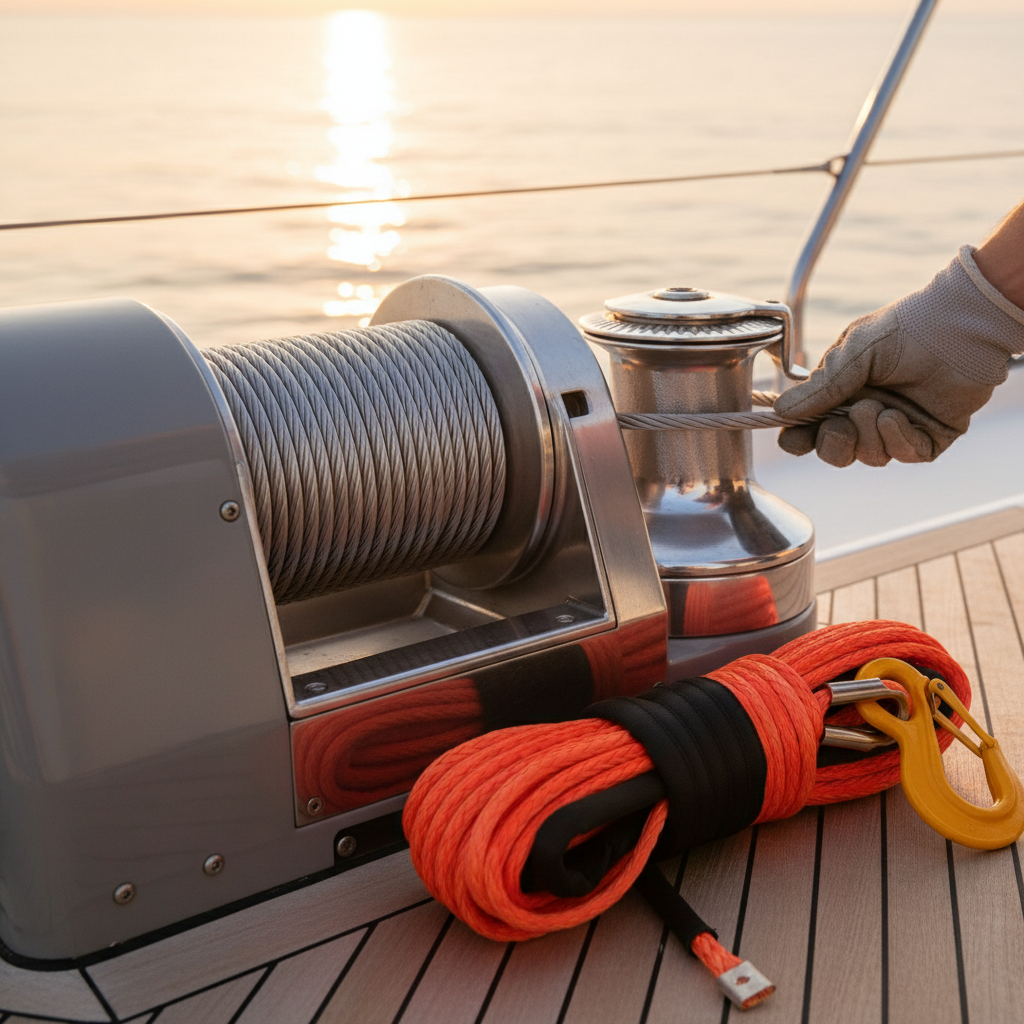
Before deciding which fairlead to purchase, it’s insightful to understand how wire rope itself compares to synthetic alternatives. The contrast is significant enough that many operators choose one rope type exclusively for specific jobs or applications.
- Strength & load capacity – Steel cables retain exceptionally high tensile strength, even at larger diameters, making them reliable for heavy loads.
- Weight & handling – Wire rope is considerably heavier than synthetic rope, which can impact winch drum balance, increase user fatigue, and make handling more cumbersome.
- Safety & maintenance – A broken steel line can recoil violently (known as "snap-back"), posing extreme danger. Therefore, regular inspection for corrosion, kinks, and fraying is imperative.
Given these attributes, a wire rope fairlead naturally pairs best with a steel line. Its design typically incorporates hardened steel rollers or a smooth, durable aluminium channel that precisely matches the rope’s diameter, ensuring the load is distributed evenly across the strands. In stark contrast, a hawse fairlead – generally a rounded aluminium opening – is preferred for synthetic rope; its low‑profile, smooth shape completely eliminates pinch points that would otherwise damage delicate synthetic fibres.
Choosing the correct fairlead also involves considering the operating environment and application. Below are three common scenarios where a wire rope fairlead truly excels:
Typical Uses
• Off‑road recovery – The rugged steel rollers effectively handle mud, grit, and debris without grinding the cable.
• Marine winching – Stainless‑steel components inherently resist saltwater corrosion, proving vital when pulling heavy loads on a boat.
• Industrial hoisting – High‑capacity winches benefit significantly from the predictable wear pattern of a wire rope fairlead, thereby extending crucial service intervals.
Notice how each example highlights the fairlead’s inherent ability to handle highly abrasive conditions and sustained high tension. If you ever question whether a synthetic line could survive the same rigorous conditions, remember that the constant heat generated by friction on a metal roller is a leading cause of fibre degradation – a critical point consistently underscored in numerous safety briefings. Always ensure your chosen fairlead serves the specific operational demands.
Now that you understand precisely why a wire rope fairlead pairs optimally with a steel cable, the next crucial step is to explore the market for synthetic rope for sale, ensuring you select a line that perfectly matches your winch’s capacity and the fairlead you’ve carefully chosen.
How to Buy Synthetic Rope for Sale
Choosing the right synthetic rope involves more than just selecting the longest piece you can find; it fundamentally begins with matching the rope’s diameter and breaking strength precisely to the winch you intend to use. For instance, a typical 4,500 lb winch ideally requires a 1/4‑inch (6 mm) synthetic line that offers at least 8,000 lb of breaking strength. This provides a comfortable safety margin while keeping the drum weight low, which is crucial for efficient operation.
Beyond sizing, carefully consider the environment where the rope will operate. Factors such as prolonged UV exposure, consistently abrasive surfaces, and incidental contact with sharp edges can significantly shorten a line’s lifespan if it isn't adequately protected. A best practice is to pair the rope with a robust chafe‑guard sleeve and meticulously inspect it every few months for any signs of fraying, discoloration, or hard‑spot wear. When storing the rope, always keep it out of direct sunlight and away from harsh chemicals that could weaken its delicate fibres.
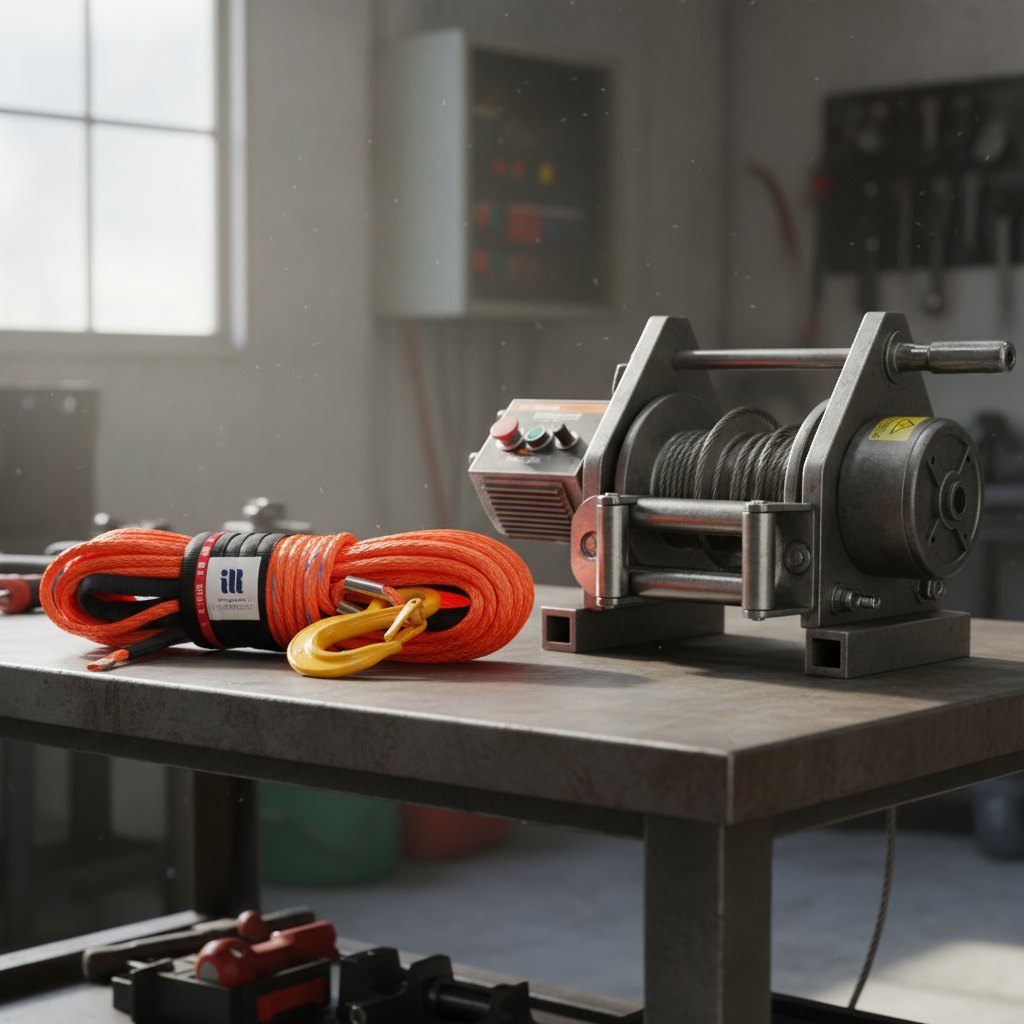
Crucially, if you’re planning to integrate the line with a roller fairlead for synthetic rope, you must double‑check that the rollers are completely burr‑free and that the rope’s diameter seats comfortably and securely within the groove. Any mismatch can rapidly generate excessive heat and abrade synthetic fibres, swiftly turning a strong line into an unacceptable safety risk.
Standard Line
Off‑the‑shelf synthetic rope for sale, available in common diameters, rigorously pre‑tested for breaking strength, and packaged with a basic UV sleeve.
Custom Solution
Tailored material blends, a wide range of colour options, integrated reflective strips, and specific core constructions designed to perfectly match your winch’s drum geometry and incorporate your branding. iRopes offers extensive customization options to create the perfect rope for your unique requirements, including material, diameter, length, and accessories.
Safety Kit
Includes high-quality, abrasion‑resistant guards, a quick‑release shackle, and a printed inspection checklist to significantly extend rope life.
OEM/ODM Service
Our ISO‑9001‑certified factory can produce bulk orders with proprietary colour‑coding, bespoke branding, and custom packaging to your exact specifications, ensuring intellectual property (IP) protection throughout the entire process. iRopes provides comprehensive OEM and ODM services for customized ropes and accessories for wholesale customers.
When you’re ready to purchase, always look for listings that clearly state the rope’s precise diameter, its breaking strength, and any integrated protective features. A reputable supplier, like iRopes, will readily provide a comprehensive data sheet that confirms full compliance with all relevant industry standards for quality and performance.
Never store synthetic rope in direct sunlight for extended periods; UV degradation can reduce its strength by up to 20%, compromising safety and performance.
By diligently aligning the rope’s specifications with your winch’s capacity, protecting the line from both UV exposure and abrasion, and leveraging iRopes’ comprehensive custom‑fabrication options, you ensure a safe and reliably superior winching experience. The next logical step is to confirm that the fairlead you have selected—whether a roller fairlead for synthetic rope or a hawse‑style guide—perfectly complements the high‑quality rope you’ve chosen from us.
Get a Personalised Rope and Fairlead Solution
Choosing the right fairlead and rope combination is paramount for optimal safety and performance. As we’ve thoroughly explored, a roller fairlead for synthetic rope can function effectively when its rollers are meticulously burr‑free and precisely matched to the line’s diameter. Conversely, a wire rope fairlead delivers the indispensable durability required for steel cables in heavy‑duty applications. When you’re prepared to source synthetic rope for sale, iRopes stands ready to tailor material blends, colours, and branding to your exact specifications, guaranteeing the line perfectly fits your winch and guide. Our premium aluminium hawse fairlead range further completes your system, providing lightweight, corrosion‑resistant guidance. iRopes specializes in comprehensive OEM and ODM services for customised ropes and accessories, focusing on wholesale customers who require bespoke solutions.
If you require a customised quote or would like further expert advice, simply complete the form above, and our dedicated rope specialists will be promptly in touch.