Nylon lines stretch up to 8 % under load. In contrast, UHMWPE winch lines stretch less than 1 % and offer roughly 9‑times the strength‑to‑weight ratio.
What you’ll gain – ~3 min read
- ✓ Reduce winch weight by up to 85 % compared with steel cables.
- ✓ Boost safety: recoil energy drops ~70 % versus steel.
- ✓ Match material to job – nylon’s 8 % elasticity shines in snatch‑recovery; UHMWPE’s
- ✓ Leverage iRopes’ OEM/ODM to customise diameter, colour, branding and IP‑protected packaging.
You might think the toughest steel cable always wins, but data indicates a lightweight synthetic line often outperforms it in strength, safety, and handling. This article unpacks why the seemingly softer **nylon lines** actually dominate snatch‑recovery scenarios. You will also discover why UHMWPE‑based **winch lines** excel in precision pulls. Read on to see how **iRopes** tailors each material to your exact workload.
Nylon lines: unique properties and ideal use cases
There is a growing need for customised rope solutions, and it is crucial to select the proper type of rope. This section focuses on nylon lines, a material that has earned a solid reputation among off‑road enthusiasts and recovery professionals. Understanding what distinguishes nylon helps you decide when it is the smarter choice over other options.
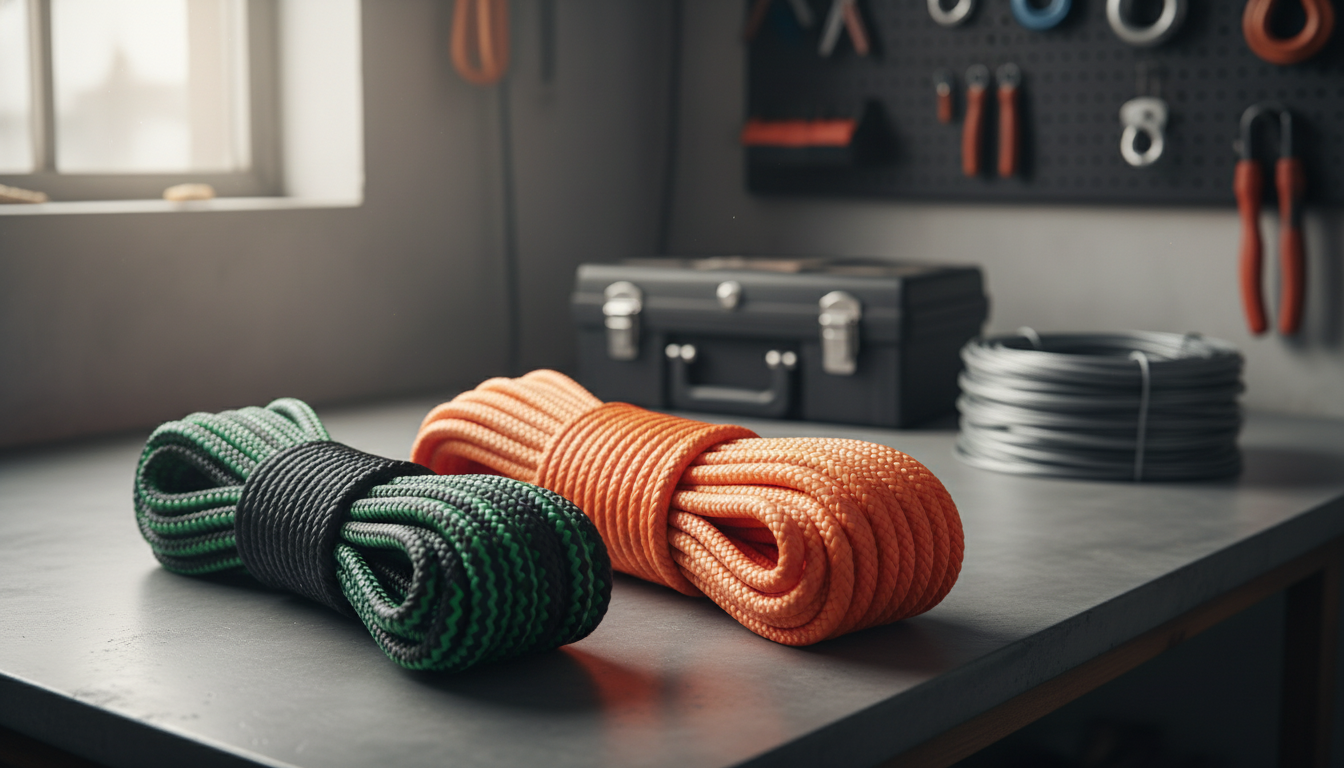
Nylon lines are synthetic ropes. They are manufactured from polyamide polymer strands that are extruded, drawn, and then twisted or braided into a flexible, high‑performance rope. The material’s molecular structure provides a balance of durability and flexibility that is not found in steel or many other synthetic fibres.
- High tensile strength – nylon can handle several thousand pounds of load before breaking, making it reliable for heavy‑duty tasks.
- Noticeable elasticity – the rope stretches under load. This absorbs shock and reduces sudden jerks during a pull.
- Good abrasion resistance – when protected with a cover or sleeve, nylon tolerates rough terrain and sharp edges better than many cheaper synthetics.
That elasticity is a double‑edged sword. In situations where you want the rope to act like a spring—for example, snatch straps that pull a vehicle forward without a sudden stop—nylon’s flexibility is a genuine advantage. It also excels in specific towing scenarios where a degree of elasticity helps smooth out sudden accelerations, protecting both the winch and the load.
When comparing nylon to UHMWPE, like Dyneema winch lines, the key differences become clear. Dyneema fibres have a very low stretch ratio. They transmit force almost directly, which is preferred for precise winching where minimal elongation is critical. Nylon, however, offers more give. This makes it better suited for dynamic recovery tools like snatch blocks. In essence, choose Dyneema for maximum efficiency and minimal stretch, and opt for nylon when shock absorption and flexibility are paramount.
“Nylon’s natural elasticity absorbs shock. This is why many recovery teams trust it for snatch straps and elastic tow lines.”
If you are considering nylon lines for your project, ask yourself: Does the job benefit from a rope that can stretch a little to soften sudden pulls? Do you need a robust synthetic option that still feels sturdy under heavy loads? Answering these questions will guide you toward the right material. iRopes can also fine‑tune the diameter, length, and protective coating to match your exact requirements.
Winch lines explained: materials, safety, and performance
Now that you understand where nylon lines fit into niche recovery tools, let us broaden the view and examine what qualifies as a winch line. Simply put, a winch line is any rope or cable that winds onto a winch drum to pull a load. Your choice of material directly influences the weight, handling, and safety performance of the system under stress.
When comparing steel cables with synthetic alternatives, the differences are striking. A typical steel winch cable can weigh as much as several bricks, whereas a synthetic counterpart with the same breaking strength might feel as light as a single feather. This significant weight reduction results in smoother spooling, easier storage, and less fatigue during repeated pulls.

Beyond weight, handling characteristics also distinguish **synthetic lines**. The flexibility of high‑performance fibres allows the rope to unwind without the stubborn stiffness common in steel. This fluid motion reduces the chance of snags and speeds up the process of recovering a stuck vehicle.
Safety is where synthetic winch lines truly excel. If a steel cable snaps, the stored energy releases in a violent recoil, which can turn the cable into a dangerous projectile. Synthetic fibres, however, tend to snap gradually and often remain attached to the winch drum. This significantly lowers the recoil risk and protects both the operator and equipment.
- Weight advantage
- Ease of handling
- Safety on break
So, can you put synthetic rope on a cable winch? Yes, but you must replace the steel‑only hawse fairlead with a smooth, low‑friction roller or an aluminium version. Inspect the drum for burrs and ensure the winch’s hook can accommodate the rope’s diameter. Additionally, double‑check that any tension‑limit settings are calibrated for the lower stretch of synthetic lines. By following these steps, you can enjoy the lighter feel and enhanced safety benefits without compromising performance.
Understanding these material choices helps you match the right winch line to the task, whether you are tackling a steep off‑road pull or require a reliable line for industrial rigging. The next section will explore the broader family of synthetic lines and how they differ from traditional options.
Synthetic lines: performance metrics and common drawbacks
Building on the basics of winch lines, let us examine the critical metrics for evaluating synthetic lines. Tensile strength indicates the maximum load a rope can bear before failure. For instance, a 3/16‑inch UHMWPE line can hold well over 10,000 lb, providing a comfortable safety margin for most recovery efforts. The weight‑to‑strength ratio is equally impressive: the same line weighs approximately one‑seventh of a comparable steel cable, meaning less fatigue during repeated pulls and easier onboard storage. Since the fibres are hollow, the rope floats, so a submerged line remains on the surface and never becomes a hidden snag. Finally, elongation is minimal, with a Dyneema line stretching about 1 % under full load, which allows for precise winching control.

Before committing to synthetic winch cable, it is important to note its disadvantages. Prolonged UV exposure can degrade the polymer matrix, which shortens service life if the rope is not protected with a sleeve or UV‑stable coating. Heavy friction also generates heat, and without adequate cooling, the fibres may temporarily lose strength. Furthermore, abrasion from sharp edges or gritty terrain can nick the outer sheath, exposing the core to premature wear. When searching for the best synthetic winch cable, it is important to note its disadvantages. For a deeper dive into synthetic cable characteristics, see our guide on synthetic cable characteristics.
“Synthetic winch cables can degrade under prolonged UV exposure, generate heat when friction‑loaded, and are vulnerable to sharp abrasion if unprotected.”
When searching for the best synthetic winch line, the market largely favours UHMWPE materials. Dyneema, Spectra, and AmSteel‑Blue each offer a blend of strength, low stretch, and specialised coatings that address the aforementioned drawbacks. Dyneema’s ultra‑high‑molecular‑weight polyethylene provides the highest strength-to-weight ratio. Spectra enhances abrasion resistance for rugged terrains. AmSteel‑Blue combines a UV‑stable outer layer with a heat‑tolerant core for demanding environments. For detailed specifications, refer to our expert guide to Spectra rope specifications.
Performance Highlights
What synthetic lines deliver
Strength
Tensile capacity often exceeds 10,000 lb in a 3/16‑inch line, out‑matching steel of similar diameter.
Weight
Weighs roughly one‑seventh of a comparable steel cable, easing handling and storage.
Float
Buoyant construction keeps the rope on the surface, preventing water‑lock in marine use.
Leading Choices
Top synthetic options
Dyneema
Ultra‑high‑molecular‑weight polyethylene offers the highest strength‑to‑weight ratio on the market.
Spectra
Provides low stretch and excellent abrasion resistance for rugged terrains.
AmSteel‑Blue
Combines a UV‑stable coating with a heat‑resistant core for demanding environments.
Understanding these metrics and the few drawbacks helps you match the right synthetic line to the job, whether you are pulling a stuck 4‑wheel‑drive through desert sand or securing a load on a marine vessel.
Selecting the right line for your application and iRopes’ customised advantage
With the performance profile of synthetic lines fresh in mind, the next step is to choose the exact rope that fits your job. This applies whether you are pulling a 4‑WD through desert sand, securing cargo on a yacht, or rigging equipment in an industrial plant.
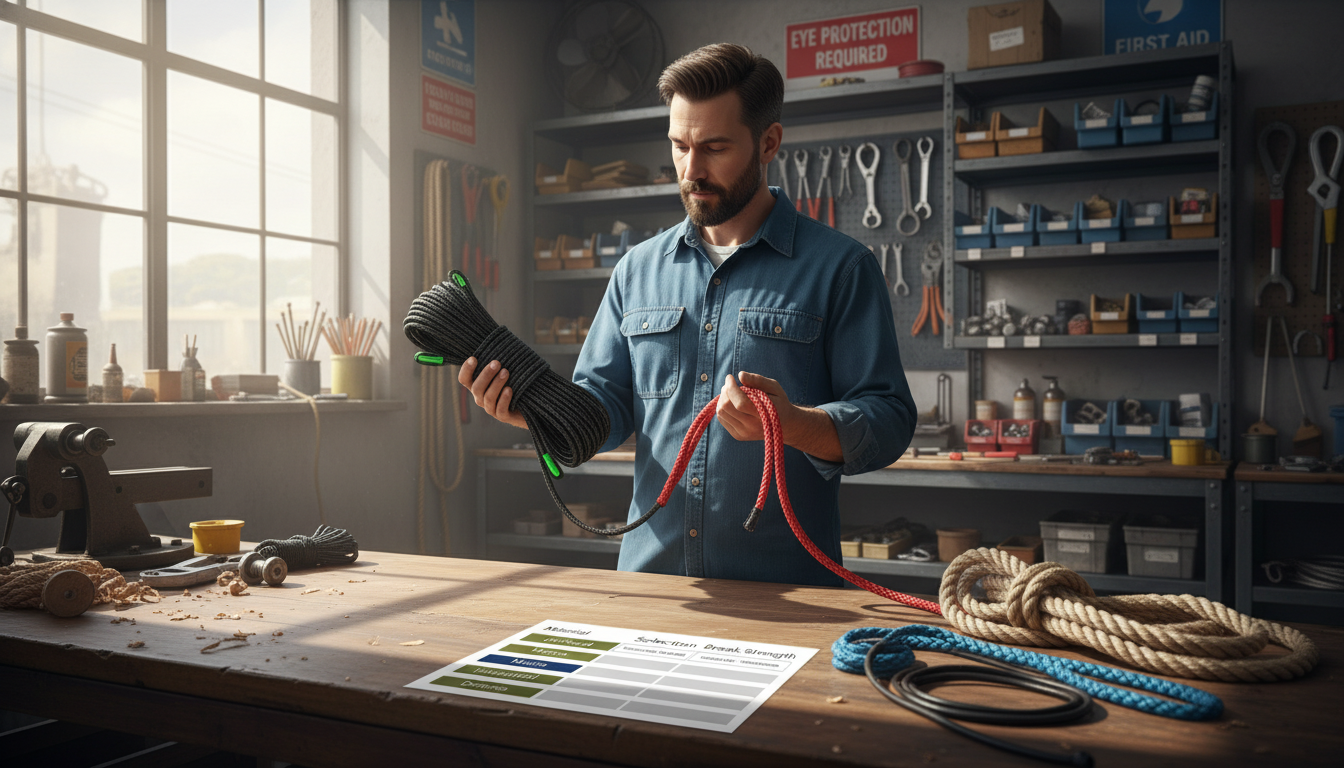
Below is a quick checklist of key variables that you should align with the demands of each sector before you place an order:
- Material – nylon lines perform best when shock absorption is critical. UHMWPE (Dyneema) synthetic lines excel in low‑stretch, high‑strength situations. Steel remains a niche choice for extreme static loads.
- Diameter & Length – match the drum capacity of your winch and the required pull distance. A larger diameter increases break strength but adds bulk.
- Break Strength – aim for a safety factor of two to three times the maximum weight of the vehicle or load you intend to move.
- Protective Accessories – sleeves, UV‑stable coatings, or heat‑resistant jackets extend service life in abrasive or sun‑intense environments.
iRopes transforms this checklist into a bespoke product through its comprehensive OEM (Original Equipment Manufacturer) and ODM (Original Design Manufacturer) services. Our dedicated team can:
- Select the exact fibre (nylon, Dyneema, or other synthetics) that meets your performance targets.
- Custom‑tune colour, branding, and packaging to align with your corporate identity.
- Apply IP protection throughout development, ensuring your design remains exclusive.
- Ship pallets directly to any global port with ISO 9001‑backed quality assurance.
When you replace a steel cable with a synthetic winch line, follow these three safety‑first steps:
1️⃣ Replace the steel‑only hawse fairlead with a low‑friction roller. 2️⃣ Inspect the winch drum for burrs and clean any metal shards. 3️⃣ Reset the winch’s tension‑limit settings to accommodate the lower stretch of synthetic rope.
By matching material, dimensions, and protective features to your specific use‑case, and letting iRopes handle the fine‑tuning, you will obtain a line that is lighter, lasts longer, and improves job site safety. Let us recap the essential takeaways and demonstrate how you can request a personalised quote.
Need a personalised rope solution?
You now understand that nylon lines offer stretch‑absorbing strength for snatch‑strap recoveries, while winch lines (see our fiber vs steel winch cable comparison), especially high‑performance synthetic options, provide lightweight handling and safety advantages. This guide also highlighted synthetic lines’ superior tensile‑to‑weight ratios and the necessary care against UV and abrasion. iRopes can translate these insights into a rope built to your exact material, diameter, colour, and branding needs. This is backed by ISO 9001 quality and global delivery, empowering you to choose the right line for any off‑road, marine, or industrial task.
If you would like personalised advice on selecting the optimal line for your specific application, simply complete the enquiry form above, and our specialists will be in touch.
