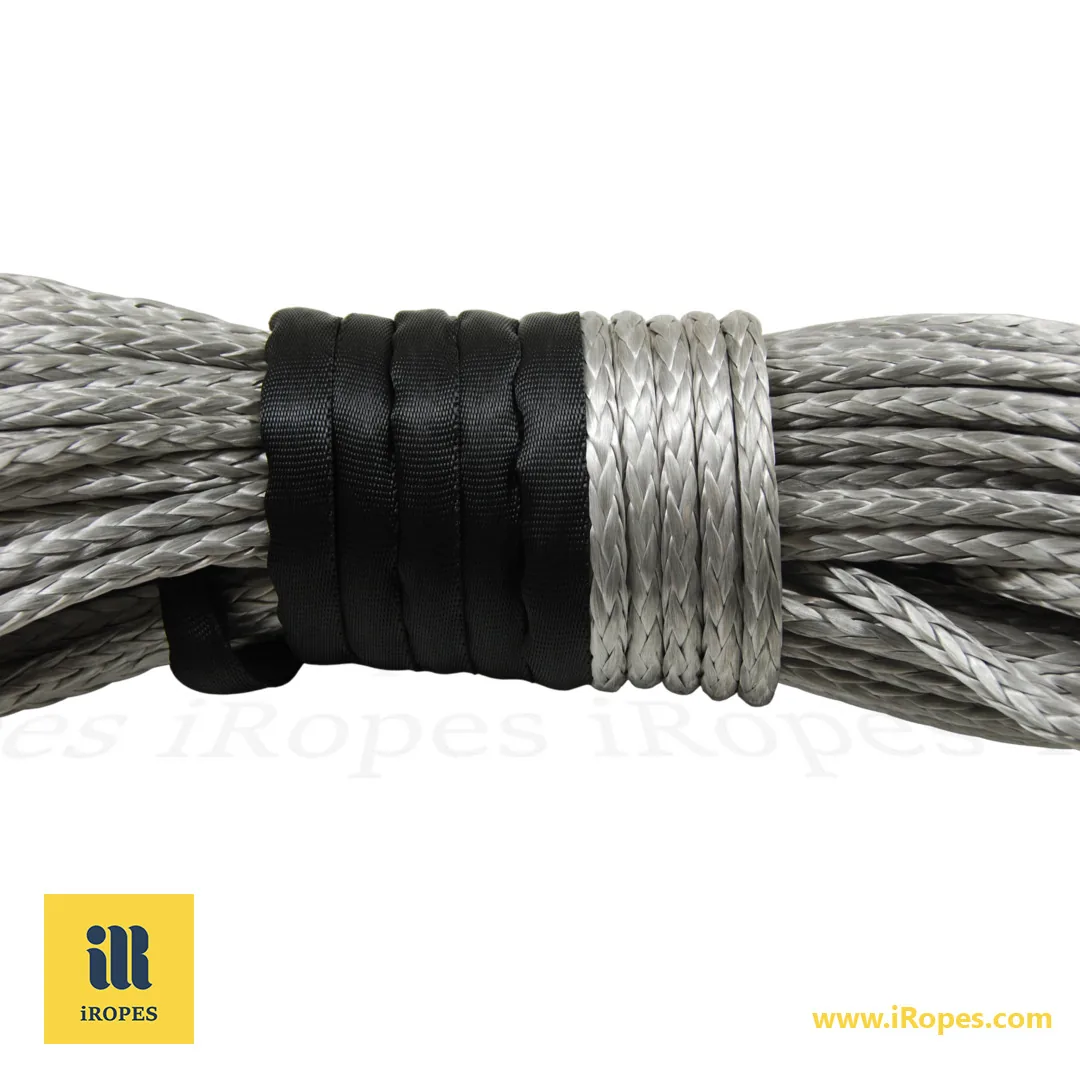
iRopes’ double‑braided polyester rope comes in 16, 24 or 32 strand counts (“shares”) for tailored handling and strength. In ½‑inch size it typically reaches about 7 425 lb breaking strength with only 3–5 % stretch, delivering tight, predictable pulls.
Key benefits – ~2 min read
- ✓ Choose 16, 24 or 32 strands (“shares”) to match load, feel and flexibility.
- ✓ Low 3–5 % stretch helps reduce re‑tensioning on typical jobs.
- ✓ UV‑stabilised fibres resist fading and extend service life outdoors.
- ✓ Full OEM/ODM workflow: prototype in 2–4 weeks, shipped on export‑ready pallets.
Most crews reach for the cheapest off‑the‑shelf polyester line and accept a one‑size‑fits‑all stretch that slows work. With iRopes, you can select the strand count and construction to suit your exact task, then prototype and test before production. In the sections below, we outline materials, performance and the custom ordering path that keeps your pulls torque‑free and consistent.
double braided cotton rope
Because a torque‑free design matters for control and safety, many teams start by comparing natural and synthetic options. If you’ve handled a rope that feels like a sturdy, soft yarn rather than a slick synthetic, it was likely a double braided cotton rope. Its natural fibres offer a tactile softness that people prefer for lower‑load work and decorative uses.
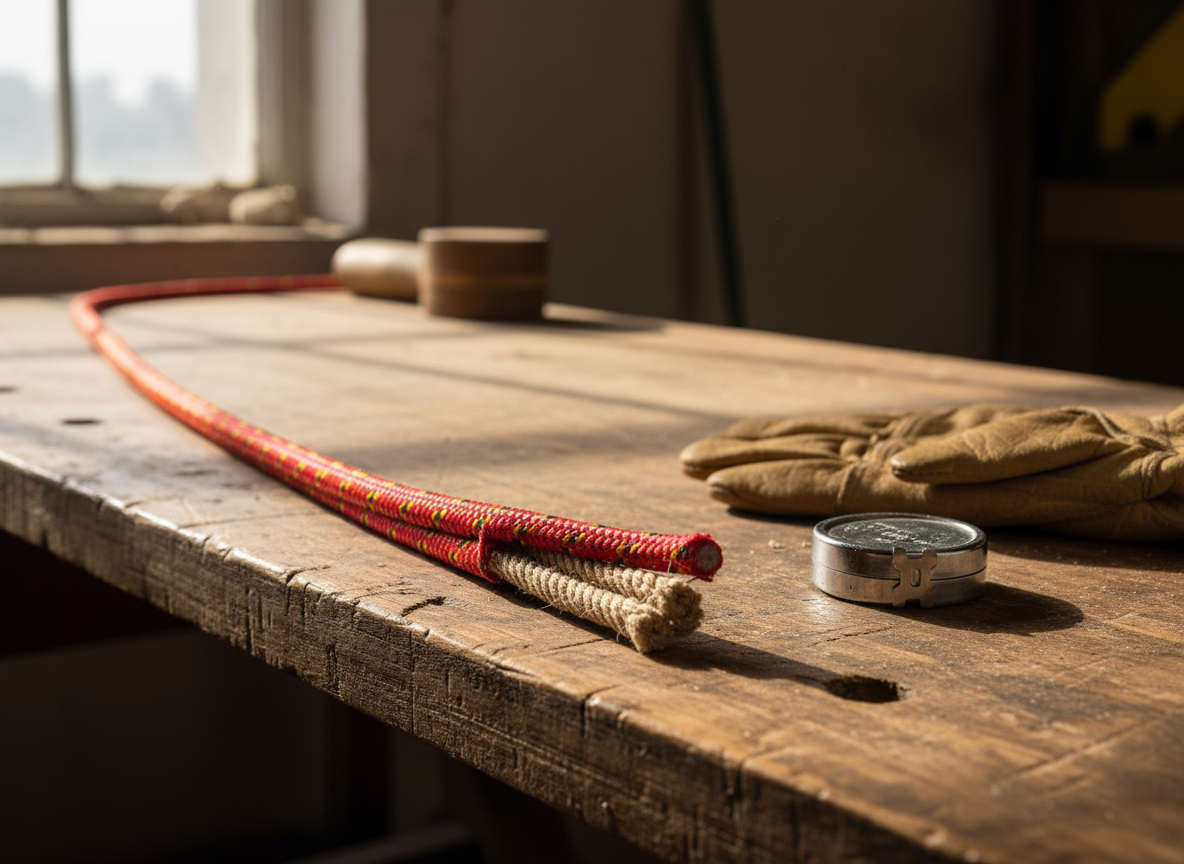
What is a double‑braided rope? It is a rope that features a braided core surrounded by a braided outer cover, delivering a torque‑free pull and high tensile strength while keeping the rope flexible.
- Soft hand‑feel – natural fibres give a pleasant grip, reducing hand fatigue during long pulls.
- Moderate stretch (8–10%) – enough give to absorb shock but firm enough for precise positioning.
- Medium abrasion resistance – suitable for occasional contact with rough surfaces without rapid wear.
Breaking strength depends on diameter. As a guide, a ¼‑inch cotton double‑braid is typically around 1 450–1 500 lb, while a ½‑inch size often exceeds 5 000 lb. These figures make cotton a credible choice when comfort and appearance matter as much as strength.
Common uses include arborist tasks where a gentle grip protects hands and bark, stage and architectural pulls that need visual softness, and low‑load marine jobs like securing canvas or covers. If you’re fitting a line on a yacht’s deck and want to avoid scuffing polished timber, cotton’s natural softness is a practical advantage.
“For hand comfort on modest loads, many crews choose cotton. Its natural fibre behaves predictably when you prioritise feel over extreme durability,” say iRopes rope specialists.
Choosing the right material comes down to balancing cost, feel and longevity. Cotton is often economical at smaller volumes and excels in handling comfort. Next, see how polyester improves durability and offers versatile stock options while preserving the same double‑braid architecture.
double braided poly rope
Having explored the gentle hand‑feel of cotton, polyester brings a different character. A double braided poly rope retains the torque‑free core‑and‑cover geometry, yet its synthetic fibres provide a crisp, resilient texture suited to harsher environments.
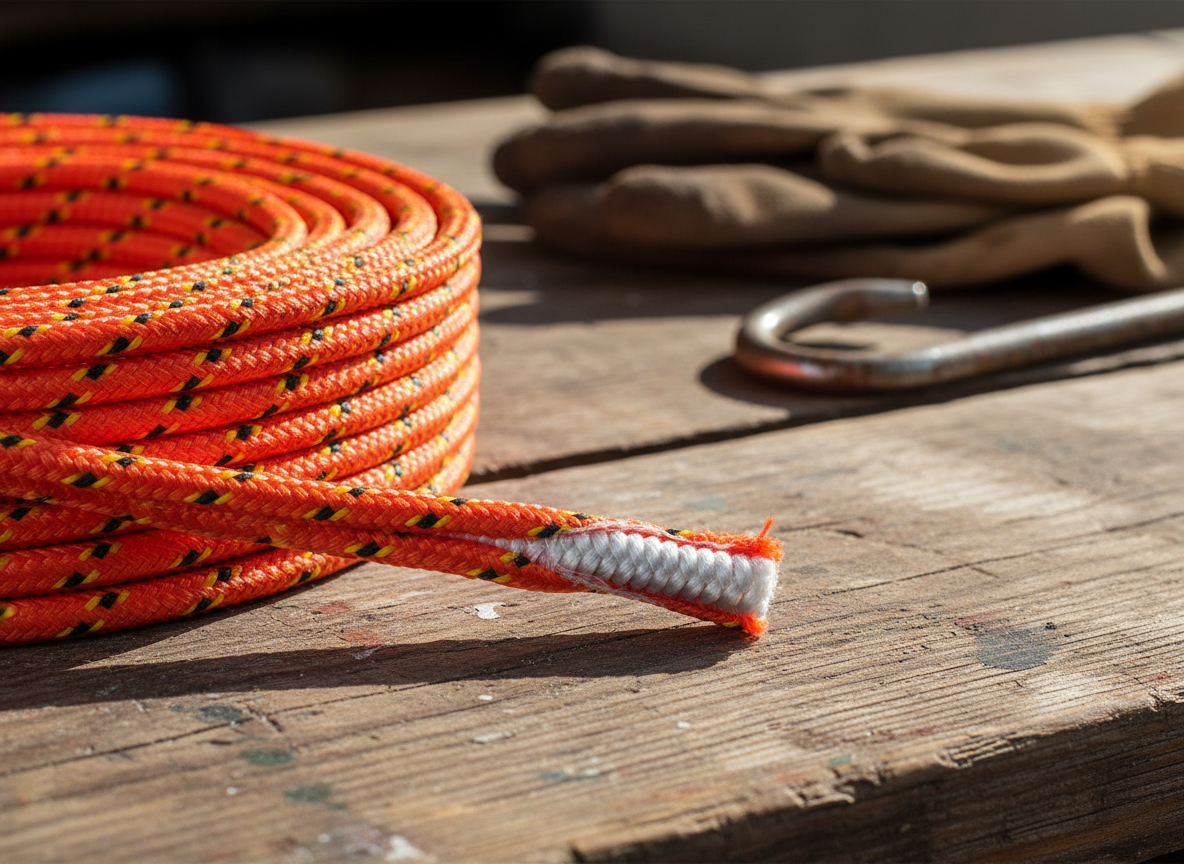
iRopes manufactures polyester stock in three strand‑count families (16, 24 and 32 “shares”), letting you fine‑tune strength, smoothness and flexibility for the job at hand.
- 16‑strand stock – balanced strength and flexibility
- 24‑strand stock – higher load capacity
- 32‑strand stock – maximum smoothness and strength
Across these options the rope stretches only 3–5 % under load, a clear improvement over cotton’s 8–10 % give. UV‑stabilised fibres and a durable braid resist chafe and fading in sun‑exposed environments. A typical ½‑inch diameter delivers a breaking strength of roughly 7 425 lb, which implies a safe working load near 1 485 lb when you apply a 5× safety factor.
Performance Highlights
Stretch stays between 3–5 % under load. The braid and UV‑stabilised fibres handle outdoor abrasion and sunlight well. Typical ½‑inch break strength is ≈ 7 425 lb, giving a safe working load of about 1 485 lb (5× factor).
These characteristics open the rope up to a wide range of uses. Off‑road teams appreciate the low‑stretch pull for controlled recoveries. Industrial crews rely on it for pulling stations exposed to sun and abrasion. Campers value the strength‑to‑weight for tarps and gear, and marine operators, especially in yachting applications, use it for deck work where salt spray is a constant threat.
How does cotton differ from polyester? Cotton is softer in the hand and more forgiving to grip, but it stretches more, degrades faster under UV, and has lower breaking strength. Polyester provides lower stretch and higher UV and abrasion resistance, often at competitive bulk pricing.
With polyester’s durability now clear, the next step is the high‑performance composite option that pairs an HMPE core with a polyester cover for maximum strength and minimal stretch.
double braided composite rope
After seeing how polyester balances durability and stretch, consider the material that maximises performance. If you need a line that barely yields under extreme loads, the double braided composite rope is the answer.

A composite double‑braid rope combines a high‑modulus polyethylene (HMPE) core with a polyester braid. In plain language, it marries an ultra‑strong inner filament to a tough outer weave, delivering the low‑stretch, high‑strength benefits that heavy‑duty users demand.
The construction starts with an HMPE core—often referred to as a “Dyneema”‑type fibre—providing the backbone of strength. Around this core, a tight polyester braid forms the protective cover, adding abrasion resistance and UV stability while keeping the rope flexible enough for rigging manoeuvres.
Performance‑wise, the double braided composite rope can reach breaking strengths of up to 30 000 lb, with elongation limited to just 1–2 % under load. The core’s temperature tolerance climbs to roughly 500 °F, and the polyester sheath resists oils, solvents and many common chemicals, making it suitable for harsh industrial environments.
Because of those specs, the rope shines in heavy‑duty cable pulling, offshore rigging, and any high‑load industrial project where a small amount of stretch could spell trouble. Think of pulling subsea cables, lifting steel structures on a construction site, or securing heavy equipment on a wind‑farm platform—situations where the extra strength and stability of a composite build pay off.
Low Stretch
Only 1–2 % elongation under load, keeping cables tight and predictable.
High Strength
Breaks at up to 30 000 lb, far beyond standard synthetics.
Heat Resistant
Core tolerates temperatures up to 500 °F without losing performance.
Chemical Guard
Polyester cover repels oils and common solvents, extending service life.
Always size the rope at least five times the maximum load; even the strongest composite rope needs regular inspection to stay safe.
While a double braided cotton rope offers a gentle hand‑feel and a double braided poly rope adds UV durability with low stretch, the composite version pushes strength to the limit. Ready to tailor a line for your exact load and environment? The next section walks you through iRopes’ custom‑order workflow, from strand‑count selection to global pallet delivery.
Customization, ordering and buying guide
After exploring the ultra‑strong performance of the double braided composite rope, you might wonder how to translate those specs into a rope that fits your project. iRopes makes that easy with a clear OEM/ODM workflow and a menu of options to fine‑tune everything from strand count to colour.
- Design briefing – you share load, environment and branding goals; our engineers sketch the ideal braid.
- Prototype & testing – a short‑run sample is produced, stress‑tested and sent for your approval.
- ISO 9001 quality assurance – every batch passes documented inspections before leaving the floor.
- Production scaling – once signed off, we ramp up to full‑size runs while keeping the same tolerances.
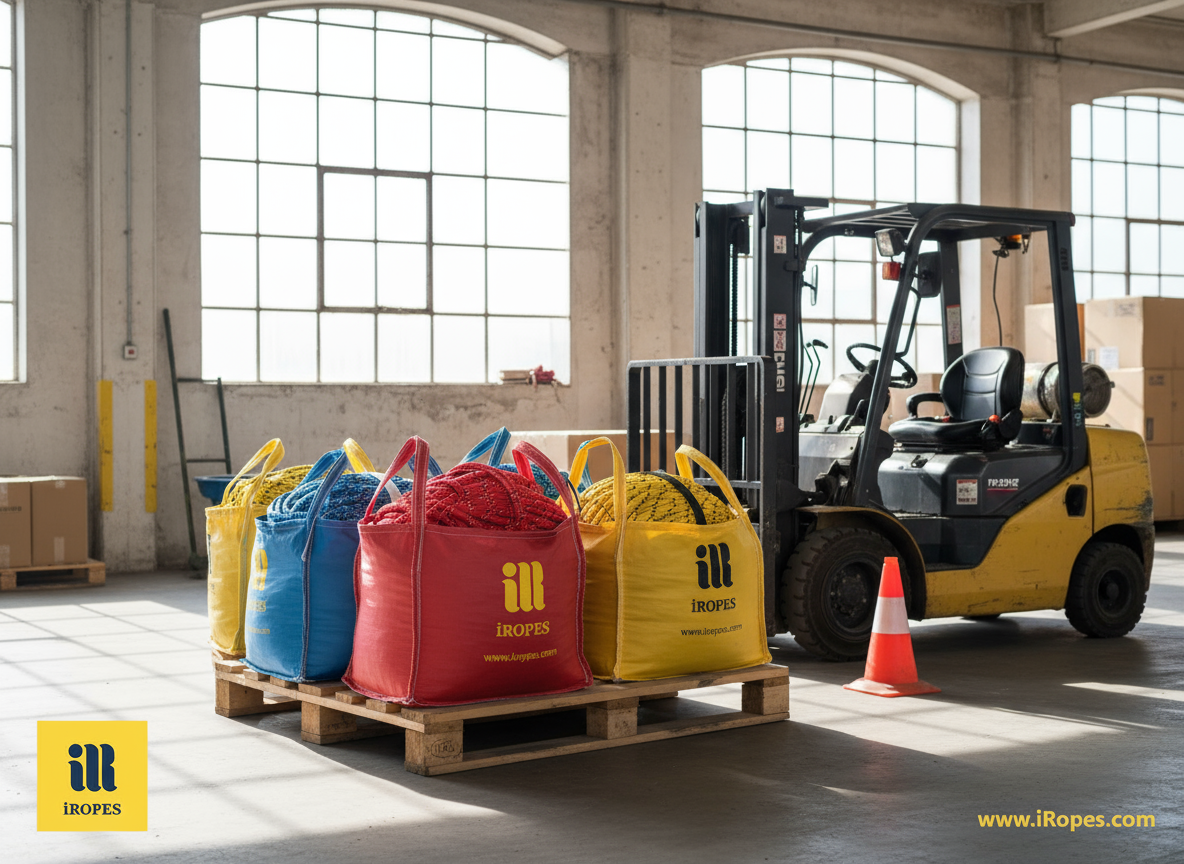
- Packaging & palletisation – ropes arrive in non‑branded bags, colour boxes or custom cartons, stacked on export‑ready pallets.
Core Choices
Tailor strength from the inside out
HMPE core
Ultra‑low stretch, ideal for heavy‑duty pulling.
Polyester core
Balanced stretch and UV resistance for versatile use.
Cotton core
Soft hand‑feel and an economical option.
Finishing Touches
Make the rope yours
Colour & pattern
Custom hues, reflective strips or glow‑in‑the‑dark fibres.
Accessories
Factory‑spliced loops, thimbles, eye‑splices or pre‑installed pulling eyes.
Branding
Print your logo on bags or colour boxes, or request branded tracers/tags on the rope jacket.
When you compare the three material families—double braided cotton rope, double braided poly rope and double braided composite rope—pricing rises with performance, especially for composite builds. Stock lengths are typically priced per foot, while custom orders factor in strand count, colour complexity and accessories. Lead times are usually 2–3 days for ready‑made stock and 2–4 weeks for bespoke builds, with bulk discounts often starting at 600 ft and above.
Looking for a place to buy bulk double‑braid rope? The fastest route is the iRopes wholesale portal: submit a quote request, choose your material, specify strand count, colour and any accessories, and a sales specialist will follow up with pricing and pallet‑shipping options.
Ready for a Custom Double‑Braided Rope Solution?
We’ve shown how a double braided cotton rope delivers a soft hand‑feel for low‑load tasks, while the double braided poly rope from iRopes provides low stretch, UV resistance and versatile stock options – 16, 24 or 32 strands – suited to off‑road, industrial, camping and marine scenarios. For the toughest applications, the double braided composite rope combines an HMPE core with a polyester braid for ultra‑low stretch and breaking strengths up to 30 000 lb. Whatever your performance, environmental or branding requirements, iRopes can design, prototype and ship a rope that fits perfectly.
If you’d like personalised assistance to choose the ideal rope or discuss custom specifications, please use the form above to get in touch with our experts.