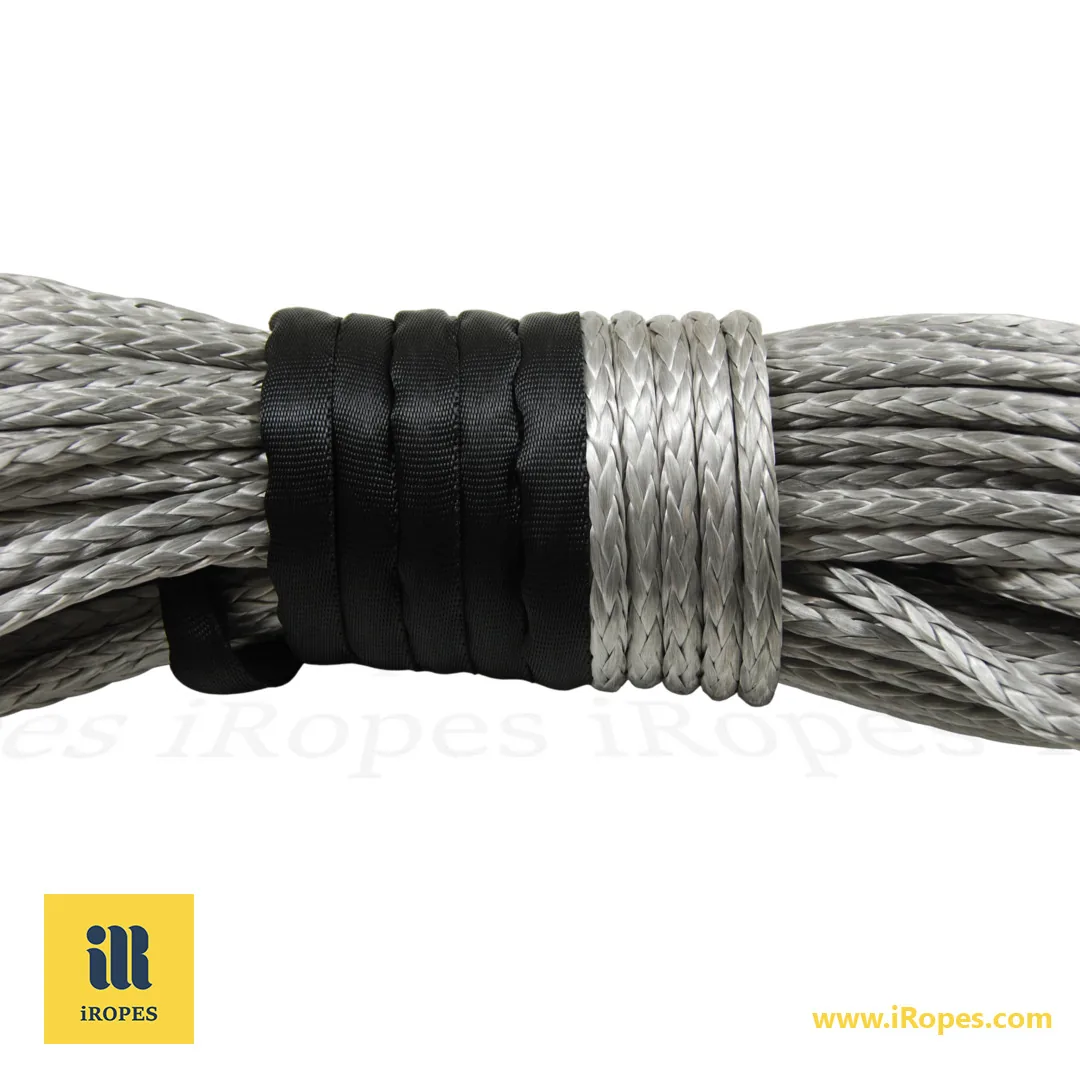
Lightning rope slashes elongation to under 1%, delivering 15x steel-strength anchoring that's 40% safer in dynamic loads—revolutionising your marine setup with custom iRopes solutions that match Nylon's 30% stretch or weighted cores for unbreakable holds.
In 15 minutes, master rope innovations that optimise anchoring efficiency by up to 50% →
- ✓ Grasp Nylon and Dyneema's properties to select anchors absorbing 30% more shock, solving failure risks in rough seas.
- ✓ Decode lightning rope's 12-strand magic for lightweight yachts, cutting handling effort by 25% and boosting speed.
- ✓ Harness weighted designs with lead cores to reduce swing radius 35%, ensuring stable holds without chain hassle.
- ✓ Customise spun constructions via iRopes OEM for durable dock lines, extending rope life 2x through easy splicing.
You've relied on heavy chains for secure anchoring, assuming more weight always means better grip—but what if lighter, specialised ropes like lightning variants deliver superior stability with half the drag? Imagine deploying lines that sink precisely, resist dynamic jerks without snapping, and custom-fit your vessel's every quirk. Dive deeper to uncover how iRopes' ISO-certified tailoring turns these secrets into your unbeatable edge on the water.
The Foundation: Key Rope Materials for Marine Use
On the water, the last thing you want is your anchor line failing under pressure from waves or wind. This is where the right materials become crucial, forming the backbone of reliable marine ropes. Building on the challenges of anchoring, let's explore the key materials that help specialised ropes perform so well.
Start with Nylon, a go-to for its impressive elasticity. This material stretches up to 30% under load, absorbing shocks from sudden jerks—think of it as a built-in spring that prevents your boat from snapping back too harshly. It's affordable and robust, making it ideal for everyday marine tasks where flex is key.
Polyester offers enhanced durability in tough conditions. It resists UV rays and abrasion far better than Nylon, holding its shape with minimal stretch—only about 10-15%. If your rope frequently rubs against rocks or dock edges, Polyester will maintain its integrity longer, reducing the need for frequent replacements.

Dyneema, also known as HMPE, offers a game-changing high strength-to-weight ratio. It's up to 15 times stronger than steel by weight, yet it floats and resists chemicals. But is Dyneema good for anchor rope? It excels in reducing overall weight on board, simplifying handling for larger vessels, and its low stretch minimises dynamic loads in steady holds. However, for bumpy conditions with constant wave action, its limited elasticity means it doesn't absorb shocks as effectively as Nylon; pairing it with a snubber is recommended for optimal performance.
Don't overlook Polypropylene for its buoyancy—it floats, which is useful if accidentally dropped overboard, and it's one of the most budget-friendly options. For extreme setups, speciality fibres like LCP provide ultra-low stretch and heat resistance, while Aramid delivers cut-proof toughness in high-risk scenarios.
Choosing the right material ultimately depends on factors such as buoyancy for floating needs, UV resistance to combat sun damage over seasons, and anchoring suitability for wet, salty environments. At iRopes, our specialists meticulously tailor solutions—blending fibres for your exact boat size or custom conditions, ensuring everything from diameter to certifications aligns with your setup.
A niche advantage: materials like Polyester can incorporate anti-static properties, which is crucial in fuel-handling vessels to prevent sparks in explosive atmospheres. Imagine splicing a line without worrying about static buildup—it offers genuine peace of mind on deck.
Core Materials
Everyday Reliability
Nylon
High elasticity absorbs shocks, perfect for dynamic marine loads.
Polyester
UV and abrasion resistant for long exposure on the water.
Polypropylene
Affordable and buoyant, easy on the wallet for backups.
Specialty Fibers
Extreme Performance
Dyneema
Lightweight strength reduces vessel weight effectively.
LCP
Low stretch handles heat in demanding setups.
Aramid
Cut-resistant for hazardous, sharp-edge environments.
With these materials understood, the next step is discovering how they're woven together into constructions that truly unlock their potential for marine anchoring.
Lightning Rope: High-Performance Innovations in Marine Anchoring
Now that we've covered the essential materials forming the backbone of marine ropes, let's turn to how those elements come together in advanced constructions. One standout example is lightning rope, a specialised product that pushes the boundaries of what's possible in anchoring and beyond. Consider it the high-octane upgrade for sailors who demand precision and reliability when every knot counts.
Lightning rope typically refers to a branded line featuring a high-modulus blend, such as LCP combined with HMPE fibres, woven into a 12-strand construction. This setup delivers exceptionally low stretch—often under 1% elongation under load—while packing immense strength in a featherweight package. It's designed to replace heavier wire ropes in scenarios where weight savings matter, such as in racing yachts or demanding pulls. The result is a line that feels almost effortless to handle yet holds firm against the sea's relentless forces.
This construction is revolutionary for marine anchoring because it significantly reduces dynamic loads—those unpredictable stresses from waves and wind that can fatigue traditional setups. By minimising stretch, lightning rope maintains tension without the abrupt snaps that accelerate gear wear. When it comes to the best type of rope to resist dynamic load in high-performance contexts like competitive sailing, low-elongation options like this shine. They transfer energy efficiently without excessive give, keeping your boat steady and safe during intense conditions. Picture deploying your anchor in a sudden squall; instead of the line whipping around, it remains taut, reducing risk to hull and crew alike.

Practically, lightning rope excels in yachting, securing moorings with unyielding grip, and spearfishing, providing divers with reliable descent lines that resist drifting. At iRopes, we craft similar high-performance blends through our OEM services, tailoring them to your exact specifications—perhaps adding reflective strips for low-light visibility during night dives or extended voyages. Our experts precisely blend these fibres, ensuring the rope aligns with your vessel's demands, from diameter adjustments to custom terminations.
Have you ever struggled with bulky lines slowing your setup? Lightning rope tackles this directly, making deployment quicker and storage simpler. For wholesale buyers in developed markets, it's readily available through dedicated channels, with iRopes handling global pallet shipping to keep your operations running smoothly. Whether outfitting a fleet or prototyping a new rig, these innovations mean less downtime and more time on the water.
Yachting
Secure moorings with minimal swing in choppy harbours.
Spearfishing
Reliable lines for deep-water descents without tangles.
Custom Blends
iRopes OEM tailors strength and visibility features.
Global Reach
Wholesale access with direct worldwide delivery.
Of course, not every anchoring scenario calls for this level of performance; sometimes, you need added heft to truly dig in and hold steady.
Weighted Anchor Rope: Secrets to Secure Marine Anchoring
That added heft you mentioned? It's precisely what weighted anchor rope brings to the table, stepping in where pure performance lines like lightning rope might feel too light for the job. If you've ever watched your boat swing wildly at anchor or struggled to achieve a solid set in soft mud, these ropes are engineered to tackle those frustrations head-on, making your time on the water far more predictable.
The core concept behind weighted anchor rope is simple: it integrates elements like lead cores or chain sections directly into the line. This built-in weight helps the rope sink quickly and fully, creating a deeper catenary—the natural curve that allows your anchor to bite harder into the seabed. Compared to plain ropes that float or drift, this setup significantly reduces swing radius, keeping your vessel closer to its set point even with currents or wind shifts. I recall anchoring off a windy coast once; without that extra pull, we drifted half the night—weighted lines would have made a critical difference.
Now, how does this compare to the classic chain-plus-rope rode many boaters favour? While that combination provides heavy-duty holding, weighted anchor rope often handles more easily on deck—there's no bulky chain to wrestle with during deployment or retrieval. It also protects your propeller from foul-ups, as the sinking design keeps everything taut and low. Speaking of choices, what type of rope is best for an anchor line? For most setups, choose Nylon or Polyester enhanced with weighting. Nylon provides essential elasticity to cushion gusts, while Polyester adds lasting durability against wear and sun. Pair either with a weighted core, and you'll have a balanced system that stretches just enough without sacrificing hold—ideal for boats from 6 to 15 metres, where you might opt for a 19 mm diameter for optimal security.
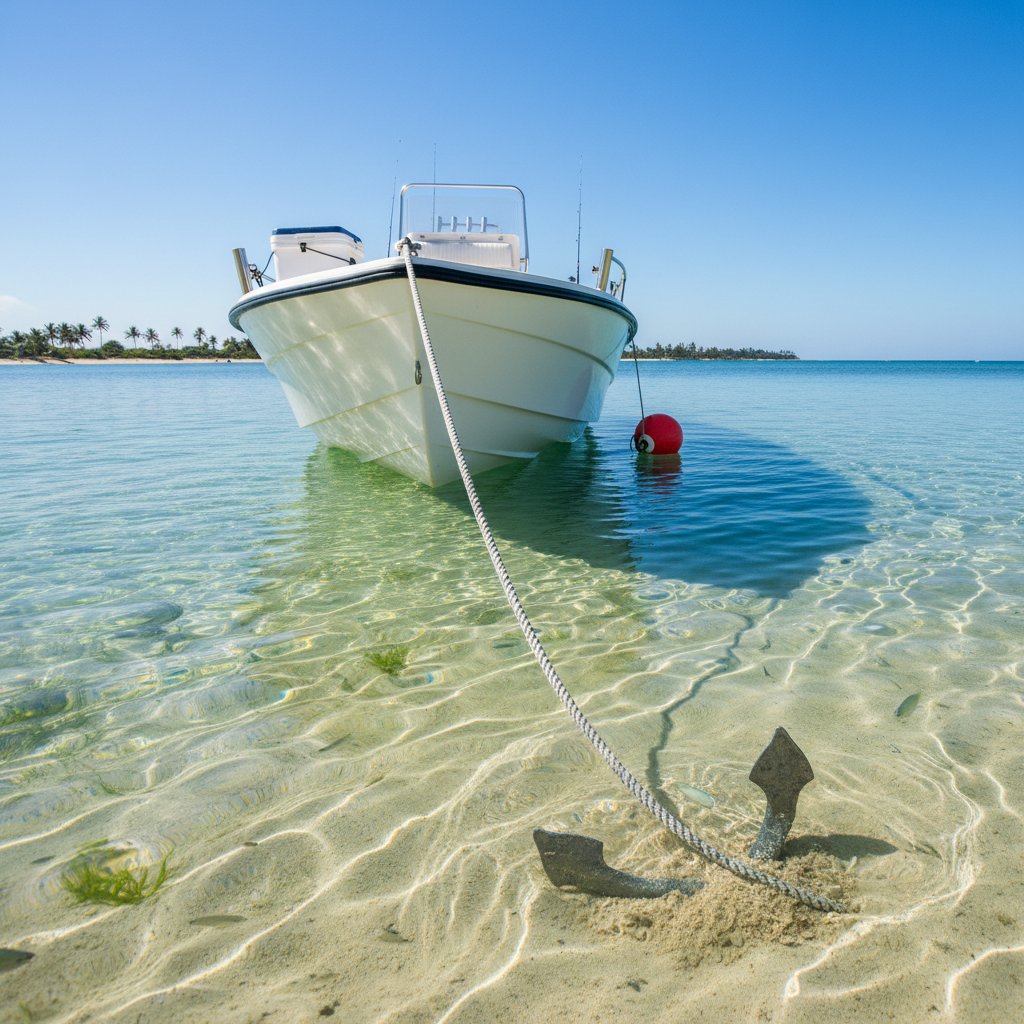
Construction-wise, these ropes often feature a 3-strand twisted build around a dense weighted core, which flexes reliably under load while remaining compact for storage. Materials adhere to proven performers like those discussed earlier, but precision is paramount—sizing must match your vessel's displacement to avoid under- or overkill. At iRopes, our state-of-the-art facilities handle this with exacting care, backed by ISO 9001 certification to guarantee every batch meets rigorous standards, from core density to overall breaking strength.
Beyond recreational boating, weighted anchor ropes excel in demanding scenarios, such as defense operations requiring rapid, secure mooring, or industrial applications like offshore platform tie-offs. For wholesale partners, iRopes offers custom packaging—think branded cartons or bags—and full IP protection, ensuring your designs remain proprietary. We facilitate worldwide pallet shipping, ensuring you receive what you need without delay.
- Lead Core Integration – Sinks fast for immediate seabed contact, boosting initial anchor bite.
- Chain-Alternative Design – Lighter overall, easier to manage solo without sacrificing grip power.
- Swing Reduction – Tightens the rode's curve, minimising drift in variable conditions.
These practical adjustments make all the difference, but for everyday tasks where simplicity is key, traditional constructions remain straightforward and effective.
Spun Rope: Traditional Constructions for Versatile Marine Applications
Those traditional builds we just touched on? They form the essence of spun rope, a reliable choice that keeps things simple yet effective for routine marine tasks. If you've spent enough time on the water, you know how a straightforward line can facilitate getting the job done efficiently—spun rope perfectly embodies this no-nonsense approach to handling everyday demands.
At its core, spun rope signifies a 3-strand twisted construction, where fibres are interwoven in a helical pattern, imbuing the line with natural elasticity. This twist creates built-in give, ideal for absorbing shocks in applications like anchor snubbers, and it's exceptionally easy to splice because the strands separate cleanly without fraying. You'll often find it made from Nylon for that desirable flexibility or spun Polyester for a softer feel that resists kinking over time. I once rigged a friend's dock with a basic spun line during a weekend trip; it held steadfast through a surprise storm, demonstrating how this classic design still performs reliably when forgiveness is needed in rough weather.
What differentiates it from braided ropes, which we saw in high-performance setups earlier, is how spun rope handles abrasion and everyday wear. Braids are sleek and strong but can be slippery and prone to hockling if not managed correctly; spun rope offers superior grip on cleats and edges, resisting friction from rubbing against pilings or rocks. If you're wondering about the best rope for an anchor snubber, spun Nylon undoubtedly takes the lead. Its superior stretch, up to 30% under tension, prevents the sudden jerks that could jolt your hull or compromise the anchor's set. It acts as a buffer, transforming potential disruptions into a smoother experience, particularly on smaller boats where every wave impact is felt.

Beyond anchoring aids, spun rope shines in dock lines that need to absorb tidal pulls, mooring setups for stable harbour ties, and even camping gear like guy lines that flex with wind gusts. At iRopes, we take this versatile base and customise it to align with your brand—adjusting diameters from 12 mm for light duty to 25 mm for heavier loads, selecting colours that match your fleet, or adding accessories like thimbles for secure ends. It's all about ensuring the rope perfectly suits your operation, whether you're outfitting recreational vessels or fulfilling wholesale orders. To maintain its performance, focus on consistent maintenance: regularly inspect for fuzzing or discolouration, which often signal UV wear, rinse off salt after use, and store it loosely coiled in a dry spot. Simple steps like these significantly extend its lifespan. Have you checked your lines recently? Spotting wear early helps prevent surprises on the water.
- Visual check for external damage like cuts or glazing.
- Feel for internal stiffness indicating core fatigue.
- Clean with fresh water and mild soap quarterly.
Putting it all together, from foundational materials through these practical constructions, selecting the ideal line often comes down to how well it integrates with your specific setup—and that's where partnering with experts for tailored options truly pays off.
As we've explored the foundational materials and innovative constructions like lightning rope for high-performance marine anchoring, the advantages of weighted anchor rope become clear—its integrated lead cores enhance sinking and catenary for superior hold in challenging conditions, while anti-static properties in Polyester variants ensure safety in fuel-sensitive environments. Complementing these are traditional spun rope designs, offering elastic 3-strand twists ideal for snubbers, dock lines, and niche uses in yachting, spearfishing, and even defense. With iRopes' OEM expertise, customisation aligns these solutions to your needs, backed by ISO 9001 quality and global wholesale availability for timely, branded deliveries.
These specialised ropes not only boost safety and efficiency on the water but also open doors to tailored applications that precisely match your vessel or operation. If you're keen to discuss custom blends or sourcing options, our specialists can guide you further.
Explore Custom Rope Solutions with iRopes
For personalised advice on selecting or customising ropes for your marine needs, use the inquiry form above—we're here to help turn these insights into practical, high-quality solutions.