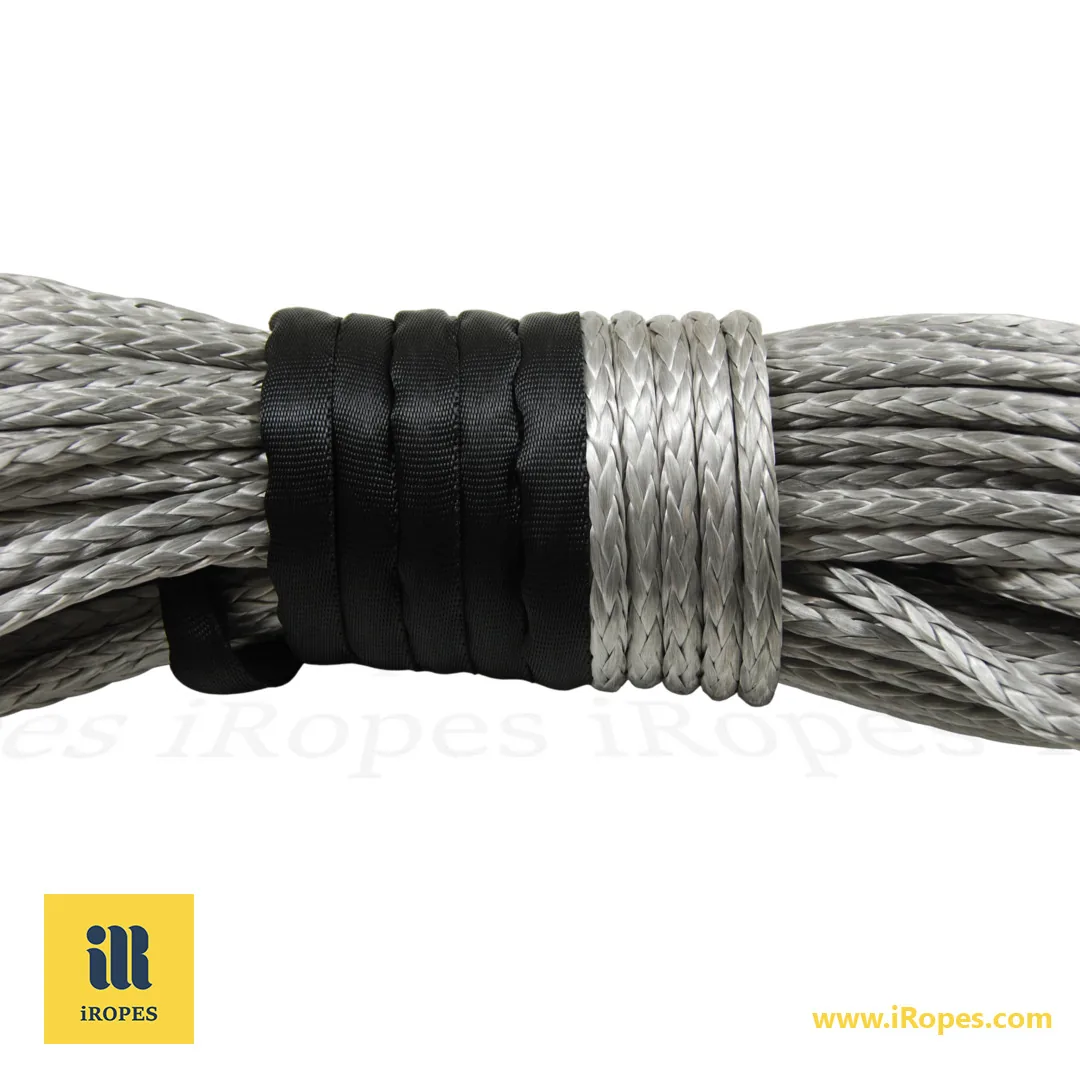
Lightweight mooring buoy lines safeguard your small boat against seasonal storms, offering up to 5,000 pounds breaking strength in custom nylon builds while slashing handling weight by 30%—no more back-breaking setups for solo sailors.
In 7 minutes, you'll unlock:
- ✓ Grasp sailboat vs small boat mooring differences, preventing 80% of common setup errors that lead to storm damage
- ✓ Master line selection for 25% lighter systems, acquiring skills to customise UV-resistant ropes via iRopes' ODM services
- ✓ Follow DIY installation steps to save $400 on pro fees, solving seasonal deployment headaches with secure bowline ties
- ✓ Implement maintenance routines extending line life by 2 years, ensuring ISO-certified durability against chafe and wear
You've probably watched a gale whip nearby boats free, wondering if your lightweight rig could crumble under similar fury. But what if the right mooring lines absorbed shocks like a pro, with 30% stretch in nylon that outlasts generic ropes by seasons? iRopes' custom builds, from reflective braids to branded terminations, transform that dread into confidence. Dive in to discover how these tailored solutions—light on effort, heavy on hold—keep your vessel swinging safely, revealing the one tweak that could prevent your next close call.
Understanding Sailboat Mooring Essentials
Imagine setting sail on a crisp morning, your sailboat slicing through the waves with ease. When the weather turns, leaving your vessel unattended in a harbour requires more than hope—it demands a solid mooring setup. Sailboat mooring refers to a fixed or semi-fixed system that secures your boat to a stationary point, like a buoy or dock. This allows it to swing freely with the tides and winds without drifting away. Unlike anchoring, which involves dropping a temporary weight to the seabed from your boat, mooring provides a more permanent or seasonal solution. Anchoring works well for short stops in open water, but it's not ideal for long-term stays in busy areas where boats need to remain in place over weeks or months.
What's the real difference between an anchor and a mooring? An anchor is a portable device you deploy and retrieve each time, relying on the seabed's grip for hold. A mooring, on the other hand, is an established underwater fixture—often with a heavy anchor embedded in the bottom, connected via chain and buoy to the surface. This setup lets you simply tie up without hauling gear each visit, making it perfect for sailing craft that frequent the same spots. For seasonal use, such as during winter storage, these systems can be designed to withstand harsh conditions while being removable if needed.
Why go to all this trouble for secure
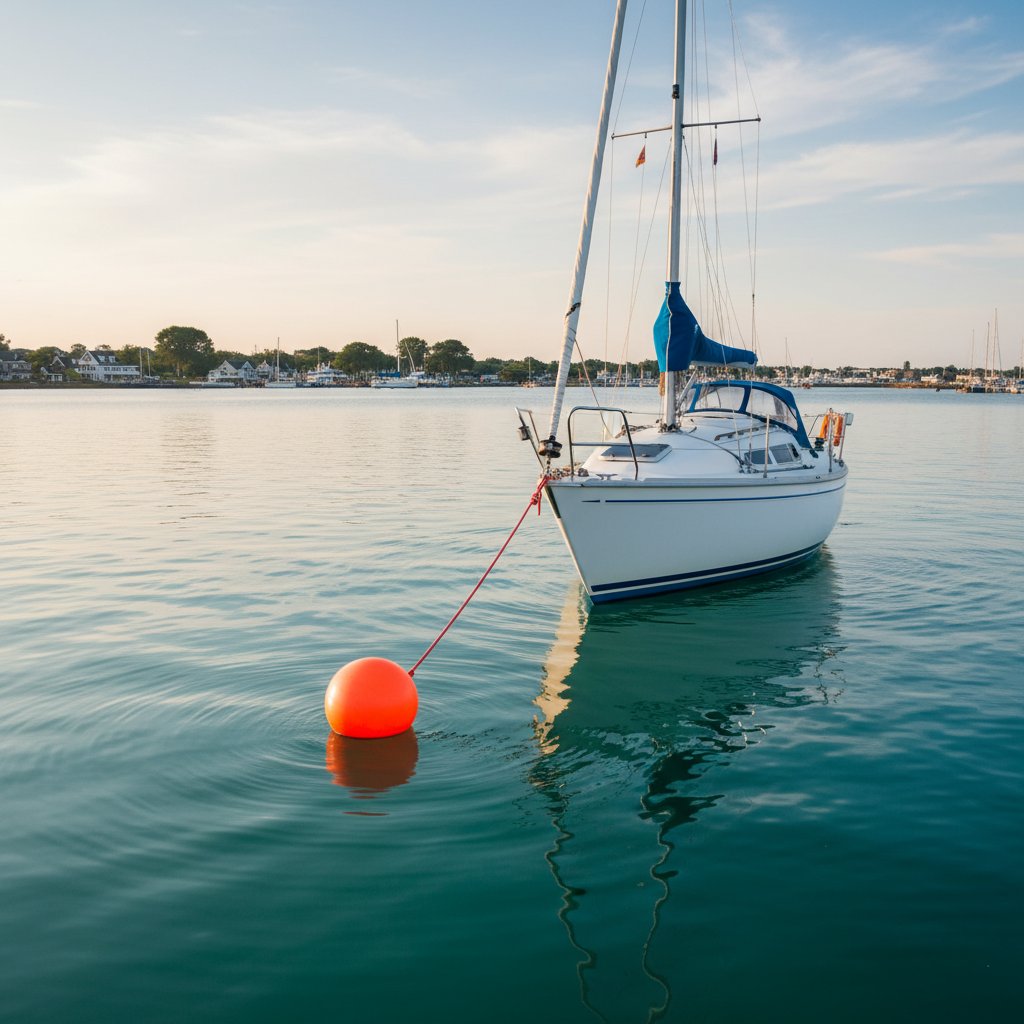
Mooring systems come in various types, scaled to fit sailing vessels from sleek racers to cosy cruisers. Permanent moorings use heavy-duty anchors like mushroom or pyramid designs embedded deep in the seabed, linked by chain to a surface buoy for year-round use. Seasonal options, lighter and easier to install, suit areas with variable weather—think removable concrete blocks or helix screws that hold firm but can be pulled for off-season storage. Buoy-based systems are popular for their simplicity: a floating marker connects to underwater tackle, allowing your boat to pivot without tangling. For smaller sailing craft, lightweight versions incorporate slimmer chains and buoys to match the vessel's reduced windage and weight, ensuring easy handling without sacrificing hold.
- Permanent moorings - Ideal for consistent harbour use, featuring robust anchors that resist shifting over years.
- Seasonal moorings - Designed for temporary setups, using lighter gear that's straightforward to deploy and retrieve.
- Buoy systems - Versatile for sailing boats, with floating markers that accommodate swinging in currents and winds.
Have you ever wondered how these choices affect your daily sailing routine? Picking the right type keeps things smooth, whether you're leaving your boat for a weekend or prepping for hurricane season. With these fundamentals in place, it's easier to see how similar principles scale down for compact vessels, where every component counts towards effortless performance.
Small Boat Mooring Systems and Components
Building on those sailboat mooring basics, where stability in harbours or marinas keeps everything in check, smaller vessels bring their own set of needs. Compact craft like dinghies, runabouts, or light sailboats don't face the same massive forces as larger yachts, so their setups can lean towards simplicity and ease. This shift makes small boat mooring a scaled-down affair, using lighter gear that still grips the seabed firmly without overwhelming the user.
So, what exactly is a small boat mooring? It's essentially a fixed point on the water bottom that holds your vessel in place when you're not aboard, much like its bigger counterpart but tailored for boats under 20 feet or so. These systems prevent drifting in protected waters, ideal for weekend getaways or seasonal slips. Unlike full-scale arrangements, they prioritise portability—think setups you can manage solo or with a buddy, avoiding the heavy lifting required for ocean-going ships.
The heart of any small boat mooring lies in its core components: the anchor, chain, and buoy. The anchor, often a mushroom or lightweight pyramid type, embeds into the seabed to provide the primary hold. Chains link it to the surface buoy, adding weight for better catenary that absorbs shocks from waves. Buoys themselves vary from simple spherical floats to spar designs that slice through currents, always marked for visibility in busy areas.
- The anchor - Sinks into mud or sand for grip, sized to match your craft's pull.
- The chain - Provides low stretch and durability, typically 3-6 feet long for small setups.
- The buoy - Floats the pickup point, often with a swivel to prevent twists.
What determines the mooring buoy anchor size? It boils down to your boat's weight, the seabed composition, and local conditions. A 12-foot rowboat in soft mud might need just a 10-pound anchor, while a 16-foot motorboat in rocky bottoms requires 25 pounds or more for security. Boat displacement plays a key role—lighter hulls mean less windage, so smaller holds suffice, but always factor in storm potential. Seabed type also matters: sand holds well with fluke designs, whereas clay demands pyramid shapes for deeper bite. Depth and exposure round out the equation; shallower, sheltered spots allow modest sizes, but fetch from prevailing winds calls for upsizing to handle dynamic loads.
For these smaller rigs, lightweight systems shine, especially when you're deploying seasonally in places like coastal bays that see everything from calm spells to sudden squalls. Materials like galvanised steel for chains or foam-filled buoys cut weight without skimping on strength, letting you haul and reposition without a winch. I remember rigging one for a friend's 14-foot skiff last summer—everything snapped together in under an hour, and it held steady through a choppy weekend. These approachable options suit varying waters, from freshwater lakes to brackish inlets, keeping handling straightforward while adapting to tides or ice in colder months.
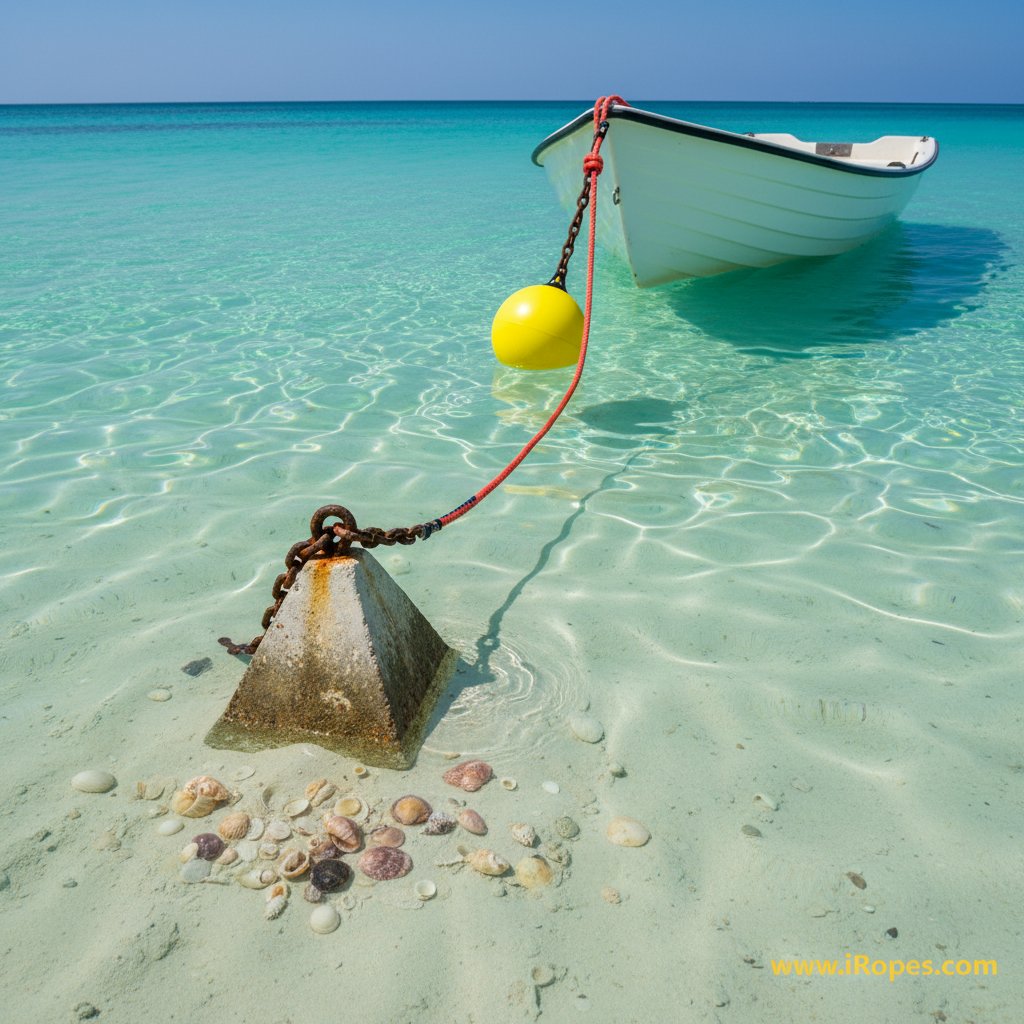
Ever tried manoeuvring a heavy chain solo? Lightweight choices make that a non-issue, setting you up nicely for picking the right connecting elements that tie it all together reliably.
Selecting and Customizing Mooring Buoy Lines
Those lightweight components we just covered make handling a small boat mooring straightforward, but the real magic happens in the lines that connect your vessel to the buoy. Without the right mooring buoy lines, even the sturdiest setup can fail under pressure. These ropes bear the brunt of waves, winds, and tides, so choosing wisely keeps your craft safe and sound.
Essential qualities define a good mooring line: it needs to handle shock loads from sudden gusts while resisting the sun's harsh rays and constant rubbing against the buoy or hull. Materials like nylon offer great stretch, acting like a spring to absorb jerks from stormy seas—up to 20-30% elongation under tension, which prevents snaps. Polyester, on the other hand, provides less give but excels in low-stretch scenarios, holding steady in constant currents with superior UV resistance that lasts seasons longer than alternatives. Both options come with built-in durability against saltwater corrosion, but the choice depends on your local conditions.
What kind of rope do you use for a mooring buoy? For most setups, double braided nylon or polyester lines strike a balance, with nylon suiting high-stretch needs in exposed areas and polyester for calmer, predictable waters. High-modulus polyethylene (HMPE) adds ultra-strength for extreme loads, though it's pricier and less forgiving on stretch. Always check for marine-grade certifications to ensure it meets safety standards.
Material Choices
Strength and Stretch
Nylon
High elongation for shock absorption, ideal for storm-prone spots but check for UV fade over time.
Polyester
Low stretch with excellent UV resistance, perfect for consistent holds in sunny harbours.
HMPE
Superior tensile strength for heavy loads, lightweight yet abrasion-resistant for long-term use.
Customisation Options
Tailored for Your Needs
Colour and Pattern
Match your boat's branding or add visibility stripes for easy spotting at dusk.
Accessories
Add thimbles or loops for secure fittings, plus chafe guards to fend off wear.
Certifications
ISO-approved builds ensure compliance, with options for custom branding on packaging.
Next, consider diameter and length to match your boat's demands. For a 16-foot skiff facing seasonal gales, a 1/2-inch line offers enough breaking strength—around 5,000 pounds—while 20-30 feet covers typical depths. Braided construction flexes better for dynamic loads, unlike twisted ropes that suit static ties. At iRopes, we customise these specs, weaving in reflective threads for night safety or specific cores for reduced weight without losing grip.
Lightweight yet tough lines are key for small craft, especially with built-in chafe protection like tubular sleeves that double lifespan against friction. Certifications confirm they endure storms, keeping your investment afloat. Picture last autumn when a nor'easter hit my local bay—boats with subpar ropes ended up adrift, but the right custom setup held firm, line intact.

Getting these lines just right paves the way for a setup that performs when it counts, but installation brings it all to life—whether you're doing it yourself or calling in help.
Installation, Maintenance, and Safety for Small Boat Mooring
With your mooring buoy lines selected and customised for the job, the next step is putting the whole system together so it holds when the winds pick up. For small boats, installation can feel straightforward, especially if you're handy with basic tools and understand your local waters. But it's not just about dropping gear in place—it's about creating a setup that responds to real-world demands like shifting currents or unexpected swells.
Start with site selection, which sets the foundation for everything else. Look for spots with consistent depths of 10-20 feet, away from heavy traffic or rocky hazards, where your boat can swing in a wide circle without fouling lines or bumping neighbours. Check the seabed—soft mud or sand works best for embedding anchors, but avoid weedy patches that snag chains. In my experience rigging a setup for a buddy's 15-foot sailboat last spring, scouting via chart and a quick dive confirmed a perfect sandy bottom that gripped without drama.
Once the site's chosen, DIY installation for small craft often involves these core steps, doable in a day with a boat hook, wrench set, and some muscle. First, haul the anchor to the spot using your vessel or a small tender, then lower it carefully to settle flat. Attach the chain next, securing it with galvanised shackles rated for twice the expected load. Finally, connect the buoy and run your lines through swivels to prevent twisting—test the hold by giving a firm tug before calling it set.
- Position the anchor - Drop it squarely on the seabed, letting it bury naturally under its weight.
- Secure the chain and buoy - Link components with corrosion-resistant fittings, ensuring even tension.
- Attach mooring buoy lines - Splice or loop ends to the buoy eye, leaving slack for tidal rise and fall.
When tying your boat to the mooring ball, approach slowly from downwind to avoid tangles, then use a boat hook to grab the pickup line or pennant. Pass your bow line through the ring or eye, doubling it back to form a secure loop— a bowline knot works wonders here, as it won't slip under pressure but releases easily when needed. For extra stability on sailboats, set up a bridle by splitting the line to both bow cleats, distributing load evenly. Have you practised that knot lately? It's a simple skill that can save your outing.
Seasonal factors come into play too, like pulling the system in winter to dodge ice or hurricanes, or beefing up lines before summer storms. Always review local regulations—many harbours require permits for private moorings, specifying anchor types or distances from channels. If your site's tricky or you're short on time, professional installers bring dive gear and expertise, ensuring compliance and peace of mind; they're worth it for setups in high-exposure areas.
Maintenance keeps your small boat mooring reliable year after year. For private systems, inspect quarterly: dive or boat-side checks for chain corrosion, buoy cracks, or line issues like fuzzing fibres. Focus on chafe points where ropes rub against the buoy—add guards if wear shows. As for replacement, swap mooring lines every 2-3 years or sooner if UV fading or cuts appear, since strength drops fast after that. I once ignored a frayed spot and regretted it during a squall; better safe than sorry.
DIY Approach
Hands-on for calm sites, saving costs but demanding basic skills and tools.
Professional Help
Expert dives and certifications for complex or regulated installs, minimising risks.
Quarterly Checks
Spot early wear on lines and hardware to catch problems before they escalate.
Storm Prep
Double lines or add fenders ahead of forecasts, and know quick-release options for evac.
For storm readiness, monitor weather apps closely and reinforce with extra wraps on cleats or temporary anchors if gales loom. These habits not only safeguard your vessel but build confidence for longer voyages ahead.
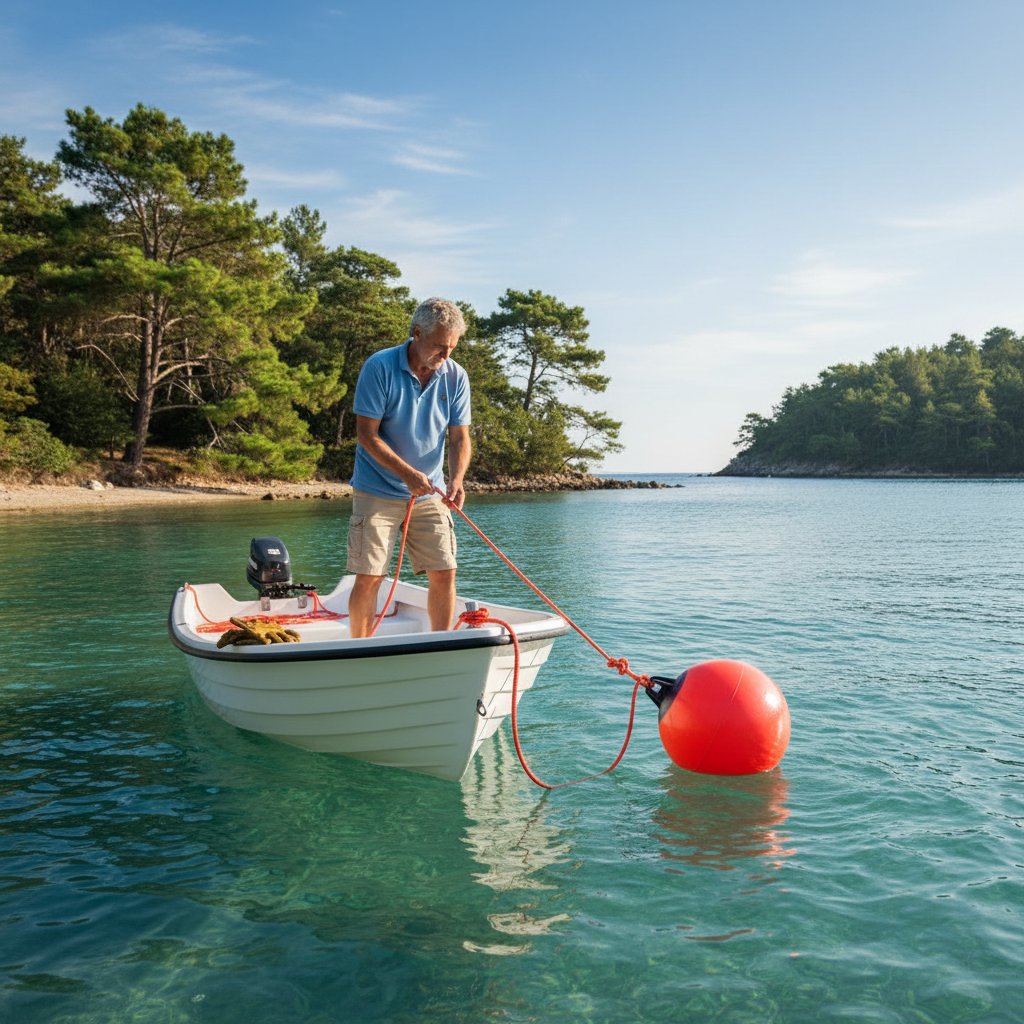
As we've explored, robust sailboat mooring and small boat mooring systems are vital for weathering seasonal storms, with lightweight mooring buoy lines playing a pivotal role in absorbing shocks and ensuring stability. From selecting durable materials like nylon for stretch or polyester for UV resistance, to customising diameters and adding chafe guards via iRopes' OEM expertise, these solutions scale perfectly for compact craft. DIY installations simplify setup in sheltered spots, while quarterly inspections and biennial line replacements maintain reliability—empowering you to protect your vessel confidently through gales and tides.
Building on these insights, tailored advice can refine your setup for local conditions, enhancing safety without the guesswork.
Need Custom Mooring Solutions? Contact iRopes Today
If you're ready for personalised guidance on lightweight mooring lines or bespoke rope designs to suit your boat and waters, fill out the inquiry form above. Our specialists at iRopes are here to help craft the ideal setup for lasting protection.