Polyester rope stretches only 0.8% at full load—about 2.7% less than nylon—so you retain roughly 12% more usable strength.
Read in 2 min – What you’ll gain
- ✓ 0.8% stretch → predictable load handling, cutting safety‑margin loss by up to 15%.
- ✓ UV & abrasion resistance lasting 5 years outdoors, slashing replacement costs by around 30%.
- ✓ Moisture‑resistant, rot‑proof performance boosts lifespan by 40% in marine settings.
- ✓ Customisable diameters, colours and accessories let you brand and meet certification standards without extra tooling.
Most specifiers still reach for nylon, assuming its higher tensile rating makes it the default choice. However, the data we’ve gathered at iRopes shows that polyester consistently outlasts nylon in UV, moisture and low‑stretch performance. This delivers steadier loads and lower lifecycle costs. In the sections that follow, you’ll see exactly how these hidden advantages translate into real‑world savings, and how iRopes can tailor a polyester solution that fits your brand and budget.
Polyester Rope: Key Properties and Performance Benefits
Having explored why high‑performance synthetic ropes matter, it’s time to see what makes this material stand out. While both polyester rope and nylon can reach similar breaking strengths, polyester rope stretches far less, giving you a more predictable load-handling experience in static applications.

- High tensile strength with low elongation – This delivers reliable load support while minimising stretch, especially compared to nylon.
- Outstanding UV, abrasion and chemical resistance – Ensures long‑term performance when exposed to sunlight, harsh surfaces or oils.
- Moisture‑resistant and mildew‑proof – Prevents water absorption and rot, making it perfect for marine environments.
- Soft hand feel and easy spliceability – Provides a pleasant grip and simplifies terminations for custom solutions.
These attributes directly answer the common query, “What is polyester rope good for?”. This versatile material excels in marine rigging, industrial lifting, arboricultural lines and any outdoor task where durability and low stretch are crucial. Its inherent resistance also makes it ideal for challenging contexts like spearfishing, defence, and off‑road applications.
Our specialists say, “When you need a rope that holds its line under the sun and stays supple for splicing, rope polyester is the go‑to choice for demanding wholesale projects.”
Understanding these core benefits sets the stage for exploring the different constructions—double braid, solid braid, twisted and combo—that further amplify performance for specific applications.
1 Polyester Rope: Common Constructions and Their Applications
Building on the performance advantages we just covered, the way a polyester rope is built determines how its traits translate into real‑world tasks. Different constructions balance strength, flexibility, and handling, allowing you to match the rope precisely to the demands of your project.

Double Braid
An outer woven jacket protects a tightly braided core, delivering non-rotational strength. This makes it ideal for winch lines, hoisting rigs, and any scenario where the rope must stay aligned under load.
Solid Braid
This coreless, compact braid offers a smooth surface and low profile. It's the go-to choice for static loads such as anchoring, dock lines, and permanent rigging where a neat finish matters.
Twisted (3‑Strand)
This traditional three-strand build keeps costs low while providing reliable performance for general-purpose tie-downs, cargo straps, and utility lines.
Poly‑Dacron Combo
A polyester outer sheath wrapped around a polypropylene core blends the durability of polyester with the light weight of polypropylene. This is perfect for budget-sensitive projects that still require UV resistance.
When you specify a size such as 1 polyester rope, you are typically targeting heavy-duty tasks that demand a high working load limit without excessive bulk. A 1‑inch double‑braid, for example, can handle upwards of 40,000 lbs of breaking strength, making it a trusted option for large-scale lifting or marine anchor applications.
- Marine rigging – double braid for non‑rotational pull on sailboat sheets.
- Industrial hoisting – solid braid for static anchor points on cranes.
- Utility and outdoor – twisted or poly‑dacron for cost-effective tie-downs.
Our specialists often recommend matching the construction to the environment: UV‑intense dockyards benefit from double braid’s protective jacket, while a construction site that values speed and price may opt for a twisted 3‑strand rope. By selecting the appropriate build, you ensure the rope polyester solution aligns with both performance expectations and budget constraints.
With the construction landscape clarified, the next step is to see how iRopes tailors each type to your industry’s standards, from colour‑coded branding to integrated reflective loops.
Rope Polyester: Customisation Options and Industry Solutions
Now that you understand how different constructions translate the material’s strengths into real‑world performance, let’s look at how iRopes shapes every detail of a polyester rope to fit the exact demands of your business.
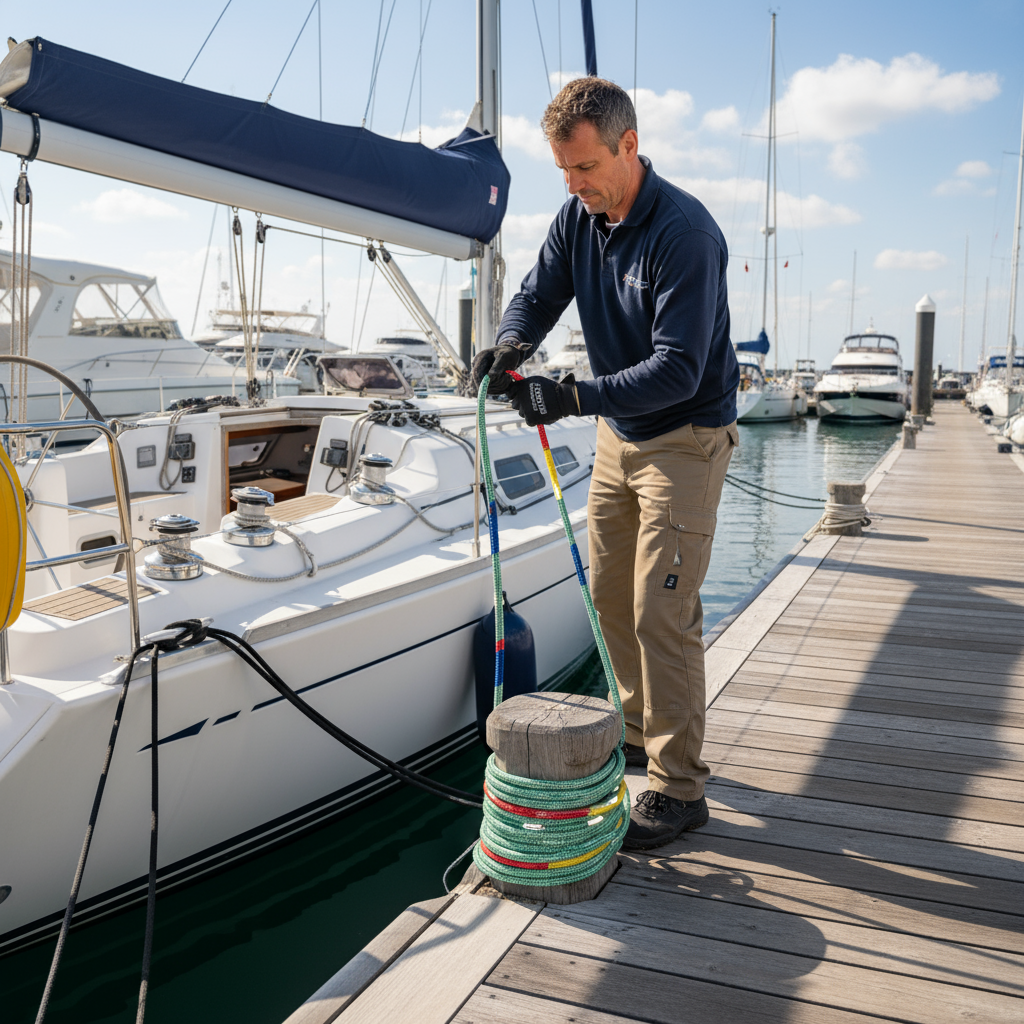
Our specialists begin with the core material – choosing a polyester grade that balances tensile strength with the low‑elongation you expect. For guidance on selecting the optimal polyester grade versus nylon, see our article on choosing the right rope for pulling polyester vs nylon. From there, you decide the diameter and cut‑to‑length that match your load‑limit calculations, while colour options range from high‑visibility safety orange to subtle brand hues. Adding loops, thimbles, or reflective patches is as simple as selecting a module in the online configurator, transforming a standard rope into a recognisable piece of equipment.
OEM/ODM Excellence
Every batch passes ISO 9001 quality checks, ensuring consistent breaking strength and colour fidelity. Our IP‑protection protocol safeguards your proprietary designs, while a dedicated project team guides you from prototype through bulk production, guaranteeing on‑time delivery and cost‑effective pricing.
When you ask, “Is polyester rope stronger than nylon?” the answer lies in the details: the tensile strength can be comparable, but the low stretch of polyester delivers a more predictable line under static loads – a crucial factor for marine rigging or industrial hoisting where safety margins truly matter. Similarly, "Does polyester rope degrade in UV?" is answered resoundingly by its inherent resistance; the fibres maintain performance even after years of sun exposure, unlike many alternatives that become brittle and unreliable.
Industry‑Specific Tailoring
From marine dock lines that meet ABYC standards to lifting slings complying with OSHA requirements, our rope polyester solutions can be engineered to satisfy the exact certifications your sector demands.
If you’re interested in sailing applications, explore why Dacron rope is the best choice for sailing. Because each application has its own safety codes, we offer optional testing reports, flame‑retardant finishes, or marine‑grade coatings as part of the OEM package. The result is a rope that not only carries the load you specify but also carries the confidence of documented compliance. Ready to see how a bespoke polyester rope can streamline your operations? Discover more about custom braided solutions in exploring different types of braided and cotton rope.
Need a Customised Rope Solution?
This article highlights how polyester rope delivers high tensile strength, low elongation and superior UV, abrasion and chemical resistance, making it an ideal choice for marine rigging, industrial lifting, arboricultural lines and other demanding outdoor tasks.
Choosing the right construction—whether a double‑braid, solid braid or a custom 1 polyester rope option—lets you balance performance and budget. Furthermore, iRopes’ rope polyester customisation service enables the addition of colour, reflective elements and accessories to meet specific industry standards. If you’d like personalised guidance on selecting or tailoring the perfect rope for your application, simply fill out the form above and our specialists will reach out.
