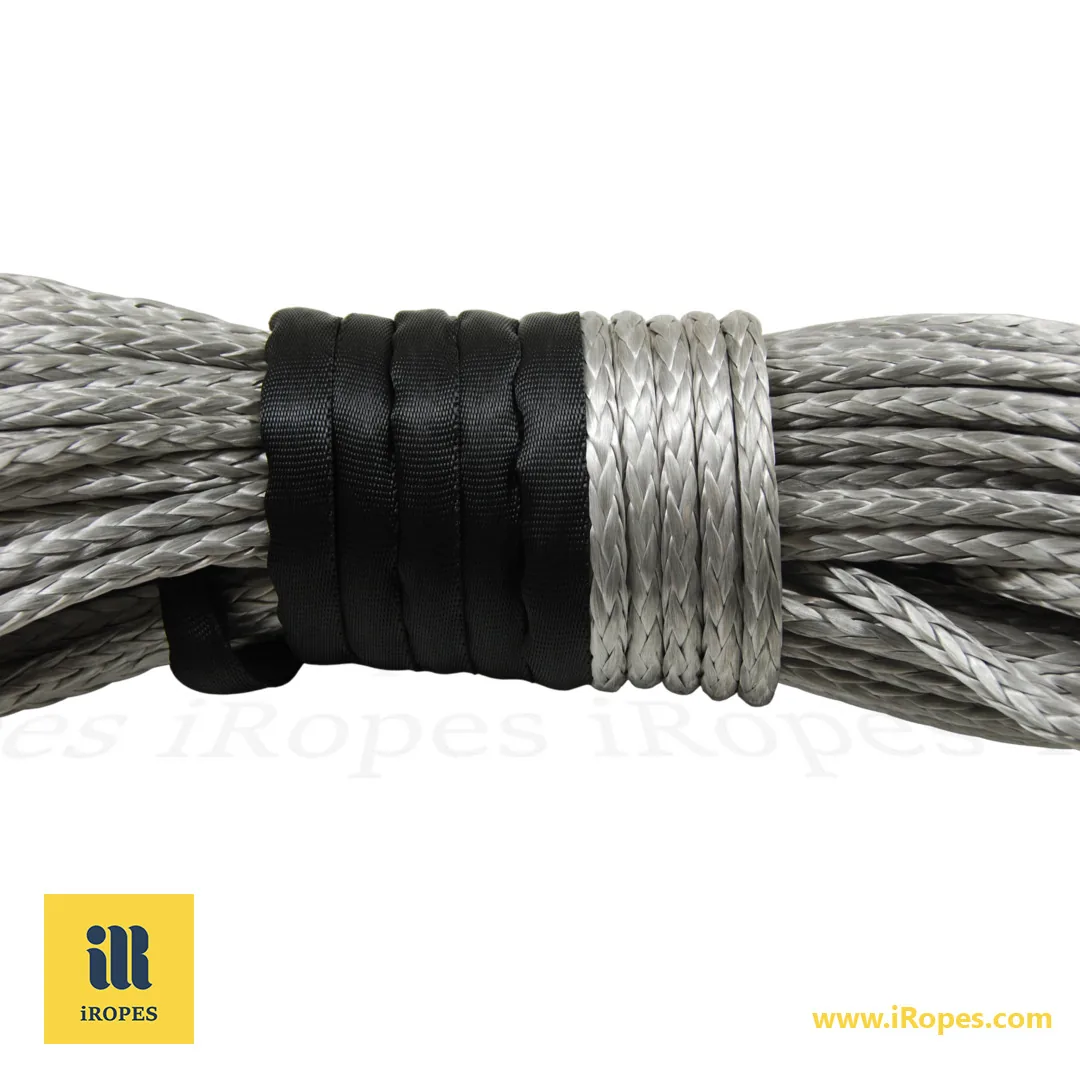
A heavy‑duty kinetic recovery rope can stretch up to 30 % and, in club tests, cut shock load by as much as 45 % versus a traditional snatch strap, helping recover a 5 500 lb 4×4 with smoother force. That means quicker, safer recoveries and less chassis wear.
≈10‑minute read – What you’ll gain
- ✓ Reduce shock load by up to 45 %, extending suspension and chassis life.
- ✓ Pinpoint the perfect rope size using our 1.5×‑weight matrix for safe pulls.
- ✓ Follow a 7‑step safety checklist to prevent rope failure and protect bystanders.
- ✓ Compare price tiers confidently so you only pay for features you actually need.
Most 4×4 owners still reach for a snatch strap, assuming it’s the only safe pull. What they don’t realise is that a 30 %‑stretch kinetic rope can shave up to 45 % of the shock load, keeping your chassis intact and the recovery more controlled. In the sections below you’ll discover the exact sizing maths, the essential safety checks, and the buying tips that turn this elastic‑snatch tool into your off‑road lifeline.
Understanding the Heavy Duty Kinetic Recovery Rope
When you’re stuck in deep mud or sand, the first thing you reach for should be a heavy duty kinetic recovery rope. Unlike a static strap, this rope gives you a controlled, elastic pull that keeps the vehicle’s frame safe while you regain traction.
What is a kinetic recovery rope? In simple terms, it’s an elastic‑snatch rope that can stretch up to 30 % of its original length, store that kinetic energy, and then release it smoothly as you pull. Many designs draw on the U.S. military’s MIL‑R‑24050 specification for durability benchmarks, combining the resilience of a heavy‑duty elastic cord with predictable, energy‑absorbing behaviour. This makes it a reliable companion for any kinetic rope 4x4 adventure and, for many users, it will replace the snatch strap in 4×4 recovery.

The elastic stretch behind the rope is straightforward. As the rope elongates, its fibres absorb the pulling force, converting it into kinetic energy. When the load eases, the rope recoils, delivering a steady, less jarring pull that reduces shock load on suspension, drivetrain, and attachment points.
- 30 % stretch – elongates under load, storing kinetic energy before recoil.
- Elastic‑snatch design – engineered to release pull smoothly, reducing shock.
- MIL‑SPEC heritage – inspired by MIL‑R‑24050 durability benchmarks.
Compared with a traditional snatch strap, the kinetic rope’s elasticity can cut the peak force by nearly half in testing and field reports. A snatch strap may transmit a sudden snap‑back that can crack chassis mounts, whereas the kinetic rope’s gradual energy release keeps the load within a safer envelope. Consequently, many off‑road clubs now list the kinetic rope as the preferred recovery tool for both light‑duty 4×4s and heavy‑duty trucks.
“I swapped my 10 ft snatch strap for a 7/8 inch kinetic rope on a recent sand‑out. The rope’s 30 % stretch absorbed the initial jolt, and I recovered the vehicle without a single bolt loosening.” – an experienced 4×4 enthusiast.
Understanding these core traits—stretch capacity, elastic‑snatch construction, and durability benchmarks—gives you the confidence to select the right rope for your vehicle. Next, you’ll learn how to match material and size to the weight you plan to pull, ensuring the rope you choose works in harmony with your recovery needs.
Choosing the Right Heavy Duty Elastic Cord for 4x4 Recovery
Now that you know how a kinetic rope stores and releases energy, the next step is picking a cord that will survive the pull and match your rig. The material you choose influences durability, UV resistance, and how the rope behaves when it stretches.

Below are the three most common constructions you’ll encounter on the market. Each one balances stretch performance with resistance to the harsh conditions you’ll face on a mud‑out or a desert trek.
- Double‑braid nylon – the workhorse fibre that offers high tensile strength and consistent elasticity.
- Cordura‑coated eyelets – reinforced loops that shrug off cuts, scrapes, and sharp rocks.
- UV‑resistant coating – a thin polymer layer that helps prevent sun‑induced degradation, extending service life.
Choosing the correct diameter, length, and breaking strength isn’t a guessing game; manufacturers publish a matrix that links rope size to the vehicle class it can safely move. For example, a 7/8‑inch cord with a 25‑foot length typically carries a breaking load near 28 600 lb, making it a solid fit for mid‑size 4×4s that weigh between 4 000 lb and 6 000 lb. Smaller ¾‑inch ropes are best for light‑duty 4×4s, while a full‑inch or larger is reserved for heavy‑duty trucks.
Quick Size Guide
¾" – 20 ft – ~19 k lb – Light 4×4 (≤ 4 000 lb)
7/8" – 25 ft – ~28 600 lb – Mid‑size 4×4 (4 000‑6 000 lb)
1" – 30 ft – ~48 k lb – Full‑size trucks (≥ 6 000 lb)
When you line the rope’s specifications up with your vehicle’s weight, the kinetic rope 4x4 system stays inside its safe operating envelope, and the elastic recoil does the heavy lifting without shocking the chassis. A quick rule of thumb is: rope rating ≥ 1.5 × gross vehicle weight. If a 5 500‑lb truck is your daily driver, a 1‑inch braided rope option, 30‑foot cord will give you the margin you need.
Finally, think about the environment you’ll recover in. If you spend most of your time under a scorching sun, prioritise a rope with a UV‑resistant coating. For rocky back‑country routes, Cordura‑coated eyelets become essential. By aligning material choice, size, and intended use, you turn a generic heavy duty elastic cord into a custom‑fit recovery partner that will reliably pull you out of the next sticky situation.
How the Kinetic Rope 4x4 Works: Stretch, Recoil, and Safety
Now that you’ve paired the right rope size with your vehicle, it’s time to see the system in action. Imagine the rope humming as you hook it to a sturdy anchor, the orange strands flexing like a spring under the weight of your 4×4. When you give the pull, the rope stores energy and then releases it smoothly, moving the vehicle forward without a harsh jolt.

The first step is choosing a solid anchor point – ideally a tree trunk protector around a sturdy tree or a rated recovery point on another vehicle. Use rated soft shackles or bow shackles to connect the rope’s eyelets to the recovery points. Avoid tying knots, as they reduce rope strength and can cause failure. When you’re ready, apply a steady pull. As the rope lengthens, it absorbs the surge, and the stored kinetic energy moves the vehicle forward in a controlled manner.
Safety is the backbone of every successful pull. Below is a quick reminder of the essential checks you should run before you even start the haul.
Safety checklist: Verify the anchor can handle the expected load (ideally twice); confirm the rope’s rating is no less than 1.5 × your vehicle’s gross weight; use only rated recovery points (never a tow ball); inspect the rope for frayed fibres or damaged eyelets; wear gloves and protective eyewear; keep bystanders clear of the pull line.
Common mistakes often arise from impatience. Pulling too aggressively can exceed the rope’s rating, turning a smooth recoil into a sudden snap that may damage both rope and vehicle. Likewise, using a weak or unsuitable anchor defeats the purpose of the kinetic design and can cause the rope to part. Finally, neglecting regular inspections means hidden wear can go unnoticed until it fails at the worst moment.
By anchoring properly, using rated shackles, and respecting the gradual pull, you let the kinetic rope do what it was built for: store energy as it stretches, then release that energy in a gentle, forward‑moving force. The result is a recovery that feels almost effortless, keeping the chassis, suspension, and attachment points safe.
With these techniques mastered, you’re ready to evaluate different models, compare prices, and set up a maintenance routine that will keep your rope performing season after season.
Buying Guide, Maintenance, and FAQs
Now that you’ve mastered the safe pull, the next step is choosing a rope that fits your rig, looking after it so it stays reliable, and clearing up the questions that often pop up while you’re shopping.
Buying Checklist
What to verify before you order
Certifications
Look for ISO 9001 quality systems and, where applicable, MIL‑R‑24050 references for durability. For wholesale or branded projects, confirm OEM/ODM capability and IP protection with your manufacturer.
Warranty
A minimum 2‑year warranty shows the manufacturer stands behind the rope’s construction and performance.
Price Tier
Budget models start under $90, mid‑range $90‑$150, premium $150‑$300 – match features and strength to your budget.
Care Routine
How to keep it performing
Clean
Rinse with mild soap after each use, then let dry completely before storage.
Store
Coil loosely in a UV‑protected bag; avoid tight bends or knots that create stress points.
Inspect
Check eyelets and fibres for fraying; replace immediately if any damage is visible.

Quick Tip
Flip the rope end‑for‑end each season to distribute wear evenly and keep the stretch consistent.
- What is a heavy duty kinetic recovery rope?
- An elastic‑snatch rope that can elongate up to 30 % under load, storing kinetic energy and then recoiling to pull a stuck vehicle safely.
- How much does a kinetic rope 4x4 stretch?
- It stretches up to 30 % of its original length, which is enough to absorb the initial surge without shocking the chassis.
- What breaking strength does a 7/8" heavy duty elastic cord provide?
- Roughly 28 600 lb, making it suitable for mid‑size 4×4s that weigh between 4 000 and 6 000 lb.
- How do I size the rope for my vehicle?
- Match the rope’s rating to at least 1.5 × your vehicle’s gross weight; the quick‑size guide above shows the recommended diameter for each weight class.
- Is a kinetic rope safer than a traditional snatch strap?
- Yes – the elastic stretch can reduce shock load by nearly half, protecting suspension and attachment points.
- Can I use a heavy duty kinetic recovery rope for winching?
- It can assist light pulls, but never spool it on a winch drum; use a proper winch line for winching and keep loads within the rope’s rating.
- What accessories should I buy with the rope?
- Rated soft shackles or bow shackles, a tree trunk protector, and a UV‑resistant storage bag are the most useful add‑ons.
- How often should I inspect the rope?
- Before each use, look for frayed fibres, damaged eyelets, or discolouration from UV exposure.
- What price should I expect for a reliable model?
- Budget options sit under $90, mid‑range $90‑$150, and premium units $150‑$300, depending on length and breaking strength.
- Which brands carry ISO 9001 certification?
- iRopes and VEVOR publish ISO 9001 certifications. Always verify current certificates on the product page.
Need a custom solution for your 4x4 recovery?
By now you’ve seen how a heavy duty kinetic recovery rope’s 30 % stretch and recoil can safely replace a traditional snatch strap, how to match a heavy duty elastic cord to your vehicle’s weight, and the essential safety checks to protect both chassis and crew. Armed with the sizing guide, material choices, and maintenance routine, you can choose the right kinetic rope 4x4 for any off‑road challenge.
If you’d like personalised advice on the optimal rope, accessories, or OEM/ODM branding for your fleet, simply fill out the form above – our ISO 9001‑certified specialists are ready to help you design the perfect recovery solution, with custom lengths, colours, packaging, and IP protection available.