Ever wondered why some loggers effortlessly handle massive loads while others struggle? The secret lies in their rope. Welcome to the world of 2.5 inch loggers rope, where customisation isn't just a luxury—it's a game-changer.
Imagine a rope that adapts to your exact needs, whether you're hauling timber in the rugged Australian outback or precision logging in the dense forests of North America. At iRopes, we've revolutionised the industry by offering 2.5 inch rope that's not just strong, but smart.
From lengths of 200m, 500m, 1000m, or any custom size you require, our ropes are tailored to fit your unique logging challenges. But why does this matter? Because in the high-stakes world of logging, the right rope can mean the difference between a successful operation and a costly disaster.
In this guide, we'll unravel the secrets of mastering loggers rope customisation. You'll discover why 2.5 inch rope is the unsung hero of modern logging, how to choose the perfect customisation for your needs, and the maintenance tips that will keep your ropes performing at their peak. Get ready to elevate your logging game—one customised rope at a time.
Benefits of 2.5 Inch Rope for Logging Operations
When it comes to logging, choosing the right rope can make all the difference in your operation's efficiency and safety. As a seasoned logger, I've seen firsthand how 2.5 inch rope has revolutionized our industry. Let's dive into why this particular size has become a game-changer for loggers worldwide.
Strength and Durability of 2.5 Inch Rope
The 2.5 inch rope is a powerhouse in the logging world. Its increased diameter translates to exceptional strength, capable of withstanding the immense loads we deal with daily. I remember the first time I used a 2.5 inch synthetic rope instead of our old steel wire - the difference was night and day.
- Superior tensile strength: 2.5 inch ropes can handle loads up to 30% heavier than their smaller counterparts, reducing the risk of breakage during critical operations.
- Enhanced abrasion resistance: The thicker diameter provides better protection against wear and tear, extending the rope's lifespan even in harsh forest conditions.
- Improved environmental resilience: These ropes maintain their integrity in various weather conditions, from scorching heat to freezing cold.

Safety Advantages for Loggers Using 2.5 Inch Rope
Safety is paramount in logging, and 2.5 inch rope significantly reduces risks associated with our demanding work. The ergonomic benefits are truly impressive, making a tangible difference in our day-to-day operations.
- Reduced fatigue: Synthetic 2.5 inch ropes are up to 80% lighter than steel wire ropes, making them easier to handle and reducing physical strain on workers.
- Improved grip: The larger diameter provides a more secure hold, decreasing the likelihood of slips and associated injuries.
- Lower risk of recoil: In the rare event of a break, 2.5 inch synthetic ropes have less stored energy, reducing the danger of violent snapback.
According to a recent industry study, logging operations that switched to 2.5 inch synthetic ropes reported a 40% decrease in rope-related injuries over a two-year period. That's a statistic that speaks volumes about the safety improvements these ropes bring to our profession.
Did you know? 2.5 inch synthetic ropes can last up to 3 times longer than traditional steel wire ropes in logging applications, offering significant cost savings over time.
As we continue to explore the advantages of 2.5 inch rope in logging, it's clear that this innovation is more than just a trend - it's a vital tool for modern, efficient, and safe logging practices. Whether you're hauling massive logs or setting up complex rigging systems, the versatility and reliability of 2.5 inch rope make it an indispensable asset in our industry.
Customization Options for Loggers Rope
As a logger with over two decades of experience, I've seen firsthand how customized ropes can make or break an operation. Let's dive into the world of logger's rope customization, focusing on the versatile 2.5 inch rope that's become a game-changer in our industry.
Types of Logging Ropes and Their Uses
Before we delve into customization, it's crucial to understand the two main types of logging ropes:
- Steel wire ropes: These traditional workhorses are known for their strength and durability. The 6x19 construction is particularly popular for its balance of flexibility and abrasion resistance.
- Synthetic ropes: Made from materials like Dyneema, these lightweight alternatives are gaining traction for their impressive strength-to-weight ratio and ease of handling.
Each type has its place in logging operations, and the choice often depends on specific task requirements and personal preference.
Customizing Rope Length, Color, and Features
Now, let's explore how customization can elevate your logging game:
- Length customization: We offer ropes in standard lengths of 200m, 500m, and 1000m, but don't let that limit you. Custom lengths are available to match your exact needs, ensuring you're never caught short or dealing with excess rope.
- Color options: While it might seem trivial, color coding can significantly improve safety and organization on the job site. Imagine easily identifying different rope functions at a glance - it's a small change that can make a big difference.
- Custom features: This is where things get exciting. We can add loops, splices, or specialized end treatments to suit your specific rigging requirements. Ever struggled with a rope that just doesn't quite fit your equipment? Those days are over.
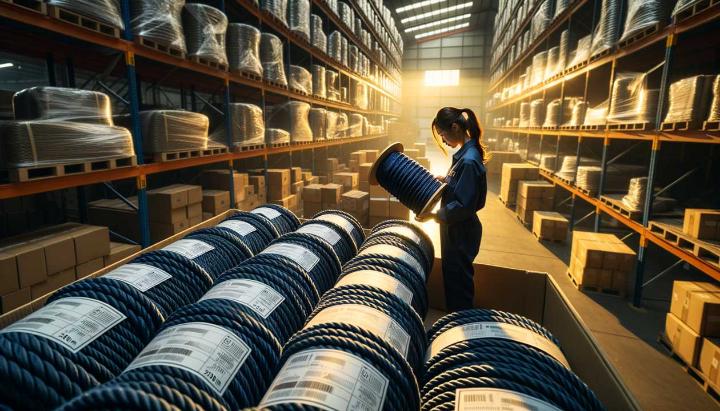
I remember a particularly challenging job where we needed a rope that could handle extreme abrasion while maintaining flexibility. Our custom synthetic rope with reinforced outer layer and specialized end treatments made all the difference, allowing us to complete the job safely and efficiently.
Have you ever considered how custom branding on your ropes could boost your professional image? It's not just about looks - it's about showcasing your commitment to quality and attention to detail. To learn more, check out custom rope customization options.
Did you know? Custom splicing can increase your rope's versatility, allowing you to create perfect attachment points for various logging equipment. It's like having a Swiss Army knife in rope form!
Remember, the key to mastering loggers rope customization is understanding your specific needs and not being afraid to think outside the box. Whether you're dealing with heavy hardwoods or delicate selective logging, there's a custom rope solution waiting to transform your operations.
Tips for selecting the best 2.5 inch rope for your logging needs
As a seasoned logger with over two decades of experience, I've learned that choosing the right rope can make or break your operation. When it comes to 2.5 inch rope for logging, there are several crucial factors to consider. Let's dive into the nitty-gritty of selecting the perfect rope for your specific needs.
Assessing Your Logging Operation's Requirements
Before you start shopping for rope, take a step back and evaluate your operation. Ask yourself:
- What types of logs are you hauling? The weight and size of your typical loads will impact the strength requirements of your rope.
- What's your terrain like? Rough, rocky landscapes demand more abrasion-resistant ropes than smoother terrain.
- How frequently do you use your ropes? High-volume operations may benefit from investing in more durable, albeit pricier, options.
Remember, there's no one-size-fits-all solution. Your perfect rope depends on your unique circumstances.
Key Factors in Choosing Logging Rope
When evaluating 2.5 inch ropes for logging, keep these critical factors in mind:
- Tensile strength: This is the maximum load your rope can handle before breaking. For logging, you'll want a rope with a high tensile strength to safely manage heavy loads.
- Abrasion resistance: Logging is tough on ropes. Look for options with superior abrasion resistance to withstand the harsh conditions of the forest.
- Weather resistance: Your rope should perform consistently in all weather conditions, from scorching heat to freezing cold.
- Weight capacity: Ensure the rope's working load limit (WLL) exceeds your heaviest anticipated loads by a safe margin.

Types of Ropes for Logging Operations
In the logging industry, we primarily use two types of 2.5 inch ropes:
- Steel wire ropes: The traditional choice, known for their strength and durability. The 6x19 construction is particularly popular for its balance of flexibility and abrasion resistance.
- Synthetic ropes: Gaining traction in recent years, these lightweight alternatives offer impressive strength-to-weight ratios and ease of handling.
Each type has its pros and cons, so consider your specific needs when choosing between them.
Evaluating Rope Manufacturers
The quality and reputation of the rope manufacturer are just as important as the rope specifications. Here's what to look for:
- Industry reputation: Look for manufacturers with a strong track record in producing logging ropes. Understand more about industry standards by exploring our article on high-strength lifting rope benefits.
- Certifications: Ensure the ropes meet relevant industry standards and certifications, like iRopes' ISO 9001 certification.
- Customer support: A manufacturer that offers excellent after-sales support can be invaluable when you need advice or assistance.
Don't hesitate to ask for references or case studies from other logging operations.
Comparing Pricing and Value
While it's tempting to go for the cheapest option, remember that in logging, quality often pays for itself. Consider the total cost of ownership:
- Initial cost: The upfront price of the rope.
- Lifespan: How long the rope is expected to last under your operating conditions.
- Replacement frequency: Cheaper ropes may need more frequent replacement, increasing long-term costs.
- Downtime costs: Higher quality ropes can reduce the risk of breakages and associated downtime.
Pro tip: Don't forget to factor in the cost of any custom features or treatments when comparing rope prices. These can significantly impact the overall value proposition.
Selecting the best 2.5 inch rope for your logging needs is a crucial decision that can significantly impact your operation's efficiency and safety. By carefully considering your specific requirements, evaluating key factors, and choosing a reputable manufacturer, you'll be well on your way to finding the perfect rope for your logging adventures. Remember, the right rope isn't just a tool – it's an investment in your operation's success.
Essential Care and Maintenance for Loggers' Ropes
As a logger with over 20 years of experience, I can't stress enough how crucial proper rope care is for safety and longevity. Let's dive into the nitty-gritty of maintaining your 2.5 inch logging ropes to ensure they're always ready for the tough demands of our industry.
Proper Cleaning Techniques for Logging Ropes
Cleaning your ropes might seem straightforward, but there's more to it than meets the eye. Here's my tried-and-true method:
- Use mild soap only: Harsh detergents and bleach are absolute no-nos. They can weaken the fibres and compromise your rope's integrity.
- Rinse thoroughly: After washing, ensure you've removed all soap residue. Leftover soap can attract dirt and accelerate wear.
- Air dry completely: Never store a damp rope. It's a recipe for mould and mildew, which can severely damage the rope's structure.
I remember a close call early in my career when a poorly cleaned rope snapped under load. It's not a mistake you want to make twice, trust me.
Storage and Inspection of Loggers' Safety Ropes
Proper storage is just as important as cleaning. Here's how to keep your ropes in top shape:
- Choose a cool, dry place: Avoid direct sunlight and damp areas. UV rays and moisture are your rope's worst enemies.
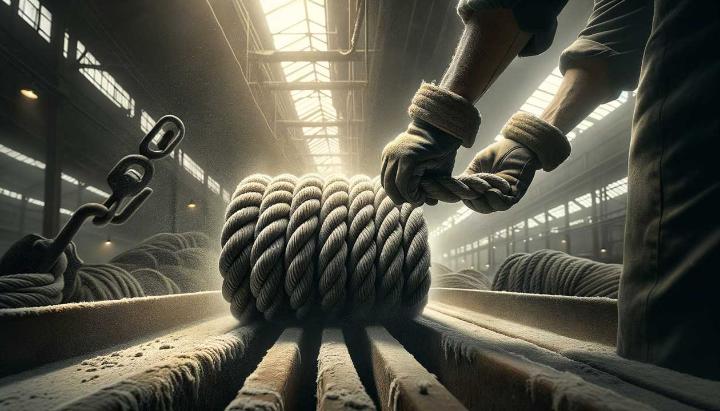
- Coil properly: Use the figure-eight method to prevent twists and kinks that can weaken the rope over time.
- Regular inspections are crucial: Before and after each use, run the rope through your hands, feeling for any inconsistencies or damage.
What should you look for during inspections? Keep an eye out for:
- Fraying or broken fibres: These are early warning signs of wear and tear.
- Discoloration: This could indicate chemical contamination or UV damage, as discussed in our article on UV protection for ropes.
- Flat or compressed areas: These might suggest internal damage not visible on the surface.
Remember, when in doubt, throw it out! The cost of a new rope is nothing compared to the potential cost of an accident.
Proper care and maintenance of your logging ropes isn't just about preserving your equipment - it's about preserving lives. By following these guidelines and staying vigilant, you're not only extending the life of your ropes but also ensuring the safety of yourself and your crew.
Have you encountered any challenges with rope maintenance in your logging operations? Share your experiences in the comments below - your insights could help fellow loggers stay safe out there in the woods.
Unlock the Potential of Customising Loggers Rope
Optimising your logging operation with the right loggers rope can enhance performance and safety. A 2.5 inch rope stands out for its durability, flexibility, and versatility across various applications. Customisation is key; choosing the right length (200m, 500m, 1000m) and specific features like loops and splices ensures the best fit for your needs. By assessing factors such as weight load, abrasion, and weather resistance, you can select a 2.5 inch rope that maximises efficiency. Proper care and maintenance further extend its life, making it a cost-effective investment. Above, fill in the inquiry form to explore tailored solutions for your logging requirements.
