iRopes delivers custom‑engineered rope and cord in 37% less lead time, backed by ISO 9001 quality.
≈2 min read – What you’ll gain
- ✓ Reduce material waste by 22% with precise diameter‑to‑load matching.
- ✓ Slash shipping costs up to 18% via our pallet‑direct export system.
- ✓ Secure your designs – full IP protection from prototype to delivery.
- ✓ Access 12‑plus colour‑code options and glow‑in‑the‑dark trims for brand visibility.
Most businesses still reach for generic rope off the shelf, assuming it’s the cheapest route. However, this often incurs hidden costs in product failure, excess weight, and brand dilution. What if you could engineer a line that precisely matches your exact load, environment, and visual identity, while simultaneously cutting inventory overhead? In the sections below, we reveal how iRopes’ OEM/ODM platform transforms this assumption into measurable performance gains and profit.
Understanding Rope and Cord: Definitions and Key Differences
Building on the overview of market demand, it’s useful to start with the basics: what distinguishes rope from cord, and where does twine fit in? Understanding these distinctions helps you choose the right product for any project, whether you’re rigging a boat or securing cargo for transport.
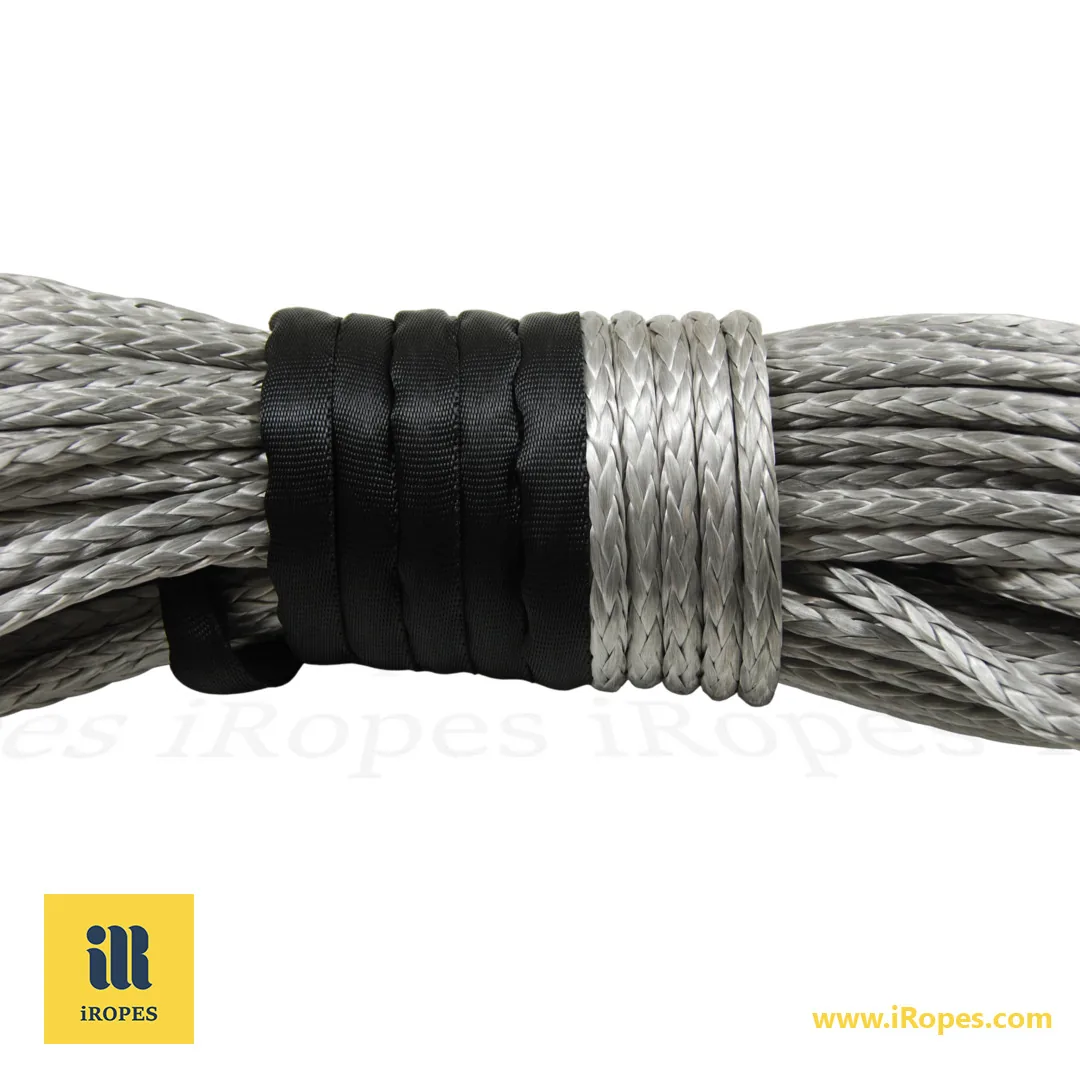
Rope typically ranges from 12 mm to over 100 mm in diameter. It delivers breaking strengths from a few hundred kilograms to several tonnes. Common applications that require such robust dimensions include marine rigging, heavy‑duty lifting, and off‑road recovery. Often, its construction is a solid braid or a double braid, providing high tensile strength and resistance to abrasion.
Cord occupies the middle ground, usually measuring between 4 mm and 12 mm. Its flexibility makes it ideal for various applications, such as paracord in emergency kits, shock‑cord for inflatable gear, or securing lightweight loads. Cord can be twisted or woven into a tight braid, offering a balance of strength and pliability that traditional rope does not always provide.
When you encounter the question “What is the difference between rope, cord, and twine?” the answer hinges on three key factors: diameter, load capacity, and construction method. Twine, the smallest category, often measures under 4 mm. Many biodegradable options are available, making it perfect for crafting, gardening, or agricultural bundling.
- Diameter - Rope is thick, cord is medium, and twine is thin, directly influencing overall strength.
- Load capacity - Rope handles tonnes, cord manages hundreds of kilograms, while twine supports only light loads.
- Construction - Rope often uses solid or double braids; cord may be twisted or tightly woven; twine is typically a simple twisted strand.
Understanding these parameters means you can confidently match the material to the task without over‑engineering or risking failure. For example, a marine dock line benefits from a double‑braided rope with low stretch. In contrast, a portable camping shelter can reliably use a lightweight cord that folds easily into a pocket.

Choosing between these options doesn’t have to be a guessing game. Ask yourself key questions: what weight will the line bear? How much flexibility does the environment demand? Will the material face UV radiation, water, or abrasion?
“Selecting the right rope or cord is the first step toward safety and performance; the wrong choice can compromise an entire operation.”
Armed with these definitions, you’re now ready to explore the specific material families and construction styles that shape cord and twine performance, a topic we’ll dive into next.
Exploring Cord and Twine: Materials, Construction, and Applications
Having clarified the distinctions between rope, cord, and twine, let’s delve into the material families and construction methods. Whether you’re stitching a garden trellis or fitting a marine rig, the choice of fibre and weave significantly impacts the outcome.

Twine sits at the lower end of the diameter spectrum, often appearing as a single thin strand that bends easily. Many growers and hobbyists favour biodegradable options like jute, sisal, or cotton twine for tasks such as bundling seedlings, making gift‑wrap bows, or creating macramé art. These natural fibres break down naturally, leaving no lasting environmental footprint.
As you move up to cord, the material palette widens significantly. Below is a quick snapshot of the most common fibres you’ll encounter when sourcing cord or twine for wholesale projects:
- Nylon – known for high stretch, excellent shock absorption, and good resistance to abrasion.
- Polyester – offers low stretch, superior UV stability, and retains strength effectively when wet.
- Natural fibres (jute, sisal, cotton) – biodegradable, possess a tactile feel, and are ideal for eco‑friendly packaging.
Construction represents the second pillar of performance. A simple twisted (3‑strand) build is cost-effective and easy to splice, making it popular for temporary garden ties. A solid braid weaves the fibres tightly together, delivering smoother handling and higher tensile strength—perfect for load‑bearing applications like a yachting deck line. Double‑braided cord adds an outer protective sheath around a strong core. This combination provides the best of both worlds: a robust core for load‑bearing and a smooth exterior for handling and low friction. Each construction method fundamentally changes how the line behaves under load, its flexibility, and its resistance to wear.
Marine & Industrial Picks
For demanding marine environments, polyester‑based cord is often the top choice because its low stretch and UV resistance keep lines taut even after weeks of sun and salt exposure. In heavy‑duty industrial settings, nylon‑wrapped or double‑braided cords provide the essential shock‑absorbing qualities needed for hoisting or recovery work. Alternatively, a polypropylene core can add buoyancy for floating applications.
So, when considering “what material should I pick for a marine dock line or a factory‑floor hoist?”, it's crucial to think about exposure to UV, water, and the need for stretch. Polyester and nylon each bring a specific strength profile, and pairing them with the right braid style precisely tailors the line to the job at hand.
Understanding these material and construction nuances sets the stage for the next part of our journey: exploring why iRopes stands out as a reliable rope and cord supplier capable of translating these choices into custom‑made products for any industry.
Why Choose iRopes as Your Rope and Cord Suppliers for Wholesale Needs
Building on the earlier discussion of material choices, iRopes distinguishes itself through a comprehensive OEM/ODM platform. This platform efficiently transforms a simple specification into a ready‑to‑ship product line. Whether a client needs a single colour‑coded batch for a seasonal campaign or a multi‑material catalogue for global distribution, our factory is organised to scale from prototype to pallet without compromising lead times.

Quality assurance is firmly anchored by ISO 9001 certification. This certification drives a systematic audit of every production stage, from fibre selection to final packaging. In parallel with certification, iRopes safeguards client innovations through dedicated IP protection, ensuring that proprietary designs remain exclusive to the ordering company.
OEM/ODM Flexibility
Clients submit a brief, and iRopes delivers a complete specification package—including precise material blends, distinct colourways, and custom terminations—within weeks.
ISO 9001 Certified
This certification guarantees repeatable processes, traceable records, and consistent tensile‑strength performance across every batch.
Competitive Bulk Pricing
Volume discounts are structured per metre and material type, allowing wholesale buyers to optimise costs without sacrificing performance.
Global Logistics
Direct pallet shipping to ports, warehouses, or door‑to‑door locations is meticulously coordinated through a network of trusted freight partners.
For businesses seeking a reliable source, the answer to “Where can I buy rope, cord, or twine in bulk or wholesale?” is straightforward: iRopes operates a dedicated B2B portal. This portal lists every product family, from high‑tenacity nylon cord to biodegradable twine, complete with real‑time inventory and export‑ready pricing. The portal also allows buyers to request a custom quote, upload design files, and track order status from production to final delivery.
Minimum order quantities start as low as one pallet, making bulk purchasing flexible for businesses of any size.
Beyond competitive pricing, iRopes also offers flexible packaging options. Choose from plain bulk bags, colour‑coded cartons, or fully branded boxes. This ensures your product arrives ready to sit on a shelf or be re‑branded downstream. Combined with fast turnaround, rigorous quality checks, and the assurance that every line meets the same ISO‑backed standards, iRopes stands out as a premier rope and cord supplier for wholesale partners worldwide.
With these supplier advantages now clear, the next step is to explore how iRopes translates these extensive capabilities into industry‑specific custom solutions.
Customization & Quality Assurance: Tailored Solutions for Every Industry
Having explored why iRopes is a trusted rope and cord supplier, the next logical step is to see how our customisation options transform those capabilities into a product that perfectly fits your exact job requirements.

Customisation
Design every parameter
Material
Select from nylon, polyester, polypropylene, or various natural fibres (custom solid‑braid nylon and polyester cord solutions) based on required strength, UV resistance, or biodegradability.
Size
Specify the exact diameter and length needed to match load requirements and storage constraints perfectly.
Visibility
Incorporate colour codes, reflective strips, or glow‑in‑the‑dark threads to enhance safety and reinforce brand identity.
Industries
Proven performance
Off‑road
Our heavy‑duty recovery lines are engineered to resist abrasion on challenging mud, sand, and rocky terrains.
Yachting
Low‑stretch polyester decks are designed to maintain optimal tension even after prolonged exposure to sun and salt water (learn more about the best marine mooring rope).
Defence
Aramid‑woven cords provide exceptionally high tensile strength combined with heat resistance for critical tactical gear (explore double‑braid nylon dock line solutions).
Choosing the Right Line
Carefully match the material, construction, and environment to avoid over‑or under‑specifying your rope, ensuring optimal performance.
Our ISO‑backed quality‑assurance process meticulously checks tensile strength, elongation, and abrasion resistance at every production stage. This ensures you receive a line that consistently meets the promised performance standards. When selecting the right rope and cord for your project, begin by answering three simple questions: What load will it bear? What environmental conditions (UV, water, chemicals) will it face? And does it require visibility features such as reflective or glow‑in‑the‑dark elements?
If you need cord and twine for a lightweight garden tie, the same custom workflow applies. You simply choose a thinner diameter, a biodegradable fibre, and any specific colour coding that helps you organise bundles. Once the specifications are locked in, our robust global logistics network ships pallets directly to your warehouse. Lead times are clearly outlined in your quote, and packaging options range from plain bulk bags to fully branded cartons.
With these comprehensive capabilities, you’re equipped to order precisely the line your operation requires and receive it on schedule. This enables you to boost safety and efficiency across any sector.
Ready for a custom rope solution?
From the clear definitions of rope, cord, and twine to a deep dive on material choices, you now understand how iRopes’s advanced weaving methods—including solid braid, double‑braid, and specialised parallel cores—produce high‑strength, low‑stretch lines for diverse applications such as marine, off‑road, yachting, and defence. As a leading rope and cord supplier, iRopes combines ISO 9001‑backed quality, full OEM/ODM customisation, and worldwide logistics to deliver the perfect line for any load, environment, and branding requirement.
If you’d like personalised guidance to select or design the ideal product, simply fill out the form above, and our experts will get in touch promptly.