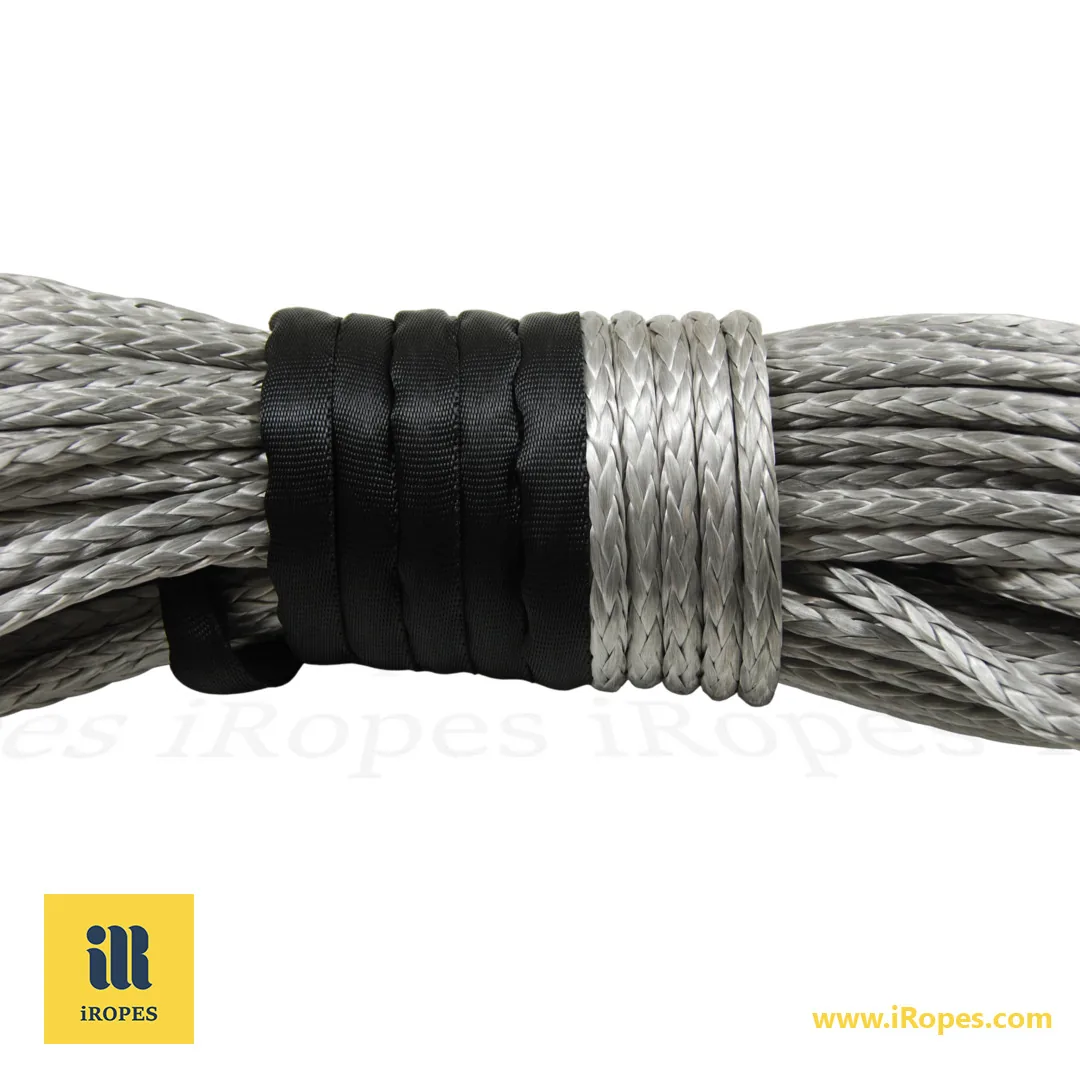
iRopes’ UHMWPE synthetic rope delivers up to 12× the tensile strength of steel wire per kilogram and cuts snap‑back injury risk by 95%.
≈2‑minute read: Why synthetic rope outperforms steel wire
- ✓ Weight reduction – up to 90% lighter, letting one operator handle a winch line solo.
- ✓ Safety boost – eliminates recoil; failure releases % of kinetic energy versus steel.
- ✓ Durability uplift – UV, chemical and corrosion resistance adds 30‑40% longer service life.
- ✓ Cost efficiency – lower maintenance and 20% fewer replacements lower total ownership over 5 years.
Most engineers still assume the heaviest steel cable must be the toughest choice for demanding lifts. Yet, physics tells a different story. By swapping to iRopes’ UHMWPE ‘synthetic wire’, you can lift the same load with a rope that’s a tenth of the weight. This change delivers a 12‑times strength‑to‑weight ratio and removes the dangerous snap‑back that plagues steel. Discover how this counter‑intuitive upgrade reshapes safety, efficiency and cost for your operation.
Understanding synthetic ropes: iRopes’ UHMWPE solution and industry shift
Compare the heft of a steel cable with the feather‑light feel of a modern fibre, and the difference is striking. This shift is why many demanding sectors now reach for synthetic ropes, which deliver strength without the bulk. iRopes’ ultra‑high‑molecular‑weight polyethylene (UHMWPE) rope exemplifies this change, offering a blend of durability and performance that traditional wire simply can’t match.

So, what exactly makes a rope “synthetic”? In simple terms, it’s a bundle of engineered polymer fibres—like UHMWPE—rather than metal strands. The material’s key properties include:
- Exceptional tensile strength – UHMWPE is up to eight times stronger than steel of the same weight.
- Low stretch – Typically 3‑4% elongation, which keeps loads steady under dynamic conditions.
- Buoyancy – A specific gravity below 1 means the rope floats, a vital safety feature for marine work.
- Chemical resistance – Unaffected by most acids, salts and oils, which reduces corrosion concerns.
- UV stability – Built‑in protection keeps performance consistent even after prolonged sunlight exposure.
The story of these fibres begins with natural ropes—hemp, sisal and manila—that once dominated every dock and construction site. As industries demanded higher load capacities and lighter handling, engineers turned to synthetic polymers in the late 20th century. Each generation—first nylon, then polyester, and finally UHMWPE—added a new layer of performance. This culminated in the “synthetic wire” concept, mirroring steel’s strength while shedding its weight.
iRopes has been at the forefront of this evolution. Their state‑of‑the‑art production lines spin UHMWPE filaments under precise temperature controls, then braid or twist them to exact specifications. Every batch passes through ISO‑9001‑certified quality checks, ensuring the rope you receive meets rigorous tensile and abrasion standards before it leaves the factory.
“Switching from steel to UHMWPE rope reduced our winch load‑handling time by 30% and eliminated snap‑back injuries on site.” – A senior recovery‑team manager.
Imagine preparing a recovery operation in the outback: the lighter rope lets one person load the winch, while its high strength prevents rope failure under sudden tension. This practical advantage highlights why the industry is rapidly shifting toward synthetic alternatives.
With this foundation, you can now see how “synthetic wire” isn’t just a buzzword. It’s the next logical step for any application that once relied on heavy steel cable.
Why synthetic wire is the modern replacement for traditional steel cable
Having established that synthetic wire is more than a buzzword, let’s look at why it outperforms the old‑school steel cable you might still be reaching for on‑site.
In the industry, “synthetic wire” simply describes a high‑performance UHMWPE rope engineered to behave like a wire. It carries the same loads, can be spliced in the field, and fits existing winch or pulley hardware. The key difference is that the fibre core is dramatically lighter; thus, the whole system feels almost weightless compared with a steel counterpart.
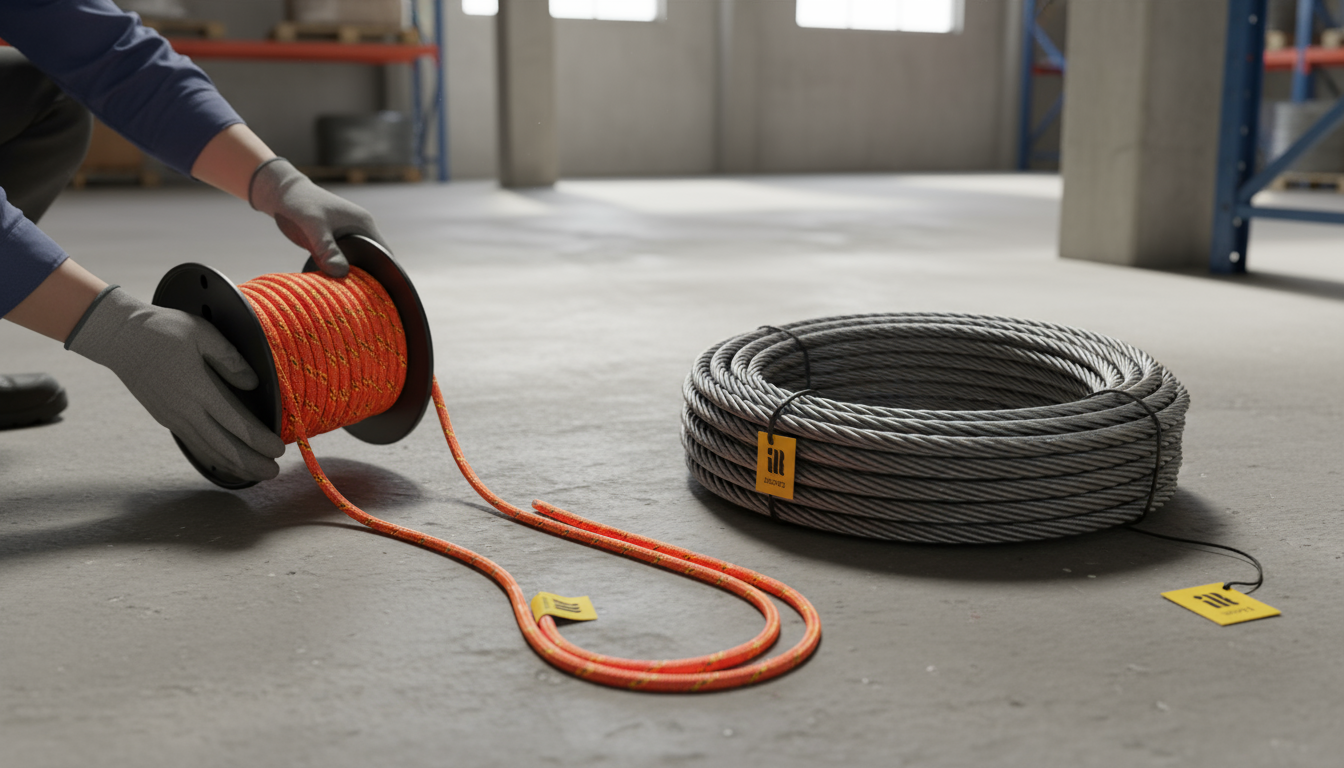
When you compare the numbers, the picture becomes crystal clear. A strand of synthetic wire can deliver 8‑15 times the strength of steel per kilogram, meaning you can lift or tow the same load with a rope that is a tenth of the weight. This reduction in mass does more than ease handling. It also eliminates the dangerous snap‑back effect that can turn a broken steel cable into a high‑velocity projectile.
- Strength‑to‑weight – far higher load capacity for a fraction of the mass.
- Safety – no snap‑back recoil, reducing injury risk during sudden failure.
- Corrosion‑free – resistant to rust, chemicals and UV, so maintenance drops dramatically.
Those three points answer a common question you’ll find in the “People also ask” box: What is the difference between wire rope and synthetic rope? The answer boils down to weight, safety and durability. Synthetic wire checks every box while steel rope struggles with each.
Custom OEM/ODM
iRopes turns the generic advantages of synthetic wire into a precise fit for your operation. Choose exact diameter, length, colour, and termination style; add reflective strips or chafe‑protective sleeves. Our ISO‑9001‑certified line produces a rope that slides into your existing hardware while meeting your industry‑specific standards.
Imagine swapping a 12 mm steel cable for a custom‑cut UHMWPE line on a recovery winch. The load capacity stays identical, the crew can lift the rope with one hand, and the whole system stays cool even after repeated use. That is the practical power of synthetic wire.
With the material edge firmly established, the next step is to decide how you want the fibres arranged; twisted ropes or braided alternatives each bring their own performance nuances.
Twisted ropes vs. braided ropes: choosing the right construction for performance
After exploring how synthetic wire can replace a steel cable, the next decision is how those high‑strength fibres are arranged. The construction you pick—whether a three‑strand twist or a tight braid—directly influences handling, durability and the way you splice the line on‑site.

Twisted ropes are built by intertwining three or more individual strands in a helical pattern. This layout gives the line a natural give, which makes it forgiving when sudden loads occur—an advantage in off‑road recovery where shock absorption matters. Because each strand can be accessed separately, field splicing is straightforward: you simply unlay the twist, interweave the new section and retwist. Typical applications include winch lines for vehicle extraction, temporary rigging on construction sites, and any scenario where a quick splice saves time.
Braided ropes, by contrast, fuse fibres into a compact, interlaced sheath that often follows a solid, diamond or hollow pattern. The braid distributes load across many points, delivering a higher tensile capacity for the same diameter and a smoother surface that slides easily over pulleys. These characteristics shine in marine environments—think mooring lines or sailing sheets—where low stretch and resistance to chafe are critical. Common configurations such as a solid braid or a double‑braid kernmantle combine a strong core with a protective outer layer, extending service life in abrasive or UV‑intense conditions.
When users ask, “What is the difference between braided rope and twisted rope?” the answer hinges on three factors: strength distribution, flexibility and splicing ease. Braided ropes offer superior strength‑to‑weight ratios and a cleaner run over equipment. However, they are harder to splice in the field. Twisted ropes provide easier splicing and a softer feel under load, yet they may kink and present slightly lower strength for an identical diameter.
Choosing the right construction depends on three practical criteria. First, assess the load profile—if you regularly haul heavy loads at high speed, a braid’s even load spread is preferable. Second, evaluate flexibility needs; tasks that require the rope to bend around tight corners benefit from the natural give of twisted ropes. Third, consider splicing requirements—if your operation demands frequent on‑site repairs, the simple splice of a twisted rope can reduce downtime.
Tip: For lifting applications where consistent elongation matters, a solid braid often outperforms a three‑strand twist, while recovery rigs that need quick field splices usually favour twisted ropes.
Advantages of iRopes synthetic ropes over traditional wire rope across key industries
Having explored how twisted and braided constructions affect performance, the next logical step is to see how those designs translate into real‑world gains when you replace a steel cable with a high‑grade synthetic rope.

When a load‑bearing line is dramatically lighter, the entire system becomes easier to manoeuvre. A crew member can lift, position or spool the rope with one hand. Furthermore, the reduced mass means far less kinetic energy is released if the line fails—effectively eliminating the dangerous snap‑back effect that makes steel cable a hazard. The same material also resists ultraviolet radiation, salty sea spray and most industrial chemicals, so it stays strong even after years of exposure.
Key Advantages
Why synthetic ropes excel
Weight
Reduces crew effort and eliminates snap‑back recoil, improving safety on‑site.
Durability
Resists UV, chemicals and corrosion, extending service life even in harsh environments.
Cost
Lower maintenance and longer lifespan cut total ownership expenses over years.
Industry Impact
Real‑world applications
Off‑road
Lighter winch lines let a single operator handle recovery rigs safely and quickly.
Yachting
Floating rope resists saltwater corrosion, perfect for mooring and sailing sheets.
Heavy‑lifting
Reduced mass lessens crane inertia, enabling smoother lifts and less wear on equipment.
Safety First
Synthetic ropes cut snap‑back risk and simplify handling for every industry, from off‑road recovery to heavy‑duty lifting.
When you combine these material benefits with iRopes’ OEM/ODM expertise—custom diameters, colour‑coded terminations or reflective inserts—the result is a rope that not only outperforms traditional wire but also fits seamlessly into the specific workflow of each sector. The next discussion will look at how emerging fibre technologies are shaping the future of rope design.
For detailed guidance on rope splicing techniques, see our article on understanding different types of rope splicing techniques.
Get a personalised UHMWPE rope solution
iRopes’ synthetic UHMWPE rope, a leading example of synthetic ropes, delivers eight‑times‑steel strength with feather‑light weight, buoyancy and exceptional UV, chemical and corrosion resistance—perfect for off‑road recovery, yachting, heavy‑lifting and other high‑demand applications. Our full OEM/ODM service lets you specify diameter, colour, terminations and reflective details, giving you a rope that fits your workflow while removing the snap‑back risk of traditional wire rope.
Choosing the right construction, whether twisted ropes for easy field splicing or a braid for maximum load distribution, maximises performance. Moreover, the high‑performance synthetic wire ensures consistent elongation and long‑term cost savings. Ready to discuss a custom solution?
For personalised assistance, simply fill out the form above and our rope specialists will help you select the ideal product for your needs.