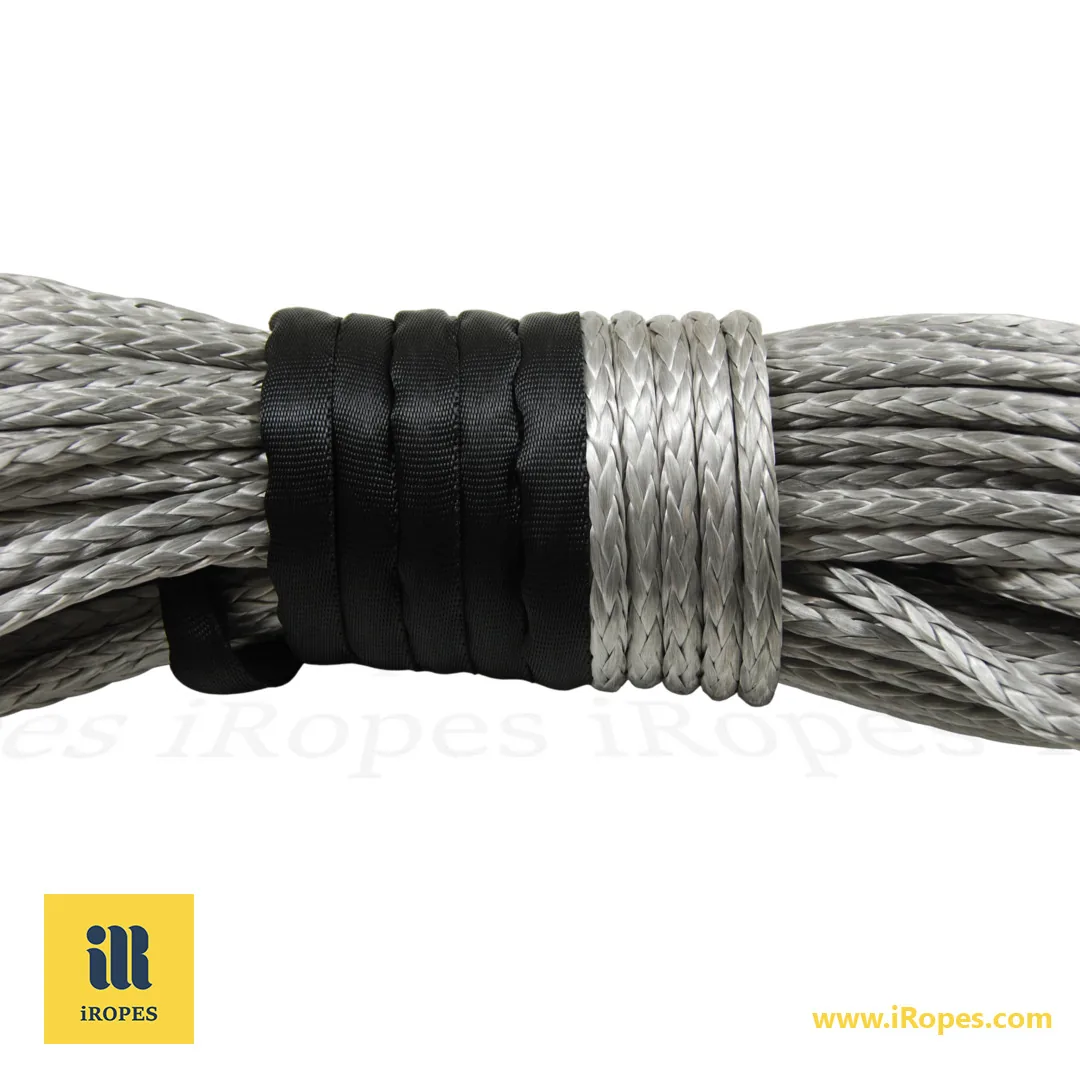
Retain 90‑100 % with a brummel splice and ≈ 95 % with a straight splice on iRopes’ ISO 9001‑certified ropes — knots typically cut strength to about 50 %.
Unlock these gains in minutes
- ✓ Keep 90‑100 % with a brummel splice and ≈ 95 % with a straight splice — a knot typically cuts strength to about 50 %.
- ✓ Match fibre type (UHMWPE, Technora™, Kevlar™) to spliceability to improve results and reduce waste.
- ✓ Use the 20 × diameter rule and a 0.9‑1.2 × fid size to speed preparation and improve consistency.
- ✓ Leverage iRopes’ OEM/ODM custom design, timely delivery, and dedicated IP protection.
Most riggers still rely on standard knots, assuming they’re quick enough, yet those knots can cut strength by about 50 %. What if you could keep 90‑100 % of the breaking strength by mastering the brummel splice around ring and the straight splice on a rope built for splicing? In the sections below, we’ll outline the fibre choices, core constructions, and step‑by‑step techniques that turn every joint into a near‑perfect bond.
Rope Making Process: From Fibres to Finished Splicable Rope
Before you reach the point of tying a brummel splice around ring or a straight splice, the rope you start with must already be built to cooperate with the splice. Understanding the rope making process helps you choose a line that will keep at least 90 % of its rated load after you finish. In practice, the material, the way the strands are gathered around a core, and the final coating all decide how easily the rope will accept a splice and how strong the splice will remain.

When you look at the raw fibres, each polymer brings its own splice personality. UHMWPE (often known by the trade name Dyneema) offers outstanding strength with very low stretch, yet its slick surface demands precise tapers and longer buries. Technora™ and Vectran™ provide excellent heat resistance and low creep with good spliceability in suitable constructions. Kevlar™ offers high heat resistance; spliceability is moderate and benefits from careful preparation. For general‑purpose lines, polyester and polyamide (nylon) remain dependable choices with predictable handling and robust splicing methods.
UHMWPE
Ultra‑light with exceptional tensile strength and minimal stretch; its slick surface requires precise tapering and an adequate bury length.
Kevlar
Heat‑resistant fibre; spliceability depends on rope construction and correct strand alignment. Follow recommended procedures for best results.
Solid core
Provides a defined load path. However, splice compatibility depends on the braid and core design; always match the splice to the construction.
Parallel core
Lets strands lie flat, which can simplify end‑to‑end interweaves when the method mirrors the original lay and manufacturer guidance.
Beyond the core, the way the rope is finished decides whether you’ll need extra time to taper or whether the splice will sit flush against a shackle. Coatings range from abrasion‑resistant polyurethane to water‑repellent finishes, while UV‑stabilised systems improve resistance to sunlight. iRopes operates an ISO 9001‑certified quality management system with batch testing, so the tensile properties you read on the data sheet match the rope you actually handle. This commitment to quality helps a brummel splice around ring deliver near‑full strength when executed correctly. Learn more about the performance of UHMWPE and Vectran yarns in our article Discover the Strength of UHMWPE Yarn and Vectran Yarn.
Coatings & Quality
Protective coats such such as abrasion‑resistant polyurethane, UV‑stabilised finishes and water‑repellent treatments extend service life and help prevent fibre damage. Manufactured under an ISO 9001‑certified quality system, iRopes performs batch testing to ensure tensile properties match the data sheet before shipment.
With a clear view of fibre choice, core construction and coating quality, you can now move confidently to the next step: applying a reliable brummel splice around ring or a straight splice, knowing the rope you selected is built to give you the performance you expect.
Brummel Splice Around Ring: Step‑by‑Step Guide
Having seen how fibre choice and core construction affect spliceability, you’re ready to turn theory into a reliable brummel splice around ring. The following tools and steps will let you finish the eye without sacrificing performance.
- Fid – size about 0.9 × rope diameter for opening a clean tunnel.
- Splicing needle – helps guide the tail through tight spaces.
- Sharp knife – makes a clean cut to prevent fraying.
- Marker – marks the working length (usually 20‑30 × diameter).
- Whipping twine – secures the finished splice and prevents untwisting.
For deeper insight into selecting the right equipment for braided ropes, see our guide on using splicing tools for braided rope solutions.
Measure and mark the rope first; a working length of 20‑30 times the rope’s diameter gives you enough slack to work comfortably. For larger lines, many riggers step up to 30‑40 × for a smoother taper.
- Mark the rope at the required length and cut a clean tail.
- Insert the fid and pull a short tunnel through the standing part.
- Thread the eye of the rope through the ring, then slide the ring into the tunnel.
- Pull the tail back through the tunnel, creating the characteristic crossover (the mobius lock).
- Trim excess tail, then taper the splice by gradually reducing fibres for a smooth transition.
- Secure the end with whipping twine and give a final visual inspection.
A correctly executed brummel splice around ring typically retains 90‑100 % of the rope’s breaking strain, making it far stronger than a comparable knot. To verify the result, load the splice to roughly one‑third of the rope’s rated capacity and watch for any slip before putting it into service.

Now that the brummel splice is under control, you can compare its end‑to‑end flow with the straight splice method, which follows a similar preparation routine but interweaves the strands directly.
Straight Splice: End‑to‑End Splicing Method
Having just walked through the brummel splice around ring, the next logical step is the straight splice — the end‑to‑end method that lets two rope ends become one continuous line without an eye.
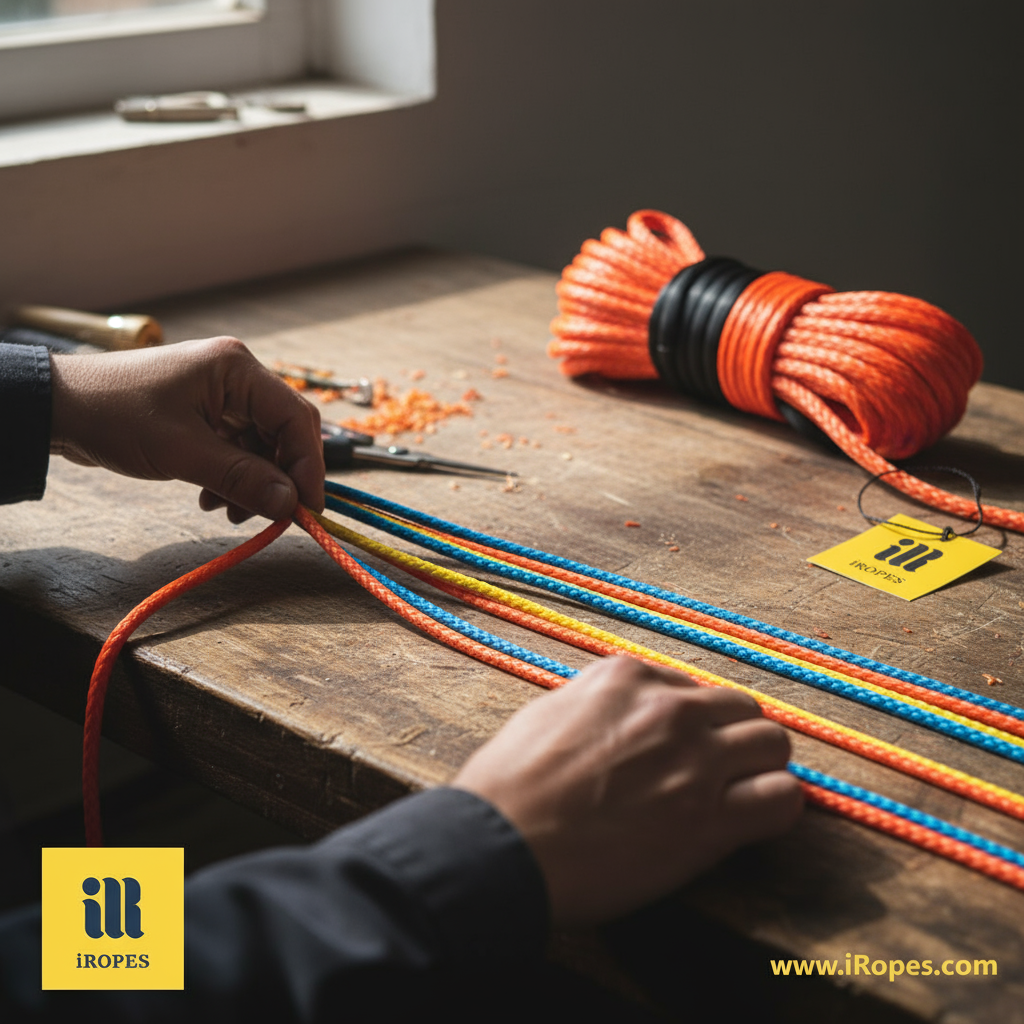
The first task is to unlay the strands of each rope end and line them up by colour and diameter. Depending on the rope construction (for example, parallel‑core or three‑strand), careful separation gives you a tidy layout to work with.
Next, replicate the original braid by threading each strand of one end through the opposite bundle in a pattern that mirrors the factory twist. This interweaving restores the rope’s geometry and is the reason the straight splice can keep roughly 95 % of the line’s breaking strength.
Once the interweave is complete, taper the overlapping section by gradually reducing fibres, then roll the splice with light, even pressure to set the fibres. The final inspection checklist below helps you confirm that the splice meets the ≥ 95 % strength target.
Splice Construction
Core steps for a strong straight splice
Unlay & Align
Separate strands, match colours and diameters to recreate the original braid geometry.
Interweave
Weave each strand through the opposite bundle, mirroring the factory lay to preserve strength.
Taper & Roll
Reduce fibres gradually, then roll the splice to set the fibres and smooth the transition.
Inspection Checklist
Final checks before loading
Strand Tension
All strands should be uniformly tight; uneven tension can drop strength below 70 %.
Taper Angle
Keep the taper ≤ 30° to avoid stress concentrations.
Secure End
Finish with a tight whipping or seizing to prevent unravelling under load.
When executed correctly, a straight splice holds about 95 % of the rope’s original breaking strength, making it a reliable alternative to the brummel splice around ring for continuous lines.
Strength, Safety & Common Issues
Now that you have the brummel splice around ring and the straight splice under your belt, the next step is to make sure every joint you finish lives up to its promised strength. Even a well‑executed splice can lose performance if a small detail is missed, so a quick safety audit before you load the line can save costly downtime.

Here are the three most common mistakes that drag strength below the 70 % threshold:
Insufficient taper. Pulling the strands together too sharply creates a stress concentration that acts like a hidden knot. Aim for a smooth, gradual taper no steeper than 30°.
Uneven crossover is the second culprit — if the strands cross at different heights, the load shifts to the weaker side and the splice can fail early. A quick visual check is to line a straight edge along the crossover; the fibres should sit on the same plane.
Finally, many users forget to bury the tail completely. Even a few millimetres of exposed fibre can act as a lever, reducing the joint to less than three‑quarters of the rope’s rating. After you finish the whipping, roll the splice gently with a hand‑roller until the tail disappears beneath the surrounding strands.
Quick‑Reference Checklist
Measure 20‑30 × diameter, use a fid sized 0.9‑1.2 × diameter, lubricate UHMWPE if needed, verify taper ≤ 30°, ensure crossover is level, bury tail, finish with tight whipping.
Answering a few of the questions you might be wondering about:
- Can I splice Dyneema? Yes — but handle it carefully. Use a slightly larger fid (about 1.2 × diameter), consider a small amount of lubricant, and take extra time on the taper to avoid fibre damage.
- How much rope is needed for a splice? The safe rule of thumb is 20‑30 times the rope’s diameter; this gives you room for marking, unlaying, and a clean finish.
- What are the 4 types of rope splicing? The main families are eye splice (including brummel around a ring), ring/eye splice with a thimble, back splice that creates a sealed end, and straight splice that joins two ends end‑to‑end.
When you run a quick load test — pull the splice to roughly one‑third of the rope’s rated capacity for a few minutes — you’ll see whether any slippage occurs. If the joint holds steady, you’re ready to trust it in the field.
Keeping these checks in mind will let you move from a good splice to a great splice, preserving the full performance that iRopes’ engineered fibres promise.
Need personalised guidance for your next rope project?
You've seen how the rope making process, from fibre selection to ISO 9001 quality assurance, underpins both the brummel splice around ring and the straight splice, delivering up to 100 % of rated strength in the best cases. As a leading rope maker in China, iRopes focuses on strong synthetic fibres — UHMWPE, Technora™, Kevlar™, Vectran™, polyamide and polyester — with many coating options that showcase the great quality of “Made in China”. Whether you need custom diameters, colour‑coded strands, specialised accessories or OEM/ODM support with IP protection, we tailor splicable ropes to your exact specifications and ship worldwide. For deeper expertise on splice techniques, read our comprehensive piece on mastering brummel splice and straight splice techniques.
For a one‑to‑one consultation on the ideal splice solution for your application, simply complete the form above and our experts will get back to you promptly.