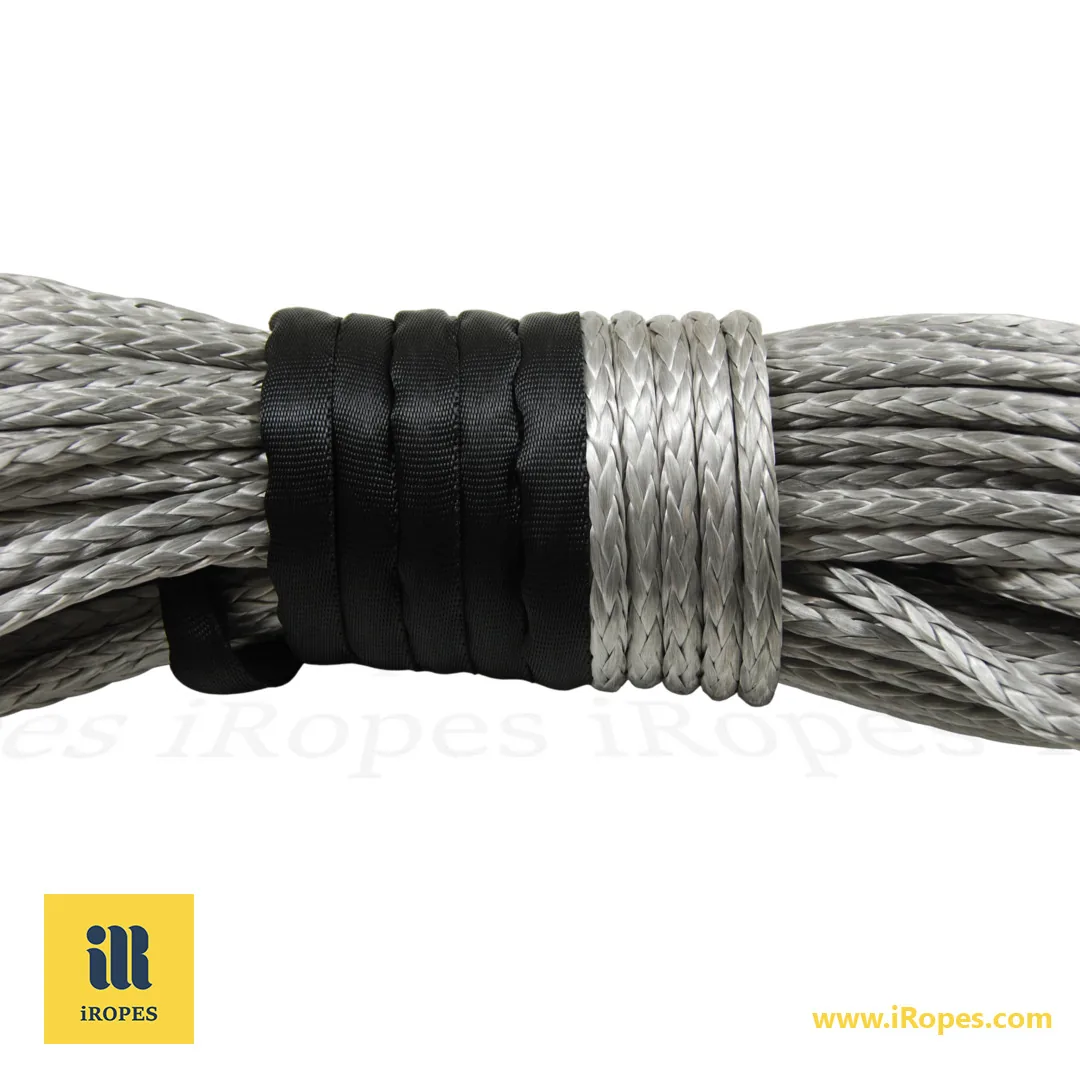
iRopes’ 600 ft double‑braid anchor lines are engineered to withstand dynamic shock loading and help keep your vessel steady, even in rough waters.
What you’ll gain – ≈ 6 min read
- ✓ Reduce hull strain with double‑braid construction that spreads load.
- ✓ Size and deploy scope correctly using the 7:1–10:1 rule.
- ✓ Cut handling weight by selecting the right diameter and construction.
- ✓ ISO 9001‑backed quality systems ensure consistent manufacturing.
Many skippers start with a 500 ft rode. However, carrying a 600 ft anchor line gives you more scope options and a stronger safety margin when conditions change. A sudden gust that might overload a short rode is better managed when you have the extra length and the resilience of double braid to absorb shock. In the sections that follow, we unpack the calculations, material choices, and custom‑fit options that turn this into daily peace of mind.
600 ft anchor line
After exploring why reliable ropes are the backbone of marine safety, here’s how a 600 ft anchor line helps keep a vessel steady when the sea gets rough.
Understanding the 600 ft anchor line: scope ratios and depth calculations
The length you choose directly influences the scope – the ratio of line length to water depth. A common practice is to aim for a 7:1 ratio in calm conditions and up to 10:1 when wind or current intensifies. For example, anchoring in 30 ft of water would require a line between 210 ft and 300 ft; carrying 600 ft gives you headroom for deeper or more exposed anchorages.

Double braid construction’s ability to absorb dynamic shock loading
When a wave slams the hull, the sudden pull is dynamic shock loading. Double‑braid construction distributes that force across two tightly woven layers, reducing peak stress and helping the boat settle rather than surge.
How long should an anchor line be?
Start with the 7:1–10:1 rule, then factor in seabed type, vessel displacement, and the forecast. Firm sand often holds well, while rock, weed, or soft mud can require extra scope to maintain holding power. Heavier boats also benefit from longer lines that keep the angle of pull low.
- Scope ratio - 7:1 for calm, up to 10:1 for heavy conditions.
- Bottom composition - Firm sand holds well; soft mud, rock, or kelp often require additional scope.
- Vessel size - Larger boats benefit from longer lines to reduce the angle of pull.
When is polypropylene suitable versus nylon?
Polypropylene is light, floats, and resists rot, which suits smaller craft or situations where you want the line to stay clear of propellers. Nylon offers greater stretch, translating to better shock absorption for heavier displacement vessels and rougher conditions. Because polypropylene’s UV resistance depends on stabilisers, choose UV‑stabilised options for prolonged sun exposure. In short, pick floatation and low weight (polypropylene) or elasticity and higher energy absorption (nylon) based on your operation.
“A well‑chosen 600 ft anchor line gives you the margin to adapt to changing conditions without sacrificing manoeuvrability.”
Now that length, construction, and material are clear, it’s easy to see why a customised polypropylene line is a smart next step for diverse marine tasks.
polypropylene line
Building on anchor‑line fundamentals, here’s why a high‑performance polypropylene line is a go‑to for many marine and industrial jobs. Its low density and strong strength‑to‑weight ratio let you carry longer lengths without the bulk that slows a windlass or adds unnecessary deck weight.
One frequent question is, “Is polypropylene rope strong?” Yes. Strength scales with diameter and construction, and modern polypropylene delivers a favourable strength‑to‑weight ratio compared with heavier synthetics. In 3‑strand, hollow‑braid, or double‑braid configurations, the line handles abrasion well for its weight and floats on water, which helps visibility and retrieval.
Is polypropylene suitable for anchor rope? It excels where floatation matters: a line that stays near the surface reduces the risk of fouling propellers and makes retrieval after short anchoring stints quicker. However, it lacks the high elongation of nylon, which absorbs shock better on heavy‑displacement vessels. For small to medium craft that prioritise handling ease and budget, a UV‑stabilised polypropylene line can be a dependable choice when correctly sized and used.

When choosing between polypropylene and nylon for anchor applications, weigh three factors: elasticity, cost, and exposure. Nylon’s stretch provides superior shock absorption during sudden gusts, but it sinks, which can be a drawback in shallow or debris‑laden waters. Polypropylene can be UV‑stabilised for sun exposure, and its buoyancy removes the need for separate floats. For budget‑sensitive projects where vessel loads are modest, polypropylene can win on price while remaining fit for purpose.
Tailored to Your Vessel
iRopes engineers each polypropylene line by selecting the exact diameter, braid pattern, and core type to match a boat’s displacement and intended load. Our specialists run a quick load‑calculation worksheet, then recommend a strand count that delivers the required strength while keeping the line light and easy to handle.
Our customisation process follows a clear, step‑by‑step workflow:
- Assess vessel specs – length, displacement, anchor type.
- Select diameter and construction – 3‑strand, hollow braid, or double braid.
- Apply finish options – UV‑stabilised coating, colour matching, reflective strips.
Each stage ensures the final polypropylene line meets the working‑load parameters required for safe anchoring, while aligning with branding colours or industrial safety standards. By marrying material science with precise engineering, iRopes turns a standard synthetic rope into a performance‑focused solution that keeps vessels steady and crews confident.
100 ft bungee cord
Now that a custom polypropylene line can be tuned for anchoring, let’s shift to a flexible companion for marine and industrial settings – the 100 ft bungee cord.

Key features of a 100 ft bungee cord
The core uses multiple rubber or latex strands that typically elongate around 100% for smooth, shock‑absorbing response, with higher‑stretch options available. Around that core sits a woven polypropylene jacket that adds UV protection, chemical resistance and abrasion resistance, while also improves visibility if the cord goes overboard.
Typical marine and industrial applications
Because the cord combines stretch with a sturdy outer jacket, it works well for securing cargo, creating temporary lashings on deck, and camping rigs where lightweight flexibility is prized. For mooring shock absorption, use purpose‑designed snubbers or dock‑line systems rated for that application.
Is polypropylene good for anchor rope?
Polypropylene can be a good choice for anchor rope when floatation, low weight, and cost are priorities, especially for smaller craft or temporary anchoring. Nylon is often preferred for primary anchor lines because its elasticity absorbs shock better in rough conditions. In bungee cords, polypropylene serves as a durable outer jacket that protects the elastic core in harsh marine environments.
Choosing the right diameter and break strength
Select diameter by application: 3–5 mm suits light‑duty camping and bundling, while 8–10 mm handles heavier tie‑downs and industrial tasks. Always follow supplier specifications and keep working load to roughly one‑fifth to one‑tenth of the cord’s rated breaking strength to maintain a safe margin.
Elasticity
Typical stretch around 100% absorbs sudden loads smoothly.
Core strength
Rubber/latex core delivers consistent stretch and recovery; the jacket handles abrasion.
Cargo secure
Ideal for bundling pallets, stabilising equipment, and protecting loads.
Dock aid
Provides flexible temporary tie‑downs for boats; choose rated snubbers for mooring loads.
Versatile Power
A 100 ft bungee cord bridges marine reliability and industrial strength in one lightweight roll.
Customization & OEM/ODM advantages
After exploring the flexibility of a 100 ft bungee cord, the natural progression is to see how iRopes converts standard rope products into truly bespoke solutions for wholesale partners.

iRopes’ OEM/ODM platform lets you dictate every detail: the fibre type, whether you need a lightweight polypropylene line or a high‑stretch nylon blend; the exact diameter that matches your vessel’s displacement; colour palettes that either blend with your branding or pop for safety; and packaging choices ranging from sealed bags to custom‑printed colour boxes. Accessories such as thimbles, shackles, or reflective tags can be integrated at the factory, so the finished product arrives ready for installation.
Quality is never an afterthought. Our facilities operate under an ISO 9001‑certified quality management system, and each batch undergoes tensile, elongation, and UV checks. Precision manufacturing ensures uniform braid geometry, while dedicated IP‑protection protocols keep any proprietary specifications confidential throughout development.
All iRopes designs are protected by strict IP agreements, ensuring your proprietary rope specifications remain confidential.
When it comes to getting your product into the hands of customers, iRopes offers a streamlined logistics chain. Competitive wholesale pricing scales with order volume, and our warehousing can load full pallets directly into containers. From China to ports worldwide, we provide tracking and meet agreed delivery windows, reducing lead‑time headaches for your supply chain.
Tailored Manufacturing
From fibre to finish
Material
Choose polypropylene, nylon or specialised blends to match load and environment.
Colour
Match your brand palette or opt for high‑visibility hues for safety.
Packaging
Custom bags, colour boxes or bulk cartons with your logo printed.
Global Support
Fast, reliable delivery
Pricing
Competitive wholesale rates scale with order volume.
Delivery
Timely pallet shipments to ports worldwide, tracked end‑to‑end.
Certification
ISO 9001 verified processes help guarantee consistency and safety.
One recent success story illustrates the full value chain. A boutique yacht builder approached iRopes for a 600 ft anchor line that could handle offshore shock loading while matching the vessel’s colour scheme. Our engineers selected a double‑braid construction, specified a 12 mm diameter for the boat’s displacement, and incorporated the yacht’s logo on the colour‑coded outer sheath. The finished product arrived on a single pallet and passed internal QA checks under our ISO 9001 system. The builder reported smoother motion at anchor and improved crew confidence during heavy weather. Read more about marine rope options for yachts and sailboats.
When you combine a fully customised manufacturing process, rigorous quality controls, and a logistics network that spans continents, the result is a rope system that feels as though it were made just for your fleet. For large‑scale projects, our custom 1000‑ft rope solution demonstrates how we handle volume while maintaining ISO‑9001 standards.
Ready for a custom rope solution?
By applying the 7:1–10:1 scope rule, selecting double‑braid construction to absorb dynamic shock loading, and choosing the right material, you can see how a 600 ft anchor line keeps a vessel steady even in rough seas. This guide also showed why a high‑performance polypropylene line offers buoyancy and versatile handling, and how a flexible 100 ft bungee cord adds elasticity for cargo‑secure and temporary tie‑down tasks. With iRopes’ OEM/ODM capabilities, you can tailor diameter, colour, and packaging to match your brand and performance needs.
If you’d like a personalised design or a quote, simply fill out the inquiry form above and our rope specialists will work with you to create the perfect solution.