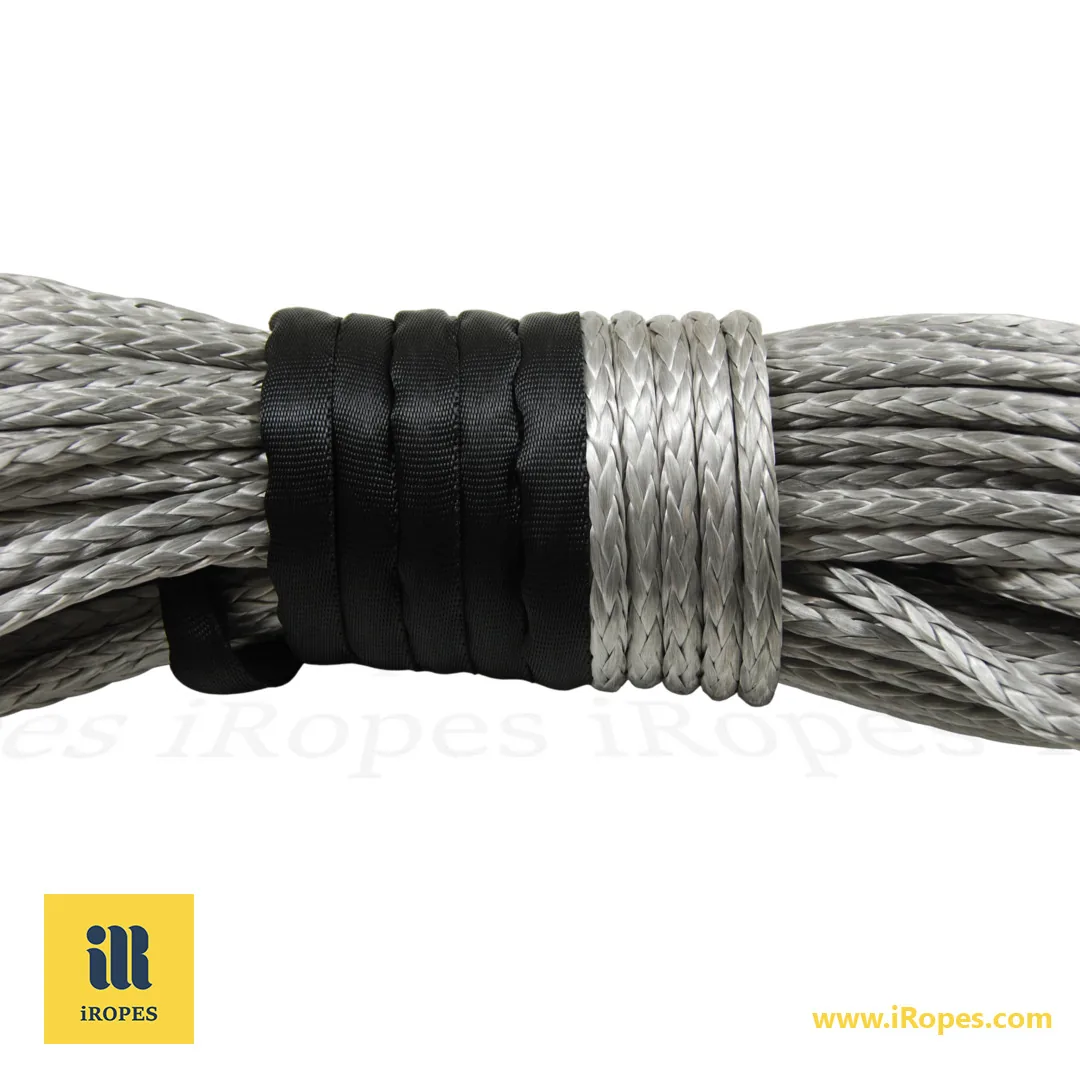
Steel winch ropes feel strongest, yet nylon delivers 70% higher strength‑to‑weight.
Key Gains: A 7‑Minute Read
- ✓ Lift 30% more with 70% less weight.
- ✓ Snap‑back risk cut by 90%.
- ✓ UV‑protected life up to 3 years longer.
- ✓ Operator fatigue reduced by 5 kg per metre.
What if a lighter line not only matches steel’s pulling power but also slashes injury risk and maintenance costs? Keep reading to discover how iRopes’ custom nylon solutions can make this a reality.
Understanding Wire Rope Inspection for Safe Operations
Every time a winch operates, the rope endures significant stress. Over time, even the most robust steel strands can develop hidden flaws that compromise safety. This is why a disciplined wire rope inspection routine offers the most effective defence against equipment failure and costly downtime.
Why Regular Inspection Matters
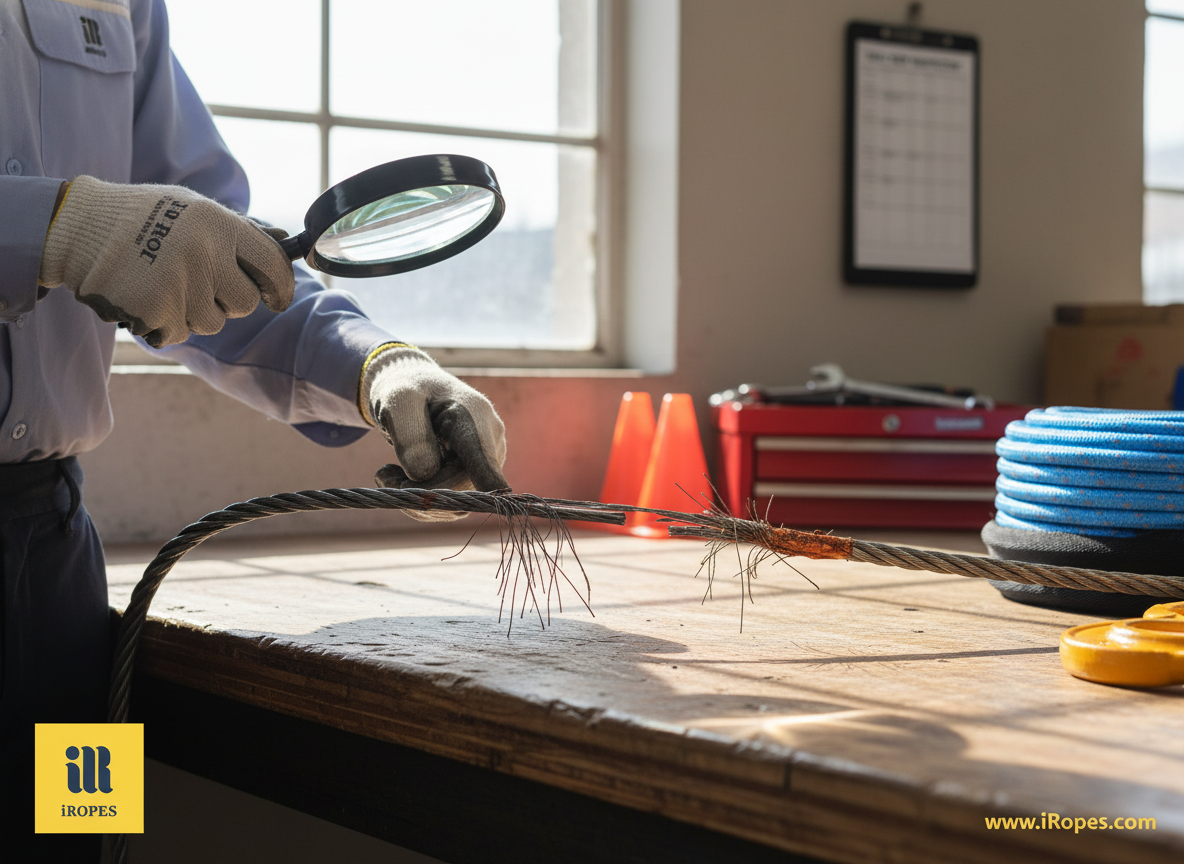
Undetected damage can lead to sudden rope failure, potentially resulting in a dangerous snap‑back that endangers operators and nearby equipment. By identifying wear early, you extend the service life of both the rope and the wire rope winch it feeds, while also maintaining compliance with safety regulations.
Key Inspection Criteria
- Wear and Corrosion: Look for rust patches, pitting, or broken strands that disrupt the rope’s uniform surface.
- Diameter Reduction: Measure with calipers; a loss of 5% or more signals internal fatigue.
- End‑Attachment Condition: Examine thimbles, swages, and splices for cracks or excessive wear.
How to Perform a Systematic Inspection
- Visual Sweep: Run your hands along the entire length, noting any kinks, broken wires, or corrosion.
- Measure: Use a calibrated caliper to check for diameter loss at several points.
- Document: Record findings, date, inspector’s name, and any corrective actions in a logbook.
OSHA Inspection Frequency and Paperwork
The Occupational Safety and Health Administration (OSHA) mandates a daily visual check for all wire ropes in active service. This must be followed by a thorough examination at least once every twelve months. In high‑stress environments, such as off‑road recovery or marine lifts, monthly reviews are required. Each inspection must be logged, noting the rope’s identification, observed defects, and the decision to continue use or retire the rope. Failure to maintain these records can result in regulatory penalties and, more importantly, puts personnel at unnecessary risk.
While steel remains the workhorse for many heavy‑duty applications, the same inspection discipline applies to nylon wire rope when used on compatible winches. Understanding the distinct wear patterns of synthetic fibres helps you apply the right protective sleeves and schedule replacements before a catastrophic break occurs.
Armed with a clear checklist and a habit of recording every observation, you can transform a potentially hazardous component into a reliably safe element of your winching system. The next step is to explore how the winch itself influences rope performance and what features to look for when selecting the right machine.
Components and Operation of a Wire Rope Winch
After developing a habit of inspecting the rope, the next crucial component is the winch that drives it. A well‑designed wire rope winch translates motor power into controlled pulling force, and every component contributes significantly to this process.

“When you understand how the drum, motor, and gears collaborate, you can anticipate how the winch will perform under load – and that insight helps prevent accidents before they occur.”
The machine's core is the drum, a cylindrical shell that stores the rope under tension. Wrapped around the drum, the rope is guided by a fairlead that minimises side wear. The motor—whether electric, hydraulic, or manual—provides rotational energy, which the gear train modulates into the precise torque required for the task. A sturdy gearbox not only amplifies force but also smooths out speed, offering fine control when you’re pulling a stuck vehicle or lifting a heavy load.
Safety Tip
Before each use, confirm that the drum rotates freely, the motor runs without unusual noises, and the gear teeth show no signs of abnormal wear. A quick visual check can identify a failing component before it jeopardises operator safety.
Winches generally fall into three broad categories. Electric winches are favoured on‑site for their instant response and easy speed control, making them a common choice for recovery trucks and marine rigs. Hydraulic winches deliver massive torque at low RPM and excel in heavy‑industry settings where a power unit can supply fluid pressure. Manual winches rely on a hand crank; they are simple, cost‑effective, and ideal for occasional use when electricity or hydraulics are impractical.
Even if you plan to upgrade to a nylon wire rope, the winch must be compatible. You can install synthetic rope on a cable winch, but you’ll need an aluminium or roller fairlead to prevent crushing. You should also monitor drum temperature because synthetic fibres can generate heat under heavy load. Adding a protective sleeve around the rope further reduces abrasion, ultimately extending its service life.
With these mechanical basics and safety checks in mind, you’re ready to weigh the benefits of synthetic lines against traditional steel. The next section explores why many operators are increasingly choosing lightweight nylon rope for modern winching challenges.
Advantages of Nylon Wire Rope for Modern Winching
Having explored how a winch operates, you can now appreciate why many operators are swapping heavy steel for a lighter alternative. The standout characteristic of nylon wire rope is its impressive strength‑to‑weight ratio, allowing you to pull more while handling less bulk.
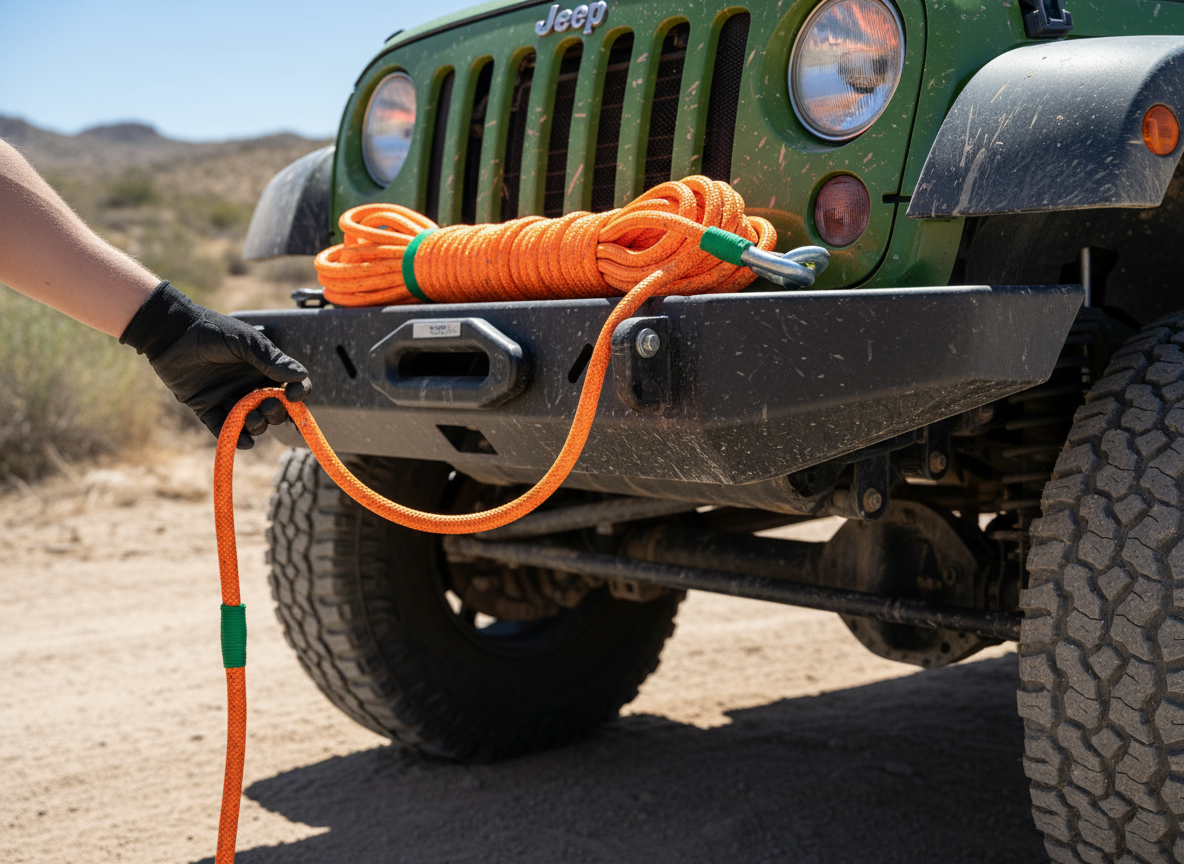
Because the material is approximately 70% lighter than a steel line of the same diameter, you exert less effort winding and unwinding the rope. Simultaneously, the engineered polymer fibres deliver breaking strengths that either match or exceed steel, providing more pulling power without the added bulk. For a deeper dive, see our essential guide to choosing nylon winch rope.
Safety also significantly improves: if a failure occurs, nylon’s elasticity absorbs energy, drastically reducing the snap‑back effect that can transform a broken steel cable into a dangerous projectile. Discover the performance of a braided nylon cord for added peace of mind.
These benefits translate into genuine real‑world advantages across diverse applications. Off‑road recovery crews value the easy handling when extracting stuck 4x4s from mud. Marine technicians appreciate the corrosion‑free nature of the fibre when operating in saltwater environments. Construction sites benefit from quieter operation and reduced hand fatigue during repetitive lifts.
However, every material has trade‑offs, and nylon is no exception. Prolonged exposure to ultraviolet (UV) light can weaken the fibres, so storing the rope in the shade or applying a UV‑resistant sleeve is advisable. Its synthetic construction is also more vulnerable to surface abrasion, making a protective sleeve or chafe guard essential when the rope runs over rough fairleads. Finally, heavy, sustained loads can generate heat in the fibres, so monitoring drum temperature and avoiding long, full‑load pulls helps preserve performance.
Lightweight
Weighs up to 70% less than equivalent steel, making it easier to handle and reducing operator fatigue.
Strength
Delivers comparable or higher breaking strength per diameter, providing more pulling power without added bulk.
Flexibility
Bends smoothly around obstacles, minimising kinks and improving spooling consistency.
UV
Prolonged sun exposure degrades fibres, so store in shade or use UV‑resistant sleeves.
Abrasion
Surface wear can shorten life; protective sleeves or chafe guards are essential in rugged terrain.
Heat
Synthetic fibres generate heat under heavy load; monitor drum temperature and avoid prolonged full‑load pulls.
When you weigh these factors against the demands of your specific job, the balance often tips towards the lighter, safer, and more versatile nature of nylon wire rope. The next step is to compare these traits side‑by‑side with traditional steel, helping you decide which rope aligns best with your operating environment.
Making the Right Choice: Factors to Consider
Now that you understand the strengths of nylon rope and the mechanics of a wire rope winch, the next step is to match the rope to your specific task. Below is a quick visual guide outlining the most crucial features – strength, weight, durability, and cost – so you can quickly determine which line best suits your environment.
Nylon Rope
Synthetic Advantages
Strength
Comparable or higher breaking load per diameter, delivering enhanced pulling power.
Weight
Up to 70% lighter, reducing operator fatigue and easing handling.
Durability
Corrosion‑free and shock‑absorbing, although UV sleeves are recommended.
Steel Rope
Traditional Strengths
Strength
High tensile capacity, proven in heavy‑duty applications.
Weight
Heavier, adding more load to the operator and winch motor.
Durability
Excellent abrasion resistance; rust‑free only with proper coating and maintenance.
When considering cost, synthetic lines typically have a higher upfront price. However, their lighter weight and significantly reduced snap‑back risk often lead to lower overall operating expenses over time. Steel cable, conversely, tends to be cheaper initially but may require more frequent replacements in corrosive or abrasive settings.
Choosing the Right Rope for Your Environment and Workload
Ask yourself where the winch will spend most of its life. If you’re pulling 4x4s through salty off‑road trails, the corrosion‑resistant nature of nylon wire rope truly shines. For a permanent hoist in a steel‑structured warehouse, a steel line’s abrasion endurance might be the safer bet. Temperature fluctuations, UV exposure, and the frequency of full‑load pulls all play a role in tipping the balance towards one material or the other.
How to Transition from Steel to Nylon Rope on an Existing Winch
- Check the fairlead: Replace steel guides with aluminium or roller versions to prevent crushing the synthetic fibres.
- Fit a protective sleeve on the nylon line and closely monitor drum temperature during the first few pulls.
- Update the winch’s load chart, train operators on the reduced snap‑back characteristic, and log the change in your inspection records.
These three essential steps ensure your conversion is safe, compliant with OSHA inspection routines, and guarantees the winch continues to deliver its expected performance.
iRopes’ Customisation Options for Both Rope Types
Whether you choose to stick with steel or transition to nylon, iRopes can customise the line to your brand and job‑site demands. You can specify diameter, colour, core construction, add reflective strips, or request non‑branded packaging that seamlessly integrates with your existing equipment. All our solutions undergo ISO 9001 quality assurance, ensuring the rope you install is as reliable as the inspection checklist you diligently follow.
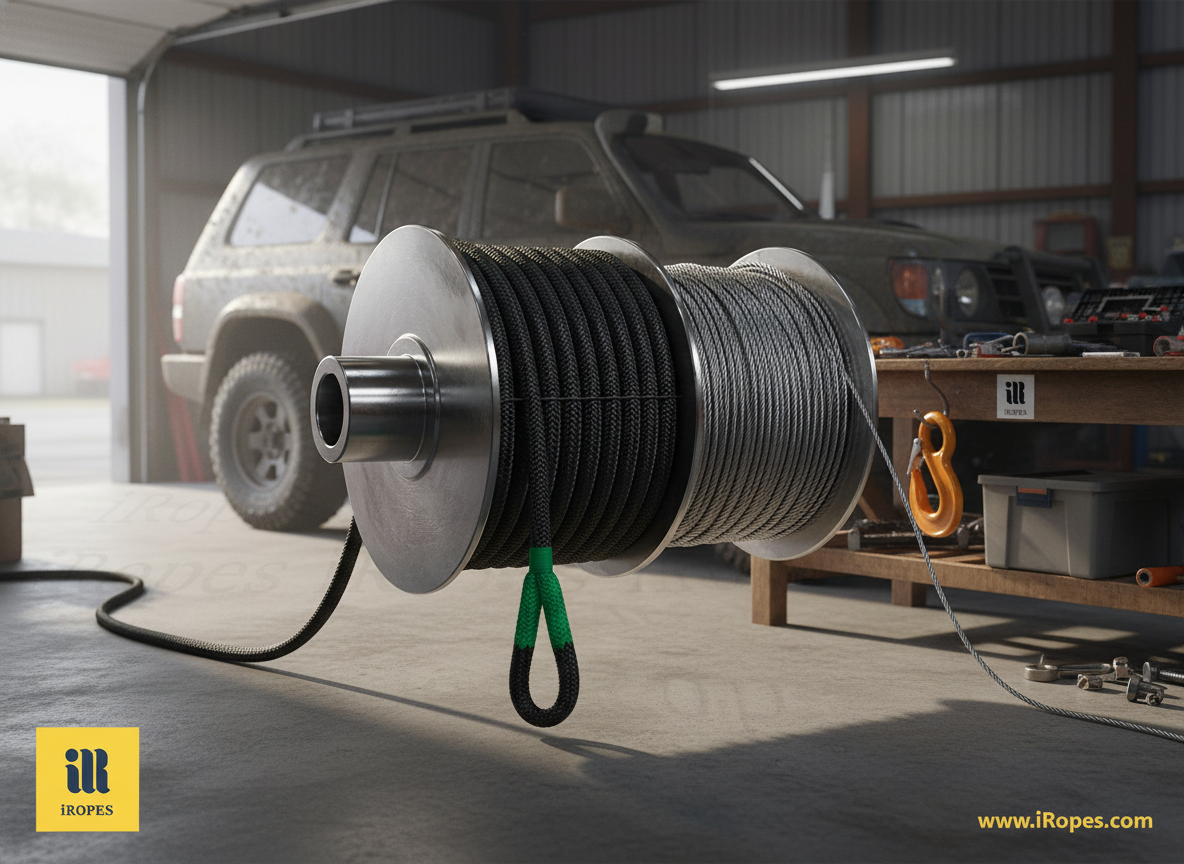
After reviewing the essential inspection routine, you now understand how a disciplined wire rope inspection can detect wear before a failure occurs, keeping both operators and equipment safe while extending service life. Regular visual checks, precise diameter measurements, and documented logs ensure compliance with OSHA and provide the confidence to plan replacements proactively.
When paired with a modern wire rope winch, nylon wire rope offers a significantly lighter line—up to 70% less weight than steel—while providing comparable tensile strength, reduced snap‑back risk, and smoother spooling. Its corrosion‑free nature also minimises maintenance needs in harsh off‑road or marine environments. For businesses requiring a rope tailored to specific brand colours, diameters, or reflective features, our ISO‑certified team can design a solution that perfectly matches your unique specifications.
Need a personalised rope solution?
If you'd like expert advice on choosing the right rope for your winch, simply complete the form above, and our specialists will be in touch.