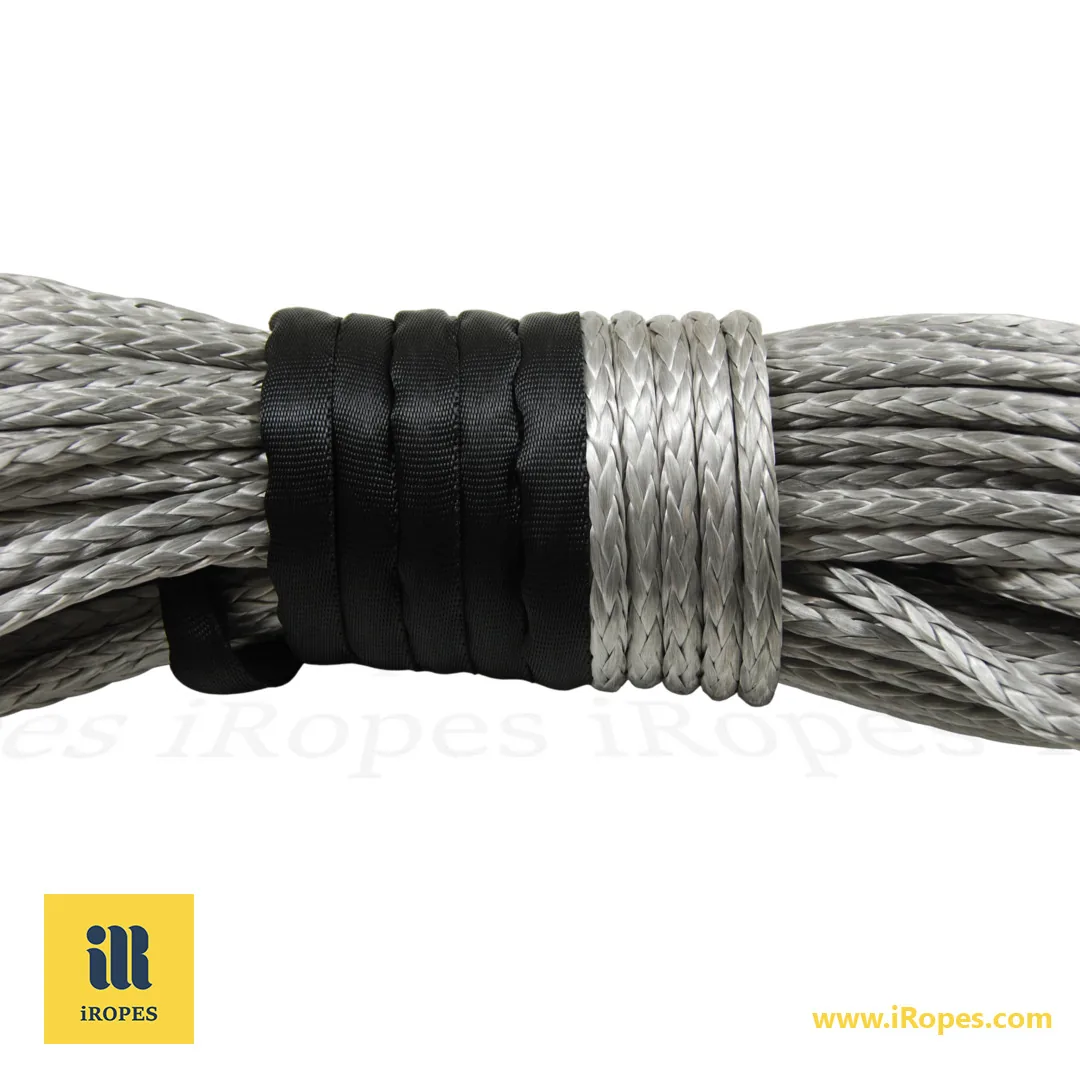
Polyester 12.7 mm (½‑inch) rope has a breaking strength of ≈ 8,200 lb (36.5 kN) and a safe working load of ≈ 683 lb (3.0 kN) using a 12× safety factor. Typical 4–12 mm ropes scale accordingly.
Read in 2 min ≈ 120 seconds
- ✓ Choose the exact diameter to match your dinghy’s load, avoiding over‑engineered bulk.
- ✓ Convert breaking strength to safe working load in minutes using the factor‑of‑12 shortcut.
- ✓ Factor in knot‑strength loss (≈ 50 % for a bowline) to prevent unexpected line failure.
- ✓ Leverage iRopes’ custom colour, branding, and ISO 9001 quality assurance.
Most boat owners still eyeball rope diameter, trusting gut over data, only to discover their sheets snap when a gust hits. What if you could lock in a safe working load with a single glance at our 4‑12 mm polyester rope strength chart and avoid costly replacements? In the next sections we reveal the exact calculations, knot‑adjusted limits, and how iRopes can customise the perfect line for your vessel, so you sail with confidence every tide.
Overview of 4‑12 mm polyester braided rope strengths
After exploring why reliable data is the backbone of safe sailing, you’ll want a clear picture of what each rope size can actually bear. The figures below give you that instant‑read snapshot, so you can decide in seconds whether a 6 mm line will hold your jib or if a 12 mm stay is needed for the mast.

Polyester rope is made from high‑tenacity polyester fibres that resist UV degradation and absorb very little water. The most common constructions you’ll encounter are:
- 3‑strand twist – simple, easy to splice, and flexible.
- 8‑strand plait – balanced lay with good abrasion resistance and similar breaking strength at the same diameter.
- Double‑braid – a braided core inside a braided cover, ideal for long‑term marine exposure.
The polyester rope strength chart acts as a quick‑reference tool for designers, boat owners, and anyone ordering custom lengths. It lists diameter, breaking strength, and the derived working load in familiar units. Values are approximate, based on industry references (e.g., ASTM D2256 tensile testing); actual ratings vary with construction and finish. iRopes can supply lab‑tested figures for your exact specification.
- 4 mm – Breaking strength ≈ 800 lb (3.6 kN); Working load ≈ 67 lb (0.30 kN)
- 6 mm – Breaking strength ≈ 1,830 lb (8.1 kN); Working load ≈ 150 lb (0.68 kN)
- 8 mm – Breaking strength ≈ 3,250 lb (14.5 kN); Working load ≈ 270 lb (1.2 kN)
- 10 mm – Breaking strength ≈ 5,080 lb (22.6 kN); Working load ≈ 420 lb (1.9 kN)
- 12 mm – Breaking strength ≈ 7,320 lb (32.6 kN); Working load ≈ 610 lb (2.7 kN)
Each working load shown is the breaking strength divided by the commonly used safety factor of 12. This practice ensures that, even with a sudden gust or an unexpected knot, the rope remains well within its safe capacity. For instance, the 12 mm line can safely handle about 610 lb, which comfortably exceeds the loads typical on a dinghy’s mainsheet.
Choosing a rope solely by diameter can be misleading; always consult the polyester rope strength chart and apply the 12× safety factor to verify that the working load matches your vessel’s requirements.
Armed with these numbers, you can match the right size to each sailing task – whether it’s a hoisting line on a small dinghy or a sheet on a keelboat. The next step is learning how to read the chart in practice and translate the data into real‑world decisions for your sailing vessel.
How to read and apply the chart for sailing applications
Now that you know the strength ranges for 4‑12 mm polyester braided ropes, the next step is turning that data into practical choices for your dinghy or sailing boat. The chart isn’t just a table—it’s a decision‑making tool that helps you select lines that handle gusts, sudden loads, and the routine strain of a day on the water.
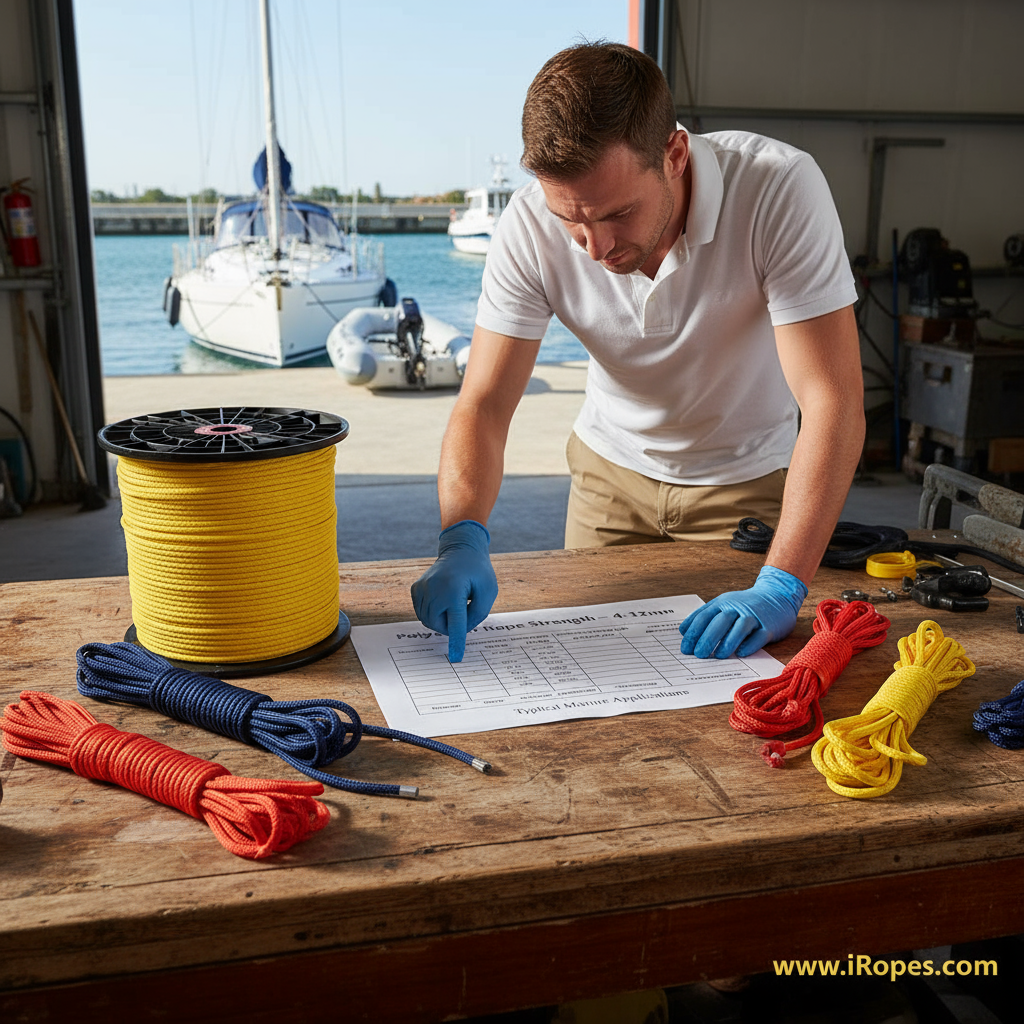
- Diameter – the line’s thickness, measured in millimetres, which directly influences its load‑bearing capacity.
- Breaking strength – the maximum force the rope can withstand before it snaps; this column is the raw number the chart provides.
- Working load – the safe‑use limit calculated by dividing the breaking strength by the commonly used safety factor of 12.
- Typical marine use – a quick reference that links each size to common applications such as hoisting lines, jib sheets and dock lines.
With the columns decoded, you can match a line to any sailing task. For a dinghy hoisting line, choose a diameter that offers a comfortable working load while remaining easy to handle—often the 6 mm or 8 mm size. Jib sheets and halyards benefit from a slightly thicker line, typically 8 mm to 10 mm, because they experience rapid trimming forces. Dock lines, especially when tied to a mooring bollard, usually call for the 10 mm or 12 mm options to accommodate sudden tidal loads.
One common question pops up: What is the capacity of a 12 mm polyester rope? The polyester rope strength chart lists a breaking strength of roughly 7,300 lb (≈ 32.6 kN), which translates to a safe working load of about 610 lb (≈ 2.7 kN) when the 12× safety factor is applied. That figure comfortably covers the maximum loads you’d encounter on a small sailing vessel’s control lines.
Quick tip: Many marine guides apply a 12× safety factor for static loads. Cross‑check your selection against applicable regulations and test methods (e.g., ASTM D2256) and follow local or class‑association guidance.
When you line up the chart’s numbers with recognised practices, the selection process becomes almost formulaic. Pick the diameter that gives a working load equal to or greater than the maximum anticipated force, then verify it against relevant guidance. This double‑check removes guesswork and gives you confidence that the rope will perform when the wind picks up.
Armed with a clear reading method, you’re ready to move on to the calculations that turn those numbers into safe‑load limits, and later, into customised rope solutions that fit your boat’s exact needs.
Calculating safe working loads and accounting for knots & splices
Having seen how the chart turns raw breaking numbers into usable working loads, the next step is to apply those figures on the water. A few quick calculations can mean the difference between a smooth tack and a snapped sheet.

For example, when a 12.7 mm (½‑inch) polyester line breaks at ≈ 8,200 lb, dividing by twelve yields a safe working load of ≈ 683 lb. This simple division is the backbone of every marine‑rope calculation.
Formula
Working Load = Breaking Strength ÷ 12. For example, a 6 mm polyester rope with ≈ 1,830 lb break strength provides a safe load of ≈ 150 lb.
Knots and splices change those numbers. A bowline typically halves the strength, while a figure‑eight retains about 70 % of the original capacity. Splices, on the other hand, tend to be gentler on the fibre, losing only 10‑20 % depending on the method.
Knot impact
How common knots affect strength
Bowline
Reduces strength by roughly 50 %, so a 300 lb working load drops to about 150 lb.
Figure‑eight
Keeps about 70 % of strength, a 30 % loss versus the original working load.
Clove hitch
Around 40 % reduction, making it unsuitable for critical loads.
Splice impact
Strength changes when splicing
Eye splice
Typically loses 10‑15 % of breaking strength, preserving most of the line’s capacity.
Short splice
Losses can reach 20 %, best used when knot‑strength penalties are higher.
Long splice
Often a 12‑15 % reduction with a smooth profile for low‑friction applications.
So, to answer the common queries: How do I calculate working load? Divide the breaking strength by 12 and then adjust for any knot or splice penalty. How much does a knot reduce rope strength? Expect about a 50 % loss with a bowline and roughly 30 % with a figure‑eight. Applying these adjustments ensures the polyester rope strength you rely on matches the real‑world forces your dinghy will encounter.
Applications and customization for dinghies and sailing boats
Now that the calculations are clear, the next question is — which rope size actually fits each part of your boat? When you consult the polyester rope strength chart, the recommended diameters line up with the loads each rigging element typically sees. Below is a quick guide that matches the most common marine tasks to the rope size that offers a comfortable safety margin without adding unnecessary weight.

Here’s how most designers break the tasks down:
- Mast stays (temporary/backup on small craft) – A 10 mm to 12 mm polyester line gives stiffness for static lashings while keeping weight reasonable.
- Sail‑control lines – For jib sheets and halyards, 6 mm to 8 mm ropes strike a balance between handling ease and the pull generated by a 12‑ft dinghy’s sail plan.
- Anchoring – A 12 mm line provides the extra reserve required for sudden tidal shifts, offering a robust anchor line that holds firm even when the wind spikes.
Can you use polyester rope for marine applications? Absolutely. Its high tensile strength per unit weight, excellent abrasion resistance where the line rubs against fittings, and stable dimensions in cold water make it a favourite among dinghy owners who demand reliability without the bulk of heavier synthetics.
If you need a colour that matches your hull, a reflective strip for night‑time visibility, or a custom logo on the sheath, iRopes can accommodate every request. Their OEM and ODM services let you specify the exact strand count, core type, or even add glow‑in‑the‑dark elements for safety. All orders are protected by IP safeguards and shipped in non‑branded or customer‑branded packaging, with ISO 9001‑backed quality assurance and pallets shipped directly worldwide. For a deeper look at iRopes’ full maritime offering, explore Superior Maritime Ropes and All Ropes at iRopes.
For a hands‑on look at the full set of diameters and their corresponding working loads, download the PDF version of the polyester rope strength chart linked below. The file also contains a colour‑coded guide for quick reference when you’re on the dock or in the workshop.
Once you’ve matched each line to its role, the final step is to let iRopes tailor the rope to your exact specifications – a simple email or quote request starts the process, and the customised rope arrives ready to rig your next sailing adventure.
Request a custom rope quote – personalised help is just a click away
You've seen how the 4‑12 mm polyester braided rope delivers reliable breaking loads and safe working limits for dinghies, sailing boats and other marine tasks. By consulting the polyester rope strength chart and applying the 12× safety factor, you can confidently match diameter to hoisting lines, sail sheets or anchor tackles, while accounting for knot and splice reductions. The rope strength chart makes quick comparisons easy, and the polyester rope strength ensures low stretch in marine environments. If you need a colour match, reflective strip or OEM‑ODM spec, iRopes can tailor the rope to your exact performance and branding requirements.
If you’d like a one‑on‑one consultation to fine‑tune your rope selection or discuss custom options, simply fill out the form above and our specialists will get back to you promptly.