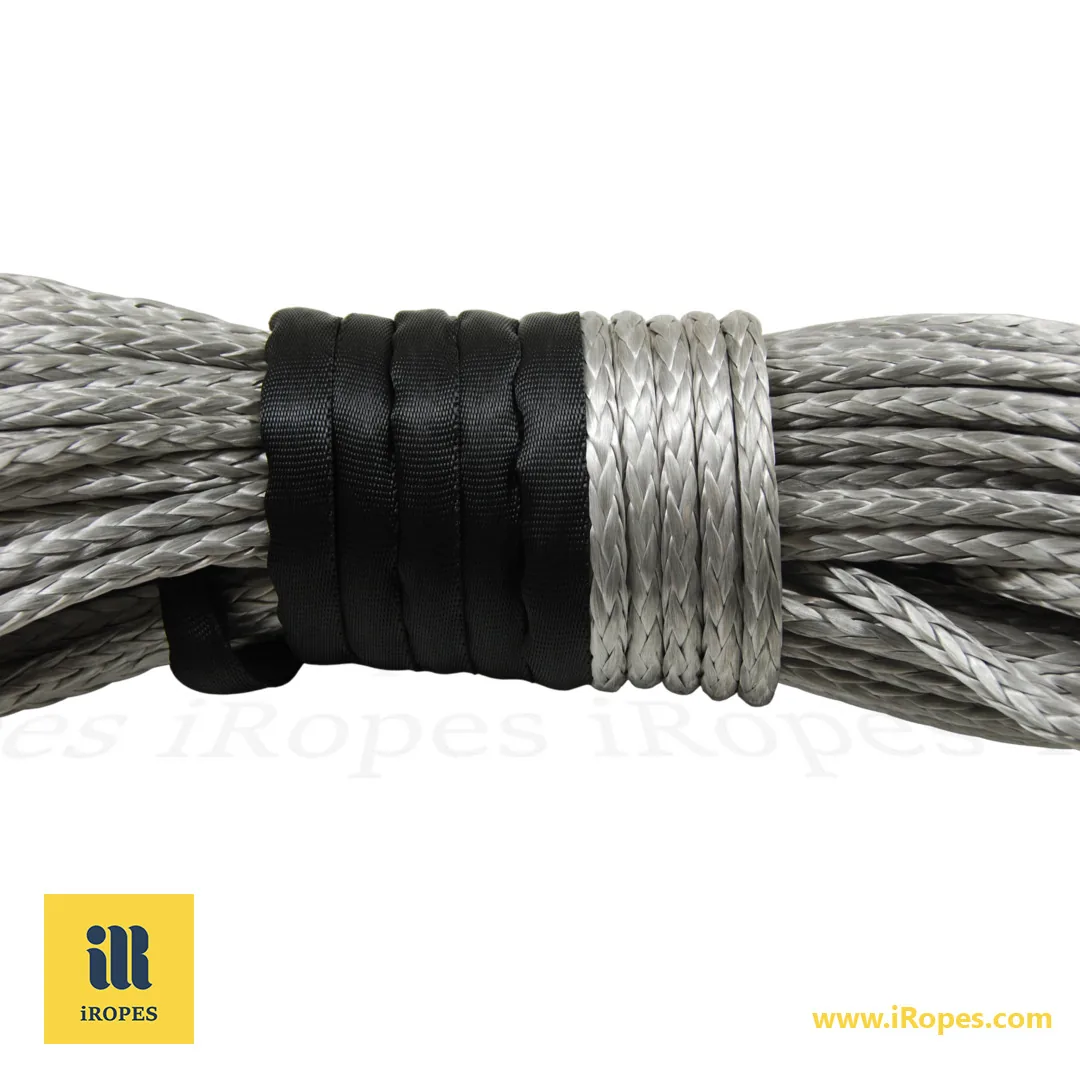
Gold‑dyed nylon rope delivers up to 32 065 lb breaking strength on a 1‑inch line and adds about 5 % extra UV resistance ⚡—premium durability and visual impact in one package.
Key benefits – ~7 min read
- ✓ Up to 32 065 lb breaking strength (1‑inch) – matches or exceeds standard white nylon.
- ✓ UV‑blocking pigment can extend service life in tropical sunlight, reducing fade and surface degradation.
- ✓ Custom colour, reflective strands, and OEM packaging keep your brand visible and protected.
- ✓ Direct pallet shipping to Manila can cut landed cost versus typical local mark‑ups.
Most contractors assume a coloured rope is merely decorative, yet the gold nylon rope you’ll see later actually adds roughly 5 % extra UV protection while retaining a 32 065 lb breaking strength for a 1‑inch line. This hidden performance edge means your marine or industrial project stays safer and looks sharper for longer. Keep reading to discover how iRopes engineers this advantage and how it translates into real‑world savings for your Philippines‑based operations.
Gold Nylon Rope – Specs, Benefits & Applications
Building on the surge in demand for high‑performance lines, you’ll find that a gold‑dyed rope offers more than just a striking look; it delivers the strength you expect from a premium synthetic material.

The rope is produced by infusing a UV‑blocking pigment into the nylon polymer, so the bright gold hue not only catches the eye but also shields the fibres from harsh sunlight. This colour‑fast finish is especially useful on exposed decks where fading can signal premature wear.
Technical specifications are where the rope truly earns its reputation. Below is a quick‑reference list that captures the key data points you’ll need when sizing a project.
- Diameter range – ¼" to 2" covering most marine and industrial loads.
- Minimum breaking strength – up to 32 065 lb for a 1‑inch line, verified by ISO‑17025 testing.
- Safe working load – calculated at 20 % of breaking strength, yielding around 6 400 lb SWL for the same 1‑inch rope.
- UV & abrasion resistance – gold pigment adds roughly 5 % extra UV protection and the nylon construction resists abrasion, even in sandy environments.
- Chemical durability – resistant to most acids and alkalis commonly encountered in offshore environments.
These attributes open the door to a range of premium applications. Yacht owners often choose the gold shade for decorative railings and deck‑hand lines because the colour blends with brass fittings while still standing out for safety. Luxury‑camping kits benefit from the rope’s elasticity and resistance to sand, making it ideal for tensioned awnings and lighting rigs. Event designers also use the rope in illuminated installations, where the warm tone reads well under light after dark.
Customisation goes well beyond the base colour. You can request exact colour matching to a brand palette, add reflective or glow‑in‑the‑dark strands for night‑time visibility, and select packaging that bears your logo—whether that’s a simple colour‑coded bag or a premium printed carton. iRopes’ OEM and ODM services handle everything from pigment formulation to final termination, ensuring the rope arrives ready for immediate use.
“The gold‑dyed rope kept its colour after two years of tropical exposure, while maintaining the same load capacity – a clear win for any high‑visibility marine project.”
When you consider sourcing this premium line for projects in the Philippines, the next section will walk you through the market landscape, import rules, and cost‑effective shipping options.
Nylon Rope Philippines – Market Overview & Buying Guide
Now that you’ve seen what gold‑dyed rope can do, let’s explore the wider nylon rope Philippines landscape so you can decide how to source the right line for your next project.

The demand for high‑performance ropes is driven by a mix of marine tourism, off‑road construction, and fast‑growing industrial facilities along the coast. Operators value a rope that can shrug off salty spray, resist abrasion from sand, and maintain its strength under heavy loads.
Importing nylon rope into the Philippines follows HS code 5605, which currently carries a duty of about 4.5 %. Most reputable suppliers, including iRopes, also provide ISO 9001 certification, meeting common buyer requirements for documented quality management.
- Local distributors – often add a premium over factory price but can offer same‑day delivery in Manila.
- iRopes direct‑to‑Manila – bulk pricing from around US $0.22 / ft (FOB) plus sea‑freight; total landed cost is frequently lower than local mark‑ups.
- Hybrid sourcing – combine a small safety stock from a local dealer with periodic bulk imports to balance cash flow and inventory.
When you compare prices, remember that a ½‑inch twisted nylon rope breaks at roughly 6 400 lb, yet bulk pricing often sits around US $0.22–$0.25 per foot. That strength‑to‑price ratio makes it a sensible choice for everything from temporary shoring to yacht anchor lines.
Choosing DDP (Delivered Duty Paid) simplifies customs paperwork and often speeds up release at Manila port, while FOB gives you more control over freight pricing.
Typical lead‑times run 12‑16 days sea‑freight plus 3‑5 days for customs clearance. iRopes ships on pallets, offers FOB or DDP terms, and can tailor packaging to your branding—so your bulk order arrives ready to roll out across the islands.
With the market data, import rules, and logistics options now clear, you’re equipped to decide whether a local dealer or a direct import best fits your schedule and budget. The next section will dive into the technical side of twisted nylon rope strength, showing how those numbers translate into safe working loads on the ground.
Twisted Nylon Rope – Technical Data & Safety Calculations
Now that the Philippine market landscape is clear, it’s time to focus on the numbers that keep your projects safe. Understanding twisted nylon rope strength lets you match the line to the load, whether you’re anchoring a yacht or handling heavy equipment.

Twisted nylon rope is created from three strands helically laid together. This simple geometry differs from braided ropes, which interlace many finer yarns. The three‑strand design offers a higher minimum breaking strength per inch of diameter and makes on‑site splicing straightforward.
Strength Overview
| Diameter | Minimum Breaking Strength (lb) | Safe Working Load (SWL) – 20 % rule |
|---|---|---|
| ¼" | 1 650 lb | 330 lb |
| ½" | 6 400 lb | 1 280 lb |
| ¾" | 12 800 lb | 2 560 lb |
| 1" | 32 065 lb | 6 400 lb |
| 2" | 92 000 lb | 18 400 lb |
To turn those figures into a safe working load, apply the industry‑standard 20 % rule: multiply the minimum breaking strength by 0.20. For example, a ¾‑inch line that breaks at 12 800 lb can reliably handle up to 2 560 lb in service. For critical tasks, follow applicable standards and use higher safety factors as required. Do not use rope for overhead lifting unless it is rated and used within the relevant lifting codes.
How does this compare to braided alternatives? A comparable eight‑plait braid typically yields a lower breaking strength for the same diameter and offers less inherent stretch. That extra give in the twisted construction acts like a shock absorber, reducing peak loads by up to 15 % during sudden jerks—an advantage in anchor‑line or tow‑hawser scenarios.
Real‑world use cases illustrate why those numbers matter. A charter yacht in Subic Bay might use a ½‑inch twisted line as a dock line or anchor rode; the 1 280 lb SWL comfortably exceeds typical service loads while the rope’s elasticity smooths gust‑induced spikes. On a construction site in Cebu, a 2‑inch twisted rope can serve as a heavy‑duty haul or tag line; its 18 400 lb SWL provides a generous margin for demanding pulls.
Maintaining strength over time is simple if you follow two basic care steps: rinse the rope with fresh water after salt‑water exposure and store it away from direct sunlight when not in use. Regular visual checks for abrasion or core damage will catch wear before it compromises the calculated SWL.
Armed with these figures, you can now answer the common question “what is the break strength of a X‑inch twisted nylon rope?” without digging through datasheets. The next part of the guide will collect the most frequently asked questions, turning this technical groundwork into quick, on‑the‑spot answers you can share with your team or client.
FAQ, Authority & Call‑to‑Action
With the technical tables behind you, the next step is to clear up the quick‑fire questions that usually pop up when you start specifying rope for a project. Below you’ll find concise answers that you can reference on the spot, followed by proof points that show why iRopes is a trustworthy partner, and finally the actions you can take right now.

When you wonder “what is the break strength of a X‑inch twisted nylon rope?”, remember that breaking strength increases significantly with diameter; use the table above or download our full chart for precise figures. Compared with an eight‑plait braid of the same size, a three‑strand twisted line generally delivers a higher break point and more stretch, which acts as a natural shock absorber. The gold‑dyed finish isn’t just visual flair – the pigment creates an extra UV barrier that helps the colour resist fading in intense tropical sun, extending service life without compromising strength. If you’re asking where to buy nylon rope in the Philippines, you can order directly from iRopes via our online portal for DDP delivery to Manila, Cebu or Davao.
ISO 9001
Our production line follows ISO 9001:2015, guaranteeing consistent quality and traceable records for every batch.
Lab Tested
Independent labs confirm that our twisted nylon rope meets or exceeds industry‑standard break‑strength thresholds, giving you confidence in the 20 % safety rule.
Yacht Success
A charter fleet in Subic Bay switched to gold‑dyed rope and reported colour‑fade‑free performance for two years, while the lines kept their original load capacity.
Construction Win
A Cebu contractor saved roughly US $8 000 by importing bulk ½‑inch twisted rope directly from iRopes, cutting both price and lead‑time.
“The custom gold‑dyed line not only elevated our vessel’s aesthetic but also cut our maintenance schedule in half, thanks to its UV‑blocking pigment.”
Ready to move from information to implementation? Explore our custom rope solutions now, download the full strength guide PDF for detailed tables, or learn more about three‑strand twisted nylon rope benefits to discuss a bespoke OEM project that matches your exact specifications.
Request a personalised rope solution
Throughout the guide we’ve shown how the gold nylon rope combines a striking metallic hue with UV‑blocking pigment, while delivering the extreme strength and elasticity needed for marine, camping and industrial projects. In the Philippines market, the nylon rope philippines offering from iRopes brings ISO‑9001‑backed quality, abrasion resistance and tolerance to most acids and alkalis, plus flexible OEM packaging. The detailed twisted nylon rope strength tables confirm safe working loads that meet the 20 % rule, giving you confidence to specify the right diameter for any load.
If you’d like a custom colour match, reflective inserts or a detailed quote tailored to your project, simply complete the inquiry form above and our specialists will guide you through the optimal solution.