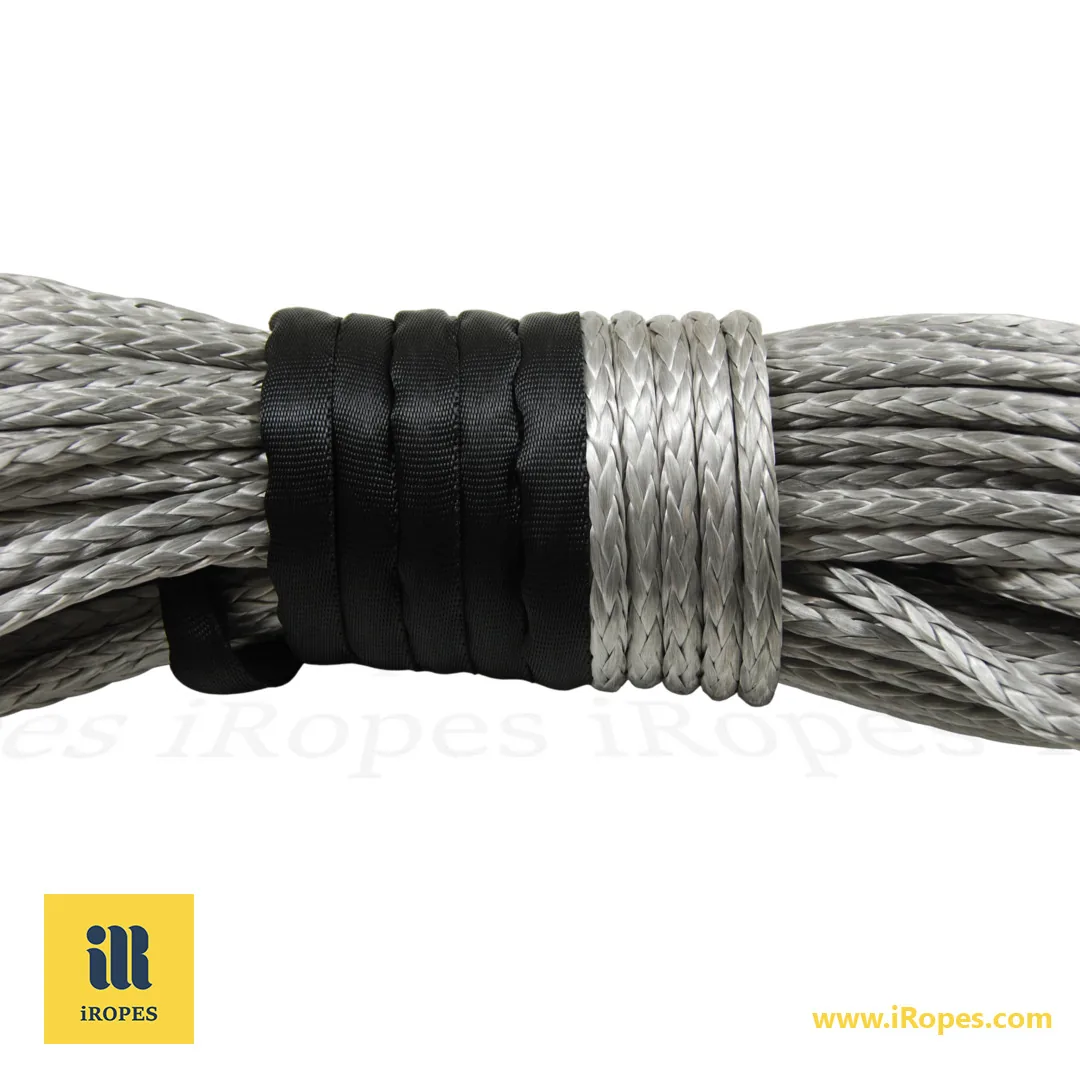
Soft polyester rope stretches about 2 % under load – far less than nylon (~10 %) and lower than typical natural‑fibre ropes. It also outlasts nylon in UV exposure by up to 30 %.
≈4 min read – What you’ll gain
- ✓ Reduce stretch by up to 8 percentage points versus nylon for static loads → steadier dimensions.
- ✓ Extend UV lifespan by ~30 % versus nylon.
- ✓ Choose any diameter from 0.25‑2 in, custom colours & branding, all under ISO‑9001 quality.
- ✓ Global pallet shipping reduces complexity and can shorten lead times.
Many contractors value twisted hemp for its natural grip and robust feel, yet side‑by‑side testing shows soft polyester holds its shape better in the sun and exhibits far less elongation. In the next sections we’ll break down the key specs, show how iRopes’ OEM tools let you colour‑match and brand the rope, and help you estimate the most cost‑effective bulk option for your project.
Purchase rope: essential factors to consider before buying
Now that you understand why the right rope can make or break a project, the next step is to focus on the fundamentals you should evaluate before you purchase rope. Clear criteria help you avoid costly mistakes and ensure the rope meets safety standards.

First, map your project’s load demands. Knowing the safe working load (SWL) and breaking strength prevents over‑loading and extends the rope’s service life.
- Maximum load – Identify the heaviest weight the rope must support and compare it to the manufacturer’s SWL chart.
- Breaking strength – Use the manufacturer’s SWL guidance; as a rule of thumb, working loads are typically 8–20 % of breaking strength, depending on standards and use.
- Diameter selection – Larger diameters usually carry higher loads; balance strength with handling comfort.
Next, assess the rope’s performance traits that matter in the field. These metrics influence durability, maintenance, and overall cost of ownership.
- Stretch – Low‑stretch polyester keeps dimensions stable under load, while hemp may elongate more.
- UV resistance – UV‑stable ropes retain strength after prolonged sun exposure; look for “high” or “extreme” ratings.
- Water absorption – Synthetic fibres absorb less than natural hemp, reducing weight gain and rot risk in wet environments.
Finally, vet the supplier’s credibility. A reliable partner protects your investment and streamlines delivery.
“Choosing a manufacturer with ISO‑9001 certification supports consistent quality control, while OEM/ODM capabilities let you customise colour, diameter and terminations to match your brand.” – iRopes technical lead
When the supplier can ship pallets worldwide, you can also reduce freight complexity and lead times. With these three pillars—load capacity, performance metrics, and supplier reliability—you’ll be equipped to make a confident decision before you purchase rope. The next section will compare twisted hemp rope and soft polyester rope against the criteria you’ve just explored.
Twisted hemp rope: properties, pros, and common drawbacks
Having examined the key buying criteria, let’s dive into the first material on the list – twisted hemp rope. Understanding how it’s built and where it shines will help you decide whether it matches your project’s demands.
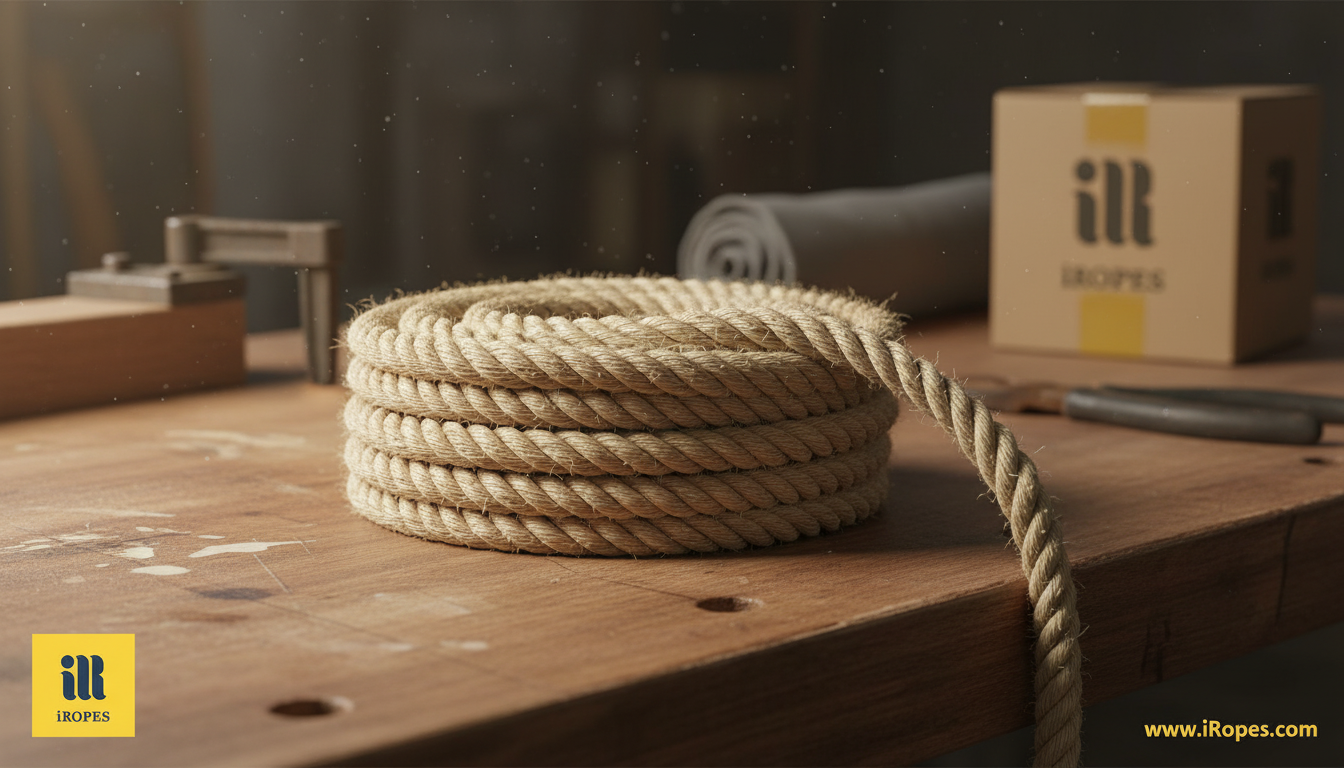
The rope’s performance starts with its construction. Below are the three core elements that define a twisted hemp rope.
- Three‑strand twist – three strands of hemp fibres laid together; no separate core.
- Natural fibre origin – derived from Cannabis sativa plants.
- Diameter options – commonly ¼ in to 1½ in, each offering distinct load ratings.
From a strengths perspective, twisted hemp rope offers dependable load capacity, a secure hand feel, a natural aesthetic, and the bonus of being biodegradable at the end of its life.
The downsides, however, are just as important to weigh. Hemp absorbs significantly more moisture than synthetic fibres (often around 10 %), which can add weight and encourage rot if the rope stays wet for long periods. Over time, weathering and UV exposure can reduce strength, and because the material is natural, tensile values may vary between batches.
Hemp Strength
Typical breaking strength is about 32,800 lb for a 1¼ in rope, with recommended safe working loads roughly 2,700–6,500 lb depending on safety factor.
UV Resistance
Hemp offers moderate UV stability but will weather and fade; plan regular inspection and care in full‑sun installations.
Nylon Strength
A similar‑diameter nylon rope is generally stronger—often about 10–20 % higher tensile strength than hemp.
UV Resistance
Nylon’s UV resistance is moderate, and it can lose up to 20 % of its strength when wet—an important consideration for marine use.
In short, if you need a rope that looks natural, offers solid load‑carrying capability, and will eventually return to the earth, twisted hemp rope is a strong candidate. When moisture, batch consistency, or long‑term UV exposure are concerns, you may want to explore an alternative such as soft polyester rope, which we’ll discuss next.
soft polyester rope: performance, applications, and buying tips
Switching from hemp’s rustic feel, soft polyester rope delivers a smoother hand and tighter twist, making it pleasant to grip even during extended use. The fibre composition is 100 % polyester, engineered for low elongation while retaining the material’s natural UV‑resistance.

Its low‑stretch nature (around 2 % elongation under load) means dimensions stay steady, which is crucial for rigging and deck‑rail applications where precision matters. At the same time, the polymer’s abrasion rating sits in the “extremely high” range, and its UV resistance is rated “high” – a combination that lets the rope endure harsh sun and gritty surfaces without significant wear.
| Criteria | Nylon | Polyester |
|---|---|---|
| Strength (dry) | Slightly higher | Comparable |
| Stretch | High (≈10 %) | Low (≈2 %) |
| UV resistance | Moderate | High |
When you ask “Which is better, nylon or polyester rope?” the answer hinges on the job. If you need maximum elasticity for shock‑absorption, nylon wins. For static loads, UV exposure, and a tidy appearance, polyester – especially the soft‑handed variant – is the smarter choice.
Customisation Options
iRopes can tailor soft polyester rope to match exact project demands. Choose any diameter from ¼ in to 2 in, request colour matching to your brand palette, specify terminations such as eye splices, thimbles or custom loops, and add OEM branding on the rope or packaging. All designs are protected under our IP‑safeguard program, ensuring your proprietary specifications stay exclusive.
Typical applications include deck railings, yacht rigging, outdoor fixtures, and any scenario where a neat, low‑stretch line improves safety and aesthetics. Imagine a seaside café where a soft polyester rope forms the handrail – the rope stays supple under the sun, resists the salty spray, and feels comfortable to the touch.
Key Benefit
Low stretch combined with high UV resistance makes soft polyester rope the go‑to choice for permanent outdoor installations.
Before you purchase rope, verify the diameter options and colour options meet your design brief, request a short sample to assess the hand feel, and confirm the MOQ aligns with your inventory plan. With iRopes’ global shipping network, the customised coil can arrive on a pallet directly to your site, ready for immediate installation.
Now that you understand the performance edge of soft polyester rope, the next logical step is to explore how these insights translate into a final purchasing decision and what additional resources can help you fine‑tune your selection.
When you decide to purchase rope, aligning the safe working load, stretch, UV resistance and supplier reliability is essential. iRopes’ ISO‑9001‑certified facilities can customise everything from diameter to colour, and its portfolio spans nylon, polyester, UHMWPE, Kevlar, Technora and Vectran, ensuring you find the perfect match for any application.
Whether you’re weighing the natural strength of twisted hemp rope against the low‑stretch comfort of soft polyester rope, our engineers can fine‑tune a solution that meets your project’s exact specs. Use the form above to request a sample, quote or design advice tailored to your needs.
Get a customised rope proposal
Complete the short form above and our team will help you translate these insights into a rope that fits your unique requirements.