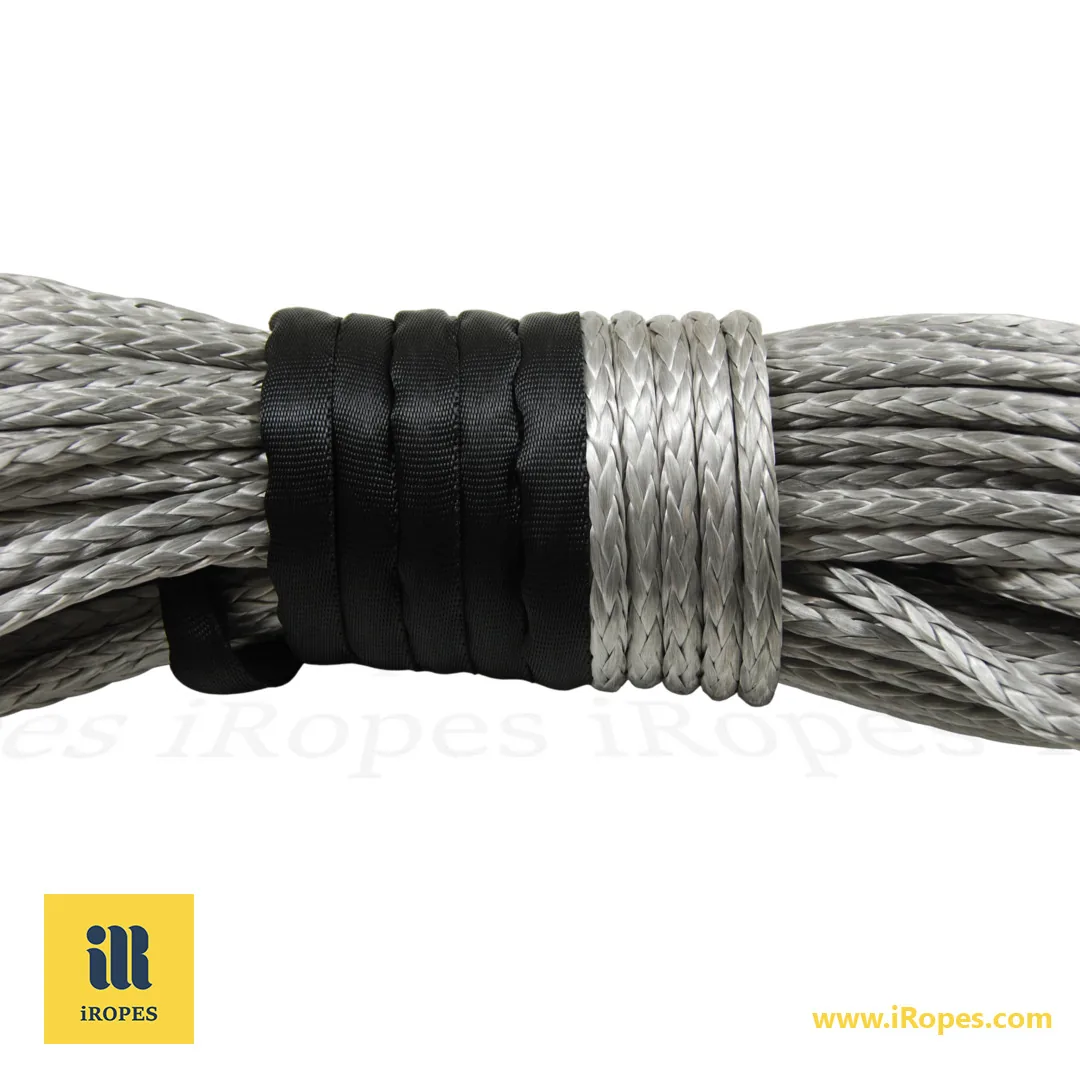
Upgrade your quad winch safely in South Africa: Synthetic rope slashes weight by 85% compared to steel cables and cuts injury risks by 90% through low recoil, perfect for dusty Karoo trails.
Unlock These Benefits in a 7-Minute Read →
- ✓ Boost safety instantly: Enjoy 90% lower accident potential with no whipping recoil, ideal for solo off-road pulls.
- ✓ Handle lighter loads: Save 85% on weight to manoeuvre easily in harsh SA sun, reducing fatigue by up to 25%.
- ✓ Customise for your quad: Get iRopes' tailored Dyneema ropes with reflective strips and thimbles, boosting durability 2x against UV and dust.
- ✓ Master easy upkeep: Skip lubrication entirely—simple rinses extend life by 50% in abrasive terrains like the Drakensberg.
Picture your quad bogged in the sandy Karoo, wrestling a heavy steel cable that's rusting under the relentless sun—frustrating, isn't it? What if synthetic rope from iRopes could transform that struggle into a swift, safe recovery, customised for South African extremes? While the upgrade offers immense advantages, a common mistake during installation could fray your new line before the first pull. Let's explore the precise steps to avoid this and unleash seamless performance on your next adventure.
Steel vs. Synthetic Winch Rope South Africa: Why Upgrade for Off-Road Adventures
Imagine being out on a rugged trail in the Karoo, your quad bogged down in deep sand. You reach for that winch line to pull yourself free. If it's a traditional steel cable, the hassle often starts right there—hauling its hefty weight around, constantly worrying about it snapping back like a whip. This frustration is familiar to many South African off-roaders. Switching to synthetic winch rope can change everything, making your recoveries quicker and safer. As someone who has witnessed the struggles with old-school setups, I can confirm the upgrade is worthwhile, especially with options tailored for our local conditions.

Let's examine why steel cables often fall short, particularly in our dusty, sun-baked landscapes. They are notoriously heavy, which adds unnecessary strain when you're already navigating challenging terrain. Furthermore, there's the dangerous recoil. If a steel cable breaks, it can lash out with significant force, turning a simple recovery into a serious injury risk. Rust develops quickly from moisture and salt air near the coast, and in UV-exposed areas like the Drakensberg, steel cables degrade quicker, requiring constant checks and replacements. High maintenance is definitely a factor, especially when abrasion from rocks and thorns wears them down unevenly.
- Heavy weight – Makes handling tougher on your back during solo pulls.
- Dangerous recoil – Stores massive kinetic energy, risking severe injury on snap-back.
- Rust and corrosion – Accelerates in humid or salty South African environments.
- High maintenance – Needs frequent oiling and inspection to fight dust and UV damage.
Conversely, synthetic winch rope offers significant advantages that perfectly suit quad owners throughout South Africa. It's up to 85% lighter than steel, allowing for easier management without feeling like you're carrying an anchor. What about strength? It often provides 25% more tensile power in a slimmer package, enabling your winch to pull harder without the bulk. Safety is also a major benefit—unlike steel, synthetic rope has low recoil, merely flopping harmlessly if cut. This drastically slashes accident risks by about 90%, a true game-changer when winching alone on a remote Kalahari track. Moreover, its superior resistance to UV rays and abrasion means it withstands our relentless sun and gritty trails more effectively, lasting longer with less upkeep.
Have you ever considered the safety differences between synthetic and steel winch ropes? The crucial distinction lies in their behaviour under stress. Steel's stored energy can propel it back at speeds exceeding 100 km/h, causing severe injuries. Synthetic rope, however, is designed to dissipate energy safely, dramatically lowering these dangers. For South African quad riders tackling the heat, dust, and blazing sun in regions like the Drakensberg or Kalahari, iRopes offers tailored solutions that account for these specific challenges. Their custom synthetic ropes, crafted with materials like Dyneema, are engineered to handle local extremes, ensuring you're prepared for whatever the terrain demands.
These upgrades are not merely theoretical; they make a noticeable difference in real-world scenarios, reducing fatigue and boosting confidence. With iRopes' emphasis on customization, you receive ropes that precisely fit your quad's needs, encompassing everything from diameter to added features for enhanced visibility in low-light conditions.
Now that you grasp the compelling reasons to make the switch, let's properly prepare your winch to ensure a seamless installation process.
Essential Pre-Installation Checks for Putting Synthetic Rope on Winch
Building on the strong reasons to upgrade, preparing your winch drum and its setup is crucial before embarking on the actual rope swap. From my own off-road experiences, I've learnt that skipping these initial steps can lead to frayed lines or performance issues right from the start. For South African riders tackling dusty trails, ensuring this preparation is done correctly means your new synthetic line will perform reliably from day one. Let's review the key preparations to keep the process smooth and safe.
Firstly, thoroughly inspect your winch drum. Over time, especially with steel cables grinding against it, the drum might have developed burrs or gouges. These imperfections could easily slice into the softer synthetic material. Grab some fine-grit sandpaper or a wire brush and gently smooth out any rough spots. This simple clean-up prevents premature wear, ensuring your rope endures through those long hauls in the arid bush. It's a quick task that significantly contributes to the rope's durability.
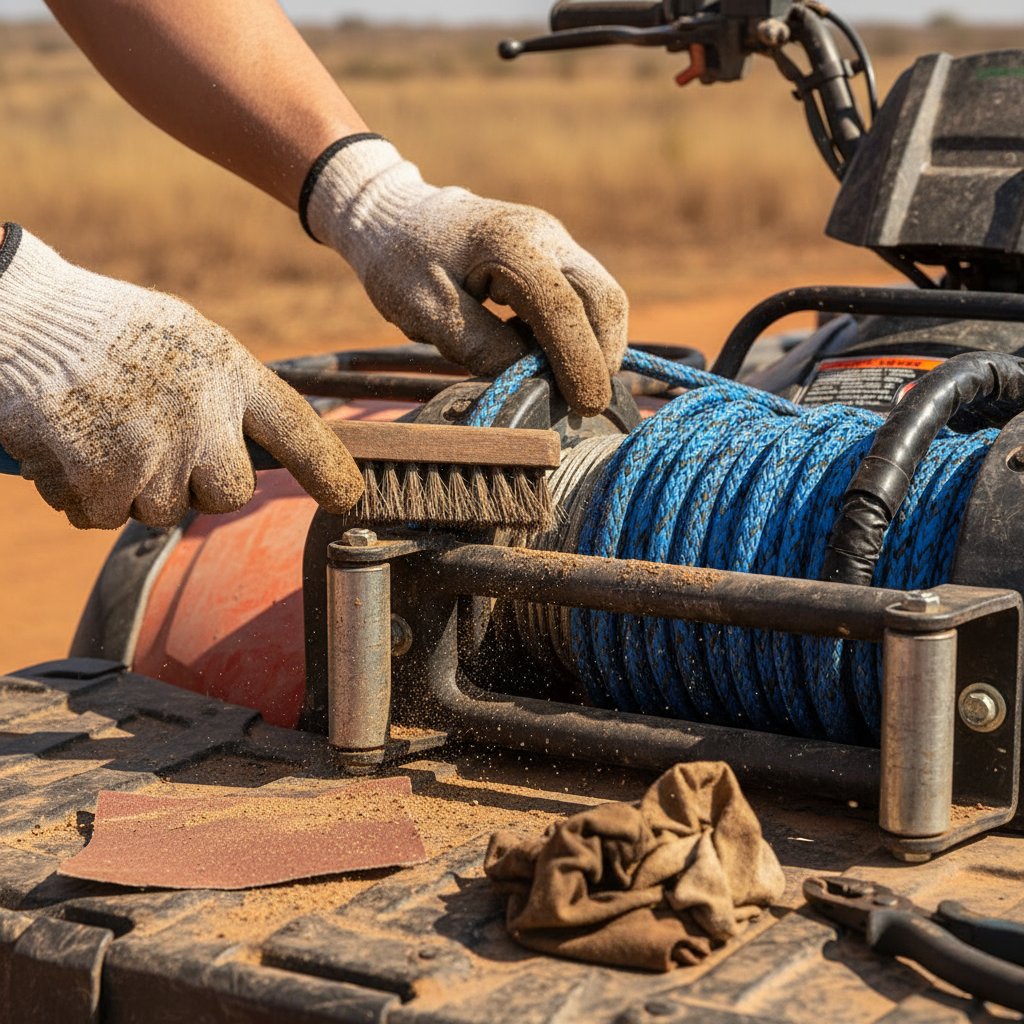
Next, carefully consider your fairlead—it's often the critical component for synthetic setups. Roller fairleads, originally designed for steel, can pinch and crush synthetic rope as it spools, creating weak spots. Therefore, you'll need a different one: swap to a hawse fairlead, which guides the line smoothly without any risky gaps. For quads, an aluminium hawse fairlead is ideal; it's lightweight and resistant to corrosion from coastal salt or inland dust. This upgrade directly addresses compatibility issues and ensures your recovery gear remains intact. For more details on selecting the right fairlead, check out this essential guide to choosing a winch rope fairlead.
Heat is another subtle but significant concern when putting synthetic rope on a winch originally designed for cable. Friction generated from spooling can create warmth that may melt synthetic fibres if unprotected. To mitigate this, wrap the drum with high-temperature silicone tape or install a dedicated heat guard sleeve. These modifications make the transition feasible, protecting your investment during high-pull situations common on steep inclines. Consider this an essential safeguard for the intense heat of the day.
Before proceeding, prioritise safety—it's absolutely non-negotiable, especially when help might be hours away. Disconnect the battery to cut power to the winch, don heavy-duty gloves to protect your hands from sharp edges, and chock the vehicle's wheels or park on level ground. For South African off-roaders, these practises transform potential hazards into routine maintenance. Have you checked your setup lately? A little foresight goes a long way towards preventing issues.
- Disconnect the battery and secure the vehicle on flat ground.
- Wear protective gloves to handle components safely.
- Verify no power flows to avoid accidental activation.
With these important checks completed, your winch is primed for the swap, setting the stage for even spooling and reliable pulls ahead.
Step-by-Step Guide to Installing Quad Winch Cable
With your winch prepared and safe, it's time to delve into the detailed steps for successfully putting synthetic rope on your winch without complications. I handled this swap on my own quad after a muddy run near the Drakensberg, and ensuring it was done correctly meant no snags during the next outing. These instructions focus on quad setups, keeping things straightforward for South African riders managing our varied trails. Follow along closely, and you'll soon have a reliable quad winch cable in place that performs smoothly when needed.
Begin by removing the old cable if you're upgrading from steel. Shift your winch to free-spool mode; this allows the drum to turn freely without power from the motor. Unhook the cable from its anchor point on the vehicle, such as the front bumper or a recovery point, ensuring the area is clear and the quad is stable. Coil the old cable carefully to avoid tangles, and dispose of it properly, as steel lines often wear out quickly in our dusty conditions. This efficiently clears the way for your new setup.

Next, attach the new quad winch cable securely to the drum. Many people often ask how to attach rope to a winch drum, and the method truly depends on your specific winch model. For bolt-on flanges, common on many ATV units, feed the rope end through the slot and secure it with the provided button-head Allen bolt, tightening to 10-15 Nm. This ensures it holds without crushing the fibres. If your winch uses a wedge system, insert the rope into the wedge slot and gently tap it home with a rubber mallet until it locks. U-bolt clamps work for other models: loop the rope and cinch the U-bolt around the drum, torquing it snugly but not overtightening. Always consult your winch manual for the exact instructions, as secure attachment prevents the line from slipping during heavy pulls.
Once attached, spool the synthetic line properly to avoid bunching that could cause jams later. Use a come-along or enlist a helper to maintain constant tension as you slowly wind the rope onto the drum—this mimics a real load and ensures even layers. Aim to fill the drum to about half an inch from the top for optimal wraps, preventing overfill that stresses the motor. Walk the line out straight and level, carefully avoiding twists, especially in tight areas like those rocky paths around the Karoo.
- Feed the rope end into the drum slot and secure it with a bolt or wedge.
- Maintain steady tension while slowly spooling.
- Fill to 1/2 inch below the top for optimal layering.
Finally, test the installation to confirm everything is solid. Reconnect the battery, engage the winch briefly without a load to check for even spooling and no slippage at the drum. Simulate a pull by attaching to a fixed point and gently easing into it, watching for smooth operation. If anything feels off, stop and readjust—that peace of mind is invaluable when you're far from assistance on a remote track.
Once installation is complete, selecting and customising your quad winch cable ensures it meets your specific needs, leading naturally into long-term care strategies.
Choosing and Maintaining Your Quad Winch Cable with iRopes Customisation
Now that your synthetic line is spooled tightly and ready for action, selecting the right one from the outset makes all the difference during those demanding South African pulls. I recall upgrading my quad's setup before a journey through the arid Namib, only to realise that off-the-shelf options didn't quite withstand the relentless dust and heat. This experience highlighted the importance of thoughtful selection, ensuring your gear can endure whatever challenges arise. For quad owners here, focusing on materials and sizing tailored to local demands keeps recoveries smooth and stress-free.
Dyneema stands out as the premier material for its incredible strength-to-weight ratio, far surpassing ordinary synthetics in tough situations. It's woven from ultra-high-molecular-weight polyethylene, meaning it resists stretching under load while remaining flexible enough for easy handling. When choosing, match the diameter to your quad's kerb weight—aim for a minimum breaking strength of 1.5 times that figure, plus any additional cargo you typically haul. A 10mm line is often suitable for most 400-600kg ATVs, but consider a thicker 12mm line for heavier rigs or steeper hauls in the bush. In terms of length, 25-30 metres provides ample reach without excessive bulk on the drum. These specifications excel in our local conditions, where scorching temperatures and abrasive sands severely test every fibre.

iRopes elevates this customisation further with their OEM and ODM services, enabling you to precisely configure what best suits your vehicles through comprehensive rope customization options. Imagine adding reflective strands for those early morning patrols in the Lowveld or choosing vibrant colours that match your quad's livery—all feasible without compromising performance. They incorporate essential accessories like protective thimbles to shield ends from chafe or spliced loops for quick hook-ups, alongside full branding options if you're outfitting a fleet. These are not merely add-ons; they are designed for high-demand markets like Australia, Europe, America, and the Middle East, where custom durability drives customer demand. Backed by ISO 9001 standards, iRopes ships directly to South Africa, reducing wait times for your perfect match.
Once installed, maintaining your line is straightforward, especially when compared to the demands of old steel cables. After every muddy outing, rinse it with fresh water and mild soap to wash away grit and salt. Avoid harsh chemicals; a gentle clean preserves the fibres effectively. Regular checks are vital: run your fingers along the rope's length to detect any fuzzing or small cuts that indicate wear, and gently tug on sections to identify weaknesses before they fail mid-pull. Store it coiled loosely in a dry, shaded spot to prevent sun degradation. If you're wondering about lubrication, synthetic types like these require no lubrication at all. They are inherently self-lubricating, relying on their smooth construction rather than oils that can attract more dirt. For more on enhancing your setup with durable replacements, explore how to boost your winch with a durable replacement synthetic rope.
Inspection Basics
Spot Issues Early
Feel for Fuzz
Glide hands over the rope; soft fuzz indicates fibres are breaking down from friction.
Check Cuts
Look for nicks or abrasions that could spread under tension during a recovery.
Measure Diameter
If it shrinks more than 10%, it's time to replace it for safety on tough trails.
Replacement Signs
Know When to Act
Visual Tug Test
Pull firmly; if strands separate easily, retire the line to avoid snap risks.
UV Fading
Discolouration from prolonged sun exposure signals reduced strength in our climate.
Age and Use
After 2-3 years of heavy off-roading, even clean ropes lose integrity over time.
Replace your rope promptly if you observe diameter shrinkage or if it fails a simple visual inspection—it's always safer than being stranded without options in remote areas. This routine extends your line's life through our harsh environments, ensuring your adventures continue without interruption.
Upgrading to synthetic winch rope in South Africa fundamentally transforms your off-road recoveries. It offers unmatched lightness, superior strength, and enhanced safety compared to heavy steel cables that can rust and recoil dangerously in our challenging terrains like the Karoo or Drakensberg. By properly preparing your winch drum, switching to a hawse fairlead, and following the step-by-step guide for putting synthetic rope on your winch, you will ensure a smooth installation and reliable performance for your quad. With iRopes' custom Dyneema options—tailored in strength, colours, and accessories like thimbles—these quad winch cables excel in dusty, UV-intense conditions. They are hot-selling across Australia, Europe, America, and the Middle East, demonstrating robust global demand. Regular cleaning and inspections will extend its lifespan significantly, eliminating the need for lubrication. Discover more about best synthetic winch rope for ATV custom options to optimize your setup.
These insights empower you to tackle South African trails with greater confidence, reducing fatigue and risks while boosting your pulling power. For personalised adjustments to precisely match your quad's needs, iRopes' expertise delivers OEM solutions shipped directly to you.
Need Tailored Synthetic Rope Solutions for Your Quad? Contact iRopes Today
If you're eager to customise your setup further or have questions about specific requirements for local adventures, please fill out the inquiry form above. Our dedicated team at iRopes is ready to guide you towards the ideal winch rope that will truly elevate your off-roading experience.