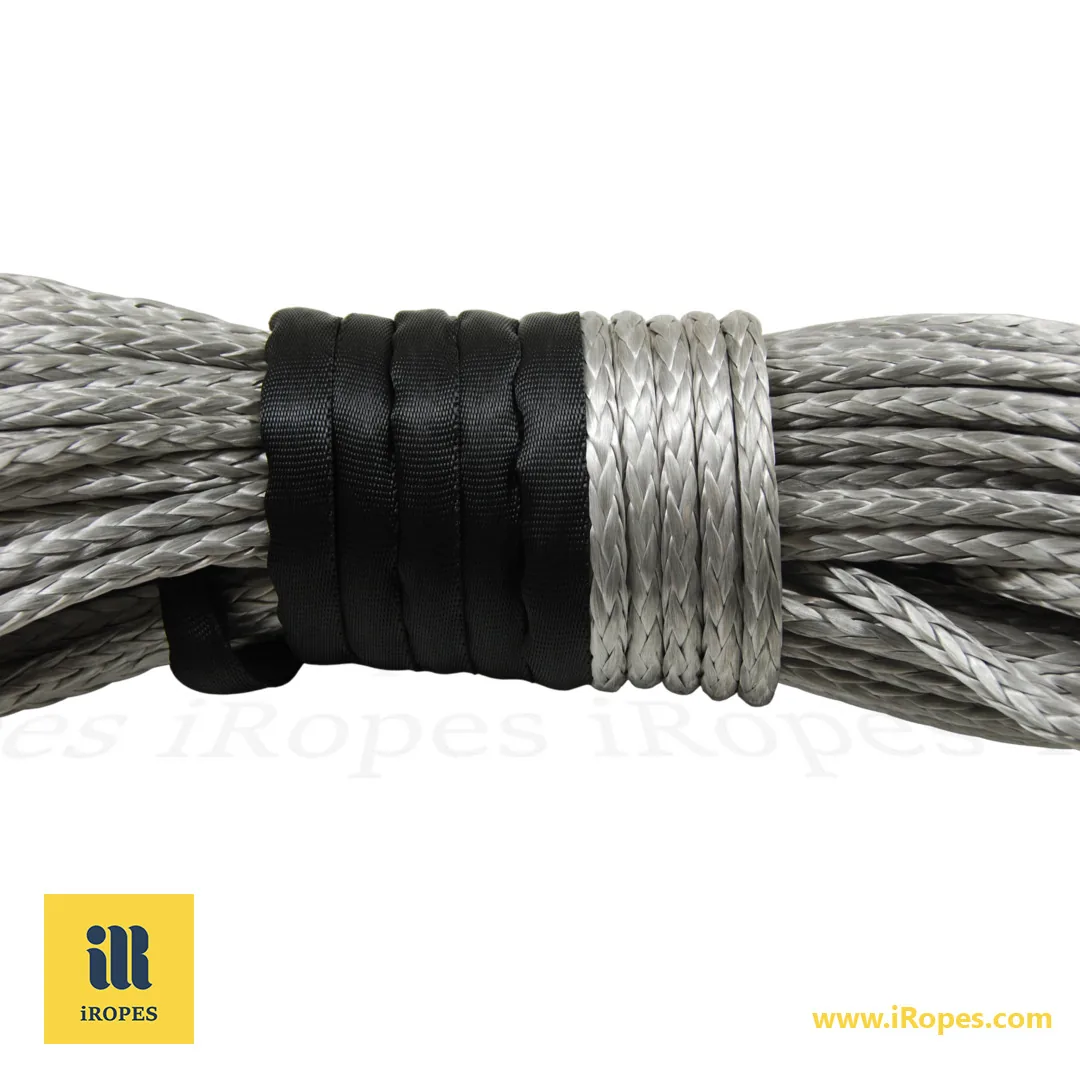
Swap a steel winch cable for iRopes UHMWPE rope and shed up to 85% of the line weight while reducing strain on your winch. ⚡
What you’ll gain – 3‑minute read
- ✓ Cut line weight by up to 85% – easier handling and storage.
- ✓ Reduce dangerous recoil risk thanks to low mass and safer failure mode.
- ✓ Lower lifetime maintenance with proper care and UV protection.
- ✓ Install in 30–45 minutes using iRopes’ mule‑tape & tracer‑wire method.
You’ve probably been yanking a steel cable for every off‑road rescue, convinced it’s the only option—until you see how a high‑strength UHMWPE rope can shave kilograms off your setup and tame the dreaded snap‑back. With iRopes’ mule tape with tracer wire, you can replace winch cable with rope using a clean, guided path that typically cuts install time to 30–45 minutes and protects the rope’s fibres. Keep reading to discover the exact, safety‑first steps that make this transformation effortless and reliable.
replace winch cable with rope: Benefits and Safety Overview
Building on the introduction’s promise of a lighter, smoother recovery, the first thing you’ll notice when you swap a steel cable for a synthetic line is how much easier the whole system becomes to handle.
Weight reduction and handling advantages – A comparable UHMWPE rope is up to 85% lighter than steel. That saves significant kilograms per spool, making it simpler to load, store, and manoeuvre on‑site. The reduced mass also eases the winch’s workload during pulls.
Safety improvements – Steel cables store high kinetic energy and can “whip” if they fail. UHMWPE rope has low mass and stores far less energy, so if it fails it tends to drop rather than recoil violently. Pair it with an aluminium hawse fairlead, as WARN recommends, to minimise abrasion and premature wear.
Cost‑benefit snapshot – Synthetic rope usually costs more upfront than steel cable, but ongoing costs can be lower. You’ll spend less time handling heavy line, reduce wear on hardware with the correct fairlead, and extend service life with UV covers and regular inspection. For heavy users, the higher initial price is often offset within 2–3 years.

When the question pops up – “Can you replace steel winch cable with synthetic?” – the short answer is a confident yes. The key points are:
- Yes – weight reduction - synthetic rope is up to 85% lighter than steel, easing handling and storage.
- Yes – safety gain - lower mass reduces stored energy; use a hawse fairlead as WARN advises.
- Yes – long‑term value - with correct maintenance and UV protection, lifetime costs can be lower.
mule tape with tracer wire: Routing Technique for Synthetic Ropes
Now that you understand the why, let’s look at the how. The mule tape with tracer wire acts like a breadcrumb trail, turning a chaotic rope‑pull into a clean, guided motion. By wrapping this heavy‑duty tape around the existing steel line, you create a temporary sleeve that the new synthetic rope can follow without guesswork.

Think of the tape as a temporary conduit. The embedded tracer‑wire is a thin, highly visible strand that you can pull with a glove or a small hook, ensuring the new line follows the exact route you laid out.
- Lay the mule‑tape along the length of the old steel cable, keeping it snug but not stretched.
- Press the tape firmly so the tracer‑wire sits flush against the cable surface.
- Attach a small eye‑hook to the tracer‑wire end, then pull the hook through the tape sleeve.
- Feed the new synthetic rope into the eye‑hook and gently draw it through the tape‑formed tunnel.
- Once the rope emerges cleanly on the other side, unwind the tape and discard it.
Those five moments turn a potentially messy pull into a predictable glide, saving you time and keeping the rope’s sheath free from abrasions.
Essential Tools & Safety Gear
You’ll need a roll of wide, flat mule‑tape, a cutter or heavy‑duty scissors, a sturdy eye‑hook, and a pair of needle‑nose pliers. Safety‑first items include gloves, safety glasses, and a lock‑out‑tag‑out kit for the winch battery. Having a torque wrench handy helps you retorque fairlead and mounting fasteners after the rope is in place.
When you follow the numbered routine, the whole process of replacing winch cable with rope feels almost mechanical—just pull, guide, and release. The tracer‑wire leads the way, so you never have to wrestle a stiff steel line out of a tight bumper and fairlead area.
“Mule‑tape and tracer‑wire is the fastest way we’ve seen to route a synthetic line without pulling it blind.” – iRopes Engineering Team
That brief answer to the common “How do I install mule tape with tracer wire?” question is exactly the numbered list above. By treating the tape as a temporary guide, you eliminate guesswork and keep the synthetic rope’s fibres pristine.
With the rope now threaded cleanly, the next logical step is to secure the hawse fairlead and finish the full installation of your new synthetic line.
replacing winch cable with synthetic rope: Step‑by‑step Installation Guide
Now that the mule‑tape has handed you a clean path, it’s time to finish the conversion. The following workflow walks you through removing the steel line, fitting the right hardware, and getting the new UHMWPE rope onto the drum without a hitch.
Preparation
Getting the winch ready
Remove steel
Detach the old cable, inspect the drum for scoring, and wipe away any grit.
Inspect drum
Look for dents or corrosion; a smooth surface lets the synthetic line sit evenly.
Install hawse
Mount the aluminium hawse fairlead and secure the puck anchor so the rope eye aligns with the drum.
Rope Installation
Laying and testing the synthetic line
Feed rope
Guide the rope through the hawse fairlead, then pull it onto the drum until the eye passes the drum flange.
Spool tension
Rotate the winch slowly while maintaining firm, even tension; the line should lay flat without overlap.
Pre‑load test
Engage the winch at around 25% of its rated load for a short pull, then release; watch for smooth payout with no jerks.

One common mistake is keeping a steel roller fairlead when switching to a synthetic line. The difference is more than just a plug‑in change.
Roller
High friction on UHMWPE causes rapid fibre wear and can lead to premature failure.
Hawse
Low‑friction aluminium guide lets the rope glide, preserving strength and meeting WARN recommendations.
With the rope fed, tensioned, and the pre‑load check passed, you’ve completed the conversion. The next step is keeping that line in top condition—UV protection, regular inspection, and proper storage—so you can rely on it for every off‑road recovery.
Ready for a custom winch rope solution?
Swapping a steel winch cable for a synthetic line cuts weight by up to 85%, reduces recoil risk, and can lower long‑term costs with correct care. Using the mule‑tape with tracer wire method provides a clean guide, and iRopes — a leading rope maker in China — supplies premium UHMWPE rope to replace winch cable with rope.
For a custom‑designed solution, detailed sizing, or OEM/ODM support when replacing winch cable with synthetic rope, just complete the form above. Our specialists will tailor advice to your vehicle and recovery needs, backed by ISO 9001 quality assurance and dedicated IP protection.
Want personalised assistance? The enquiry form above is your direct link to expert help from iRopes.