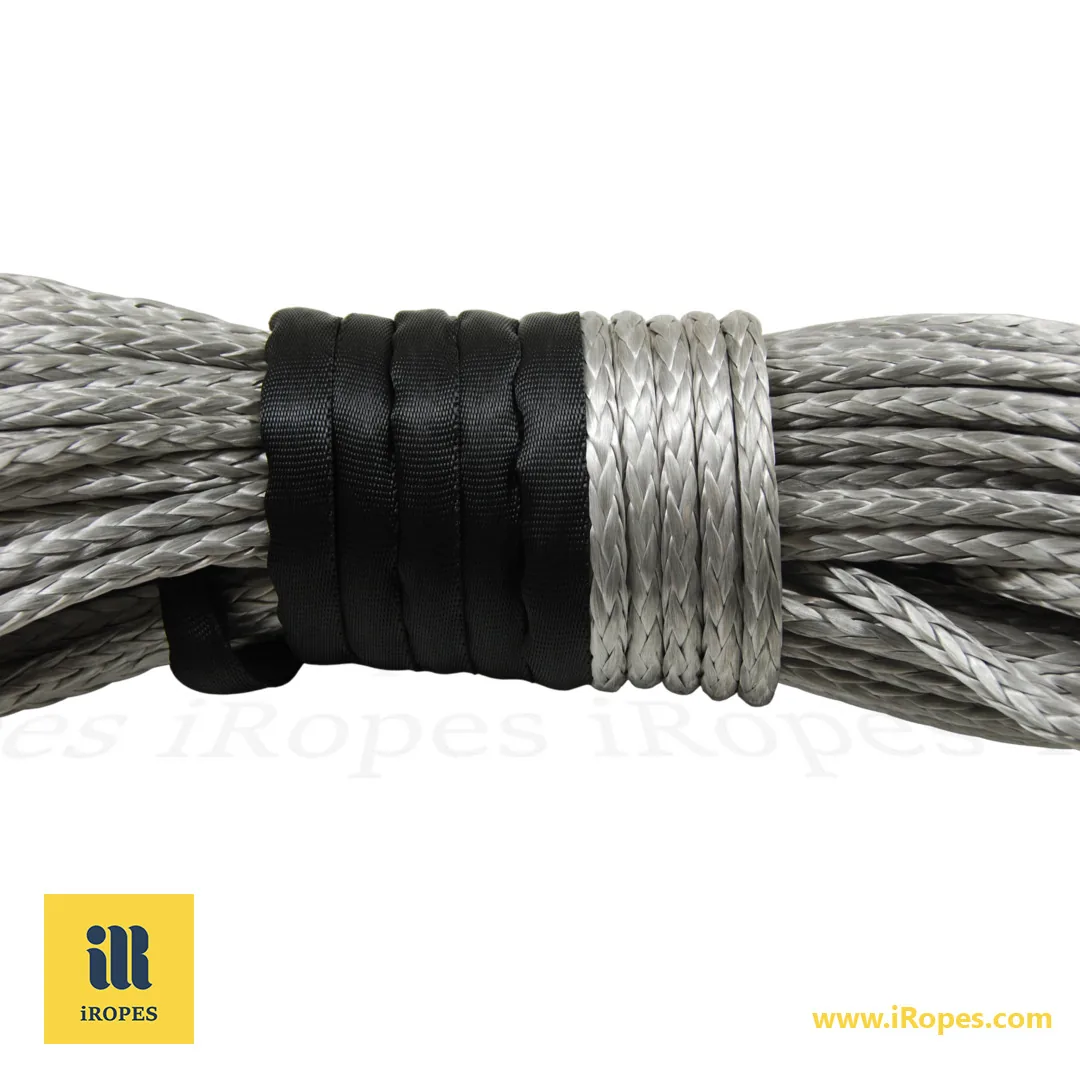
Marine ropes failing under dynamic loads? iRopes customises HMPE solutions with 15x the strength-to-weight ratio of steel, slashing creep by over 80% and ensuring 7:1 safety factors for unbreakable tensioning. ⚡
Master Marine Tensioning Essentials in a 5-Minute Read →
- ✓ Grasp nylon's 30% elasticity for shock-absorbing dynamic loads, preventing snaps in towing scenarios
- ✓ Optimise pulley systems with HMPE's low-friction glide, boosting efficiency by 25% while cutting wear
- ✓ Build creep-resistant large ropes using polyester, extending lifespan 2x in UV-exposed moorings
- ✓ Implement pre-tension monitoring to maintain 95% load balance, slashing maintenance costs dramatically
You've likely trusted thicker ropes to conquer marine chaos, yet they've stretched unpredictably, risking cargo and crew in rogue swells—but what if low-creep HMPE constructions flipped that script, delivering taut precision without the endless tweaks? iRopes uncovers these overlooked material synergies, revealing how just one custom adjustment transforms vulnerability into unyielding stability. Dive deeper to secure your operations before the next storm hits.
Understanding Rope Resistance in Marine Applications
Imagine being on the open sea, waves crashing against your vessel. Every line holding things steady must withstand unpredictable forces. That's the reality for anyone working in marine environments, where ropes aren't just accessories—they're lifelines. Building on those challenges, let's explore what rope resistance truly means and why it matters so much at sea.
Rope resistance boils down to a line's ability to handle stress without giving way. This includes
What shapes this resistance? Several elements determine if your rope will hold firm. Material properties are crucial—synthetics like nylon or polyester each bring unique traits to the table. Diameter matters because thicker ropes spread out the force better, reducing wear. Environmental exposure, such as saltwater corrosion or relentless UV rays, can degrade performance over time. Let's focus on dynamic load resistance, where sudden jerks from towing or mooring in choppy waters test the rope's limits. Abrasion from rubbing against decks or anchors, moreover, adds another layer, demanding materials that resist fraying.
- Material properties dictate baseline strength and flexibility; for instance, some fibres absorb shock better than others.
- Diameter and construction: Larger sizes boost load capacity, while braided designs often outperform twisted ones in harsh conditions.
- Environmental factors: Saltwater immersion or sun exposure can weaken fibres, so UV-stabilised options extend usability.
When it comes to the best type of rope to resist dynamic loads, nylon stands out for its high elasticity and shock absorption. Picture a heavy towline snapping taut against a rogue wave—nylon stretches up to 30% of its length at breaking point. It soaks up that energy like a sponge rather than transferring it as a jolt that could snap a stiffer line. This makes it ideal for marine scenarios like towing boats or securing moorings in rough conditions, where low-stretch alternatives might fail under impact. Have you ever wondered why some lines feel bouncy while others are rigid? It's that elasticity saving the day in unpredictable seas.

Grasping these basics sets the foundation, but putting them to work often involves smart tensioning to keep everything balanced and secure.
Comprehensive Rope Tensioning System for Marine Stability
Now that we've unpacked the essentials of rope resistance, it's time to see how we actually keep those lines under control in the unpredictable world of the sea. Smart tensioning isn't just about pulling tight; it's about distributing loads evenly so your setup stays stable, no matter what the ocean throws at it. Think of it like fine-tuning a guitar string: too loose, and everything sways dangerously; too tight, and you risk snapping under pressure. In marine operations, effective rope tensioning systems prevent slippage, reduce wear, and safeguard both crew and cargo.
The main goal of a rope tensioning system is to maintain consistent pull across your rigging, ensuring even load sharing that boosts overall stability. For instance, when mooring a vessel during a storm, proper tension absorbs waves without letting lines go slack or overload one side. Types vary by scale and needs. Mechanical winches use gears for precise adjustments on smaller boats, making it easy to crank in line by hand or power. Hydraulic setups shine in larger applications, like offshore platforms, where pumps deliver massive force smoothly for heavy lifts. Then there's pre-tension, that initial snugness you apply before the full load hits, which helps spread forces predictably and cuts down on sudden shifts. Ever handled a sailboat in choppy water? Getting that pre-tension right means your sheets won't flog or fail when it counts.
- Mechanical winches: Ideal for controlled, incremental tightening in dynamic marine tasks.
- Hydraulic systems: Power through extreme loads with minimal effort, perfect for industrial-scale mooring.
- Pre-tension techniques: Set baseline pull to optimise load distribution and prevent uneven stress.
At the heart of any solid setup are the key components that make tensioning reliable. Tensioning hardware, like turnbuckles or ratchets, lets you adjust on the fly, while pulleys redirect force efficiently without snagging. Anchors or cleats provide the fixed points—strong, corrosion-resistant ones are non-negotiable in saltwater. For pulley systems, where friction can eat away at performance, HMPE ropes are tough to beat. Their slick surface glides smoothly, cutting energy loss and extending hardware life, especially in high-repetition towing or rigging jobs. It's why pros reach for them in setups needing peak efficiency.
When you're picking the best rope for straight-up tension, polyester takes the crown for low-stretch static roles in marine rigging. It holds shape under constant pull with minimal elongation—maybe just 10-15% at break—while shrugging off UV rays and abrasion that plague lesser lines. This makes it a go-to for long-term moorings or cargo lashing, where you want durability without constant tweaks. I've seen polyester lines outlast others in sunny, salty conditions, keeping things secure season after season.

These systems lay the groundwork, but when tasks scale up to heavier demands, like deep-water anchoring, you'll require ropes built for the big leagues.
Navigating Rope Large Solutions for Heavy-Duty Marine Tasks
While tensioning systems handle basic requirements, heavier marine jobs call for ropes that punch above their weight. Picture deep-water operations where lines must secure massive platforms or haul equipment through relentless currents. That's where rope large solutions step in, designed to tackle loads that would overwhelm standard setups. Building on those efficient tensioning tools, let's explore how beefier options keep everything locked down in the toughest spots.
Large ropes earn their name through standout features that match extreme demands. We're talking diameters starting from 50mm up to 250mm or more, which directly amp up the load capacity without excessive bulk. High-strength materials like HMPE (high-modulus polyethylene) lead the pack here. They offer a strength-to-weight ratio that beats steel while floating in water, a huge plus for towing or mooring where excess weight drags down efficiency. These ropes handle breaking strengths in the tens of thousands of pounds, ideal for deep-sea tasks where failure isn't an option. I've seen them in action on supply vessels, coiled thick and unyielding, ready to absorb the pull of anchors in 1,000-foot depths without flinching.
Key Traits
Large Rope Essentials
Bigger Diameters
From 50mm upward, they distribute force evenly for safer heavy pulls.
HMPE Strength
Lightweight yet ultra-tough, ideal for towing without added drag.
Mooring Focus
Engineered for constant submersion and wave impacts in open water.
Benefits
In Action
Durability Boost
Resists abrasion from rough hardware, lasting seasons longer.
Load Balance
Even tension across wide spans prevents weak spots in rigging.
Versatile Use
Suits towing, anchoring, and more with minimal maintenance needs.
In marine work, these ropes shine in scenarios like offshore rigging, where they lash platforms to pilings amid pounding surf, or cargo securing on freighters, holding containers steady through gales. Customisation is key—iRopes lets you dial in exact lengths, from 100 metres for mooring to shorter bursts for towing, plus tailored terminations like spliced eyes or thimbles that fit your hardware perfectly. No more one-size-fits-all; you get lines that match your vessel's specs, whether for yachting hauls or industrial docks.
Choosing materials and construction for large ropes means prioritising what stands up to the extremes. HMPE again dominates for its low creep under sustained pull, often paired with braided constructions that lock in flexibility without sacrificing grip. Polyester blends add UV armour for sun-baked decks, while parallel cores maximise power in twisted designs. All this comes with ISO 9001 backing, ensuring every coil meets global standards for reliability. What if your setup faces corrosive chemicals or icy waters? We factor that in, crafting lines that resist without compromise.

These robust builds set the stage, but even the strongest ropes need watching for subtle shifts, like gradual elongation over months of strain.
Advanced Considerations in Creep Resistance and Monitoring for Marine Installations
Those subtle shifts in large ropes over time, like the gradual elongation we just considered, point straight to creep—a sneaky issue that can undermine even the toughest setups if you're not paying attention. In marine installations, where lines might hold steady for months under constant pull, creep means the fibres slowly stretch permanently, loosening tension and risking instability. It's especially common in synthetic ropes exposed to sustained loads, but understanding it lets you choose smarter options that keep things reliable. This is where creep resistance and diligent monitoring become critical.
Creep happens when polymers in the rope material rearrange under ongoing stress, leading to unwanted lengthening—sometimes up to several percent over a year in high-tension scenarios. For continuous tension in mooring or rigging, this can shift loads unevenly, putting extra strain on anchors or hardware. The good news? Mitigation starts with picking low-creep materials. HMPE fibres, for example, resist this far better than traditional nylon, maintaining shape with minimal deformation even under heavy, prolonged use. Construction plays a role too—parallel core designs distribute stress evenly, reducing creep hotspots. If you're dealing with long-term marine ties, opting for these cuts the need for frequent adjustments and boosts safety. What if a slight looseness during a storm turns into a major slip? Selecting the right low-creep rope prevents that headache right from the start.
Low-Creep Choices
HMPE fibres excel here, showing less than 1% elongation in tests under constant marine loads.
Braided Builds
These lock fibres tightly, minimising internal shifts for steady performance over time.
Load Testing
Regular checks with dynamometers spot early creep, allowing tweaks before issues build.
Protective Covers
Added sleeves shield against UV and chemicals, preserving material integrity in harsh seas.
Dynamic loads add another layer, where sudden spikes demand ropes that handle both creep and impacts without failing. Pre-tension— that baseline tightness—helps by evening out these forces from the outset, but you need ways to monitor it. Tension gauges, simple devices that measure pull in real-time, let you spot deviations early, enabling adjustments via winches or turnbuckles to keep everything balanced. In offshore work, I've seen how skipping these checks led to snapped lines; using them turned potential disasters into routine maintenance.
Getting installation right sets the tone for longevity. Start with proper splicing to avoid weak points, routing lines clear of sharp edges to dodge chafe, and securing anchors to rated specs. Maintenance means monthly visual scans for frays or discolouration, plus annual load tests, following standards like those from the Cordage Institute. Routine inspections catch wear before it worsens, often just by feeling for softness or measuring length changes. Safety-wise, always factor in a 7:1 safety margin for critical marine spots, ensuring your system complies with ABS guidelines. These steps not only prevent failures but extend rope life, saving time and costs down the line.

Mastering these elements means your marine setups perform at peak, and partnering with experts who tailor them to your exact needs takes it further.
Exploring rope resistance in marine applications reveals how nylon's elasticity absorbs dynamic shocks. Meanwhile, comprehensive rope tensioning systems using polyester for low-stretch durability and HMPE for efficient pulley glide ensure stable load distribution. For heavy-duty tasks, rope large configurations with larger diameters and high-strength materials like HMPE tackle extreme towing and mooring. This is enhanced by pre-tension requirements and robust tensioning hardware. Addressing creep resistance through low-creep fibres and parallel cores, alongside monitoring systems like tension gauges for timely adjustments, safeguards critical installations against long-term failures, ultimately revolutionising safety and performance at sea.
iRopes' expertise in OEM/ODM customisation, backed by ISO 9001 standards, empowers you to tailor these solutions precisely to your vessel's demands, from material selection to global delivery.
Need Bespoke Marine Rope Solutions? Get Expert Advice Today
If you're ready to apply these insights to your specific marine operations and seek personalised recommendations on rope resistance, tensioning, or large-scale customisations, reach out using the inquiry form above. Our iRopes specialists are here to guide you towards optimal, reliable solutions.