Splicing 3-strand rope to chain preserves 90-95% of its breaking strength—crushing knots that weaken lines by 50% or more. This seamless connection shields your anchor rode from chafe and windlass jams, keeping you secure on choppy waters without bulky failures.
Build Bulletproof Anchor Connections (10-Min Read)
- ✓ Retain **95% rope strength** for storm-proof holding—eliminate knot failures that drag your boat
- ✓ Slash chafe damage by 70% through tucked strands, extending rode lifespan by seasons
- ✓ Achieve windlass-friendly smoothness to haul anchor effortlessly—no jams or gear wear
- ✓ Master maintenance inspections that spot wear early, preventing costly mishaps at sea
You might think a quick knot suffices for linking rope to chain, but in surging swells, it frays fast—leaving your yacht adrift when seconds count. What if splicing's hidden tucks could fuse them into an unbreakable chain-rope hybrid? This method retains near-full power while gliding through your windlass. Dive in to uncover the precise steps that transform amateur ties into pro-level security, backed by iRopes' custom marine ropes for your next voyage.
Why Choose to Splice 3 Strand Rope to Chain
Imagine being out on the water, the wind picking up, and your anchor needing to hold steady. A weak connection between your rope and chain could spell trouble, turning a peaceful cruise into a nightmare. That's where splicing comes in; it's a hands-on way to join your 3-strand rope directly to the anchor chain, creating a bond that is both tough and reliable. Unlike just tying a knot, which can weaken the line and invite wear, splicing weaves the rope's strands into itself and around the chain for a seamless fit. Many boaters struggle with frayed ends after a storm simply because they skipped this step. It’s a small effort that pays off big in safety.
So, why go for a splice over a simple knot when connecting rope to anchor chain? First off, it preserves nearly all your rope's strength—retaining up to 90-95%, depending on the material. Knots, however, can cut that down by half or more, leaving you vulnerable when you need full power most. Splicing also fights chafe effectively. That constant rubbing against the chain link occurs less because the strands are neatly tucked away, unlike the bulging knots. Picture the chain grinding against exposed rope in rough seas; a splice smooths that out, extending your gear's life. For anyone with a windlass on board, this method is a game-changer. The low profile lets the rope feed through without jamming or causing extra strain on the mechanism.
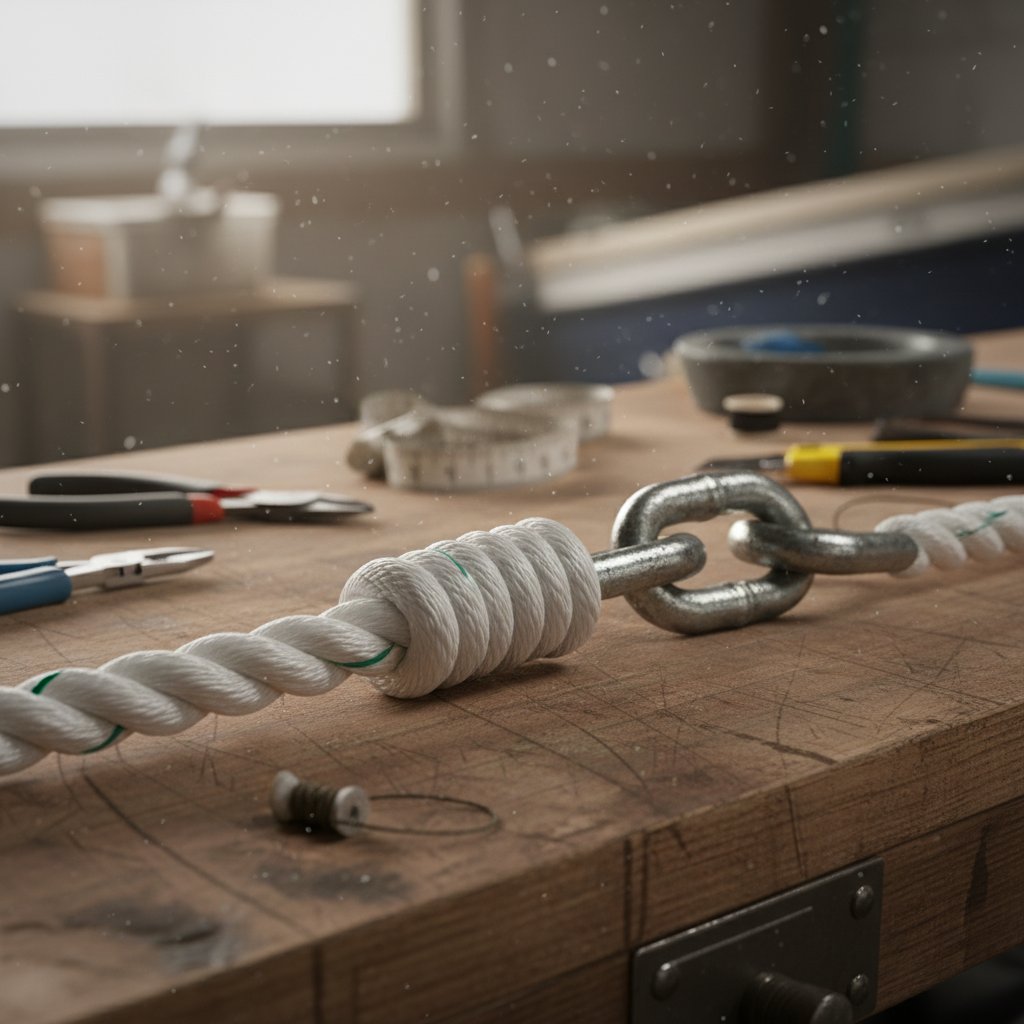
This approach shines when building an anchor rode compatible with your windlass gypsy—the toothed wheel that grips the chain and rope. If your setup includes one, a bulky knot might skip teeth or wear them down fast. In contrast, a proper splice glides right through. It's essential for yachting enthusiasts or anyone navigating choppy waters where every anchor hold counts. Has your anchor ever dragged due to a sloppy connection? Splicing eliminates that risk by ensuring proper compatibility from the start.
Keep in mind, not all ropes are suitable for this technique. You'll want 3-strand constructions, specifically nylon for its elasticity that absorbs shocks from waves, or polyester for better UV resistance in sunny climates. Both materials splice easily because their twisted strands unlay without fuss, providing the elasticity and grip you need. At iRopes, we craft these in various diameters tailored for marine use, perfect for wholesale orders where consistency matters. Solid braids or parallel core ropes, however, should be avoided. They won't untwist properly and could fail under load. Trying to splice these is much like forcing a puzzle piece where it doesn't fit—it results in frustration and weakness.
Indeed, if you're selecting the best rope for a windlass setup, 3-strand nylon edges out for its flexibility, allowing the line to conform to the gypsy without binding. Polyester follows closely if low stretch is your primary goal. Either way, splicing surpasses tying for durability. Knots loosen over time, but a well-made splice stays securely put.
- Strength boost - Retains 90-95% of rope's breaking power, far surpassing knots.
- Chafe reduction - Tucked strands protect against abrasion at the chain interface.
- Windlass friendly - The slim design prevents jams and extends equipment life.
Understanding these perks truly highlights why investing time in a splice makes sense for any serious boater. It sets the stage for gathering the right tools and materials to achieve a connection that lasts.
Essential Tools and Materials for Rope to Chain Connections
Now that you grasp how splicing outperforms knots in maintaining a strong and smooth anchor rode, let's discuss what you'll need to accomplish this. Gathering the right gear isn't just about checking boxes; it’s about setting yourself up for a connection that won't fail when the seas turn rough. I’ve fumbled through a few projects with makeshift tools before, and believe me, it turns a straightforward task into a headache. With the basic tools, however, you can focus on the weave rather than wrestling with frustration.
First things first, the tools themselves. You don't need a lavish workshop, but precision is vital here. A fid—a tapered tool resembling a thick needle used for pushing strands through—is non-negotiable for neatly tucking everything. Also, grab a hot knife; it seals synthetic fibres as you cut them, preventing fraying like a pulled sweater thread. A measuring tape helps you accurately gauge the unlay length, while a permanent marker lets you label strands, preventing mix-ups mid-process. Finally, whipping twine or electrical tape secures ends temporarily, keeping things from unravelling before you're ready. These are not exotic items; most chandlers stock them, and they are well worth the investment for anyone serious about boating.
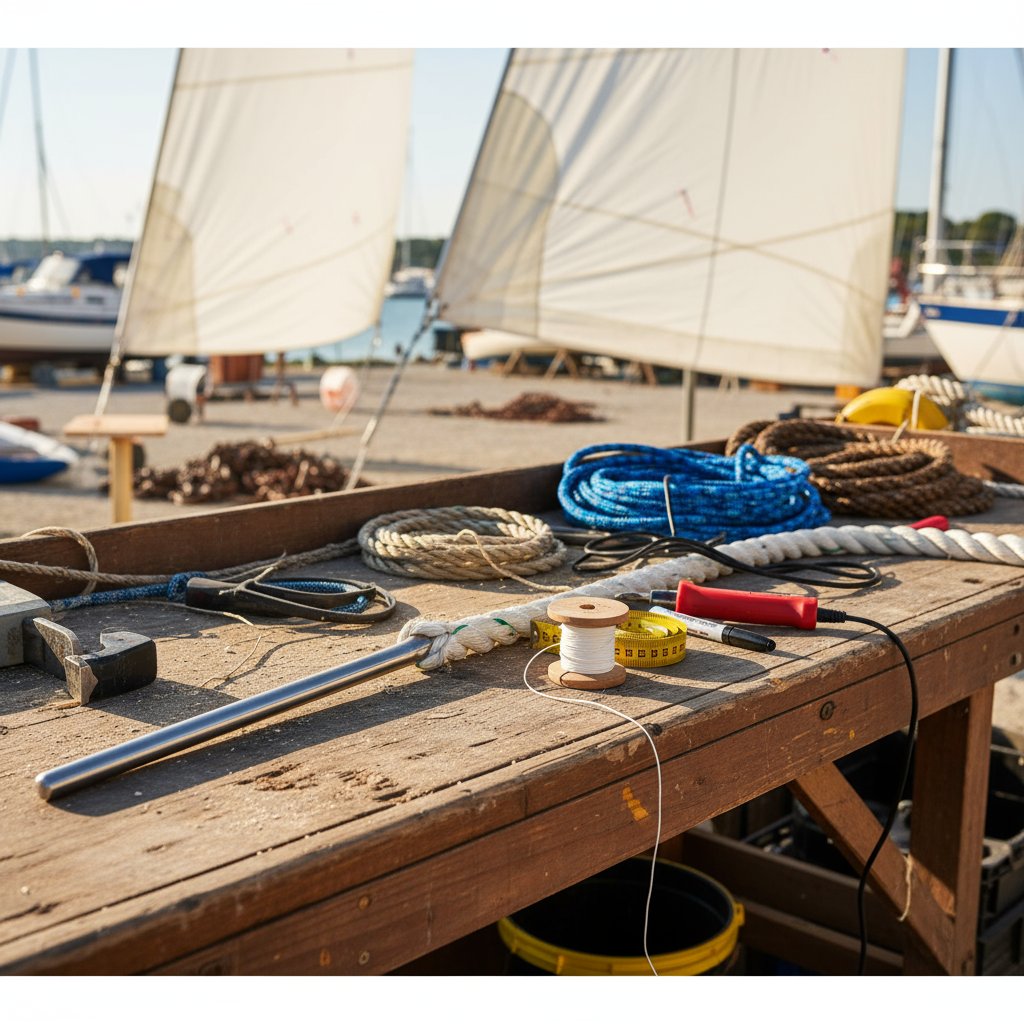
Of course, the rope itself is the star. For connecting rope to anchor chain, especially if your windlass is involved, stick to 3-strand nylon. Its elasticity absorbs jolts from waves, making it ideal for dynamic loads, and it lays flat against the gypsy for effortless hauling. Polyester also works well, offering less stretch but superior resistance to sunlight—perfect for prolonged exposure. Both materials untwist cleanly, allowing for easy splicing. However, beware: solid braid ropes, with their woven jacket, resist unlaying entirely, and parallel core designs lock up under tension. You cannot splice these to chain reliably; they would simply bunch and fail when you need them most.
As for the chain, opt for short-link proof-grade material, galvanized for corrosion resistance in saltwater or stainless steel if you prefer longevity without the upkeep. The links must be stout enough to handle your boat's weight, typically G43 or G70 rated, but sized to match your rope's diameter for balance. At iRopes, we manage wholesale runs of these setups, customizing lengths and pairings so your entire rode arrives ready to deploy. Whether you're outfitting a fleet or just one vessel, our options ensure no compromises on fit.
- Fid for tucking - Guides strands precisely to avoid bunching.
- Hot knife sealing - Prevents fraying on cuts for a clean finish.
- Whipping twine - Holds rope ends secure during handling.
Picture this: you're at the dock, kit in hand, rope uncoiling smoothly. With these components, the actual splicing feels less like a chore and more like building something solid. What surprises most people is how these simple choices—the right rope, a matched chain—make the whole process click into place.
Step-by-Step Guide to Connecting Rope to Anchor Chain
With your tools laid out and the correct 3-strand nylon rope paired with that short-link chain, it's time to roll up your sleeves and begin the splice. I recall my first attempt at this on a friend's old ketch. The wind was calm, but I was anything but, fumbling the strands until a seasoned mate showed me the rhythm. It clicked then: patience transforms this into a straightforward weave that locks everything tightly. This process builds a connection that's not just secure but also perfectly tailored for the demands of anchoring, ensuring your rode handles the job flawlessly. Let's break it down, one careful move at a time.
First, prepare the rope end to avoid any future tangles or slips. Measure out about 18 to 21 times the rope's diameter for the unlay length; this is roughly two feet for a half-inch line, providing ample working room without unnecessary waste. Apply a tight whipping of twine or tape directly at that mark to hold the strands in place. Then, use your fid or fingers to gently untwist them. You'll end up with three separate strands; label them clearly with your marker, perhaps I, II, and III, starting from the end. This step prevents chaos—think of it as organising threads before sewing a seam that cannot afford mistakes.
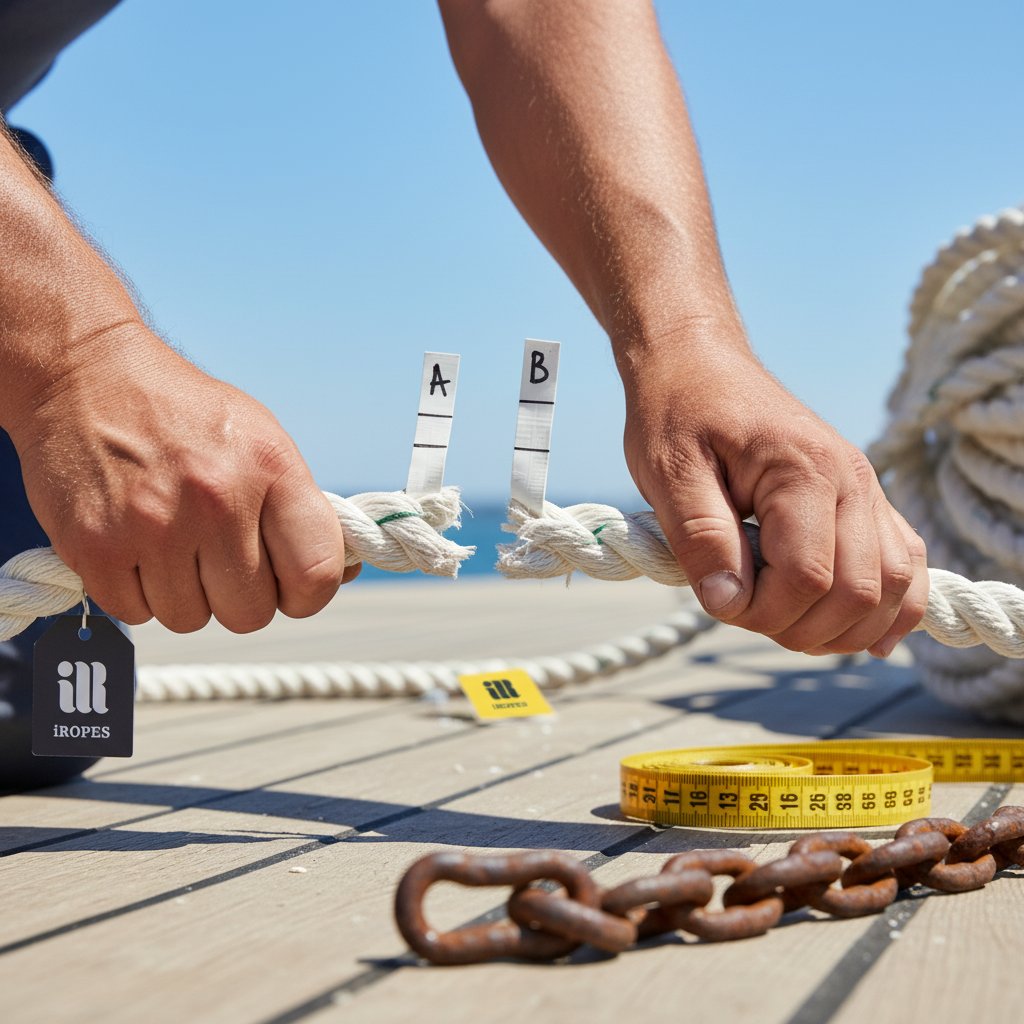
Next, thread those strands through the chain's final link. Slide strand II through from one side of the link, then pass strands I and III through from the opposite side. This technique opposes the twist, keeping the rope balanced under load. Now comes the core of the splice: initial tucks. Using the fid, work each strand in an over-one, under-one pattern. For example, take strand I and tuck it over the first standing strand it meets, then under the next one, matching the rope's natural lay. Repeat this for the other strands, pulling snug but not excessively tight at first. Aim for even tension, much like drawing a bowstring steadily. These early tucks, about two or three rounds, form the core grip. If you're wondering how to splice a line to an anchor chain securely, it’s this methodical interweaving that distributes stress evenly, far better than a loop that could slip.
Once those basics are in place, taper the strands for a sleek finish that won't snag your windlass. After the initial tucks, thin each working strand by cutting away about a third of its yarns with the hot knife—it seals as it cuts, preventing fraying. Continue with another two to three tucks using these slimmer versions, always maintaining the over-one, under-one pattern. Then, thin again by a third and add one or two final tucks, aiming for a total of five to seven for a solid hold (seven is recommended for heavy conditions). Trim the stubs closely, roll the splice underfoot to settle it, and give it a test pull. The result? A smooth, tapered joint that blends rope to chain as if it were integral, ready for the waves.
- Measure and whip the end for control.
- Unlay and label strands I, II, III.
- Thread through chain: one opposite two.
- Tuck over 1, under 1; thin after initial rounds.
- Finish with 5-7 total tucks and trim smooth.
Ever notice how a rushed tuck leaves a lump? Taking it slowly here pays off, creating a link that withstands chafe and strain over time. Yet, even the best weave requires monitoring—regular checks will ensure it performs consistently through seasons of use.
Maintenance, Safety, and Alternatives for Splice 3 Strand Rope to Chain
That smooth finish on your new splice feels rewarding, but the real test comes after it's been through a few anchorings—waves pounding, salt spray stinging. Keeping an eye on it isn't just good practice; it’s what transforms a solid connection into one you can rely on year after year. I learned this the hard way during an overnight trip when an overlooked fray nearly led to disaster, so let's discuss how to stay ahead of the wear and tear.
Start with regular inspections, especially after every outing or every few months if you're storing the rode. Look closely at the splice where rope meets chain—that’s a prime spot for trouble. Check for any signs of wear, such as fuzzing fibres or discolouration from abrasion. Feel for tightness as well; give it a firm tug to ensure the tucks haven't loosened under load. Chafe manifests as shiny, worn spots where strands rub, so run your fingers along the length. If you detect any of these issues, re-splice before heading out again. For upkeep, UV protection is crucial. Nylon ropes degrade faster in sunlight, so rinse off salt after use and store them in a cool, dark place. A simple spray with a UV inhibitor can extend its life, keeping your setup reliable with minimal fuss. For added durability against chafe at the connection, consider chafe protection solutions designed for synthetic lines like these.

Safety is intrinsically linked to maintenance. A compromised splice can lead to anchor drag or worse during a storm. Always test it ashore with a winch pull matching your boat's load before trusting it at sea. Remember, for windlass setups, 3-strand nylon remains the preferred choice because its stretch cushions impacts without binding the gypsy. It achieves that perfect balance of give and grip that keeps things moving smoothly under tension.
However, not everyone has the time for splicing. So, what about quicker options for connecting rope to anchor chain? An anchor hitch knot works in a pinch; simply loop the rope through the chain link, wrap it around twice, and tuck the end back through for a secure hold. It's fast and requires no tools, but bulky knots like this can jam your windlass and reduce the rope's strength by up to 50% compared to a splice. Hardware shackles offer another route: a galvanised D-shackle pins the chain to a thimble eye in the rope end. They're easy to install and reusable, great for temporary fixes, yet they add weight and still invite chafe at contact points. Their lower strength makes them no match for the seamless durability of a proper splice, especially for long-term use. If you're tying instead of splicing, always opt for the anchor hitch—it’s simpler than most alternatives but still falls short on lasting power compared to interweaving those strands. For reliable hardware options to support these alternatives, explore our rope hardware selections.
Splice Benefits
Top Choice for Durability
Full Strength
Retains nearly all rope power without weak spots.
Chafe Resistant
Tucked design protects against constant rubbing.
Windlass Smooth
Tapered fit prevents jams during retrieval.
Alternatives Drawbacks
Quicker but Weaker
Knot Bulk
Anchor hitch snags gear and loses strength fast.
Shackle Weight
Added hardware increases load and chafe risk.
Lower Hold
Both options fail sooner under heavy pulls.
Pairing these habits with ropes from a trusted source like iRopes ensures your entire system—splice and all—remains battle-ready, regardless of the conditions ahead.
As you've discovered, mastering how to splice 3 strand rope to chain creates a seamless, high-strength connection. This method retains up to 95% of your rope's power while minimizing chafe—far superior to bulky knots or shackles that can jam windlasses and compromise safety. From prepping and unlaying your 3-strand nylon or polyester rope, threading through the chain link, and executing those precise over-one, under-one tucks, to tapering for a smooth finish, this method ensures your anchor rode holds firm in rough seas. Regular inspections for wear, UV protection, and timely re-splices keep it reliable, addressing common concerns like durability under load.
While alternatives like the anchor hitch or D-shackles offer quick fixes for connecting rope to anchor chain, they fall short on long-term strength and windlass compatibility compared to a proper splice. For rope to chain setups tailored to your yachting needs, iRopes provides custom 3-strand options that elevate your marine safety. Consider reaching out for personalized guidance to match the ideal materials and lengths to your vessel.
Ready to Customise Your Anchor Rode? Get Expert Advice
If you're keen to explore bespoke rope solutions or need hands-on tips for your specific setup, fill out the inquiry form above—our team at iRopes is here to help refine your anchoring system with quality, custom products.
