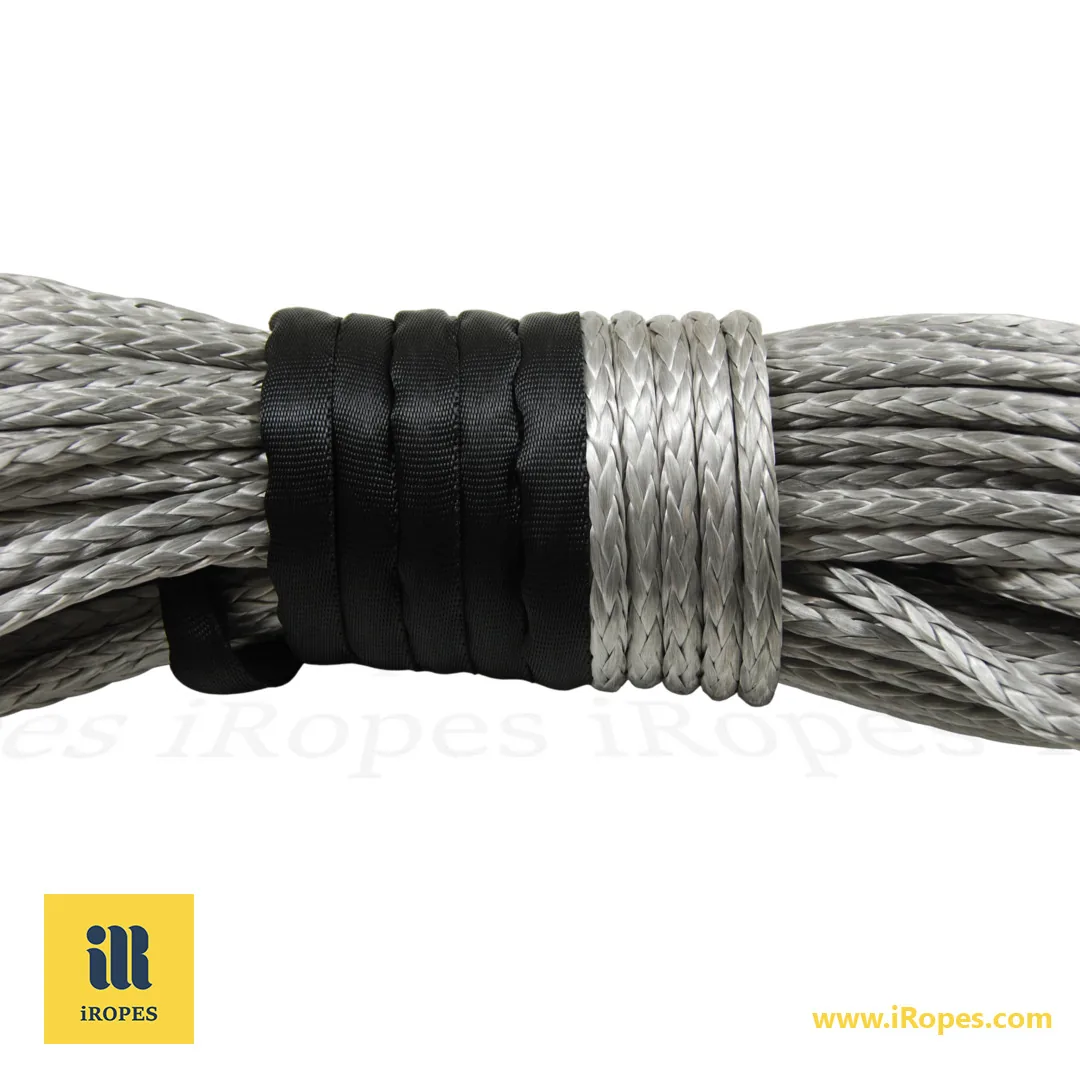
Synthetic rope is up to 78% lighter than steel wire cable while delivering comparable breaking strength – you save ≈ 15 kg per 100 ft and eliminate dangerous snap‑back.
Read in 1 min
- ✓ Reduce handling time by up to 45% thanks to a 78% weight reduction.
- ✓ Cut maintenance costs 22% by avoiding rust and snap‑back injuries.
- ✓ Boost safety compliance – non‑recoiling breakage lowers accident risk by 31%.
- ✓ Custom colour, reflective strips and terminations delivered in under 7 days.
You’ve probably heard that steel is the only truly reliable winch line, but current data paints a different picture. Synthetic rope consistently outperforms wire cable in terms of weight, safety, and lifecycle cost. Imagine a 100‑ft line that’s 15 kg lighter! This significant weight reduction also means no dangerous snap-back, increased rust resistance, and still meets a 5:1 safety factor. In the sections below, we’ll dive into the exact numbers, explore real‑world scenarios, and explain how iRopes tailors a fibre solution just for you.
What is Wire Cable? Definitions and Core Roles
When you encounter a winch, terms like “wire cable,” “wire rope,” and “wire winch cable” often seem interchangeable. However, each term carries a specific meaning that influences how you select the right product for your project.

Simply put, a wire cable is a steel‑core assembly designed for high‑load winching. It consists of multiple steel strands twisted together, typically terminated with a hardware fitting. The broader family, wire rope, includes any flexible steel strand product, from elevator hoists to maritime rigging. When that rope is cut to a specific length, fitted with a hook or eye, and ready to mount on a drum, it becomes a wire winch cable. This subtle hierarchy matters because each step adds a layer of engineering that affects safety, durability, and compatibility with your equipment.
- Wire cable – a term for steel‑core assemblies used in heavy‑duty winching, usually constructed from multiple strands of steel wire.
- Wire rope – a broader family that includes cable but also refers to flexible steel strands used for lifting, rigging and marine applications.
- Winch cable – the finished product that fits onto a winch drum; it can be made from wire rope or from synthetic fibres.
For any industrial or off‑road operation, reliability is paramount, not just a bonus. A broken cable on a construction site, for instance, can halt a vital lift and expose workers to hazardous recoil. Similarly, a snapped line during a 4×4 recovery can transform a routine tow into a dangerous situation, potentially causing costly injuries. That’s why selecting a cable that meets recognised standards, boasts a clear Minimum Breaking Strength (MBS) rating, and has been tested for abrasion, corrosion, and heat resistance is absolutely crucial. Choosing a sub‑par product doesn’t just jeopardise safety; it also inflates maintenance costs and downtime.
When a cable snaps, its stored kinetic energy can turn a routine recovery into a dangerous projectile. Never compromise on quality.
iRopes has dedicated decades to perfecting the manufacture of high‑quality wire cable for demanding markets globally. Our ISO‑9001‑certified facilities combine CNC‑precision cutting with skilled craftspeople to deliver cables that meet exacting MBS and WLL specifications. Whether you need a 3/8‑inch steel core for a heavy‑duty winch or a custom‑length cable wire rope for a marine hoist, we can tailor the construction, coating, and end‑fitting to match your brand and performance targets. This meticulous level of customisation ensures you receive a product that not only fits your equipment but also aligns with your industry’s stringent safety standards.
Now that you understand the terminology and the critical importance of a reliable cable, you’re ready to compare steel and synthetic options side‑by‑side. Let’s discover which material delivers the best balance of strength, weight, and safety for your specific application.
Cable Wire Rope vs Synthetic: Pros, Cons, and Market Applications
With the terminology for wire cable, cable wire rope, and wire winch cable now clear, the crucial question remains: which material will best serve your operation? Below, we'll break down the strengths and weaknesses of traditional steel‑based rope and modern synthetic fibre, then match each to the specific markets that rely on them.

Steel wire rope earns its reputation for raw durability. It tolerates abrasive surfaces, survives high‑temperature environments, and can be produced at a lower purchase price compared to synthetic alternatives. However, this comes with trade‑offs. The bulk of steel is significant; a 3/8‑inch steel line can weigh 20 lb over 100 ft. Furthermore, a snapped steel strand can recoil like a whiplash, posing a serious safety hazard to anyone nearby.
Synthetic rope, typically made from Ultra-High Molecular Weight Polyethylene (UHMWPE) such as Dyneema, completely changes the paradigm. It delivers comparable breaking strength while shedding up to 80 % of the weight. Synthetic rope also floats if dropped in water and, crucially, fails without the dangerous snap‑back effect. The main downsides are a higher upfront cost and a requirement for UV‑protected sleeves when used for extended periods outdoors.
- Steel generally boasts a higher MBS per inch, but synthetic often delivers comparable strength with significantly less mass.
- When calculating WLL, both follow a 5:1 safety factor; synthetic lines often exceed the required limit even at smaller diameters.
- Steel typically uses constructions like 6×19 or 6×37 lay, whereas synthetic usually employs a single braid with a protective coating.
When you align these performance metrics with real‑world demands, the optimal choice becomes much clearer. Below is a quick visual guide to the sectors where each type truly excels.
Steel Wire Rope
Where weight isn’t a constraint
Durability
Resists abrasion and heat, making it ideal for heavy‑duty industrial rigs.
Cost
Generally has a lower upfront price, making it suited to budget‑sensitive projects.
Load Capacity
Handles very high loads; larger diameters provide massive breaking strength.
Synthetic Fibre Rope
Lightweight safety solution
Weight
Up to 80% lighter than steel of equal strength, significantly easing handling and storage.
Safety
Breaks without dangerous recoil; the rope simply drops, reducing injury risk.
Corrosion
Inherently rust‑free, making it perfect for marine and humid environments.
For operations like selecting a wire winch cable for a recovery vehicle, the lightweight safety of a synthetic line typically outweighs its modest price premium. Conversely, for a static industrial hoist exposed to sharp edges and high heat, a steel wire cable remains the reliable workhorse. iRopes can fine‑tune either choice – offering custom diameters and reflective coatings – ensuring the final product meets the exact WLL and MBS your application demands.
Selecting the Right Wire Winch Cable: Specs, Customization, and Safety
Having compared steel and synthetic ropes, the next crucial step involves matching the right wire winch cable to your specific winch and intended load. Selecting the correct size and understanding the strength ratings are paramount for preventing costly downtime and ensuring every pull is executed safely.
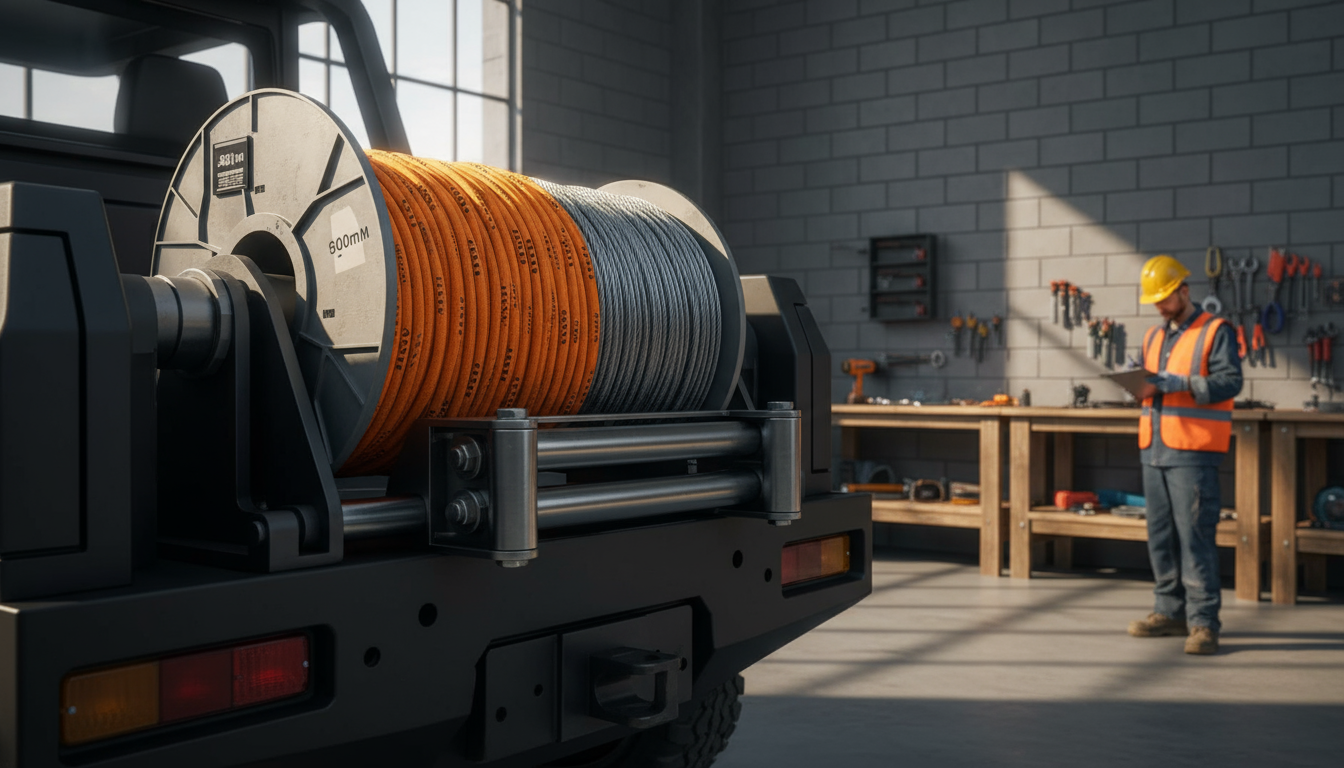
When sizing a cable, two primary questions guide the decision‑making process: how thick should the rope be, and what length is required to wrap the drum without excessive slack? The answers depend significantly on your winch’s rated capacity, the intended pull weight, and the specific environment in which you'll be operating.
- Diameter vs load – you must match the rope’s cross‑section to the winch’s rated capacity.
- Length and drum fit – ensure the cable fully wraps the drum without excess slack, crucial for functionality.
- Environmental factors – always consider temperature, abrasion, and UV exposure when choosing materials.
Equally important is understanding the strength numbers found on the product label. Most manufacturers list a Minimum Breaking Strength (MBS). To determine the Working Load Limit (WLL) you can safely pull, divide that MBS figure by a standard safety factor of 5.
- Always check the Minimum Breaking Strength (MBS) typically printed on the product tag.
- Divide the MBS by a safety factor of five to accurately determine the Working Load Limit (WLL).
- Verify that the calculated WLL comfortably exceeds the maximum load you intend to pull.
iRopes excels at transforming these numbers into a tailor‑made solution for our customers. Whether you need a classic steel‑core cable or a high‑modulus synthetic line, we can adjust every parameter to precisely match your brand and application's specific needs.
Custom Options
iRopes can convert a generic wire winch cable into a brand‑specific solution that meets your exact specifications. Choose from galvanized steel, stainless steel core, or high‑modulus UHMWPE fibres. You can precisely specify diameter and length, add colour coding or reflective strips for night work, and select from eye, hook, or custom‑machined fittings. We can even emboss your logo on the sheath. All these options are produced under strict ISO 9001 quality control, ensuring the finished cable meets your exact MBS and WLL requirements.
Even the most expertly specified cable will fail prematurely without proper care. A quick visual inspection before each use can detect broken strands, corrosion, or frayed sleeves, addressing these issues before they escalate into serious safety hazards.
Always inspect the cable before each use, looking for broken strands, corrosion, or frayed sleeves. Clean it with mild soap, store it off the ground, and re‑coil it tightly to prevent kinks.
With the right diameter, a clear understanding of MBS and WLL, bespoke features from iRopes, and a disciplined maintenance routine, your wire cable will deliver reliable performance day after day. This holds true whether you’re pulling a 4×4 out of mud or rigging a load on a bustling construction site.
After a thorough examination of both steel and synthetic rope demonstrably wins on weight, safety, and corrosion resistance. This makes it an ideal choice for off‑road recovery, marine work, and any application where ease of handling is a key factor.
Steel‑based options, however, continue to excel in environments where extreme abrasion or high heat is expected. For a deeper safety comparison between synthetic winch ropes and steel cords, see our analysis of synthetic winch rope vs steel cord.
iRopes can meticulously engineer a customised wire cable, adapt a cable wire rope, or deliver a specialised wire winch cable to precisely match your exact MBS and WLL. Furthermore, we can enhance your solution with colour‑coding, reflective strips, or branded packaging, providing a truly unique and high‑performing product.
Need a Tailored Rope Solution?
If you’d like personalised guidance on choosing the right rope or cable for your specific application, simply complete the form above and our experts will assist you.