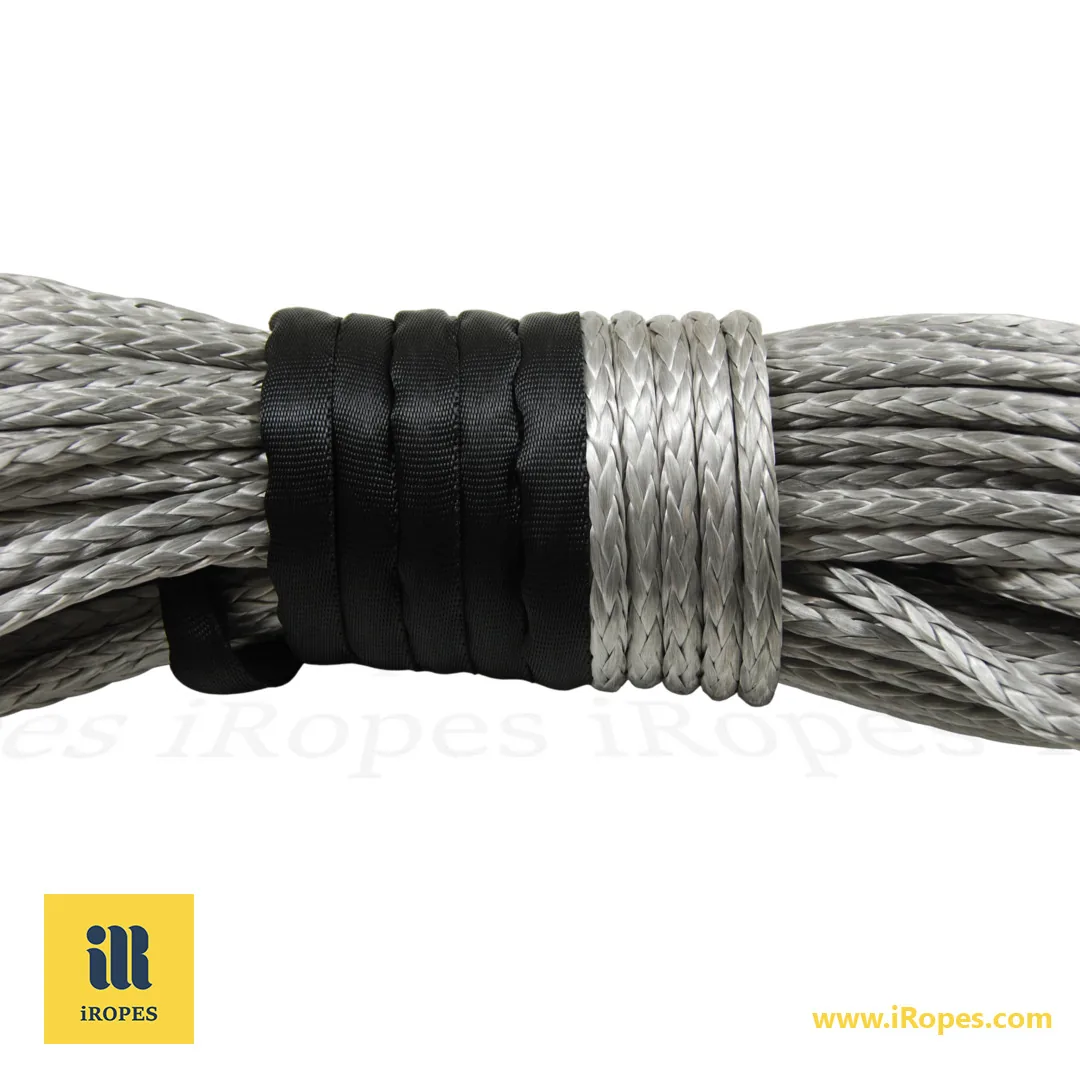
⚠️ One common sizing blunder with anchor shock cords—choosing under 24 inches for 16-26 foot boats—spikes tension by 50%, cracking hulls and bending cleats in the first big swell. Fix it with a precise 24" cord that stretches to 40", absorbing jolts to protect your vessel instantly.
Master shock absorption secrets in just 8 minutes →
- ✓ Slash anchor line strain by 50% to safeguard your boat hardware from snap failures in choppy seas.
- ✓ Nail sizing for 16-26' vessels, eliminating drag on sandbars and currents for steady holds.
- ✓ Gain step-by-step install know-how that prevents cleat damage and cuts docking hassles by two-thirds.
- ✓ Unlock iRopes' custom UV-resistant builds with ISO 9001 backing, extending gear life 3x longer.
You reckon slapping on any elastic line will tame those wild waves—yet undersized cords betray you mid-storm, turning secure anchors into drifting disasters that cost thousands in repairs. But what if one overlooked calculation flipped that vulnerability into unbreakable resilience? Dive in to uncover iRopes' tailored sizing blueprint that shields your setup, blending marine-grade stretch with precise fit for outings that stay adventure, not ordeal.
The Critical Role of Anchor Shock Cord in Marine Safety
Imagine your boat suddenly yanking hard against its anchor in a sudden gust, the kind that sends waves crashing over the bow. That's the nightmare scenario where improper setup leads to real trouble. However, with the right tools, you can turn that risk into smooth sailing. Let's delve into what makes an **anchor shock cord** such a game-changer for keeping things secure on the water.
An anchor shock cord is essentially an elastic bungee cord tailored for marine use. It's designed to stretch and absorb sudden jerks from wind or waves. This innovative tool hooks into your anchor line, acting like a built-in cushion that cuts down the tension on the rope by as much as 50%. Consider the difference between slamming on car brakes without shocks versus with them—without this critical component, every jolt transfers straight to your boat's hull, cleats, or deck hardware. Ignoring this on a windy day can lead to bent fittings and frayed nerves. Why risk it when a simple addition can prevent such damage?
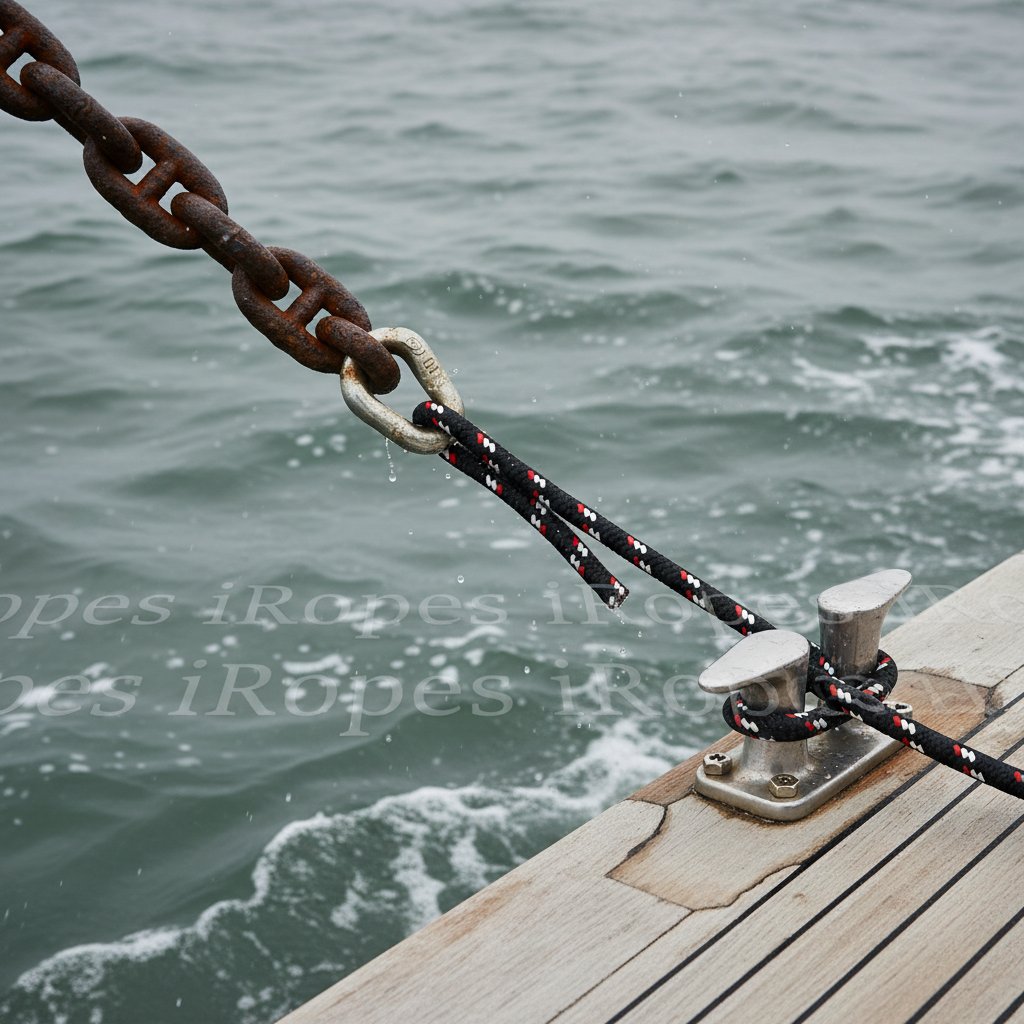
So, how precisely does an anchor shock cord protect your setup? Its elasticity spreads out the stress from abrupt movements, stopping the harsh snaps that can crack fibreglass or loosen bolts over time. In choppy water, where boats bob unpredictably, this translates to less wear on everything from the bow roller to the dock cleats if you're tying off nearby. Furthermore, it keeps your crew safer by reducing the chance of gear flying loose during a squall. Some boats look battle-worn after just one season; often, these repeated jolts add up without proper shock absorption.
One of the biggest headaches an anchor shock cord solves is anchor drag and drift, particularly in tricky spots like shallow sandbars or areas with strong currents. Without it, your anchor might hold initially but then skip along the bottom as tension builds unevenly, pulling your boat off course or, worse, into hazards. Currents can turn a peaceful anchorage into a drifting mess overnight. Crucially, the shock cord maintains consistent pull, helping the anchor bite deeper and stay put.
- Anchor drag prevention: Keeps the line taut without overload, ideal for sandy bottoms where slippage is common.
- Drift reduction in currents: Absorbs tidal pulls, ensuring your position holds steady through changing conditions.
- Hardware longevity: Eases stress on cleats and chains, avoiding the fatigue that leads to failures.
At iRopes, we meticulously craft these devices using marine-grade materials built to withstand the elements. This includes UV-resistant cords that won't degrade under constant sun exposure, paired with stainless steel hardware for superior corrosion resistance in both saltwater and freshwater environments. Our ISO 9001 certification means every batch meets rigorous wholesale-level standards. Consequently, you receive reliable performance whether you're outfitting a single pontoon or supplying a large fleet. This isn't just gear; it's peace of mind backed by precision manufacturing.
Understanding how an anchor shock cord enhances marine safety sets the stage for a deeper exploration into the technology powering these and similar tools. Next, we'll examine **anchor shock line** systems, designed to handle even broader stresses on the water.
Understanding Anchor Shock Line Technology and Types
Building on the foundation of how an anchor shock cord absorbs unexpected pulls to keep your setup intact, let's now zoom in on the inner workings of **anchor shock lines**. These represent the next level of innovation, offering more integrated protection for the dynamic stresses of life on the water. What makes them perform so effectively, and how do they differ from simpler solutions? It's all about intelligent design that distributes the load without any unpleasant surprises.
**Anchor shock line** technology primarily relies on controlled elasticity to manage dynamic forces from waves or wind shifts. Picture a braided or twisted structure where an outer sheath works in tandem with an inner core, allowing the line to elongate gradually under pressure. This mechanism distributes stress evenly across the material, preventing the sudden snapback that can severely damage your gear. Instead of a rigid tug-of-war, it functions much like a suspension system on a rough road, smoothing out the ride so your anchor holds firm without yanking the boat. This technology eliminates that heart-stopping jerk when your line goes taut too fast, providing just enough give to maintain control.
- Rubber snubbers provide straightforward elasticity through a simple rubber core that stretches reliably for basic shock absorption in calm to moderate conditions.
- Rope snubbers are designed for seamless integration with your existing anchor line, offering layered protection that shields the main rope from chafe while dampening impacts.
- Hybrid systems ingeniously blend both rubber and rope elements, delivering versatile performance ideal for scenarios requiring both quick response and long-term durability in varied waters.
When it comes to materials, anchor shock lines typically utilise marine-grade components, such as high-strength nylon or polyester blends for the cord itself. This ensures they withstand the rigours of saltwater or freshwater exposure. Paired with stainless steel hardware—including corrosion-resistant hooks and thimbles—they resist rust and wear from constant submersion. Furthermore, UV inhibitors woven into the fibres protect against sun damage, allowing the line to remain supple and functional over many seasons. This combination not only extends the product's lifespan but also ensures consistent performance, whether you're battling ocean swells or enjoying a calm lake breeze. The **precision manufacturing** at iRopes ensures these material benefits are fully realised.

Now, compare this superior technology to traditional ropes, and the advantages become evident. Standard lines demand constant knot adjustments and suffer from abrupt jolts that pound your cleats and hull over time. An anchor shock line, however, eliminates this hassle—no more fiddly ties that loosen in the wet. It delivers superior handling in lively conditions where every movement counts. It’s like upgrading from a stiff suspension to one that adapts on the fly, keeping your outings safer and your equipment in prime condition. Have you noticed how ordinary ropes fray faster in choppy conditions? That's a clear signal to switch to something engineered for the unpredictability of the sea.
With these mechanics and options in mind, understanding their practical application in everyday anchoring and docking setups demonstrates just how adaptable they can be for your next trip.
Dock Shock Applications for Anchoring and Docking
With a clearer understanding of how anchor shock lines deftly handle unpredictable forces on the water, let's now see how **dock shock** integrates into this picture. This versatile piece of gear takes the core concept of shock absorption and applies it directly to the critical routines of docking and anchoring—processes that can either make or break a smooth day out. Whether you're skillfully pulling up to a slip or securely positioning your vessel overnight, dock shock intervenes to make the experience safer and considerably less stressful for your boat. For more on enhancing berth safety with braided solutions, explore our braided dock lines and rope options.
At its heart, a dock shock excels as a reliable buffer, facilitating easy boat docking. It connects between your vessel and the dock, effectively soaking up impacts from gentle nudges or stronger currents. This setup is a lifesaver for preventing cleat damage—those metal fittings on your deck or pier that can bend or crack under repeated strain. Without a proper shock absorption system, constant rubbing and pulling can leave scratches on the hull and loosen cleats, requiring costly repairs. Dock shock mitigates this by providing just enough stretch to keep things aligned without harsh contact.

One of the standout attributes of dock shock is its hybrid capability. The same device can handle both demanding anchoring duties and the stable mooring of pontoons with equal ease. Many setups utilise it as a dual-purpose tool, looping it from the bow to an anchor or from the stern to a dock post for a comprehensive hold. This flexibility becomes invaluable in scenarios such as sandbar anchoring, where shallow spots necessitate extra give to prevent bottoming out, or when mooring larger vessels like houseboats. Crucially, you can indeed use dock shock for both anchoring and docking; it’s designed for this versatility, often employed in pairs to create balanced tension across the vessel. This significantly boosts overall stability without the need for separate, specialised gear.
Docking Focus
Smooth Ties
Cleat Protection
Absorbs lateral pulls to safeguard deck hardware during tie-ups.
Pontoon Mooring
Handles multi-point connections for stable pier access.
Wind Resistance
Manages gusts to prevent scraping against posts.
Anchoring Scenarios
Secure Holds
Sandbar Use
Provides controlled stretch for shallow-water stability.
Crew Safety
Reduces sudden movements that could unsettle passengers.
Equipment Guard
Shields onboard gear from vibration in rough patches.
When these applications are fully employed, the benefits become unequivocally clear. Dock shock minimises drift in choppy conditions by maintaining even pressure, ensuring your 16- to 26-foot vessel remains securely positioned without constant adjustments. This setup significantly enhances safety for everyone onboard, reducing the risks associated with loose lines or shifting loads that could lead to slips or gear mishaps. For vessels in this size range, pairing two units—one bow and one stern—creates a remarkably stable formation, proving especially practical for weekend enthusiasts exploring variable locations like river bends or coastal inlets.
What truly sets iRopes apart is our unparalleled ability to customise your dock shock solution down to the finest details. We can match colours to your boat's aesthetic, seamlessly integrate sturdy thimbles for smoother loops, or weave in reflective strips for enhanced low-light visibility during evening returns. These tailored adjustments ensure the gear not only performs optimally but also integrates flawlessly into your existing operation. As you become more comfortable with these real-world uses, correctly sizing and setting up your system will further solidify its reliability.
Avoiding Anchor Shock Cord Sizing Mistakes: Selection and Installation
Those practical setups we just explored for dock shock demonstrate how these crucial tools adapt to your boating routine. However, getting the size wrong can quickly undo all that good work, leaving you vulnerable to jerks that stress your gear. Let's break down how to accurately select the right dimensions and properly set everything up, ensuring your **anchor shock cord** or similar line performs as intended every single time you're on the water.
Start with sizing, which fundamentally involves matching the cord's length and stretch capacity to your boat's specific requirements. For most setups, base your choice on vessel length and type—for example, a 16- to 26-foot pontoon or runabout. A common and effective guideline is to select a cord that measures approximately 24 inches long. This length is engineered to stretch up to 40 inches under load, providing ample give without becoming slack. Heavier boats or those frequently operating in rougher waters might necessitate a beefier diameter, such as 1/2 inch, to adequately handle the increased pull. Consider your typical operating conditions: calm lakes demand less extension than consistent ocean swells. So, what size does your boat truly require? It depends on these factors, but commencing with that 24-inch baseline for mid-sized craft ensures balance and prevents overload. Skipping this critical step often results in cords that either snap under pressure or fail to absorb shock effectively. To avoid common errors in anchor rope selection, check out why 90% of boaters botch marine anchor rope selection.

Once you've determined the correct size, installation is remarkably straightforward and takes mere minutes, though it varies slightly depending on whether you're anchoring or docking. For anchor setups on smaller vessels, simply loop one end through the anchor chain or rode. Then, secure the other end to a bow cleat with a quick-release hook. Remember to stretch it out as you deploy the anchor to properly set the tension. For docking, clip it between the boat's stern cleat and a dock post, utilising the convenient click mechanism for fast attachment. This method works equally well for both saltwater slips and freshwater piers. For larger boats, such as 24-footers, reinforce the looped end with a thimble to prevent fraying. The key principle here is the "quick loop and click" approach—eliminating complex knots and providing a secure hold that releases effortlessly when needed. This efficient method significantly reduces the hassle often associated with tangled lines during docking, allowing you to focus on the water ahead.
- Measure your boat's bow-to-anchor distance and select a cord with 1.5-2 times that length for adequate stretch.
- Attach the looped end to the chain using a carabiner, ensuring it's robustly rated for marine loads.
- Stretch and clip the free end securely to the cleat, adjusting for even pull as waves test its resilience.
- Test the setup in calm water initially—observe for smooth give without the extension bottoming out.
At iRopes, we elevate this customisation with extensive OEM and ODM options. This allows you to precisely tweak the diameter from 3/8 to 5/8 inches, adjust lengths to exact requirements, or opt for a parallel core for enhanced flexibility. Furthermore, we can integrate specific certifications, even for heavy-duty applications, allowing for a solution perfectly tailored to your exact operational needs. This unparalleled level of personalisation means you no longer have to settle for off-the-shelf compromises. Learn more about the 28% stretch secret that saves your anchor in surges for optimal shock absorption.
Avoid undersizing your anchor shock line in high winds—it can lead to sudden failure and boat strain. Rinse after saltwater use and inspect for wear monthly to keep it reliable.
Steering clear of these common pitfalls ensures your setup performs consistently. This bolsters the case for why these specialised shock absorption systems are worth every bit of attention when protecting your time and investment on the water.
As we've explored, the right anchor shock cord or **anchor shock line** can prevent catastrophic failures by absorbing up to 50% of tension from waves and winds, thereby safeguarding your boat's hull, cleats, and crew. From basic *rubber snubbers* for simple elasticity to more sophisticated *rope snubbers* and *hybrid systems* integrating both, these shock absorption solutions excel in both anchoring and docking applications. For 16-26 foot vessels, opting for a 24-inch cord that stretches to 40 inches, installed via quick loop and click methods to cleats or chains, is crucial. Tailored sizing ensures you avoid undersizing pitfalls in high winds, maintaining stability on sandbars or in marinas. Furthermore, **dock shock** significantly enhances versatility for mooring, effectively minimising drift and boosting safety across diverse conditions.
With iRopes' marine-grade, UV-resistant materials and ISO 9001-certified customisation processes, you gain the ability to personalise diameters, lengths, and essential accessories like thimbles to precisely match your specific requirements. Are you ready to safeguard your boating adventures with expert guidance and superior products?
Customise Your Marine Shock Solutions with iRopes
If you're seeking personalised recommendations on advanced shock absorption systems, including precise sizing calculations and bespoke installation procedures tailored for your vessel type, please complete the inquiry form above to connect directly with iRopes specialists for unparalleled OEM solutions.