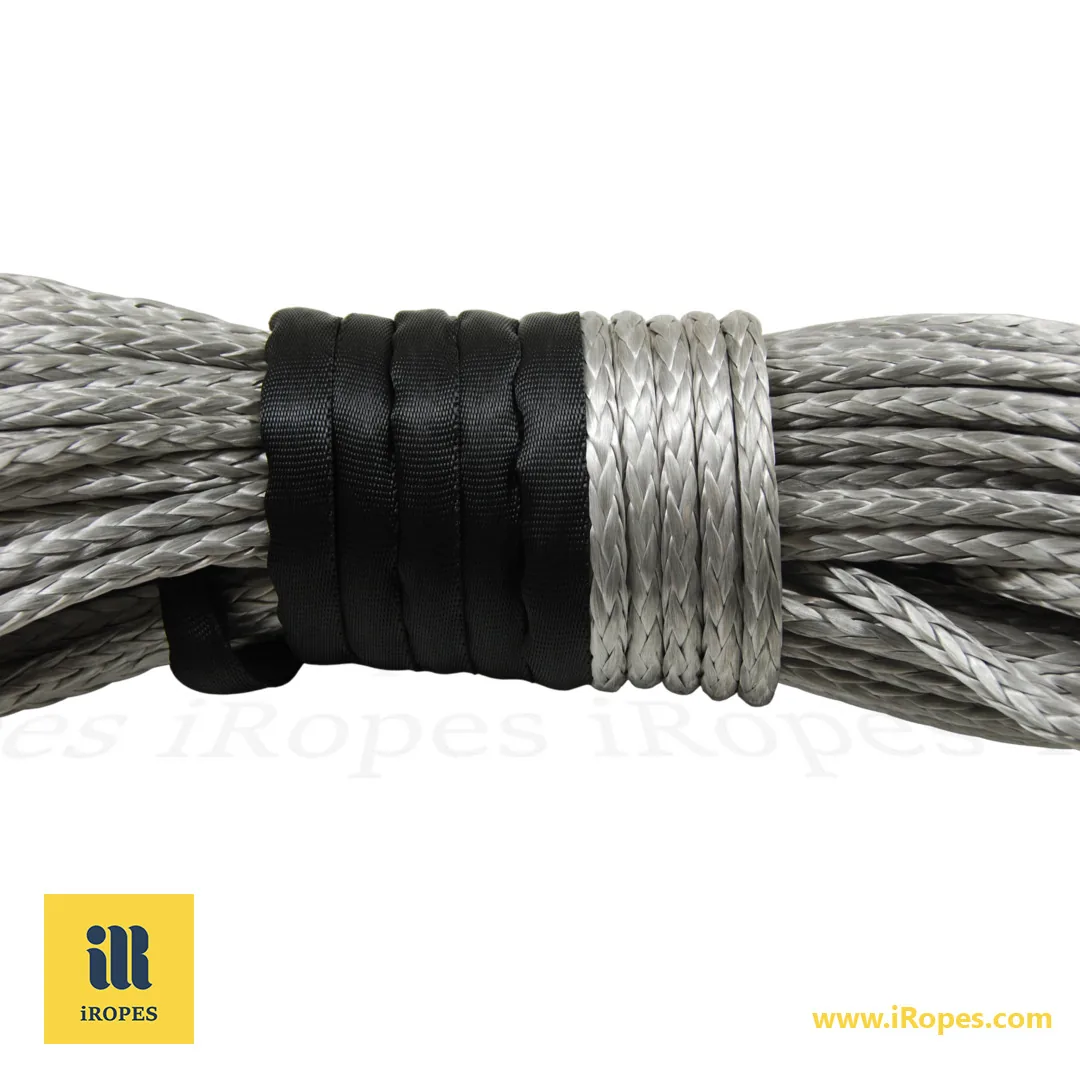
In surging seas where anchors face 2,000-pound shocks, a 28% stretch elastic anchor line absorbs 80% of that force, preventing drag and gear failure—your boat stays secure without the usual strain.
Unlock These Gains in Just 7 Minutes →
- ✓ Slash peak loads by 80% on cleats and windlasses during wave hits, extending gear life by years.
- ✓ Boost anchor holding power 25% in tidal bays, solving dislodging in dynamic surges.
- ✓ Master snubber setups that cut strain on your rode, gaining safer overnight anchors every time.
- ✓ Customise diameters and lengths for your vessel, ensuring perfect 10-15% stretch at working loads.
You've probably trusted stiff ropes to keep your anchor planted firm. But what if that rigidity is actually yanking it loose in every swell? Discover how nylon's 28% elongation turns surges into smooth rides. Imagine ditching those midnight checks; this secret equips you to anchor confidently anywhere, but only if you grasp the material mismatch that's costing you safety right now.
Introduction to the Elastic Anchor Line
Imagine you're out on the water, waves picking up. Your anchor starts to dance under the strain of sudden surges. That's the moment when an elastic anchor line steps in as your quiet hero. These specialised ropes, often called stretch anchor lines, are designed specifically for marine anchoring to handle the unpredictable forces of the sea.
What is an Elastic Anchor Line?
An elastic anchor line is a flexible rope engineered to absorb shocks during anchoring. Unlike rigid setups, it stretches under load to cushion the impact from waves, wind gusts, or boat movements. Its main purpose? Shock absorption in marine anchoring, preventing that jarring pull that can unsettle your hold or damage your gear.
Traditional ropes, like those made from low-stretch materials, often fall short in surge conditions. They transmit every jerk directly to your boat's cleats and the anchor itself, leading to fatigue over time or even failure in rough weather. Elasticity changes the game here. By extending up to 28% under tension, it dissipates energy gradually, much like a suspension bridge swaying in the wind rather than snapping. Have you ever felt that stomach-lurching tug when a wave hits? That's the force an elastic line smooths out.
And yes, anchor lines do stretch, primarily thanks to materials like nylon, which naturally elongate without breaking. This property isn't just a quirk; it's what makes them ideal for dynamic environments where constant motion is the norm.
The Core Benefits: Why Stretch Matters
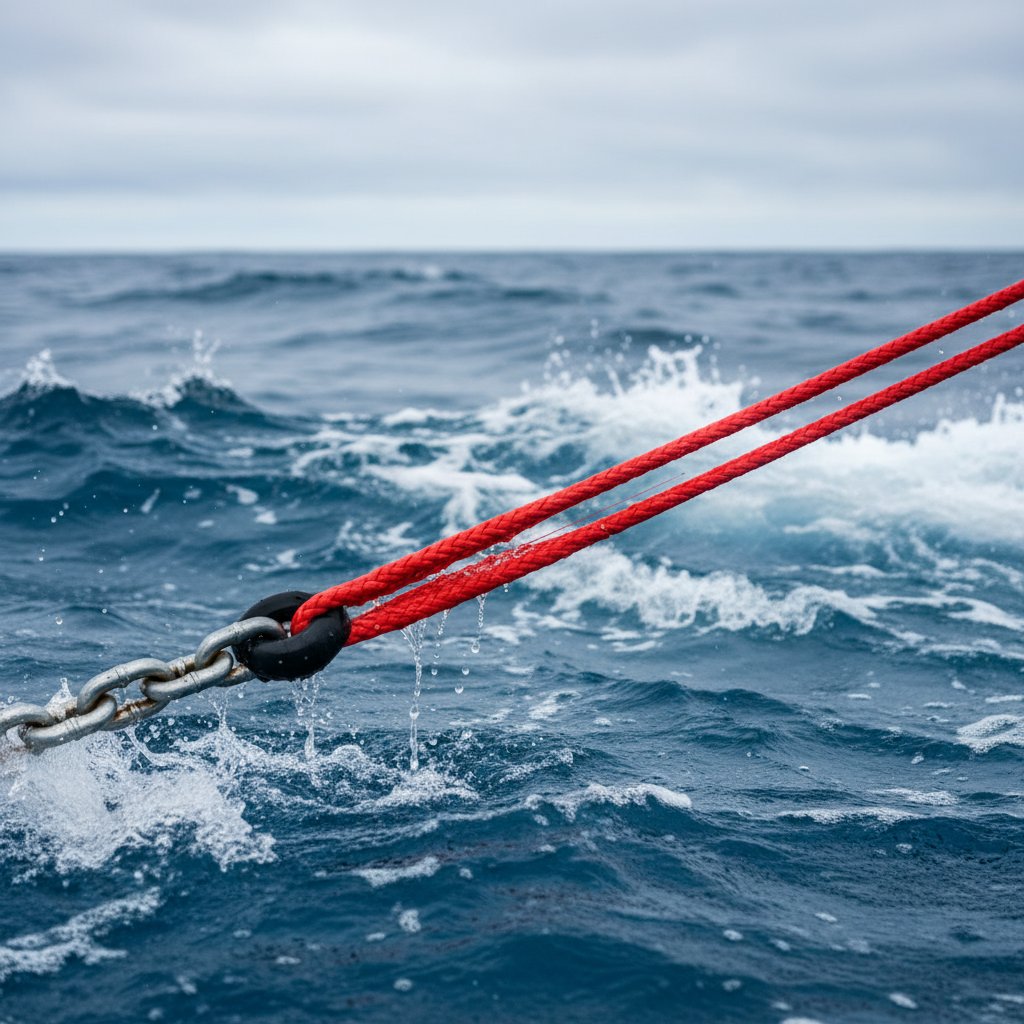
The real value shines in how these lines protect your setup. By reducing peak loads—the sudden spikes that can exceed 2,000 pounds in a moderate swell—they extend the life of your ground tackle and fittings. Think of it as giving your anchor a buffer zone; instead of yanking it out of the seabed, the stretch keeps it planted firm.
One key advantage is improved anchor holding power. In surge-prone spots, like tidal bays, that elasticity maintains consistent tension, helping the anchor dig in deeper over time. It's not magic, but it feels close when you're sleeping soundly through a squall.
- Shock mitigation - Eases the force from waves, cutting down on wear to cleats and windlasses.
- Enhanced stability - Boosts overall holding by minimising dislodging movements.
- Safer operations - Lowers risk of equipment failure, giving you peace of mind on longer trips.
I've seen firsthand how swapping to a stretch anchor rope turned a nerve-wracking overnight anchor into a relaxed evening. The boat just rode the swells instead of fighting them. Now that the basics of elastic anchor lines have been covered, understanding the materials driving this 28% stretch is crucial for optimal performance.
The Science Behind the Stretch Anchor Rope
Building on how elastic anchor lines provide that essential buffer against the sea's moods, let's dive into what makes them tick at a material level. The secret to their performance lies in the ropes themselves—specifically, how certain materials respond to tension. This understanding helps you pick the right one for your setup without guesswork.
Nylon vs. Polyester: Key Materials for Elasticity
When it comes to stretch anchor ropes, nylon and polyester stand out as the main contenders. Each brings unique traits to the table. Nylon shines with its impressive elongation, stretching 20-40% before reaching its limit, which is perfect for soaking up those sudden jolts from waves. This flexibility means it spreads out the stress, keeping things from snapping under pressure. Polyester, on the other hand, offers less give—typically under 15% elongation—but makes up for it with superior resistance to sunlight and wear, holding up longer in harsh sun or rough rubbing against rocks.
Choosing between them depends on your needs. If you're dealing with choppy waters where shock is the biggest worry, nylon's stretch wins out. For calmer spots or when you need something that won't degrade quickly over seasons, polyester provides that steady durability. Interestingly, many setups blend the two for the best of both worlds, like using nylon for the elastic core and polyester for outer protection.
Nylon
High Stretch Focus
Elongation
20-40% at break, ideal for absorbing surges and mitigating stress on gear.
Shock Handling
Excels in dynamic loads, reducing peak forces by distributing energy.
Durability Notes
Good strength but watch for UV breakdown over time.
Polyester
Low Stretch Emphasis
Elongation
Under 15%, for controlled tension without much give.
UV Resistance
Superior longevity in sunlight, less fading or weakening.
Abrasion Toughness
Handles friction better, suited for rocky or abrasive bottoms.
For anchor warp—the line from your boat to the anchor—nylon often edges out as the top choice when stretch is key, thanks to its ability to handle heavy shocks. But in conditions demanding more robustness, like long-term mooring in sunny harbours, polyester steps up for its lasting power.
How Elasticity Works and Why 28% Matters
At its heart, the mechanics of elasticity in a stretch anchor rope involve how it deforms under load and bounces back. Picture the catenary effect: when your line hangs in a natural curve between boat and anchor, it already absorbs some movement. Add in 28% stretch, and that curve deepens dynamically, turning sharp yanks into smooth extensions. This cuts strain on cleats and ground tackle dramatically, as the rope acts like a spring, storing and releasing energy instead of letting it spike through your system.
In practice, aim for 10-15% stretch at your typical working load, especially in snubber systems or chain-rope combinations. A snubber, that short elastic segment off your main rode, takes the brunt of waves while the chain stays low and horizontal for better holding. Pairing rope with chain balances weight for reset and elasticity for cushioning. I've rigged this on a friend's 30-footer during a windy passage off the coast, and it made all the difference in keeping us steady without constant adjustments.

Ever wonder why some nights at anchor feel like a rollercoaster? That 28% give smooths it out, paving the way for reliable use in everything from snubbers to full retrieval setups. Now that the science is clear, let's explore practical applications where stretch anchor ropes truly shine in real-world scenarios.
Applications of the Stretch Anchor Line
Now that we've unpacked the mechanics that make that 28% stretch so effective, it's time to see these ropes in action across different boating situations. Whether you're battling choppy bays or needing a smarter way to reach the dock, elastic anchor lines adapt to keep things smooth and secure. Let's break down some key ways they integrate into your routine.
Using Elastic Lines as Anchor Snubbers
Picture this: you're anchored in a spot where waves keep slapping your hull, sending constant jerks through the setup. That's where a snubber comes in—a short length of elastic anchor line that bridges from your main line to the boat. It softens those impacts from waves and tidal shifts. By stretching to absorb the energy, it prevents the full force from hitting your windlass or cleats directly, which could otherwise loosen fittings over a rough night.
Attaching one is straightforward: splice or knot the snubber in-line, letting it extend just enough to take the load without over-stretching. On a recent trip with mates off the Queensland coast, we added a 2-metre snubber to our nylon rode during a building swell. It turned what could have been a tense evening into something manageable, with the boat rising and falling gently instead of bucking.
Snubber Role
Acts as a buffer, extending to dampen wave jerks and protect hardware from repeated stress.
Tidal Handling
Manages pull from changing currents, keeping tension even as water levels rise or fall.
Rode Integration
Links with chain for weight distribution, enhancing hold while the elastic section cushions surges.
Retrieval Ease
Allows controlled pulling without snapping, ideal for shore approaches in shallows.
Integrating with Primary Rode and Chain
For the main anchor line, or "rode," combining a stretch section with chain creates a powerhouse setup. The chain lays flat on the seabed for better bite, while the elastic rope above it handles the up-and-down motion of surges, maintaining that balanced hold without dragging. This duo is especially useful in dynamic spots like river mouths where currents flip directions unpredictably. For more on superior maritime ropes, explore options tailored for such demanding marine environments.
In most anchoring scenarios, especially those heavy on shocks from wind or wakes, nylon-based elastic lines stand out as the go-to choice. They offer the right mix of give and strength, outperforming stiffer options that might transmit too much force. Just ensure the elastic part is sized to your boat's displacement—too short, and it won't cushion enough; too long, and you lose control.
Shore Retrieval Systems in Action
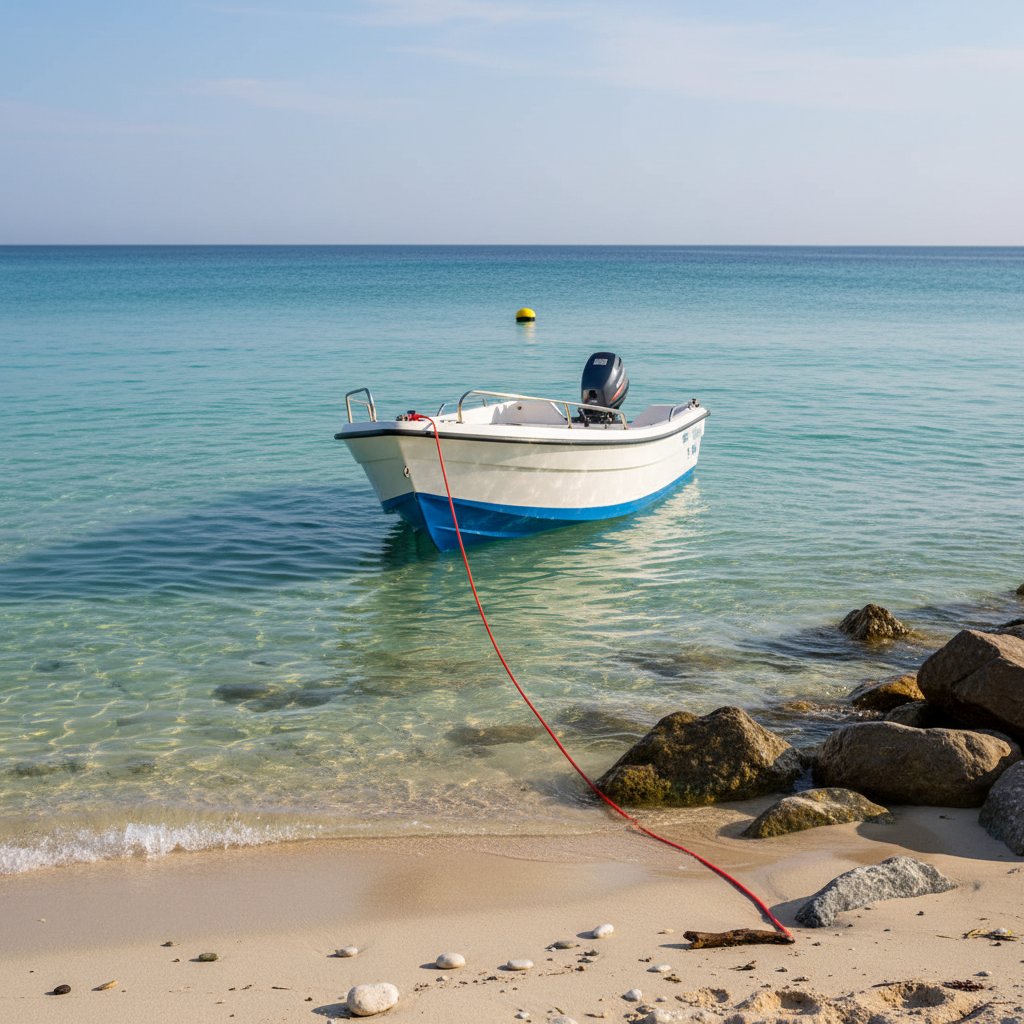
One clever twist is using these lines for shore tie-downs, much like the Anchor Buddy setup. Drop your anchor offshore, then motor or paddle to the beach. The rope stretches to let you secure the boat up to 30 feet out, keeping it from grounding on sandbars or rocks. When you're ready to leave, it contracts smoothly as you pull away, no fuss with resetting.
Have you tried reaching a remote cove only to fight the shallows? This method simplifies it, letting smaller vessels like dinghies or kayaks access spots safely. iRopes can tweak these for your needs, adding loops or reflective bits for low-light operations.
These practical roles show how versatile elastic options can be. Matching one to your boat's size and typical waters, however, takes some thought on specifications and tweaks. Having seen the diverse applications, selecting the right stretch anchor line ensures it meets your vessel's unique needs perfectly.
Choosing and Customizing Your Stretch Anchor Rope
Those versatile applications we just explored, from snubbers to shore tie-downs, really come alive when you pick a stretch anchor rope that fits your boat like a glove. Getting the sizing right isn't about guessing—it's about matching the line to your vessel's demands so it performs without fail. Start with the basics: for a 30-foot yacht in moderate swells, you'd want a diameter around 3/8 inch and a length that's seven to eight times your water depth for proper scope. That setup ensures the rope can form a good catenary while allowing room for stretch.
Boat size plays a huge role here. Smaller craft under 25 feet might thrive with a lighter 5/16-inch line that stretches efficiently at lower loads, keeping things nimble for quick retrievals. But scale up to a 40-footer, and bump to 1/2-inch for handling heavier displacement without overextending. Conditions matter too. In constant surge zones like exposed bays, aim for a stretch ratio where the line extends 10-15% under working tension to absorb those hits without bottoming out. I remember outfitting a mate's sloop for a coastal cruise; we dialled in a 20-foot elastic segment that gave just enough give during a surprise squall, saving the cleats from what would have been a rough night.
Sizing Your Stretch Anchor Rope Right
To nail the stretch ratio, factor in your typical loads—think wind speed and wave height. A good rule: test under simulated pull to see if it hits that sweet 28% max without feeling sloppy. Too much slack, and you lose holding; too rigid, and shocks transfer straight through.
- Measure your boat's length and weight to pick diameter—thicker for heavier hulls.
- Assess anchoring depths and add scope multiplier for total length.
- Check stretch under load; adjust for 10-15% at safe working limits.
Material Choices for Lasting Performance
Once sizing is sorted, material selection seals the deal, especially with an eye on UV resistance and upkeep. Nylon leads for its bounce, but it can fade under relentless sun, so blend in UV stabilisers if you're in sunny climes. Polyester holds up better against fading and salt, though with less give—ideal for mixed setups where durability trumps maximum elasticity. For deeper insights, check out the ultimate guide to nylon and polyester braided rope to optimize your choice. Don't overlook maintenance: rinse after every use to fend off grit build-up, and inspect for frays annually. Certifications like ISO 9001 back quality, ensuring your line meets marine standards without hidden weaknesses.
By the way, that whole setup from anchor to bow? Boaters call it the rode—the full system encompassing chain, line, and any elastic bits that keep everything humming in sync.
Tailoring with iRopes' Expertise
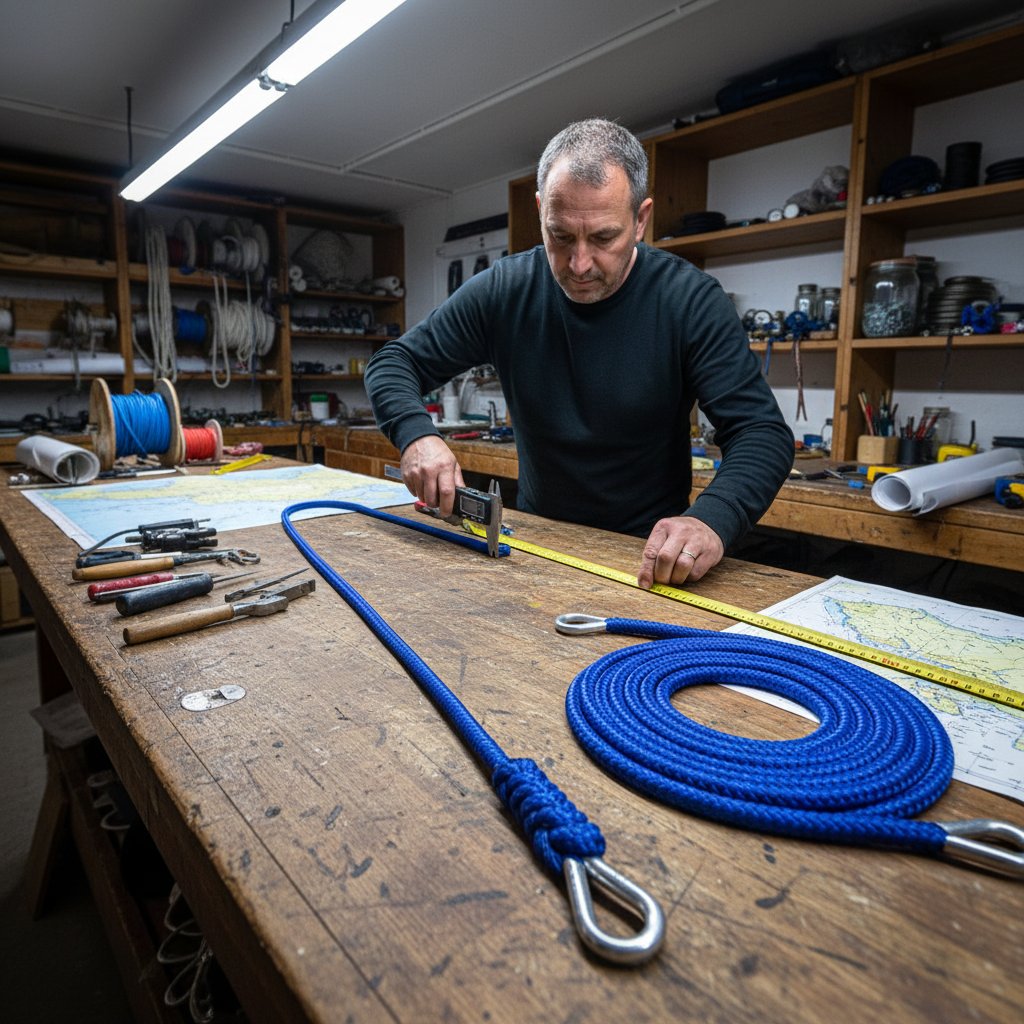
For something truly bespoke, iRopes steps up with OEM and ODM services that let you tweak everything from core materials to final touches. Do you want a braided nylon construction for yachting smoothness, or a parallel core for defence-grade toughness? They handle it, adding colours to match your branding or reflective strands for night operations. In spearfishing setups, I've seen their custom lines with glow elements that make retrieval a breeze in low light—practical tweaks that turn a standard rope into your perfect match. These choices not only boost safety but highlight why quality elastic solutions pay off in the long run, from smoother sails to gear that lasts seasons. As we wrap up selection insights, reflecting on these advantages reinforces why investing in quality stretch solutions is essential.
Discovering the 28% stretch secret in elastic anchor lines transforms how you handle surges, turning potential disasters into secure anchoring experiences. These specialised ropes, like the stretch anchor line and stretch anchor rope, leverage nylon's elasticity to absorb shocks, reduce peak loads on your ground tackle, and boost holding power in rough conditions. From snubber systems that soften wave jerks to chain-rope combinations for balanced stability, the benefits are clear—safer, smoother boating without the strain. With iRopes' custom options, tailoring to your vessel's needs ensures optimal performance, whether for yachting or shore retrievals.
Embracing this knowledge equips you to choose wisely, but for personalised guidance on materials, sizing, or bespoke designs, the next step is straightforward.
Customise Your Anchor Solution with iRopes Today
If you're keen on exploring tailored elastic anchor line options to match your boating adventures, fill out the inquiry form above—our team is ready to help craft the perfect setup for enhanced safety and reliability on the water.