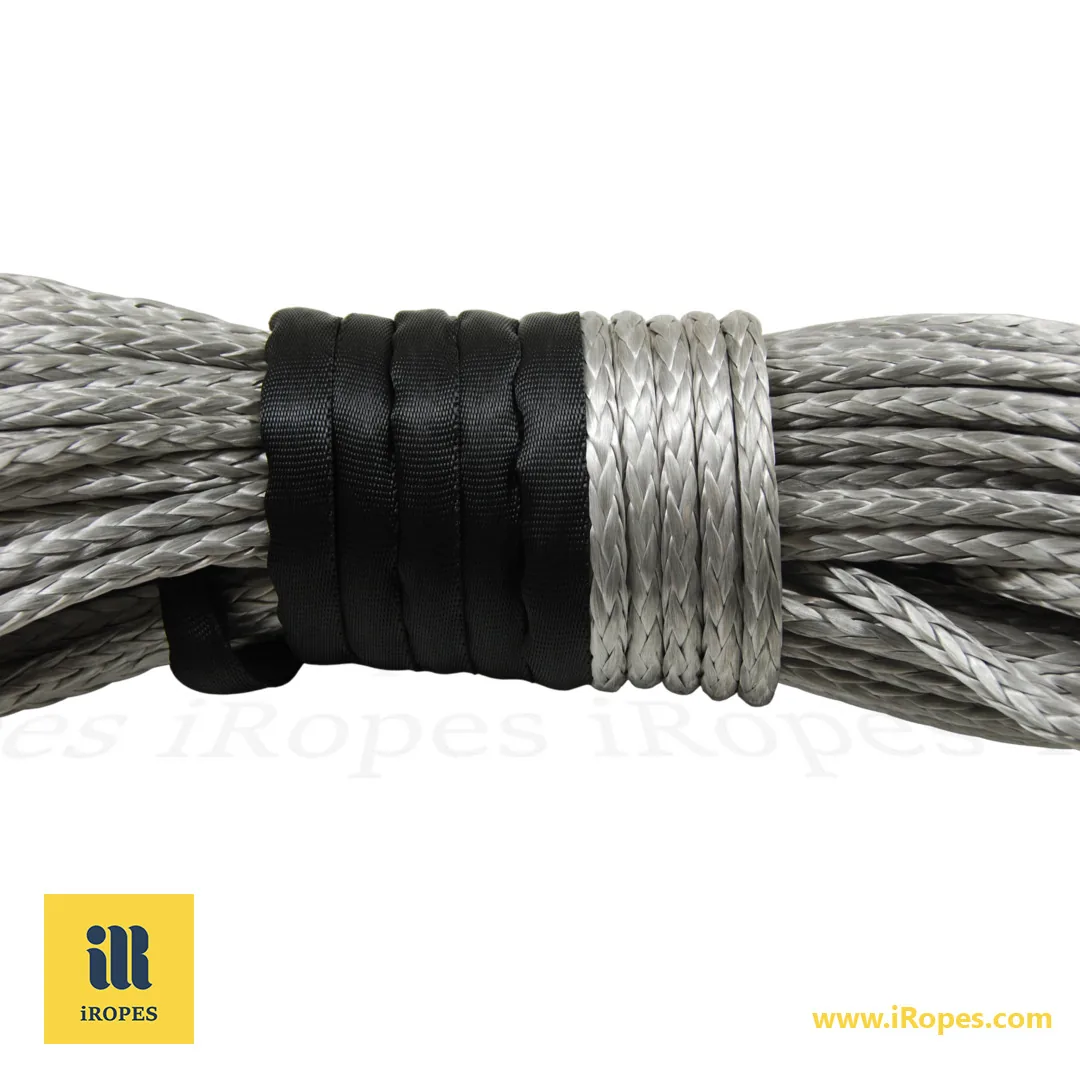
Most people think any three‑strand line is a braided rope, but only true interwoven braids qualify. That distinction can lift working‑load capacity by up to 12 % compared to misapplied rope types.
Key Takeaways – ≈5‑minute Read
- ✓ Select the optimal fibre to gain 15 % more tensile strength for marine loads, ensuring superior performance.
- ✓ Identify the construction that cuts stretch by 8‑10 % versus generic rope, enhancing stability and safety.
- ✓ Leverage iRopes’ OEM/ODM service to reduce lead‑time by 20 % while protecting your intellectual property (IP).
- ✓ Apply our maintenance tips to extend rope lifespan up to 30 % in harsh UV environments, maximising your investment.
You’ve probably been told that any three‑strand line will perform the same in every job. This myth often leads to under‑engineered rigs and significant overspending on bulk rope. But what if selecting the exact braid or fibre meant you could slash stretch by 9% and elevate working‑load limits by a solid 13% without redesigning your entire system? This guide will clarify those distinctions and then reveal how iRopes’ OEM expertise translates these gains into real‑world cost reductions and faster delivery times.
What Is a Braided Rope?
Many individuals find themselves confused when it comes to choosing the right line for demanding applications. To clarify this, let’s first understand what a braided rope truly is. In simple terms, a braided rope comprises multiple strands systematically interwoven. This process creates a smooth, round profile, typically without a central core. This construction method fundamentally differs from twisted (or laid) ropes, where three separate strands are merely spiralled around each other. Because the fibres are intricately locked together, a braided rope generally exhibits less stretch and a more uniform surface, which translates into better handling and predictable performance in demanding tasks.

One common misconception is assuming any rope with three strands automatically qualifies as a braided rope. In the marketplace, the term “rope braided” is often used loosely. This can lead buyers to mistakenly believe all three‑strand products share the same performance characteristics. However, a traditional three‑strand rope is usually a twisted line, behaving quite differently under load. For instance, it can rotate, stretch more significantly, and feel much rougher to the touch compared to a true braided construction.
Many retailers label any rope with three strands as “braided,” but technically only ropes with interlaced weaves qualify as true braided rope.
Understanding the material that forms the braid is equally important. Nylon and polyester dominate the market, each bringing a distinct set of strengths suited to different environments and applications.
- Nylon offers high elasticity and superior shock absorption, making it ideal for marine lines and other applications where sudden loads are common, such as anchor lines.
- Polyester provides low stretch and excellent UV resistance, perfectly suited for static rigging, industrial applications, and long-term outdoor use where stability is key.
- Other fibres like polypropylene, manila, and cotton each offer niche benefits, such as buoyancy, a traditional aesthetic, or a soft, natural feel for crafting.
By recognising that a true braided rope is defined by its interlaced construction, and by matching the right fibre—whether it's the stretch‑friendly nylon or the sun‑tolerant polyester—you can avoid the pitfalls of vague marketing terms. This foundational knowledge will make the upcoming comparison of construction types much clearer and help you choose the ideal rope for your specific tasks.
Rope Braided: Construction Types and Differences
Building on the definition of true braided rope, the next logical step is to explore the specific ways fibres can be organised to create different rope constructions. Manufacturers typically offer four principal structures, each delivering a distinct balance of strength, flexibility, and handling characteristics essential for diverse applications.

In a single braid, the outer sheath is woven directly around a hollow centre; it is lightweight and easy to splice but offers limited abrasion protection. A double braid adds a tightly woven core beneath a protective cover. This design creates a rope that feels smoother, resists wear, and retains more load under shock. Solid braid eliminates any hollow space by interlocking the strands into a dense, round profile that excels in durability and kink resistance. Finally, the kernmantle design pairs a parallel‑aligned core (the “kern”) with a braided sheath (the “mantle”), delivering high tensile strength while keeping stretch remarkably low—an ideal choice for safety‑critical applications such as climbing or rescue operations. For deeper insight into maximizing double‑braid core performance, see our guide on double braid rope core strength techniques.
- Strength – Double braid and kernmantle constructions typically achieve the highest working load limits because their cores bear the majority of the force, maximising safety and performance.
- Stretch – Single braid and solid braid constructions exhibit more elongation, which can be useful where controlled shock absorption is needed; conversely, kernmantle offers the least stretch, providing superior stability.
- Abrasion resistance – The protective outer cover of a double braid shields its core, making it highly resistant to surface wear; solid braid constructions follow closely in this regard, offering robust protection.
- Spliceability – Single braid and solid braid ropes are the easiest to splice with a simple eye splice, making them practical for quick modifications, while kernmantle requires a more specialised core splice technique.
The common question, “What is the difference between braided and twisted rope?” often perplexes newcomers. In essence, a true braided rope interweaves its fibres, producing a smooth, round surface and predictable performance. A twisted rope—sometimes called a three‑strand or laid rope—simply spirals three yarns around one another. This can lead to rotation under load and a comparably rougher feel. Because the construction method directly changes how the load is distributed, these two families behave very differently in the field, making correct selection critical.
Double Braid Advantage
When abrasion is a primary concern—such as on winches, rigging hardware, or in abrasive offshore environments—the double‑braid construction consistently outperforms single‑braid and solid‑braid alternatives, thanks to its protective outer sheath that effectively guards the load‑bearing core.
Understanding these nuances helps engineers, riggers, and hobbyists select the optimal rope for their project’s demands. Whether that means leveraging the low‑stretch stability of a kernmantle line for climbing, the easy‑splice nature of a single braid for quick repairs, or the rugged durability of a double braid for heavy‑duty industrial rigs. The next section will translate these construction choices into material‑specific recommendations, guiding you toward the perfect nylon or polyester solution for your application.
3 Braided Rope: Performance and Applications
Having examined the various braided constructions, let’s now turn our attention to the specific line that frequently appears in searches: the 3‑braided rope. This rope type effectively bridges the gap between simple twisted lines and more complex braids, offering a unique blend of strength and ease of use that many professionals across industries truly appreciate.

Technically, a three‑strand rope is defined as a laid or twisted rope. This is the industry‑standard term for a line created by intertwining three yarns around a common axis. While often referred to as a “3‑strand rope” in everyday language, the precise name is laid rope, distinguishing it clearly from interwoven braided constructions.
Creating a three‑strand rope is a relatively straightforward process: start with three equal‑length yarns, align them side‑by‑side, and then simultaneously twist each yarn in one direction while the entire bundle is rotated in the opposite direction. This crucial counter‑twist locks the strands together, producing a uniform, cylindrical line. If you need to combine three separate ropes into one, simply lay them parallel, apply the same counter‑twist technique, and secure the ends with a tight knot or a quick splice.
The performance profile of a 3‑braided rope is defined by four key metrics. Tensile strength is determined primarily by the fibre type used: nylon offers superior shock absorption, while polyester delivers lower stretch and greater stability. Elasticity, measured as percent elongation under load, is moderate; the rope stretches enough to cushion sudden forces without becoming overly limp. Knot‑holding ability is excellent due to the three‑strand structure providing ample surface friction, and resistance to kinking is respectable, particularly when the rope is consistently kept under tension.
Marine
Three‑strand nylon lines effectively absorb shock loads from waves, providing reliable anchoring solutions for yachts and smaller boats.
Industrial
In warehouses and rigging setups, the simple spliceability of 3‑strand rope significantly speeds up repairs and enhances efficiency in load‑handling operations.
Home Décor
Craftspeople widely use natural manila or cotton three‑strand rope for decorative hanging, intricate macramé, and rustic lighting fixtures.
DIY
For garden projects or temporary ties, a 3‑strand polyester rope offers low stretch and easy knot‑holding, making it a versatile choice for enthusiasts.
Remember to inspect three‑strand ropes regularly for signs of abrasion or rotation, especially when deployed in high‑load or abrasive environments, to maintain safety and longevity.
By matching the right fibre with the intended load – nylon for superior marine shock absorption, polyester for stable rigging, or even cotton for decorative projects – the 3‑braided (laid) rope becomes an incredibly versatile tool across many sectors. Understanding these nuances effectively prepares you for the next crucial step: selecting the optimal material and custom specifications for your unique application requirements.
Choosing the Right Material and Custom Solutions
Having explored how different constructions affect performance, you now need to decide whether nylon or polyester will best serve your specific project. This choice hinges critically on factors such as stretch, strength, UV tolerance, and the environmental conditions in which the line will operate.

When you require a rope capable of absorbing sudden loads – consider boat docking or off‑road vehicle recovery – nylon’s inherent elasticity acts like a crucial shock absorber, effectively cushioning impacts. Polyester, conversely, maintains its length and integrity even under prolonged sun exposure, making it ideal for static rigging, demanding arborist work, or long‑term outdoor installations. Both fibres meet stringent ISO‑approved strength standards, yet their behaviour under stress is distinctly different, necessitating careful selection. Learn more about the advantages of 3‑strand polyester rope in our article 3‑strand twisted polyester rope benefits.
Remember that a three‑strand rope is technically called a laid rope, not a true braid. To produce a three‑strand rope, you twist three yarns together while simultaneously rotating the entire bundle in the opposite direction. This precise counter‑twist effectively locks the individual strands into a uniform and cohesive line.
Material Matters
Nylon stretches for optimal shock absorption; polyester remains firm and stable under harsh UV exposure. Always match the fibre to your specific workload to ensure peak performance.
Beyond the fibre type, iRopes provides extensive customisation options for virtually every dimension of the line. This includes diameter and length, colour, reflective yarns for enhanced visibility, and specialised terminations like thimbles or eye splices. These customisation choices allow you to accurately embed your brand colours, comply with specific safety regulations, or simply make the rope easier to spot in challenging low‑light conditions.
Customisation Options
Tailor Your Rope to the Job
Diameter & Length
Select the precise size and exact run length required to perfectly match your critical load‑bearing scenario.
Colour & Reflectivity
Choose vibrant hues or integrate glow‑in‑dark yarns to significantly enhance both visibility and brand identity.
Accessories & Terminations
Add essential loops, thimbles, or custom eye splices that are specifically designed to suit your unique installation method.
iRopes' Capabilities
From Design to Delivery
OEM/ODM Service
We provide full‑scale design, precise prototyping, and efficient production to meet your exact specifications with superior quality.
ISO 9001 Quality
Our rigorous testing and meticulously documented processes guarantee consistent tensile performance and unwavering product reliability.
IP Protection
We implement robust legal safeguards to ensure your proprietary designs remain confidential from the initial concept to final shipment.
Finally, to prolong the life of any rope, always keep it clean, store it away from direct sunlight when possible, and inspect it regularly for any signs of abrasion or core exposure. Simple, consistent maintenance ensures that the material you chose – whether a high‑stretch nylon or a low‑stretch polyester – retains its rated strength and performs reliably for years to come.
Need a Custom Rope Solution?
By now, you understand that a true braided rope offers interwoven strength, with nylon typically providing stretch for shock absorption and polyester delivering low‑stretch UV resistance. This guide also clarified why a 3‑braided rope, technically known as a laid rope, effectively balances strength, knot‑holding ability, and flexibility across diverse applications in marine, industrial, and DIY sectors. Regular cleaning and UV‑shielded storage will significantly extend its service life, ensuring consistent performance. If you require a rope custom braided to exact dimensions, specific colours, or with reflective features, iRopes can design an OEM/ODM solution that meets rigorous ISO 9001 standards and meticulously protects your intellectual property (IP).
Our expert team is ready to translate these insights into a high‑quality rope product that perfectly fits your brand and crucial operational needs.
For personalised assistance and to create the perfect customised rope, please complete the enquiry form above. We look forward to partnering with you.
Related reading: How Polyester Braided Rope Excels in Various Fields