Double‑braided nylon offers 15‑25% stretch at break and a 5‑fold safety margin, making it the top choice for 90% of modern boats.
Key Gains – 2‑Minute Read
- ✓ Boost holding power by selecting rope with a rating of at least five times your vessel’s displacement.
- ✓ Cut anchoring time by approximately 30% with the correct reel capacity and spooling technique.
- ✓ Extend rope life by around 20% by following our simple maintenance checklist.
- ✓ Reduce overall cost by up to 12% using iRopes’ custom‑engineered solutions.
Many boat owners believe any line will hold their vessel securely. However, the hidden stretch of cheap rope can significantly increase the load on your windlass. Imagine reducing that stress and halving your anchoring time with a single adjustment you may not have considered. This guide reveals the exact materials, sizing, and care steps necessary to transform your anchor system into a reliable, low‑maintenance lifeline.
Understanding Boat Anchor Ropes: Materials, Performance, and Applications
Once you understand the basic principles of marine ropes, we can delve deeper into the fibres and constructions that turn a simple line into a dependable lifeline for your vessel.
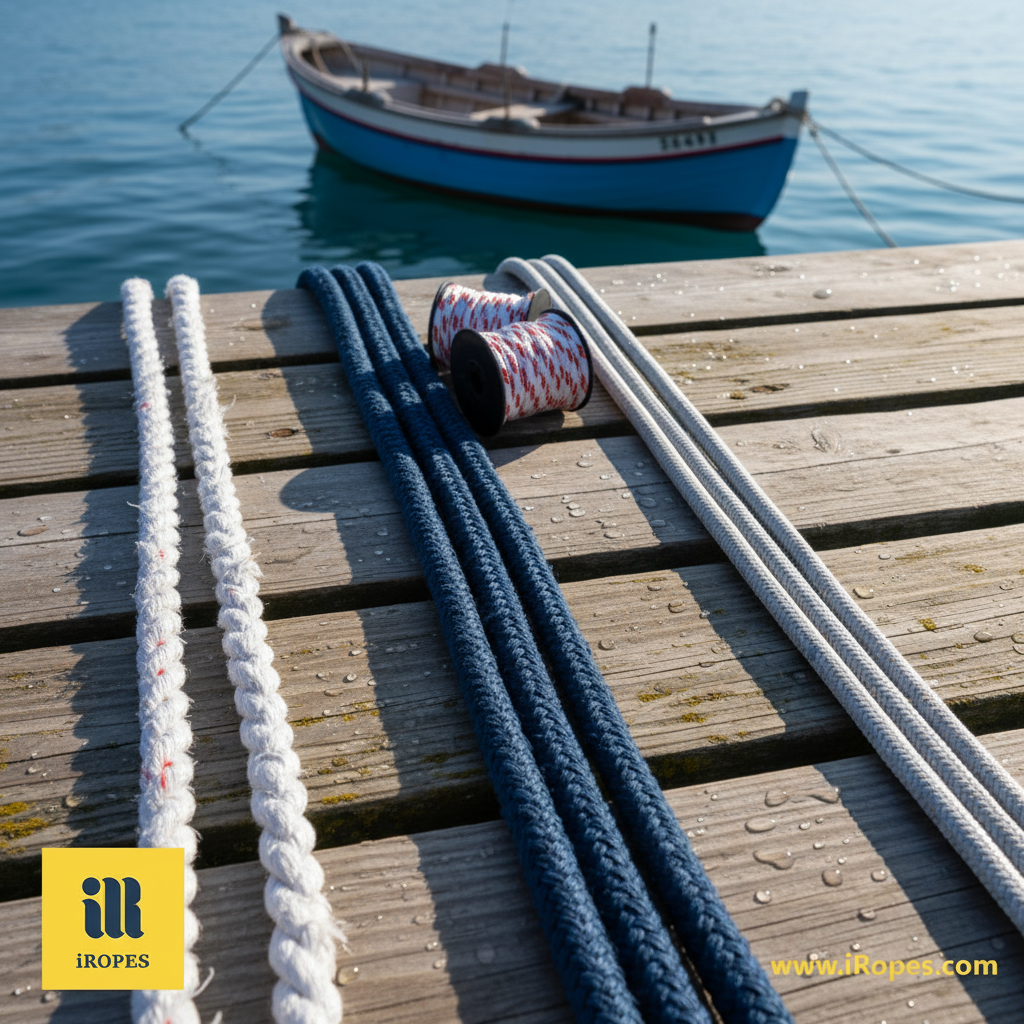
When selecting boat anchor ropes, you will encounter four main material families. Each material offers a unique balance of strength, elasticity, and durability. Let’s explore them:
- Three‑strand nylon – This material provides high stretch (15‑25% at break) and excellent shock absorption. It sinks quickly and is ideal for small craft and casual cruising.
- Double‑braided nylon – Offering lower stretch and a smoother surface, this rope runs easily through winches. It is favoured on yachts that use electric windlasses.
- HMPE (Dyneema) – Known for its ultra‑high strength and very low stretch (1‑5% at break), HMPE is lightweight and either buoyant or neutrally buoyant. It's perfect for high‑performance sailing or deep‑water anchoring.
- Polyester – With low stretch and superior UV and abrasion resistance, polyester is often chosen for anchor warp where colour retention and durability are paramount.
Performance goes beyond simple tensile strength. The rope’s elasticity determines how effectively it can cushion a sudden pull when the anchor bites. UV resistance is crucial for protecting fibres from sun degradation, while abrasion resistance guards against damage from rubbing on the seabed or chafing gear.
Another practical consideration is whether the rope floats or sinks. A sinking line, such as three‑strand nylon, helps the rode lay flat on the seabed, improving set‑up angles. Conversely, floating or buoyant ropes, like some HMPE blends, remain on the surface and are easier to retrieve, particularly when a long scope is required.
Different vessels naturally have different requirements. For instance, a 12‑foot dinghy might use a light 3/16‑inch three‑strand line, whereas a 30‑foot cruising yacht would benefit from a 5/16‑inch double‑braided nylon, ideally paired with a short length of chain for added weight and chafe protection. Offshore vessels that encounter rough seas might opt for HMPE due to its minimal stretch, ensuring the anchor holds firm without excessive load on the windlass.
When asked what the best rope for a boat anchor is, most marine‑grade experts recommend nylon. Its combination of strength, elasticity, and sinking behaviour makes it the most versatile choice for the majority of recreational boats.
Choosing the right line is only the first step. Next, we will cover how to match it to the appropriate reel or windlass, ensuring your entire anchoring system functions as a seamless, dependable unit.
Selecting the Right Boat Anchor Rope Reel for Efficient Handling
Once you have selected the ideal rope for your vessel, the next crucial component is the reel that stores and deploys it. A well‑chosen boat anchor rope reel prevents snarls, minimises manual effort, and keeps the rode ready for immediate use.

Reel types generally fall into three categories. Manual hand‑crank models are lightweight, budget-friendly, and perfect for smaller craft where lines can be pulled by hand. Electric reels offer motorised payout and retrieval, which is a significant advantage for cruisers handling heavier rodes. Floating line winders sit low on the deck, allowing the rope to rise with the water and remain clear when not in use.
When selecting a reel, consider these key factors:
- Match the rope diameter: The spool’s groove must accommodate the line without crushing its fibres.
- Check line‑length capacity: Calculate your maximum rode (water depth × scope + chain length) and ensure the reel can hold that exact length.
- Confirm load rating: The reel’s bearing and frame should exceed the rope’s breaking strength by at least a safety factor of 1.5.
Durability is paramount once the reel is exposed to marine conditions. Look for corrosion‑resistant hardware such as stainless‑steel shafts, marine‑grade polymer housings, and sealed bearings that can withstand salt spray. A higher load rating not only protects the rope but also extends the reel’s service life, especially when anchoring in heavy weather.
Installation involves more than merely bolting a unit to the deck. Proper spooling technique is crucial for long‑term reliability. Start by laying the rope on a clean surface, then feed it onto the drum, maintaining even tension. Avoid tight bends that can create hard spots; instead, allow the line to follow the drum’s natural curvature. Once the reel is full, lock the tension lever and give the rope a gentle pull to settle the coils.
Spooling Tip
Begin each new coil with the rope’s standing end, then alternate the direction of each subsequent layer. This “figure‑eight” pattern distributes stress evenly and prevents the line from forming a tight, hard‑packed core that could weaken under load.
When you pair a correctly sized, corrosion‑protected boat anchor rope reel with the rope you selected earlier, the entire anchoring system operates like a finely tuned engine—smooth, reliable, and always ready for the next harbour.
Choosing the Optimal Anchor Winch Rope for Windlass Performance
With a reel that correctly stores your anchor line, the next critical element is the rope that feeds the windlass. Choosing the ideal anchor winch rope ensures smooth motor operation, quick rode deployment, and a secure anchor hold.
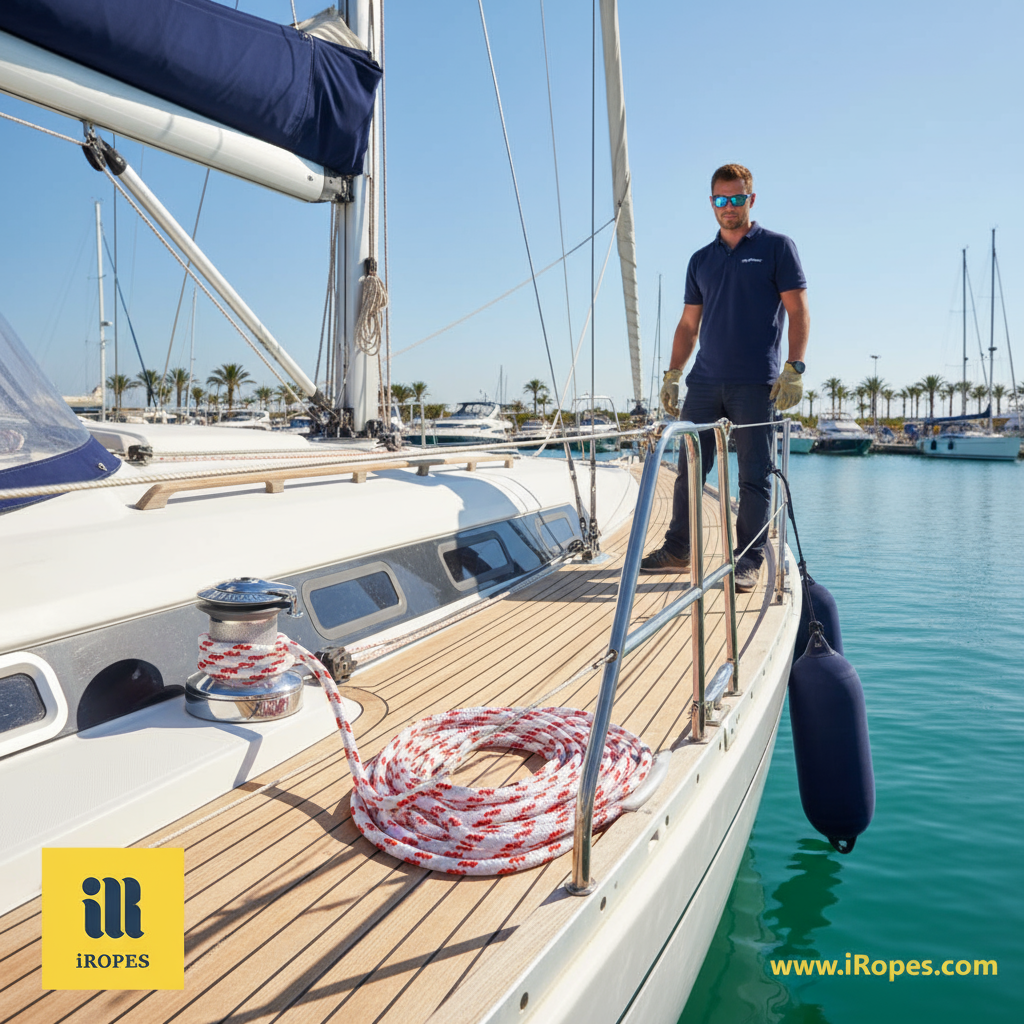
As a windlass functions as a mechanical lever, the rope it handles must meet specific criteria. First, it must fit the gypsy’s groove perfectly without crushing its fibres. Second, the rope must withstand the repetitive bending action generated by the motor.
Compatibility
Double‑braided nylon or low‑stretch HMPE rope, correctly sized to match the windlass gypsy and the rated load of your anchoring system, ensures smooth payout and reliable retraction.
Construction Details
A core with minimal elongation, a tightly woven sheath, and factory‑pre‑spliced rope‑to‑chain ends prevent snagging and keep the windlass operating at peak efficiency.
Sizing Guide
As a general guideline, choose a rope diameter of approximately 1/8 inch for every 9 feet of boat length; a 30‑foot cruiser, for example, typically benefits from a 5/16 inch line.
7:1 Anchor Rule
For safe anchoring, deploy seven feet of rode for every foot of water depth. So, in 10 feet of water, you would typically deploy about 70 feet of rope‑plus‑chain, adjusting for weather conditions and seabed type.
When the rope’s diameter exceeds the gypsy’s groove, the motor must work harder, which can lead to the rope developing hard spots. Conversely, a rope that is too thin may slip under load, compromising the anchor’s grip and overall safety.
Always verify the windlass manufacturer’s maximum rope diameter before ordering; a mismatch can void the warranty and significantly reduce performance.
By pairing a properly sized, low‑stretch anchor winch rope with a windlass that matches its specifications, you create a system that sets the anchor quickly, holds firm in adverse weather, and reduces motor wear. This combination is the hallmark of a reliable anchoring setup.
With the winch rope chosen, the next priority is ensuring the entire rode remains in top condition. Let’s now examine inspection routines and storage tips that prolong service life.
Maintenance Best Practices and Safety Tips for Anchor Rope Systems
With the correct anchor winch rope in place, the next crucial priority is maintaining the health of the entire rode. Regular care not only preserves performance but also protects you from unexpected rope failure precisely when you need it most.

Begin each outing with a rapid visual scan. Look for three tell‑tale signs of potential trouble: surface chafe where the rope rubs against the chain, faded or brittle sections indicative of UV exposure, and any hard spots that feel stiffer than the surrounding line. Spotting a broken strand early can prevent hours of unexpected downtime.
When it comes to cleaning, fresh water is your most effective ally. A thorough rinse removes salt crystals that can accelerate fibre degradation. After rinsing, allow the rope to air‑dry in the shade; moisture trapped within the fibres can lead to mould or weaken the core. Finally, store the rope away from direct sunlight—UV rays are a silent enemy that gradually erode even the toughest nylon over time.
Inspection Checklist
Spot problems before they become failures
Chafe
Run your fingers along the line; feel for any rough, worn‑out patches where the rope contacts hardware.
UV Damage
Check for colour loss or a chalky surface—these are signs the fibres are losing strength.
Hard Spots
Flex the rope; any stiff segment indicates a potential internal break or compromised integrity.
Care & Storage
Keep your rope ready for the next outing
Rinse
Use fresh water to wash away salt and grit after each use, preventing abrasive damage.
Dry
Hang the rope in shade until completely dry; direct sunlight can degrade the fibres.
Shield
Store your rope in a UV‑protected bag or cover to extend its service life and integrity.
Both knots and splices require particular attention. A properly tied bowline or a well‑executed eye‑splice distributes load evenly and minimises stress concentrations. Marine‑grade knots, such as the figure‑eight follow‑through, are especially reliable for anchoring because they maintain their integrity under cyclic loading. For detailed guidance on splicing methods, see our guide to rope splicing techniques.
When the rope displays persistent wear, cracks, or a noticeable loss of elasticity, it is time for retirement. Most manufacturers recommend replacement after 5–7 years of regular use, although visual indicators—such as frayed strands or a softened core—warrant a swap sooner.
Pro Tip
Always inspect your rope after every cruise; a quick visual check can prevent costly failures at sea.
By making routine inspection, thorough cleaning, proper splicing, and timely replacement habitual practices, you ensure your boat anchor ropes remain reliable season after season. The logical next step is to ensure the entire anchoring system—including rope, chain, and hardware—operates in harmony, paving the way for safe anchoring wherever your adventures take you. Consider our custom double‑braided anchor rope for a tailored solution.
Ready for a Tailored Anchoring Solution?
Having reviewed the essential material choices—from elastic three‑strand nylon to low‑stretch HMPE—and the critical performance factors such as UV resistance and load capacity, you now possess a clear roadmap for selecting the ideal rope for any vessel. You can also confidently match it to a suitable boat anchor rope reel and maintain the entire system through regular inspections, rinsing, and proper splicing. Ultimately, pairing the correct anchor winch rope with a well‑designed windlass culminates in a reliable, hassle‑free anchoring setup that endures season after season.
If you're seeking personalised recommendations, including custom colours, branding, or OEM specifications, simply use the inquiry form above. Our iRopes specialists will craft a solution precisely tailored to your exact needs, ensuring optimal performance and protection for your intellectual property. You may also explore our 200 ft anchor rope guide for additional sizing insights.
