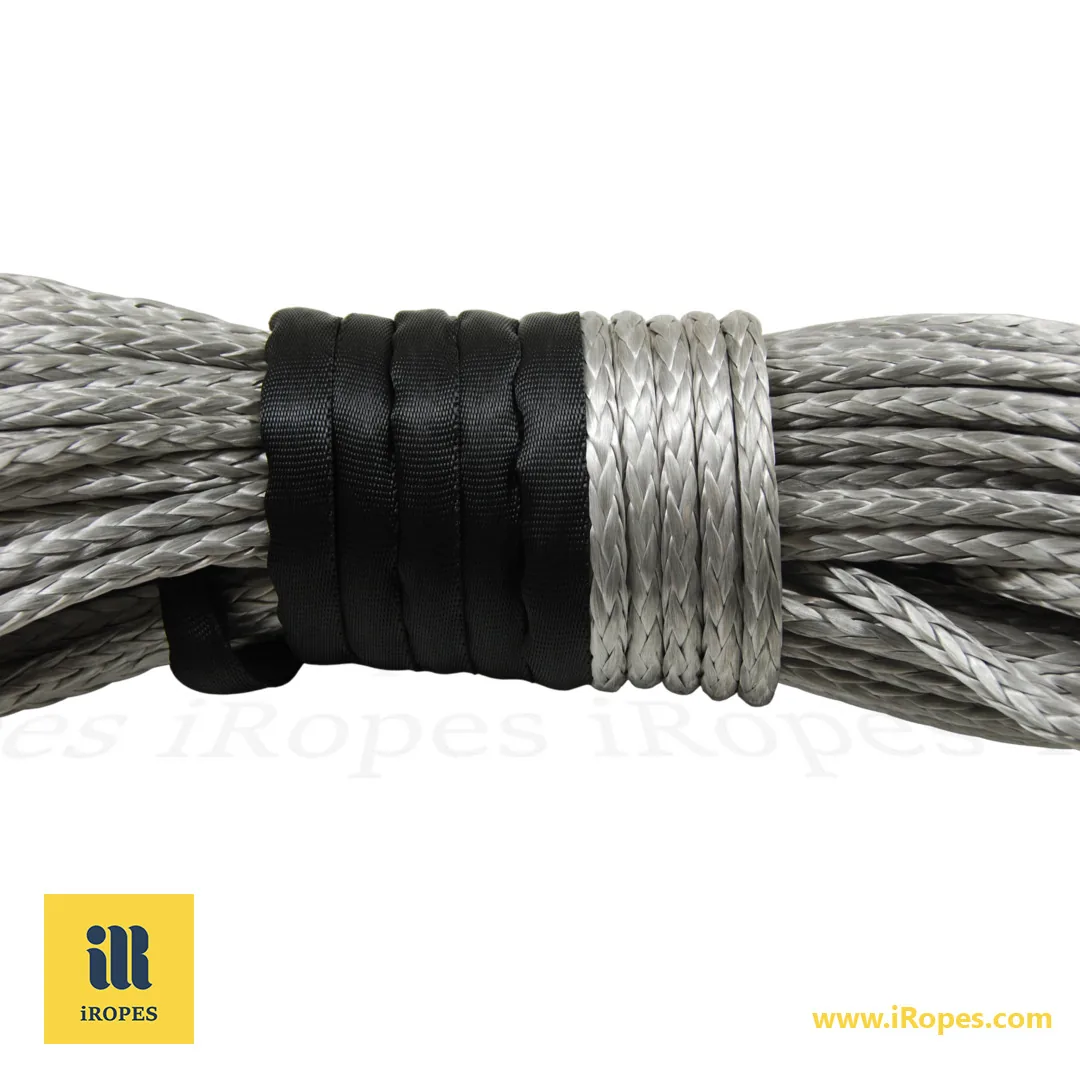
⚠️ Hidden chafing can dramatically reduce your vessel mooring rope strength by up to 50%, turning routine port operations into snap-back incidents with **recoil forces** comparable to a 30km/h car impact. Master these risks and OCIMF-compliant solutions to safeguard your commercial fleet today.
Unlock Safer Commercial Operations in Just 8 Minutes →
- ✓ Spot snap-back zones and UV threats early, potentially reducing accident risks by 40% during crucial tanker dockings and resolving compliance challenges.
- ✓ Gain expertise on Nylon versus HMPE materials, enabling you to select robust ropes with 150% breaking load margins essential for heavy container ship loads.
- ✓ Implement inspection routines that can extend your vessel mooring ropes' lifespan by 30% beyond standard 5-year cycles through proactive, targeted maintenance tips.
- ✓ Access iRopes' OEM customisations for chafe-protected lines, streamlining your fleet's global safety protocols with **ISO-certified precision**.
Even if your mooring ropes have performed flawlessly across numerous port calls, unseen wear like internal fibre breakdown could be lurking. This silently compromises their integrity, potentially breaching OCIMF standards and risking multimillion-dollar incidents. Wouldn't you agree that a single, overlooked inspection could prevent a catastrophic drift? Dive in to uncover the precise protocols and iRopes' tailored defences designed to transform these hidden vulnerabilities into **unbreakable reliability**—before the sea claims its toll.
Understanding Vessel Mooring Lines and Their Essential Role
Imagine your commercial vessel arriving at a bustling port after an arduous voyage, with the wind whipping across the deck and the current persistently tugging at the hull. This is precisely when your *vessel mooring lines* become the unsung heroes, steadfastly holding everything in place. These crucial ropes, often simply referred to as mooring lines, are robust, high-strength cables specifically engineered to secure a vessel firmly to a dock, pier, or buoy. Their primary function is to counteract powerful external forces such as wind, tides, and waves that could otherwise cause your ship to drift dangerously or move off course.
Essentially, a **mooring line of a vessel** acts as its lifeline, maintaining stability during docking and throughout its stay in port. Without properly functioning lines, even minor environmental shifts could lead to collisions, structural damage, or far worse outcomes. For commercial operations—such as massive tankers laden with crude oil or towering container ships—these lines are not merely useful; they are absolutely vital for ensuring safety and operational efficiency. They are indispensable for preventing costly accidents, facilitating smooth loading and unloading procedures, and adhering to strict regulatory standards that keep global ports running seamlessly.
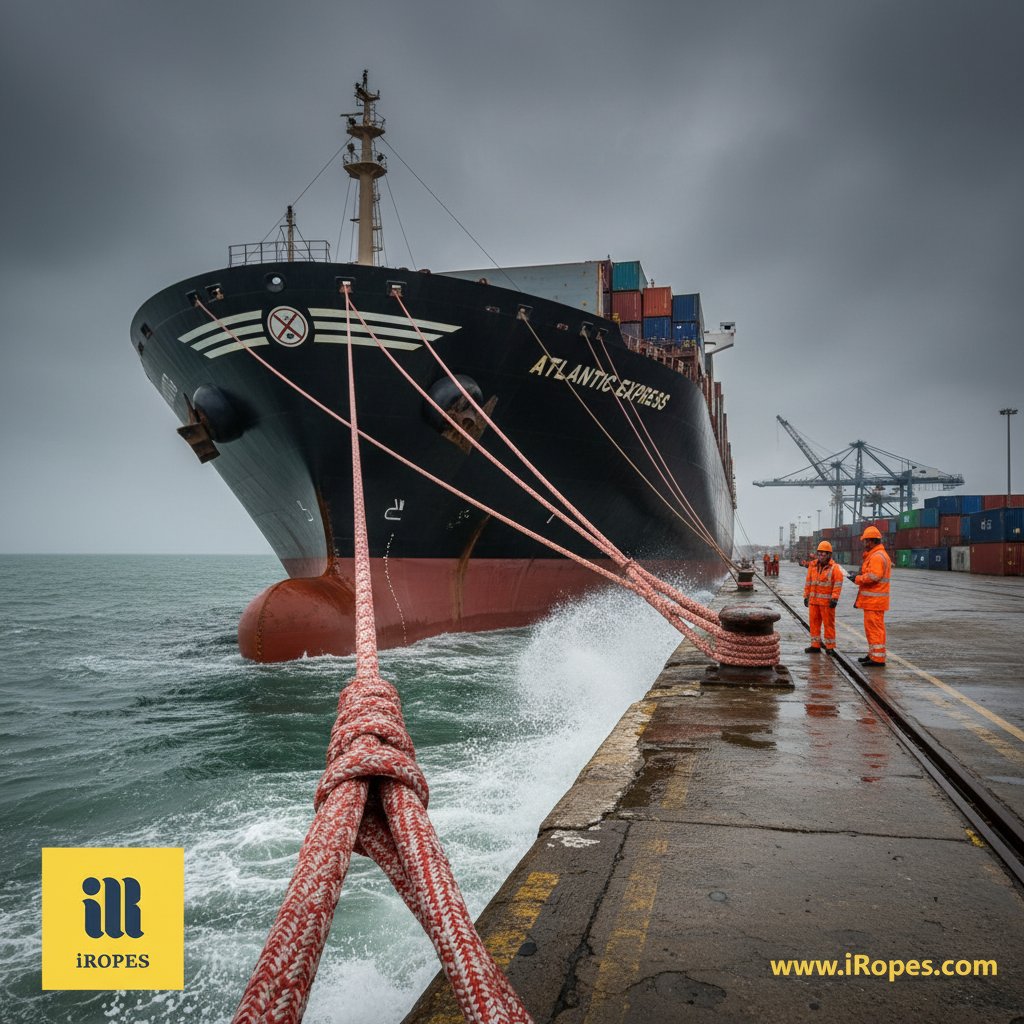
Have you ever considered why various types of vessel mooring lines are necessary? It boils down to how they collectively manage a ship's position. For example, *breast lines* run perpendicularly from the ship to the dock, keeping it securely close against the berth. *Spring lines*, set at an angle forward or aft, are designed to absorb and dampen fore-and-aft movement caused by surges or swells. Additionally, *head and stern lines* secure the bow and stern respectively, controlling overall vessel positioning. Each type serves a distinct purpose, working together like integral pieces of a puzzle to ensure the vessel remains steadfast under all conditions.
- Breast lines – These prevent sideways drift, holding the ship tightly to the dock, particularly vital during cargo transfer operations.
- Spring lines – They effectively counter longitudinal motion, for instance, when waves or swells attempt to rock the vessel back and forth.
- Head and stern lines – Positioned at the vessel's extremities, they maintain precise alignment and resist significant rotational forces.
Now, envision a more demanding scenario: offshore platforms or exposed harbours where winds regularly howl and currents pull relentlessly. This is precisely where a **4-point mooring system** excels. It employs four dedicated lines—typically two forward and two aft—that are anchored securely to the seabed or fixed offshore points. This configuration provides superior stability, distributing loads evenly and enabling the vessel to *weathervane* with the wind without losing its precise position. For tankers navigating rough seas or supply ships operating at remote rigs, this system is a game-changer, significantly reducing stress on both the hull and the crew.
Grasping these fundamental principles establishes a solid foundation for **safer voyages**, but the ultimate reliability of these mooring systems truly hinges on the materials woven into those vessel mooring lines. Understanding *what goes into them* can often reveal why some ropes perform significantly better than others in diverse real-world marine environments.
Common Materials and Constructions in Vessel Mooring Ropes
Building on the critical roles of mooring lines, let's now delve into their composition—because selecting the *right material* can genuinely mean the difference between a secure dock and an unexpected, hazardous drift. **Vessel mooring ropes** are not a one-size-fits-all product; they are meticulously crafted from specific synthetic fibres designed to withstand the relentless forces of the ocean. Consider the demands: a rope continually exposed to saltwater spray and constant tension must possess enough elasticity to absorb shocks without succumbing to catastrophic failure.
Take Nylon, for instance, a perennial workhorse in marine applications. This synthetic fibre provides excellent elongation, typically up to 20-30% at break. This characteristic is crucial as it helps cushion and dissipate the energy from impacts caused by waves or swells during docking. However, it readily soaks up water, which can lead to some strength reduction when wet, and it is susceptible to degradation under prolonged UV exposure. Polyester, in contrast, exhibits much lower stretch—only about 10-15% elongation—making it exceptionally stable for maintaining tension with heavier *container ship loads*, and it generally offers superior resistance to UV radiation compared to Nylon. Polypropylene, another option, is a lightweight fibre that floats and does not absorb water, making it quite buoyant and easily visible if it falls overboard. While it is more affordable and dries quickly, it unfortunately weakens faster due to abrasion and exposure to sunlight.
For high-demand, heavy-duty applications, HMPE (High Modulus Polyethylene), often branded as Dyneema, stands out as a revolutionary material in modern mooring setups. This advanced, **high-performance option** boasts incredible strength-to-weight ratios—in fact, it can be up to seven times stronger than steel—with minimal stretch. This makes it ideal for *tankers needing low creep* over extended periods. It also features excellent abrasion resistance, though it is more expensive and requires careful handling to prevent slippage. Have you witnessed a rope that is both significantly lighter and yet remarkably tougher? That's precisely HMPE in action, transforming how crews manage colossal vessels with reduced physical strain.
When considering the three main types of mooring ropes in broader commercial terms, they typically categorise into: *synthetic fibre general-purpose ropes* such as Nylon and Polyester for everyday versatility; *high-performance ropes* like HMPE for the most extreme demands; and *hybrid constructions* that judiciously blend these materials for balanced properties, for instance, a Nylon core with a Polyester cover for enhanced toughness and resilience.
Synthetic Basics
Versatile and Cost-Effective Options
Nylon
Offers
Polyester
Features
Polypropylene
Buoyant and affordable, though somewhat prone to abrasion in demanding port environments.
High-Performance
Engineered for Extreme Demands
HMPE/Dyneema
Delivers
Hybrid Builds
Combine multiple materials to achieve a
Construction Impact
Affects handling characteristics, with
The method of construction is equally important to the material itself. A 3-strand twisted rope is a straightforward choice, simple to splice, and offers good flexibility, making it suitable for smaller vessels. However, it can be prone to kinking under significant load. Advancing to an 8-strand plaited construction provides smoother handling and enhanced abrasion resistance, which is well-suited for tankers where even tension distribution is paramount in preventing localised weak spots. Double-braid ropes, featuring a braided core encased in a braided cover, excel in both durability and grip. They are often preferred for **container ships** that require ropes which won't slip on winches during rapid port turnarounds. Each construction type subtly alters how the rope bends, its overall lifespan, and its tactile qualities during handling.
At iRopes, our **OEM expertise** truly shines in this realm, allowing us to tailor vessel mooring ropes precisely to the specifications demanded by large tankers or container ships. We expertly blend these diverse materials and construction methods, ensuring not only compliance with industry standards but also incorporating custom enhancements like reinforced chafe layers. Our aim is to create ropes that not only perform exceptionally but also seamlessly integrate with your fleet's unique operational requirements. Nevertheless, even the most expertly designed ropes have their limits—over time, the incessant wear from the marine environment can transform inherent strengths into insidious threats.
Hidden Dangers and Safety Risks in Vessel Rope Usage
Even when equipped with the finest materials and most ingenious constructions for your **vessel mooring ropes**, the unrelenting marine environment presents constant challenges. The subtle threats mentioned earlier can rapidly escalate into severe hazards if overlooked, potentially transforming routine port operations into catastrophic events. Let's thoroughly examine the primary risks inherent in these lines, particularly within the unforgiving marine world where saltwater, intense sunlight, and constant strain combine to critically weaken even the most robust setups.
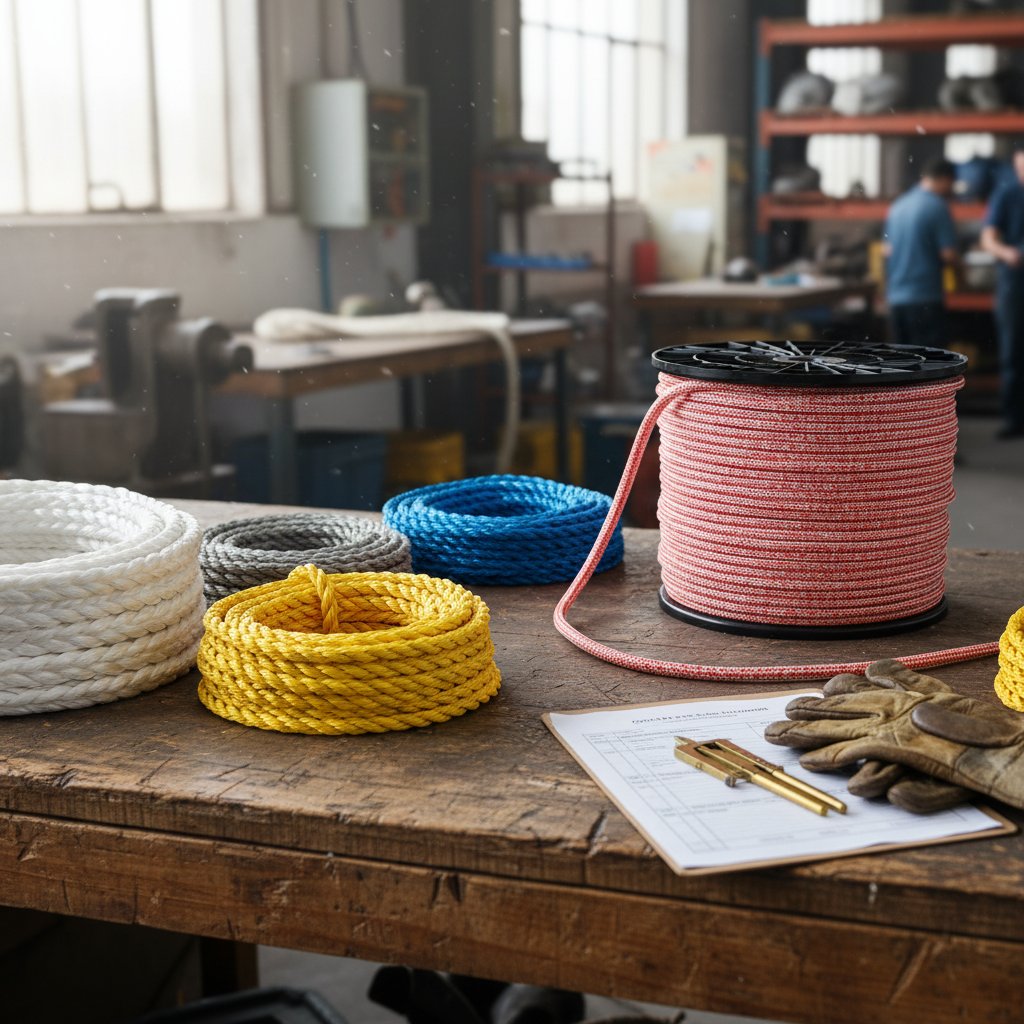
One of the most terrifying dangers is *snap-back zones*—these are invisible areas of extreme peril where a failing rope, if it snaps under tension, can whip back with lethal force. Picture this exact scenario: during a challenging storm, a line becomes overloaded and recoils with the explosive energy of a released spring, covering ground faster than any crew member can possibly react. Seasoned deckhands have shared harrowing stories of narrowly escaping serious injury by maintaining constant awareness of these critical zones. Additionally, there's the immense *recoil energy*, which is the significant kinetic force stored within a stretched rope; unmanaged, it can unleash power equivalent to a car crash, capable of hurling fragments at high speed or tragically sweeping crew overboard. *Chafing* presents another insidious threat, where persistent friction against bollards or the vessel's hull gradually erodes outer layers, reducing the rope's crucial strength by **up to 50%** over time, often without immediate detection. And naturally, we cannot overlook *UV degradation*—prolonged exposure to sunlight systematically breaks down synthetic fibres, rendering ropes brittle and prone to sudden, unexpected failure, particularly after sustained use in tropical regions.
These amplified risks have profound implications for commercial operations, where both lives and valuable cargo hang precariously in the balance. Adhering strictly to **OCIMF guidelines** is not merely advisable but absolutely non-negotiable in this context. Their MEG4 standards establish precise benchmarks for *tanker mooring requirements*, mandating ropes with a minimum breaking load meticulously calculated to account for anticipated wind, current, and vessel weight. This typically necessitates safety factors of at least 150-200% for tankers exceeding 10,000 tonnes. For *container ships*, the focus shifts to robustly managing peak loads during rapid turnarounds, with specifications often calling for **low-elongation lines** to prevent capstan slip and ensure that even 50-tonne stacks remain securely stable. Strict compliance with these guidelines is not just about fulfilling regulatory obligations; it demonstrably **slashes accident rates** and guarantees your fleet remains both compliant and operational, thereby avoiding hefty fines or unforeseen operational shutdowns.
In broader discussions about ropes, people sometimes conflate different types—for example, "what are the three ropes on a boat?" In recreational boating contexts, you might typically encounter mooring lines for tying to docks, anchor lines for maintaining position at sea, and docking lines for short-term manoeuvres. However, in the commercial maritime sphere, safety requirements are significantly elevated: **commercial vessel mooring lines** bear the brunt of sustained environmental forces and possess significantly higher breaking strengths to prevent critical drifts. Anchor lines prioritise superior abrasion resistance for secure seabed grip, while docking lines focus on durability and controlled flexibility to manage rapid manoeuvres without catastrophic failure. Recognising these distinct differences is paramount—using an unsuitable rope for a specific application could easily escalate a minor adjustment into a profound catastrophe.
Snap-Back Zones
Deadly recoil paths during catastrophic failure—mark and strictly avoid them to
UV Breakdown
Sunlight progressively weakens fibres over time—ensure
Chafing Wear
Friction relentlessly erodes strength—implement
Recoil Energy
Stored potential force can cause severe injury—train teams rigorously on
This is where strategic partners like iRopes become invaluable. We provide **certified, high-strength vessel ropes** specifically engineered with integrated chafe protection—consider reinforced sleeves designed to outlast standard covers by more than double in high-abrasion areas. Our ISO-backed lines consistently meet and exceed OCIMF specifications right from manufacturing, affording you critical peace of mind for safe, efficient, and snag-free port work. However, proactively identifying potential issues demands a vigilant eye; mastering inspection techniques transforms potential pitfalls into routine, preventive protocols.

Inspection Protocols and Replacement Schedules for Vessel Mooring Ropes
Accurately identifying the early warning signs of rope degradation isn't merely intelligent practice—it is integral to ensuring your crew's safety and maintaining seamless operational continuity. For commercial fleets, whether tankers navigating turbulent seas or container ships adhering to stringent schedules, routine checks of **vessel mooring lines** elevate maintenance from guesswork to a precise, preventive routine. Let's meticulously detail effective inspection protocols, enabling you to detect and address issues long before they escalate into serious, costly incidents.
Begin with the fundamentals: conduct a thorough visual inspection after every use, or at minimum, weekly for vessels engaged in high-traffic port operations. Pay close attention to external indicators such as cuts, glazing marks from friction against bollards, or any discolouration hinting at chemical exposure from cargo spills. *Fuzzing* on the rope's surface, characterised by unevenly protruding fibres, often signifies initial fibre breakdown—a clear red flag demanding attention. Do not stop at visual cues; *manual testing* provides invaluable insights. Firmly grip the line and feel for soft spots, lumps, or inconsistencies, which could indicate internal damage from previous overloads. A controlled bend test under moderate tension helps assess flexibility; abnormal stiffness suggests a potential reduction in breaking strength. For enhanced precision, weigh a section of the rope against its original specifications; even a 10% weight loss can be a critical indicator of hidden degradation. These steps, derived from established maritime practices, facilitate effective assessment without requiring specialised equipment, though professional load testing every six months is highly recommended for ultimate peace of mind.
- Conduct a meticulous
visual scan for cuts, fuzzing, or fading after each docking procedure. - Perform a thorough
manual squeeze and flex test to detect soft or damaged internal areas, especially along heavily used sections. Compare the current weight and diameter against the rope's original baseline measurements to identify material loss or swelling.
Once robust inspection protocols are firmly established, timely replacements are crucial for continually mitigating risks. While OCIMF guidelines advocate evaluating replacements based on *actual wear* rather than a strict calendar, a general guideline suggests planning for replacements **every 5-10 years** under moderate operational conditions. However, **high-exposure fleets**—such as those operating in corrosive tropical waters or consistently traversing storm-prone routes—might necessitate replacements every 3-5 years to maintain an essential safety margin. It’s also wise to carefully track usage logs; lines accumulating over 200 dockings annually warrant intensified scrutiny. Crucially, if testing reveals a breaking strength reduction below 80% of the original specification, immediate retirement of the rope is imperative, with no exceptions.
Proactive maintenance significantly contributes to extending the service life of these critical ropes, especially for tankers and container ships where efficiency is paramount. Maintain cleanliness by thoroughly rinsing ropes with fresh water after saltwater exposure; this washes away salts that accelerate material degradation. Crucially, avoid using harsh chemicals that could weaken synthetic fibres. For storage, coil ropes loosely in a dry, shaded area, protected from direct sunlight, and utilise ventilated covers to prevent mildew formation, particularly on Nylon types. While minor end repairs can be spliced by trained personnel, major repairs should always be handled by professionals to ensure uniform load distribution and maintain structural integrity. This approach can be tailored to your fleet's specific needs: tankers might prioritise UV-protective covers in sunny ports, while container ships could focus on quick-drying routines to facilitate rapid turnarounds.
- Cleaning routine – A thorough fresh water rinse post-use is vital; gentle soap can address stubborn grime, particularly effective for polyester lines.
- Storage setup – Optimal conditions include shade and ample ventilation to protect against damaging UV exposure and excessive dampness in warehouse stacks.
- Splicing basics – Properly tucking ends securely ensures seamless strength, which is ideal for extending the lifespan of spring lines swiftly when needed.
At iRopes, we simplify this demanding process by providing custom vessel mooring ropes that are intrinsically designed for exceptional durability, featuring elements like reinforced cores for extended intervals between inspections. Our **IP-protected designs** allow you to brand them according to your company's identity, all while being ISO-certified and delivered directly to your global operational locations—imagine pallets arriving precisely when needed for your next drydock. Investing in these meticulously crafted solutions not only ensures compliance but also significantly elevates your entire commercial mooring system.
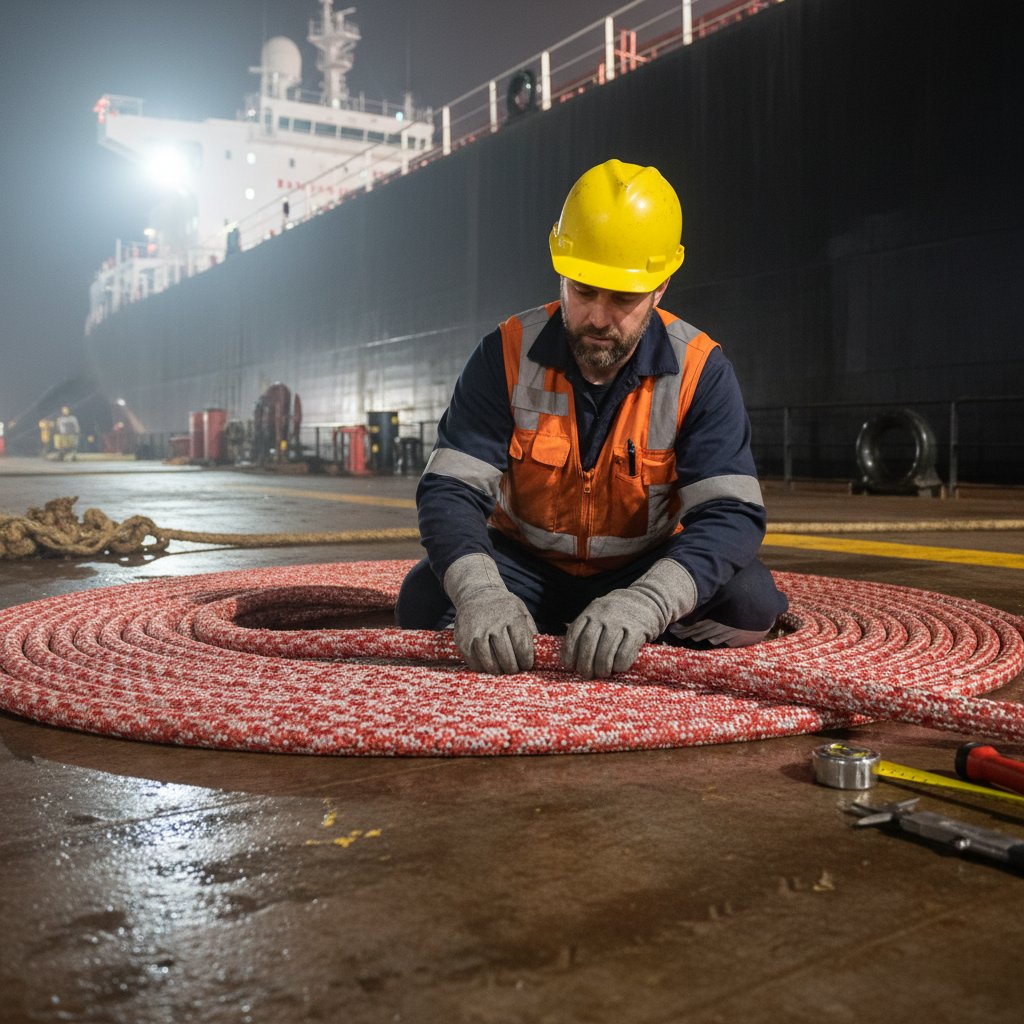
As we've thoroughly explored, the inherent hidden dangers within your vital **vessel rope** systems—including critical snap-back zones, abrasive chafing, and insidious UV degradation—can severely compromise safety during pivotal port operations. Therefore, the judicious selection of appropriate **vessel mooring ropes** crafted from superior materials like Nylon, Polyester, or high-performance HMPE is paramount. These ropes must be meticulously manufactured to stringent OCIMF guidelines, encompassing strict MEG4 standards for complex *tanker mooring requirements* and robust, low-elongation specifications for heavy *container ship* operations. Implementing rigorous inspection protocols, such as precise visual checks for early fuzzing and meticulous manual flex tests, coupled with a proactive replacement schedule of every 5-10 years (or more frequently for **high-exposure fleets**), is absolutely essential for comprehensive commercial vessel management, ensuring both compliance and long-term operational integrity.
By prioritising these meticulous practices, you not only effectively mitigate significant risks but also tangibly enhance overall operational efficiency across your fleet. For **tailored vessel mooring lines** exceptionally suited to your fleet's precise needs, iRopes' extensive OEM expertise delivers **ISO-certified, custom solutions** featuring superior chafe protection and streamlined global delivery. This empowers you to embark on safer voyages with absolute confidence, knowing your vessels are securely moored with the highest quality equipment.
Need Personalised Guidance for Your Mooring Solutions?
If you're prepared to discuss bespoke commercial vessel mooring options or require expert advice on optimizing compliance and maintenance for your demanding operations, please complete the inquiry form above without hesitation—we are here to expertly tailor robust solutions that will maintain your fleet's unparalleled security.