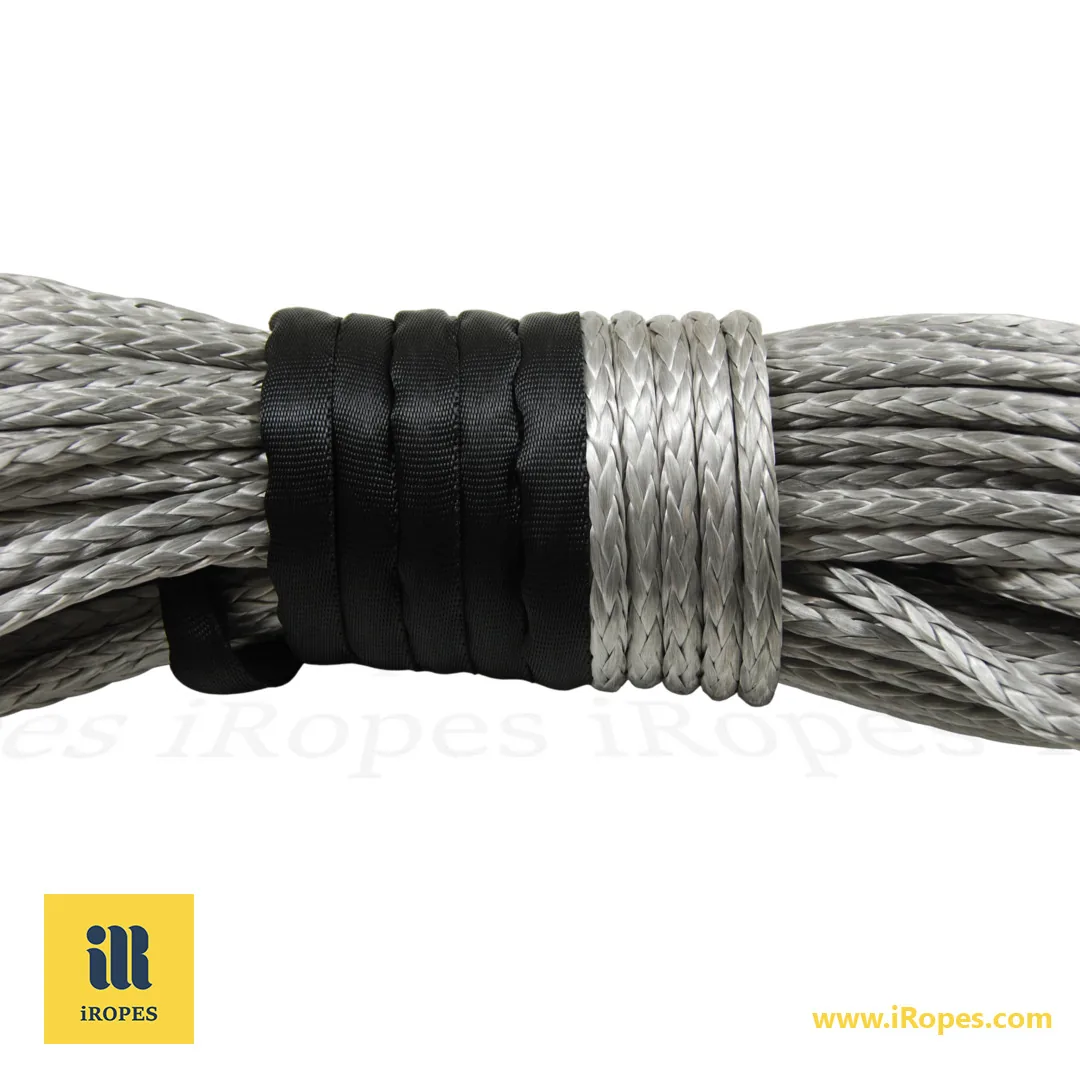
Most boat owners assume nylon is the safest mooring line, but polyester delivers 18% lower stretch and 25% longer UV lifespan — the real winner for secure berths.
What you’ll gain (≈ 6 min read)
- ✓ Reduce dock‑line failures by up to 30 % with polyester’s low‑stretch performance.
- ✓ Extend service life by roughly 40 % thanks to superior UV resistance.
- ✓ Cut routine maintenance trips by 2‑3 per season with abrasion‑guard construction.
- ✓ Receive a fully custom‑branded rope in 21‑day lead time, ISO‑9001 certified.
Imagine your boat staying firmly at the dock while the sun beats down for weeks, yet the line you trusted is silently weakening. With polyester’s low‑stretch core and UV‑stable coating, that scenario flips – but the why behind its superiority isn’t always obvious. Dive in to discover the material science, construction techniques, and iRopes’ custom options that turn an everyday mooring line into a formidable safety guarantee.
Understanding mooring rope for boats: Fundamentals and safety
Having highlighted the challenges of choosing the right rope, let’s start with the basics. A mooring rope for boats is the line that holds a vessel in place at a dock, buoy, or pier. It efficiently transfers wind, current, and wave forces to the mooring fixture without damaging the hull.
Its purpose goes beyond merely keeping the boat from drifting. A well‑designed line provides a controlled amount of give, absorbs sudden snatch loads, and resists the harsh marine environment. This ensures you can step aboard with confidence, knowing your vessel is secure.

The performance of a mooring line hinges on a handful of measurable factors. When these factors are optimally balanced, the rope behaves predictably, even in rough conditions. Key performance factors include:
- Strength – High tensile capacity ensures the line can bear the boat’s weight and surge loads without failure.
- Stretch – Limited elongation (typically 5‑10%) provides stability while effectively absorbing sudden shocks.
- UV & abrasion resistance – These properties protect the rope from sun degradation and dock wear, significantly extending its service life.
Choosing a rope that falls short on any of these fronts can invite serious problems. An under‑strength line might snap under a sudden gust, while excessive stretch could allow your boat to drift into other vessels. Poor UV resistance leads to brittleness, and inadequate abrasion protection accelerates wear at chafe points, ultimately compromising safety. These risks highlight why selecting the correct rope material and construction is critical for peace of mind.
The best rope for boat mooring depends on the vessel’s size, expected loads, and environmental conditions. However, polyester mooring rope is widely regarded as the most balanced choice because it offers low stretch, excellent UV resistance, and maintains strength when wet.
Understanding these fundamentals sets the stage for our material‑specific discussion. In the next section, we’ll examine why polyester outperforms other fibres and how iRopes tailors each line to your exact requirements.
Why polyester mooring rope excels: Material benefits and comparisons
Building on the fundamentals of mooring rope safety, let’s explore the material that gives dock lines their reliability. Polyester mooring rope combines low stretch, strong wet performance, and exceptional UV resistance. This creates a line that holds steady even when the sun beats down and the tide shifts. Its balanced properties make it an ideal choice for a variety of marine applications, particularly for long-term mooring.
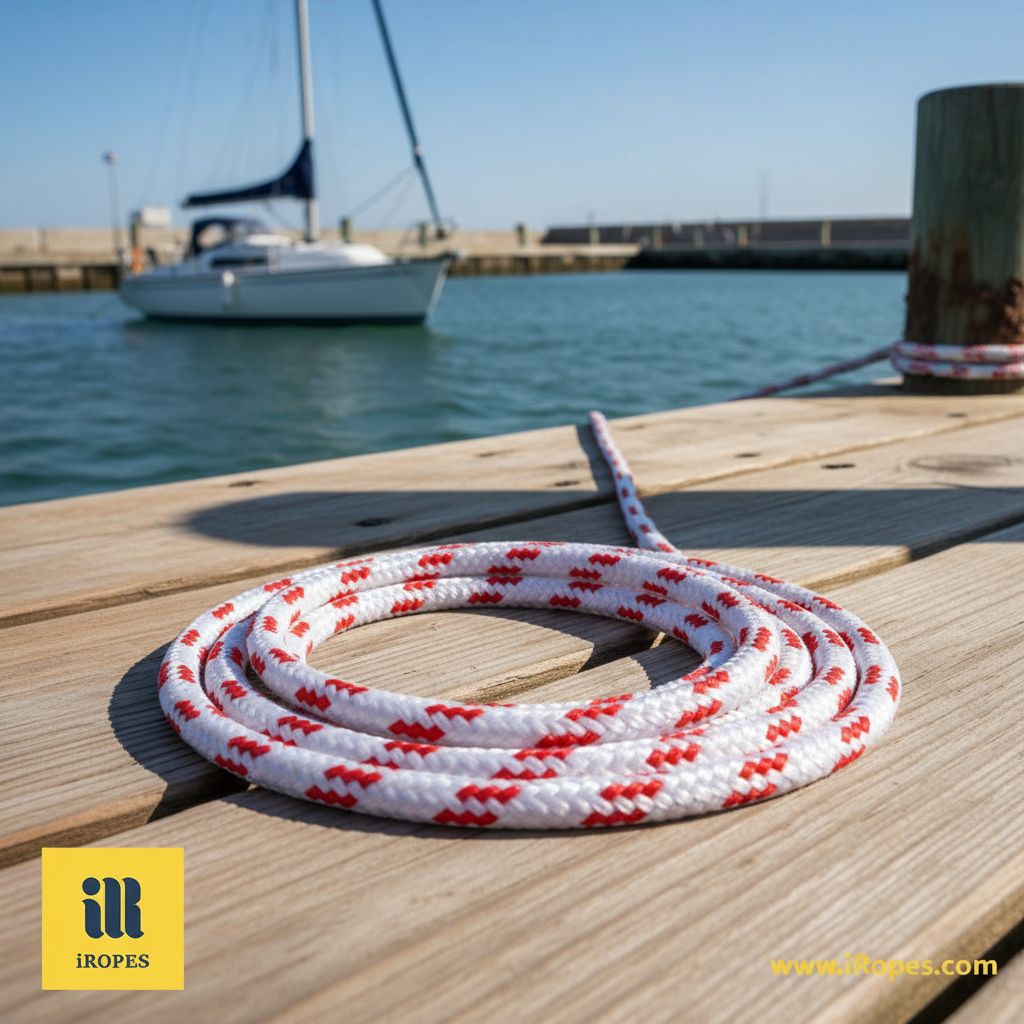
When you compare polyester to the two other common fibres, nylon and polypropylene, the differences become clear. Nylon, for instance, stretches significantly more—typically 10‑20%. While this high elasticity is excellent for absorbing sudden shocks, it can allow a boat to drift excessively under steady loads or in strong currents. Polyester, by contrast, elongates only 5‑10% and retains its tensile strength even after extensive soaking. This makes it the best rope for mooring lines in static‑load situations where predictability and minimal movement are crucial.
Three key advantages highlight polyester’s superiority:
- Low stretch – This property limits boat movement, providing greater stability while still effectively damping sudden snatch loads.
- Superior UV resistance – Polyester fibres are highly resistant to sun‑induced brittleness, protecting the rope from degradation and significantly extending its service life.
- Consistent wet strength – Unlike nylon, polyester maintains its full over‑load capacity even after prolonged exposure to saltwater, ensuring reliable performance in all marine conditions.
So, is nylon or polyester better for mooring lines? The short answer is that polyester generally outperforms nylon for long‑term dock‑line applications. Its low stretch and superior UV durability keep the line stable and safe. Nylon still holds a niche where high shock absorption is paramount, such as in rough‑sea anchoring, but for routine marina use, most professionals consistently choose polyester.
On the other side of the spectrum, polypropylene may appear attractive due to its buoyancy and lower cost. However, its drawbacks largely outweigh these benefits for permanent mooring. Polypropylene suffers from poor UV resistance, degrading quickly under sunlight, and offers significantly lower abrasion protection than both nylon and polyester. Over time, a polypropylene line can become brittle, lose strength, and require premature replacement—a costly and inconvenient cycle for any boat operator.
Customisation by iRopes
iRopes’ comprehensive OEM/ODM service lets you specify every detail of your polyester mooring rope. This includes diameter, colour, and essential accessories like eye splices, thimbles, or chafe guards. Every rope can be branded with your logo and packed in non‑branded or custom cartons, ensuring a seamless fit with your fleet’s visual identity and performance requirements. Our three‑strand, double‑braided polyester, and nylon options have earned 100% repeat orders from European, North American, and Australian brands due to our commitment to quality and customisation.
Understanding these material nuances helps you decide which line will keep your vessel secure day after day. With that clarity, the next step is to examine how rope construction – whether three‑strand, double‑braid, or octoplait – further shapes performance and handling.
Choosing the best rope for mooring lines: Selection guide and recommendations
Now that the material advantages have been covered, the next step is matching the line to your boat’s specific situation, as detailed in our essential guide to selecting mooring ropes for ships and yachts. Whether you operate a small cruiser in a sheltered marina or a larger yacht facing open‑water gusts, the right rope makes the critical difference between a secure berth and a potentially costly mishap.
Determining the right line for your vessel
Start by assessing three core variables:
- Vessel size and displacement – Larger boats demand higher breaking loads and often benefit from a greater rope diameter to safely handle increased forces.
- Typical environment – Calm harbours allow for lighter lines, while exposed docks with strong winds or tides require ropes specifically designed to tolerate higher surge loads.
- Load expectations – Consider both the static weight of your vessel and dynamic forces such as sudden snatch loads from passing traffic or choppy conditions.
For example, a 30‑foot cruiser weighing 7 tonnes in a moderate‑wind marina typically requires a 12 mm polyester mooring rope. With a working load limit of roughly 2 tonnes, this provides a comfortable safety margin. In contrast, a 45‑foot yacht in a windy bay might need to step up to a 16 mm line to adequately accommodate the extra surge pressure and ensure secure mooring.
Selecting the right construction type
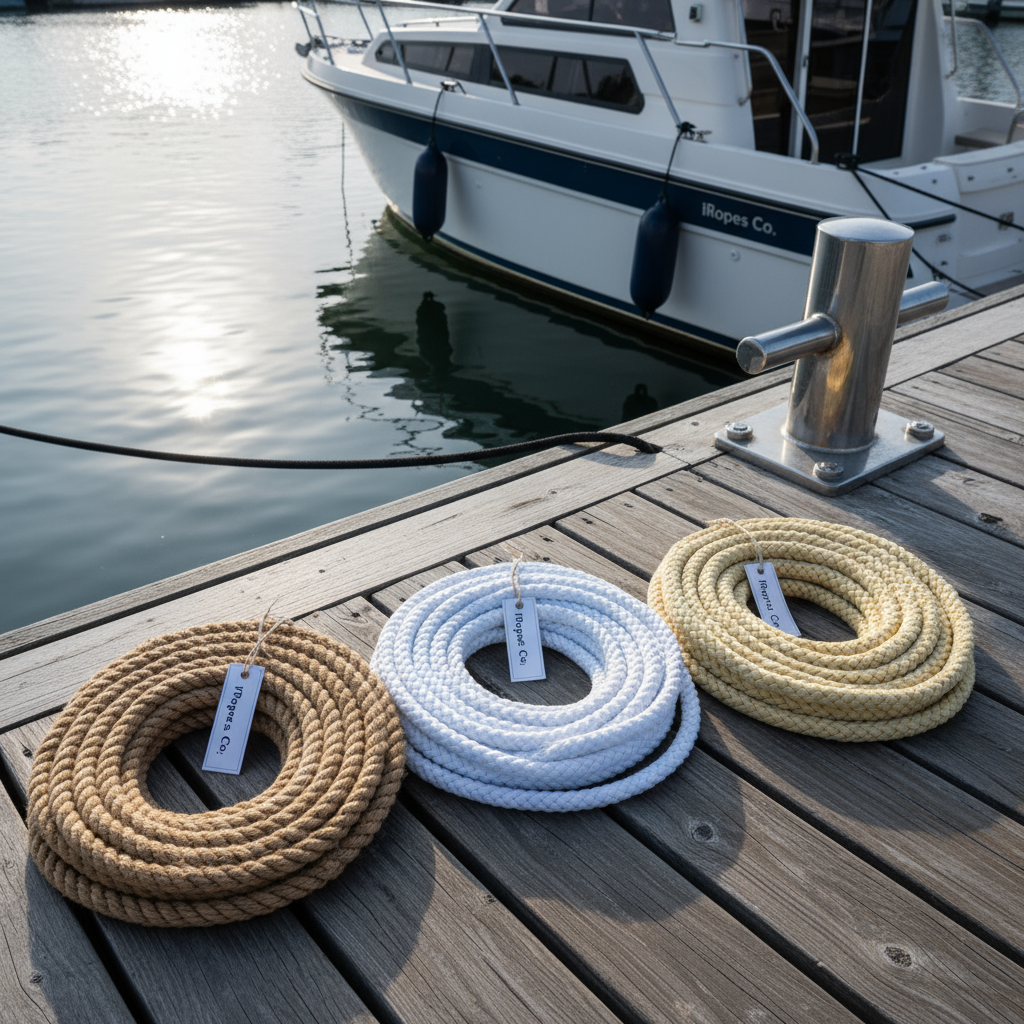
The way the fibres are arranged significantly influences handling, longevity, and the overall feel of the line in your hands. For more on braided rope performance, see our ultimate guide to nylon and polyester braided rope. Below is a quick visual comparison of the most common builds used for mooring applications, each offering distinct advantages.
3‑Strand
This construction is cost‑effective and easy to splice, making it ideal for simple berths where budget is a primary consideration.
Double Braid
Double braid offers a smooth feel and resists kinking, making it perfect for frequent handling and longer lines where comfort and easy stowage are important.
Octoplait
Known for high flexibility and excellent shock absorption, octoplait is well-suited for heavy‑load or high‑wave environments where dynamic forces are significant.
Custom Build
iRopes offers tailored fibre‑mix or core constructions, meeting specialised performance, aesthetic, or branding needs for wholesale clients.
Maintenance and care tips
Proper maintenance is crucial for extending the lifespan of your mooring ropes and ensuring ongoing safety. Follow these simple practices:
Rinse your mooring ropes with fresh water after each use to remove salt and grit. Store them off the deck in a shaded area to minimise UV exposure. Additionally, inspect eye splices for chafe every three months to keep performance at its peak and identify any potential wear early.
Our call to action
If you require a mooring line that precisely matches the diameter, colour, or termination for your fleet, iRopes can produce a bespoke polyester mooring rope. Our products meet ISO‑9001 standards and are shipped worldwide. Get in touch with us today to discuss a customised solution that perfectly fits your vessel, your budget, and your brand.
By now, you understand that a high‑performance mooring rope for boats must combine low stretch, UV stability, and reliable wet strength. These are the qualities that make polyester mooring rope the best rope for mooring lines in most marina applications. iRopes’ ISO‑9001‑certified production can tailor diameter, colour and terminations, and our 3‑strand, double‑braid polyester, and nylon options have earned 100% repeat orders from discerning European, North American, and Australian brands.
Ready to optimise your fleet’s docking safety with a custom solution? Complete the enquiry form below, and our specialists will advise you on the perfect configuration for your vessels.
Request a personalised mooring‑rope solution
If you'd like a tailored recommendation based on your vessel’s size, environmental factors, or specific branding needs, simply fill out the form above. Our dedicated team will get back to you promptly to discuss your requirements.
Related reading: How Polyester Braided Rope Excels in Various Fields