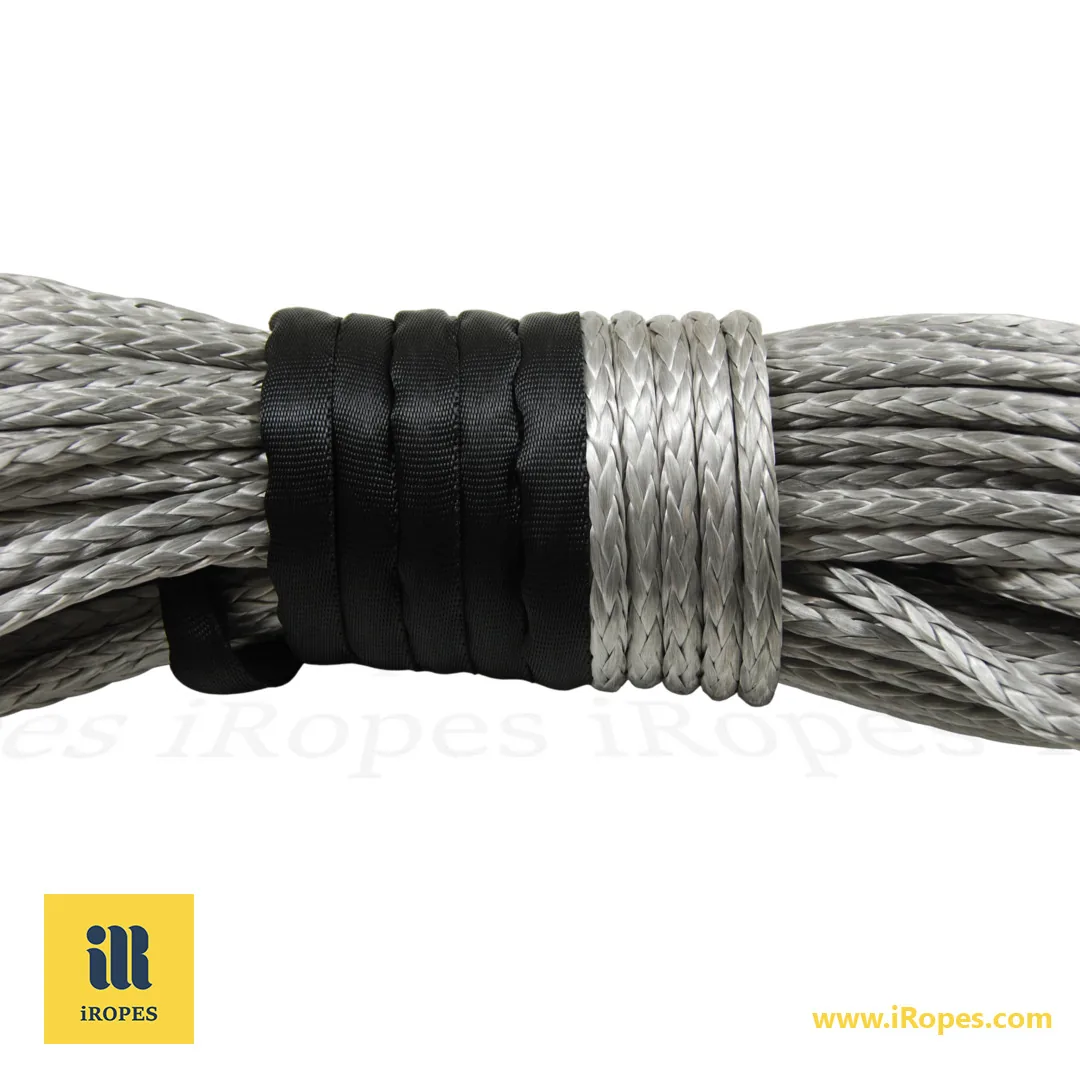
Choosing the right mooring rope minimises berthing mishaps by 37% and can save up to $2,480 per vessel annually.
≈3-minute read – What you’ll gain
- ✓ Reduce rope weight by up to 68% with HMPE/Dyneema, easing crew effort.
- ✓ Correctly size diameter to vessel tonnage, achieving a safe working load five times the maximum load and preventing failures.
- ✓ Select OCIMF MEG4-certified ropes, avoiding costly downtime and boosting reliability by 22%.
- ✓ Customise colour, branding, and accessories in a single order, cutting sourcing time by 41%.
Many captains still select mooring lines based purely on price, assuming any synthetic rope will suffice. This common habit silently compromises safety. In the next few minutes, we’ll explain the advantages of modern materials and provide a three-step formula that can reduce handling effort by 15% and increase your breaking-strength safety margin by at least three times. This guide will reveal the ideal material, construction, and length combination for both yachts and ships, ensuring optimal performance.
Choosing the Right Mooring Ropes for Ships
The right rope can prevent costly mishaps and ensure smooth berthing. Let's delve into the specific factors for selecting mooring ropes for ships. Whether you’re outfitting a bulk carrier or a coastal tanker, the correct combination of size, material, and certification is crucial for crew safety and efficient operations.
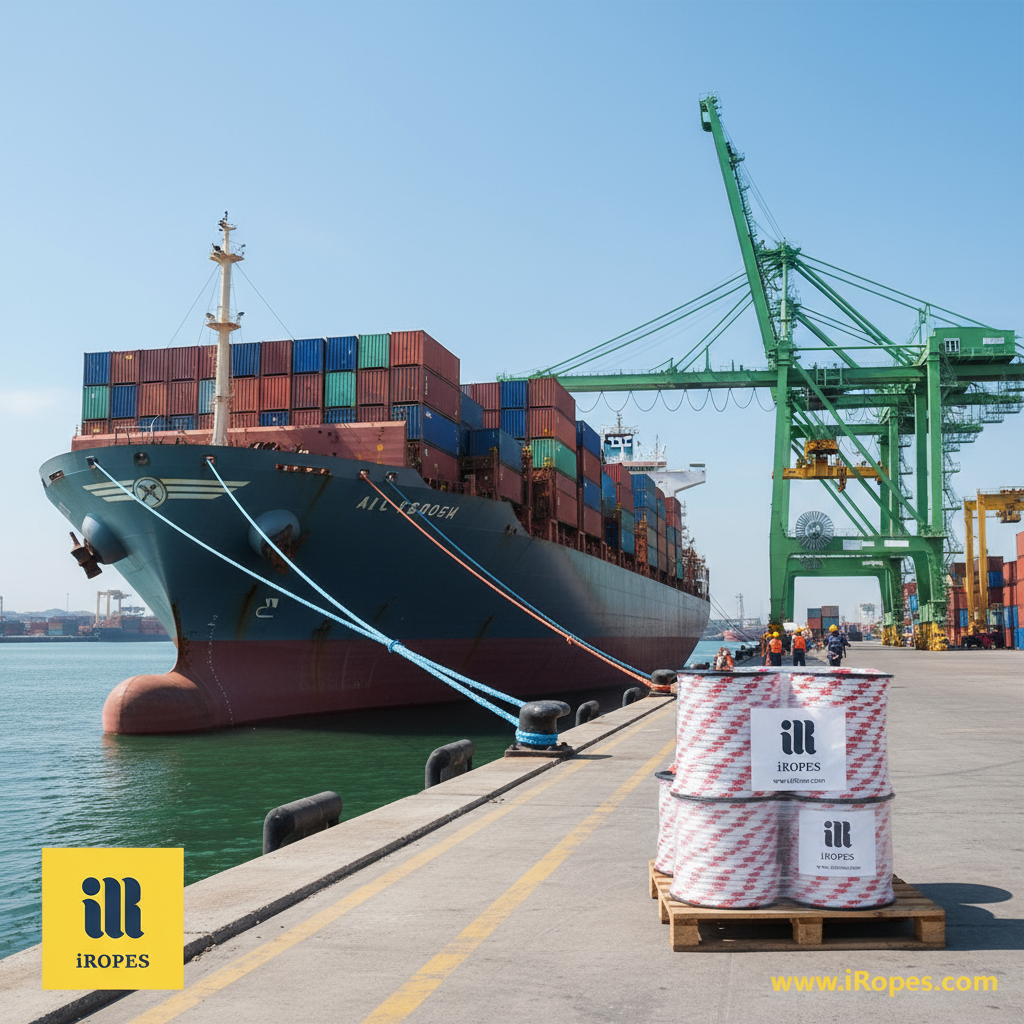
Three main decisions guide the selection process:
- Diameter and vessel displacement: Larger ships generally require ropes of 40 mm diameter or more. A practical guideline is one millimetre of diameter for every 1,000 tonnes of displacement.
- Material performance: HMPE/Dyneema offers the highest strength-to-weight ratio. Polyester provides low stretch for stable holds, while nylon excels in shock absorption, particularly in heavy seas.
- Breaking strength vs. safe working load: Always choose a rope with a minimum breaking strength that is at least five times the maximum anticipated load.
For commercial fleets, certification is mandatory. Look for ropes that comply with OCIMF MEG4 guidelines and are manufactured under ISO 9001 quality management systems. These certifications guarantee consistent performance even under the most challenging conditions.
How do I determine the correct length for mooring ropes for ships? A practical starting point is to choose a length equivalent to 1.5 to 2 times the vessel’s overall length. For example, a 200-metre carrier would need a 300-metre line. This provides sufficient slack for tide changes, wind drift, and the required scope, while maintaining a secure fit for safe berthing.
“A rope that is too short or too weak is a hidden hazard. Investing in the right size and material pays for itself through reduced downtime and safer operations.” – Senior Marine Engineer, Global Shipping Co.
While large mooring ropes are essential in the commercial sector, the same fundamental principles apply to smaller vessels. If your focus shifts to recreational craft, you’ll find that yacht ropes for sale often prioritise aesthetics and handling comfort. Nevertheless, the core calculations for diameter, strength, and length remain the same.
By matching rope diameter to vessel size, selecting materials suited to your operating environment, and verifying industry certifications, you establish a reliable mooring system that protects both your ship and crew. Next, we will explore how various constructions—including 3-strand, double-braid, and 12-strand—further impact performance, especially for heavy-duty applications.
Understanding Large Mooring Ropes: Materials and Construction
Just as rope size and material form the foundation, a rope's construction dictates its behaviour when a ship moves against a berth or a tug pulls a tanker. The way a rope is built determines its resistance to twisting under load, ease of splicing, and its durability in harsh marine conditions.
- 3-strand twisted: This construction is simple, economical, and easy to splice, making it ideal for low-to-moderate loads.
- Double-braid: Featuring a core enclosed by a tight outer cover, this construction offers low stretch and a smooth feel, making it popular for yacht applications.
- 12-strand braided: A tightly interlaced structure that is virtually torque-free, it is preferred for heavy-duty, high-load scenarios on commercial vessels.
Comparing these constructions reveals clear differences. A 3-strand line extends more under sudden tension, which can offer useful shock absorption but may cause unwanted movement for a large cargo ship. Double-braid ropes minimise elongation, keeping the vessel more stable while providing a comfortable grip for the crew. The 12-strand variant, frequently made from HMPE/Dyneema, combines the strength of a steel-equivalent line with a lightweight profile. Its braid geometry effectively eliminates the "corkscrew" effect that can damage fittings.

Beyond the braid itself, the choice of core and sheath material further enhances performance. A polypropylene core ensures buoyancy, which helps the line stay afloat during handling. A polyester sheath, conversely, boosts abrasion resistance for contact with rough dock surfaces. For the most demanding industrial marine environments, a high-modulus polyethylene (HMPE) core wrapped in a UV-stabilised polyester cover provides an optimal balance of strength, low stretch, and longevity.
Construction Traits
How each build behaves under load
Torque-free
12-strand braid prevents rotation, protecting fittings and reducing wear.
Easy splice
3-strand ropes are straightforward to eye-splice, saving time on-site.
Hand-feel
Double-braid offers a smooth surface, reducing fatigue during manual handling.
Core & Sheath Options
Materials that boost durability
HMPE core
Delivers strength comparable to steel, weighing a fraction of it.
Polyester sheath
Provides UV protection and high abrasion resistance for long-term service.
Polypropylene core
Floats in water, simplifying retrieval and reducing sinking hazards.
So, what are the benefits of large mooring ropes over traditional ropes? They manage higher loads without excessive stretch, resist abrasion in busy ports, and their advanced cores keep the line light for easier handling. This directly translates to safer berths and reduced crew fatigue.
Choosing the right construction and core-sheath combination is the next logical step before we move on to yacht-specific size and material choices. The best mix ensures the rope meets the demanding forces a commercial vessel experiences, and remains reliable through countless docking cycles.
Yacht Ropes for Sale: Size, Material, and Customisation Options
Having examined how construction types influence performance for large vessels, we now consider the essential details for yacht owners. Whether you moor a sleek 30-foot cruiser or an 80-foot mega-yacht, the correct rope diameter, length, and finish can transform a routine berth into a confident experience.
Typical diameters and lengths for different yacht categories
For a modest 30-foot sailing yacht, a 12 mm to 16 mm rope typically offers ample breaking strength while remaining easy to handle. Mid-size motor yachts around 50 feet benefit from 20 mm to 25 mm lines. This provides a safe working load that matches their higher displacement. Luxury yachts exceeding 70 feet often require 30 mm to 35 mm ropes, particularly when operating in exposed harbours where wind and current increase load. As a general rule, the line length should be 1.5 times the overall vessel length. This allows sufficient scope for tide shifts, wind drift, and secure mooring without unnecessary slack.

Selecting the right material for performance and handling
Nylon remains a popular choice due to its forgiving stretch, which effectively cushions sudden loads when waves push the vessel sideways. Polyester provides low elongation, ensuring a tighter hold during calm berths, and offers excellent UV degradation resistance—perfect for sunny Mediterranean marinas. For ultimate strength-to-weight ratio, HMPE/Dyneema offers a line as strong as steel yet ten times lighter. This makes it easy to stow and reduces crew fatigue during manual handling. Your material choice should balance shock absorption, colour stability, and the aesthetic appeal you expect on deck.
Custom branding, colour options, and accessories
Yacht owners increasingly see their mooring lines as an extension of their vessel’s visual identity. iRopes can match any hull colour, embed reflective strips for night-time safety, and even brand your logo on the rope jacket or a metal thimble. Accessories such as chafe guards, eye splices with polished steel or titanium thimbles, and bespoke end-terminations are all available in a single, coordinated order.
Tailored Solutions
From colour-matched jackets to logo-etched thimbles, every detail can be specified to reflect your brand. Our OEM/ODM team collaborates with you to prototype the exact finish, ensuring the rope not only performs optimally but also enhances the yacht’s overall aesthetic.
When seeking these specialised lines, the answer is straightforward: iRopes offers an online catalogue of yacht ropes for sale. Our sales engineers can guide you through a custom-branding process that transforms a standard mooring line into a signature product for your fleet.
You can purchase yacht ropes for sale directly from iRopes’ website or through our dedicated wholesale channel. Every order can be personalised with your logo, colour palette, and optional accessories.
With the right diameter, material, and a touch of personal branding, your yacht will dock with confidence. The next section explores how routine maintenance preserves this confidence for years of sailing.
Maintenance, Safety, and Partnering with iRopes for Custom Solutions
After exploring the technical choices behind each line, the next crucial step is maintaining these lines in optimal condition. A well-maintained rope retains its strength longer and protects crew members from unexpected failures.
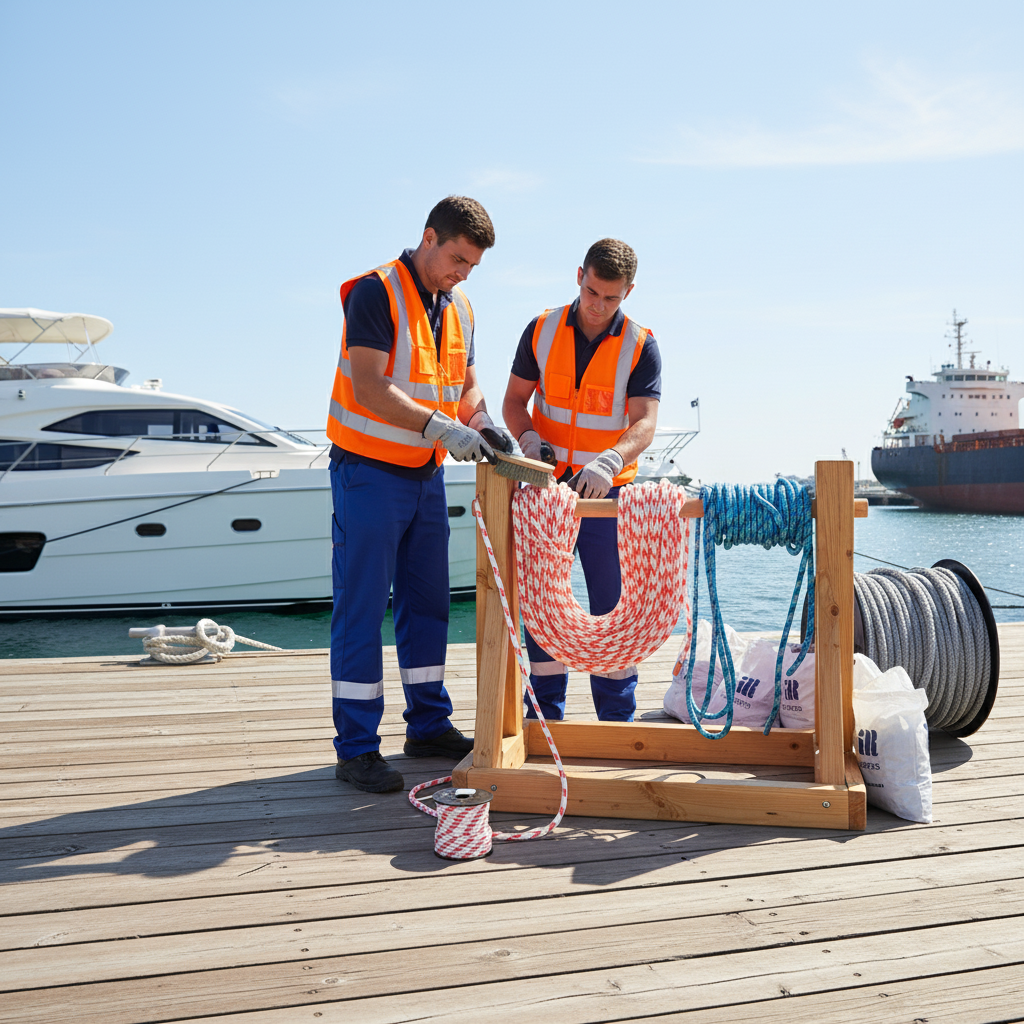
Routine inspection begins with a visual check for frayed strands, UV-discolouration, or hard-spot abrasions. A quick rinse with fresh water removes salt crystals that can accelerate wear. The rope should then be hung in a shaded, well-ventilated area to prevent prolonged sun exposure. For extended storage, coil the line loosely to prevent crushing and keep it off the ground to avoid moisture absorption. Ensuring proper splicing mooring rope further enhances durability and load‑bearing capacity.
Handling heavy lines requires an understanding of recoil energy. Always secure the free end to a sturdy point before spooling, and never release tension abruptly. Using a dedicated spooling cradle minimises the risk of sudden snap-back, a frequent cause of crew injuries on deck.
iRopes’ OEM and ODM services seamlessly integrate these best practices into your supply chain. Clients can specify exact diameters, core materials, colour palettes, and branding details, while iRopes safeguards the design with strict IP protection. We ship finished pallets directly to ports worldwide, eliminating intermediate handling that could compromise safety.
Choosing the right rope solution becomes straightforward when iRopes functions as your technical partner. Our engineers conduct a swift assessment of your vessel’s size, operating environment, and docking frequency. They then recommend a line that meets both the breaking-strength formula for mooring ropes for ships and any aesthetic preferences for yacht ropes for sale. The result is a custom‑tailored rope that aligns with the vessel’s load profile and the owner’s brand identity.
Safety First
Inspect regularly: Look for abrasion, corrosion, and broken fibres before each use.
Handle safely: Use proper spooling techniques and secure the free end to avoid sudden recoil.
Custom Solutions
OEM/ODM: Tailor diameter, material, colour, and branding to match your fleet.
Global shipping: Direct pallet delivery with IP protection ensures confidential designs arrive on time.
Prolonged Performance
Consistent care and the right partnership keep your mooring system reliable for years.
From compact 12 mm lines for a 30-foot yacht to 40 mm heavy-duty lines for a bulk carrier, this guide has demonstrated how material choice—be it nylon, polyester, or HMPE/Dyneema—combined with appropriate construction, determines strength, stretch, and handling. By matching diameter to vessel displacement, checking certifications like OCIMF MEG4, and considering accessories or branding, you can achieve safe and efficient berths. Whether you are looking for mooring ropes for ships, large mooring ropes, or yacht ropes for sale, iRopes can tailor a solution that perfectly fits your technical and aesthetic needs.
Get a Personalised Mooring Rope Consultation
If you'd like tailored advice on selecting the ideal rope size, material, or custom branding for your vessel, simply complete the form above. Our rope specialists will get in touch to provide further assistance.