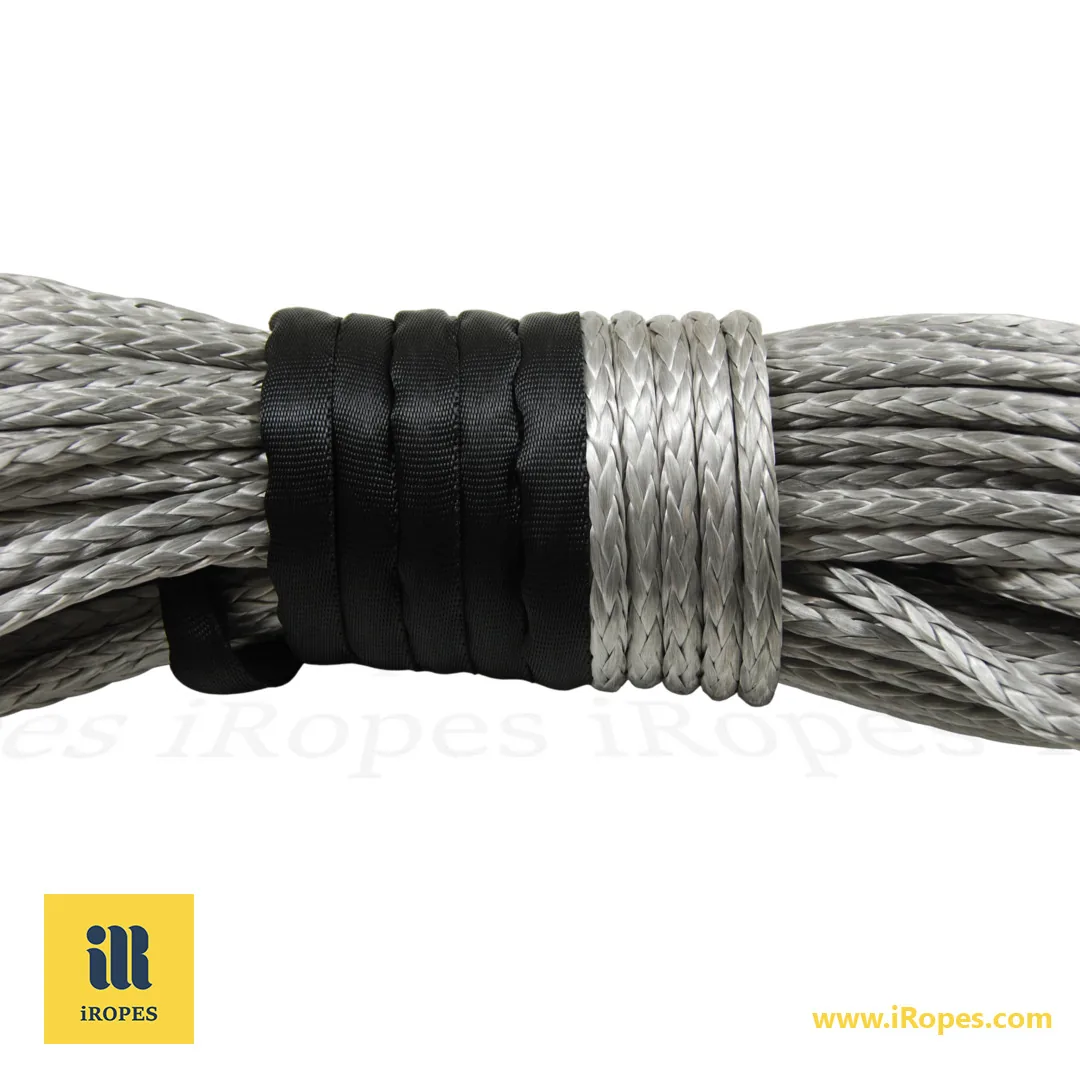
Synthetic rope is up to 9× lighter than marine steel cable and cuts handling time by roughly 42% — the clear winner for safety and efficiency.
Quick 2‑minute read: Why synthetic rope beats steel
- ✓ Reduce lift weight by 78% (e.g., 1 kg vs 8 kg).
- ✓ Lower snap‑back risk — no sharp wire ends, improving crew safety by ~35%.
- ✓ Flexibility gains 4‑6×, speeding installation and splicing by up to 50%.
You’ll discover why the lightweight, snap‑free synthetic line outperforms steel in real‑world rigs—details that change the cost‑and‑safety equation.
Understanding Marine Steel Cable: Types, Materials, and Marine Applications
Building on the overview of marine challenges, it’s time to unpack what marine steel cable actually is and why its construction remains critical for some offshore tasks. At its core, a steel cable consists of multiple strands of fine wires wrapped around a central core. These strands are then twisted together in a specific lay pattern, creating a robust line that can bear heavy loads.
When selecting a marine cable, material choice is a primary consideration. The most common finishes are bright steel, galvanised steel, and stainless‑steel variants. Each offers a trade‑off between cost, corrosion resistance, and ultimate strength. Let's look at the differences:
- Bright steel – Inexpensive, but requires regular lubrication and is highly prone to rust in saltwater environments.
- Galvanised steel – A zinc coating provides a sacrificial barrier against corrosion, which extends service life.
- 304 stainless steel – Offers good corrosion resistance but can still suffer pitting in harsh marine environments.
- 316 stainless steel – Recognised as a “marine‑grade” alloy, thanks to the inclusion of molybdenum, which shields against chloride‑induced attack.
Beyond material, a cable’s construction also dictates its flexibility and load capacity. For instance, a notation such as 6x19 signifies six strands, each comprising nineteen wires. The 7x19 layout further increases flexibility with an extra wire per strand—a beneficial trait for rigging where the line must frequently bend around pulleys. Conversely, a 1x19 configuration, often known as a single‑core cable, maximises tensile strength but is considerably stiffer, making it ideal for static mooring lines that experience minimal movement.
Answering a common query: “Is there a marine grade stainless steel?” Yes—type 316 stainless steel is widely recognized as the marine‑grade option. Its molybdenum content provides superior resistance to saltwater’s corrosive action compared to 304 grade.
These technical choices translate directly into various real‑world applications. Below are the primary sectors that traditionally rely on marine steel cable:
- Mooring – Anchors vessels to docks or seabeds, requiring high breaking strength and durability.
- Rigging – Supports masts and sails on yachts, where flexibility aids tension adjustments.
- Commercial fishing – Used for hauling nets and gear, demanding significant corrosion resistance.
- Defence – Secures equipment on naval platforms, requiring both robust strength and resistance to harsh environments.
Understanding these factors also helps when evaluating steel cable strength. The Minimum Breaking Strength (MBS) varies with diameter, construction, and material grade, while the Safe Working Load (SWL) incorporates a safety factor to protect against unexpected shocks.
Choosing the right cable isn’t just about raw tensile numbers; it’s about matching the material, construction, and coating to the specific marine environment you’ll face.
When it comes to sourcing, reputable steel cable manufacturers typically offer ISO‑9001 certification, detailed testing reports, and the ability to customise core types or lay patterns. These capabilities lay the groundwork for understanding why many marine professionals are now turning to synthetic alternatives that address weight, safety, and flexibility concerns.

Armed with this understanding of types, materials, and applications, you can now weigh the pros and cons of each configuration before moving on to assessing how steel cable strength is scientifically evaluated.
Evaluating Steel Cable Strength: Breaking Strength, SWL, and Performance Factors
Building on the overview of cable constructions, the next step is to understand how strength is quantified and why those numbers matter for safe marine operations. Engineers rely on two core metrics: Minimum Breaking Strength (MBS) and Safe Working Load (SWL). Together they define the envelope within which a steel cable can perform without risking catastrophic failure.

Here are three practical steps that translate laboratory data into field‑ready decisions:
- Define MBS – This is the highest load recorded before the cable ruptures, measured in pounds or Newtons during a controlled tensile test.
- Calculate SWL – Divide the MBS by a safety factor (commonly 5:1 for dynamic marine loads). The resulting figure represents the maximum load that should ever be applied in service, providing a critical safety margin.
- Assess influencing variables – Factors such as diameter, strand count, core type, material grade, and corrosion resistance each impact the MBS and, consequently, the SWL.
Understanding these variables helps prevent the common mistake of assuming a larger diameter alone guarantees safety. For example, a 1/4‑inch 6x19 stainless‑steel cable might offer a higher MBS than a 3/8‑inch galvanised cable if the latter uses a lower‑grade alloy or is compromised by surface pitting.
Strongest Steel Cable
The highest‑tensile‑strength steel cables are typically high‑carbon, heat‑treated alloys assembled in a compacted 1x19 or 7x7 construction. Such cables can achieve Minimum Breaking Strengths above 12 000 lb for a 1‑inch diameter, far exceeding standard 6x19 marine‑grade offerings. However, this superior strength often comes with reduced flexibility and higher cost, leading many marine professionals to consider lighter synthetic alternatives for dynamic loads.
Several key performance factors significantly influence a steel cable's strength metrics:
- Diameter – Larger cores generally provide greater cross‑sectional area, directly increasing tensile capacity.
- Construction pattern – Compacted cores (e.g., 1x19) minimise wire movement under load, which boosts strength but can sacrifice bend radius.
- Core type – Independent Wire Rope Cores (IWRC) add resilience against crushing forces, while fibre cores enhance flexibility.
- Material grade – 316 stainless steel resists chloride‑induced corrosion more effectively, preserving strength in saltwater for longer than 304 or bright steel.
- Corrosion protection – Galvanised or polymer‑coated cables help maintain MBS over time by slowing rust formation.
When a marine operation demands frequent handling, dynamic loading, or strict weight limits, the industry is increasingly turning to synthetic ropes. These modern alternatives often deliver comparable MBS with a fraction of the mass. The next section will explore how these solutions directly address the challenges highlighted by steel cable strength metrics.
Choosing Reliable Steel Cable Manufacturers: Quality, Certifications, and Custom Solutions
Having explored how strength is measured, the next logical step is to evaluate the partners who actually produce the cable. A reputable manufacturer does more than spin wires; they deliver confidence through every stage of the product lifecycle.
What to Look For
Design expertise, rigorous testing, and responsive after‑sales service are the hallmarks of a trustworthy steel cable supplier.
First, consider the **design and production capabilities**. Manufacturers with in‑house engineering teams can tailor strand count, lay pattern, and core type to precisely match specific marine‑grade applications. For instance, if a client needs a 7x19 cable with a polymer‑coated core for a high‑flexibility winch, only a factory with adaptable tooling can deliver such a bespoke solution.
Second, scrutinise the **testing regime**. Industry‑standard tensile tests, fatigue cycling, and corrosion‑exposure trials should always be documented in a comprehensive test report. Reliable suppliers archive these records and make them available to buyers, ensuring that the claimed breaking strength accurately reflects the delivered product's true performance.
Third, evaluate **after‑sales support**. Prompt technical assistance, readily available replacement parts, and clear warranty terms are crucial indicators. These factors differentiate a partner that genuinely stands behind its product from one that disappears after the shipment.
Look for manufacturers that certify compliance with EN 13411 (marine wire rope) or ASTM A1023 for aircraft‑grade steel – these standards guarantee performance under harsh sea conditions.
When it comes to **selection criteria**, beyond certifications, thoroughly examine a supplier’s track record. Longevity in the marine market, documented case studies of successful installations, and positive client references offer tangible proof of reliability. Customisation capability is also crucial; an ideal partner offers OEM and ODM services, enabling them to modify diameter, finish, or even embed accessories such as thimbles or eye terminations to perfectly fit a specific vessel’s rigging plan.
Lead times also matter significantly. A manufacturer with efficient inventory management can honour tight project schedules, thereby reducing downtime for vessels awaiting new rigging. Transparent production schedules and real‑time order tracking are clear signs of a mature and dependable operation.
Understanding **OEM/ODM services** helps you see how a generic steel cable can become a bespoke marine‑grade solution. OEM (Original Equipment Manufacturer) work typically involves following an existing design but allows you to specify surface coating, colour, or branding. ODM (Original Design Manufacturer) goes a step further: the supplier collaboratively creates a new cable architecture based on your specific performance data, such as a hybrid core that blends steel’s inherent strength with a polymer sheath for enhanced corrosion resistance.
“Who makes steel cables?” The global landscape encompasses specialised firms in Europe, North America, and Asia. Companies like Continental Cable, Bridon‑Bekaert, and WireCo WorldGroup dominate the market, each providing a portfolio ranging from standard galvanised ropes to high‑tensile stainless‑steel assemblies. Smaller regional manufacturers often excel in rapid prototyping and fulfilling niche custom orders, making them attractive for boutique marine projects that demand quick iteration and specialised solutions.

By aligning with a manufacturer that meets these stringent criteria, you secure a supply chain that not only adheres to the demanding specifications of marine environments but also offers the flexibility to evolve as your operations grow. With an understanding of how to select reliable steel cable manufacturers, we now shift our focus. The next chapter examines why many marine professionals are gravitating toward synthetic rope alternatives that address critical concerns like weight, safety, and operational handling.
Why Synthetic Rope Outperforms Steel: Safety, Weight, Flexibility, and iRopes’ Custom Solutions
Building on the industry shift towards lighter and safer alternatives, let’s examine how a synthetic line stacks up against a marine steel cable in real‑world marine applications. The advantages of synthetic solutions often make them the superior choice for modern operations.

Three core benefits predominantly drive the increasing preference for synthetic rope in demanding marine environments:
- Enhanced Safety – Synthetic ropes drastically reduce snap‑back risk, eliminate dangerous sharp wire ends, and provide smoother energy absorption during dynamic loads, making them crucial for crew safety.
- Optimised Weight – Synthetic lines are 7–9 times lighter than comparable steel cables. This significant weight reduction cuts handling effort, minimises strain on equipment, and directly contributes to improved fuel efficiency for vessels.
- Superior Flexibility – Their inherent flexibility and malleability allow for easy splicing, knotting, and routing around complex rigging. This simplifies installation, reduces wear on sheathing and other components, and makes them far more compliant in diverse applications.
Because snap‑back is virtually eliminated with synthetic ropes, the effective steel cable strength becomes less of a safety concern when loads fluctuate rapidly. Their lightweight nature means a crew can lift, store, and replace lines with considerably less effort than required for heavy steel counterparts, which directly translates into lower fuel consumption on long voyages. The superior flexibility also reduces wear on pulleys and winches, thereby extending the service life of the entire rigging system.
Custom Solutions
Tailored for marine demands
OEM
Design rope to exact diameter, core and colour for your brand.
IP
Protect your unique design with full intellectual‑property coverage.
ISO
ISO‑9001 certified production ensures consistent quality.
Synthetic Rope
Performance advantages
Light
7–9 × lighter than comparable steel, reducing handling effort and fuel use.
Flex
High flexibility allows easy splicing, knotting and routing around complex rigging.
Safe
No snap‑back or sharp ends, delivering smoother energy absorption in dynamic loads.
By choosing iRopes’ marine‑grade synthetic rope, you gain a solution that not only outperforms steel in safety, weight, and flexibility, but also benefits from full OEM/ODM support, intellectual property (IP) protection, and ISO‑certified quality – all essential factors as you plan the next upgrade to your vessel’s rigging.
Need a Tailored Synthetic Rope Solution?
After exploring the anatomy, strength metrics, and sourcing considerations of marine steel cable, this guide demonstrates why iRopes' synthetic rope stands out. It's far safer, dramatically lighter, and significantly more flexible, making handling and compliance onboard far easier. The reduced snap‑back risk, 7–9× lower weight, and superior malleability translate directly into lower fuel use and safer crew operations. Furthermore, iRopes’ ISO‑9001 certified production and comprehensive OEM/ODM capabilities ensure the rope meets exact marine performance requirements.
If you require a customised solution that matches your vessel’s specific load calculations, colour branding, or special accessories, simply complete the enquiry form above. Our specialists will collaborate with you to translate insights on steel cable strength and the expertise of reputable steel cable manufacturers into a synthetic rope that precisely fits your unique needs.