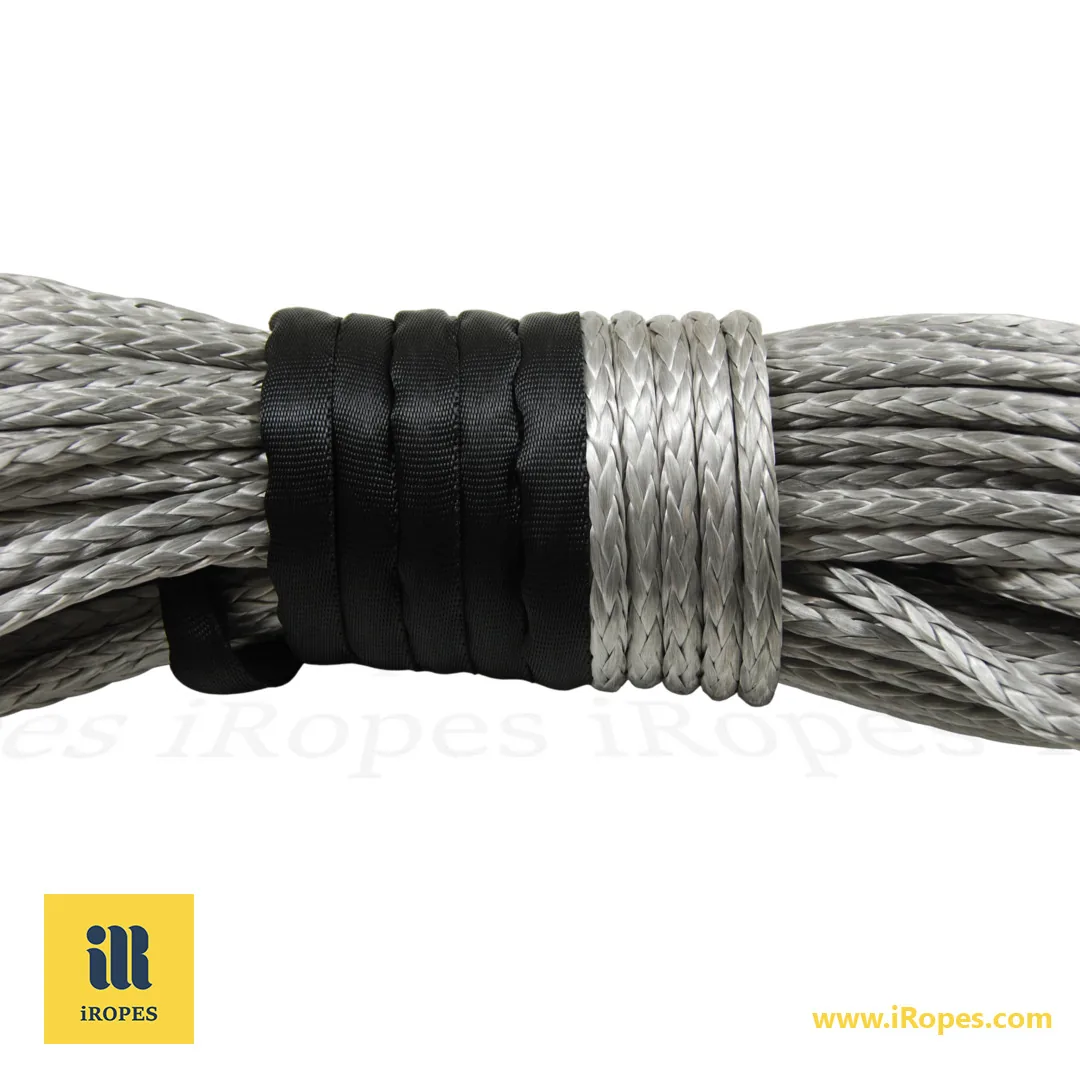
Only 17% of dock operators realise a 12 mm PP rope can lift approximately 1 tonne while weighing 30% less than an equivalent nylon line, offering comparable safety with significantly lighter handling.
What you’ll gain – ~2 min read
- ✓ Reduce dock-line loss by up to 23% with buoyant PP ropes.
- ✓ Boost load capacity 2-3x using nylon-PP blends without adding weight.
- ✓ Cut UV-degradation expenses by 38% with our stabilised formulations.
- ✓ Get custom-branded pallets shipped worldwide in 7-10 days.
Most mariners assume pure polypropylene is the only rope that floats. However, the surprising dock-side champion is often the nylon-PP hybrid. It stays buoyant while delivering three times the tensile strength and superior shock absorption. In the following sections, we'll reveal the exact metrics, demonstrate how iRopes tailors blends to your specific load and budget, and explain why this combination can slash your replacement costs by up to 25%.
Understanding PP Rope for Docking Applications
After exploring how material traits influence dockside performance, it's essential to understand exactly what PP rope is before deciding which line to fit on your pier.

Polypropylene rope, often abbreviated as PP rope, is made from synthetic polymer fibres. These are spun into thin filaments, then woven or twisted into a continuous line. The fibres are deliberately chosen for their low density (around 0.91 g/cm³), meaning the rope will float even when fully saturated with water. This characteristic saves time and hassle during docking manoeuvres.
- Buoyancy – with a specific gravity below 1, this rope stays on the surface, making it perfect for quick-release lines.
- Lightweight nature – handling feels effortless, which reduces crew fatigue when trimming or stowing.
- Chemical resistance – oil, petrol, and most acids won't degrade the fibres, extending the rope's service life.
While its floatation is a significant advantage, polypropylene is sensitive to ultraviolet (UV) radiation. Prolonged sun exposure can cause the fibres to become brittle. For this reason, many dockside suppliers add UV stabilisers or recommend regular inspection and shaded storage. iRopes, as an OEM/ODM partner, offers specialised UV-stabilised formulations.
Different construction styles further tailor these inherent qualities to specific tasks:
- 3-strand twisted – a classic option, easy to knot and ideal for short dock lines.
- Hollow braid – lightweight, floats exceptionally well, and splices cleanly for longer runs.
- Solid braid – offers a smoother feel, making it suitable for applications where abrasion resistance is crucial.
“Choosing the right rope material is the first step toward a safe, efficient dock; polypropylene’s floatability often makes it the default for everyday berth lines.”
When a docking task calls for more stretch or higher shock absorption, a nylon PP rope blend can be evaluated. However, for most routine mooring, the buoyant, lightweight nature of standard PP rope remains unmatched. This understanding sets the stage for exploring the concrete advantages these ropes bring to marine docking.
Key Advantages of PP Rope in Marine Docking
Building on the material fundamentals, the next logical step is to see how those traits translate into everyday dockside benefits.

Because the polymer’s density is lighter than water, a PP rope naturally rests on the surface rather than sinking. This buoyancy means a line can be quickly sighted and grabbed, even in choppy conditions, definitively answering the common query, “Does polypropylene rope float?” Yes, it certainly does.
PP rope is chosen for several dockside scenarios: dinghy tow lines that must be retrieved without hauling a heavy dead weight; floatlines that keep a vessel aligned while loading; barrier ropes that delineate safe walkways; and temporary moorings where a quick-release line is essential.
While the rope’s lightness might suggest fragility, its strength-to-weight ratio is surprisingly robust. A 12 mm PP rope can sustain approximately 1 tonne of tension while weighing only a fraction of an equivalent nylon line. This makes it ideal for situations where ease of handling matters as much as load capacity. This addresses the question, “Is PP rope strong?” It is strong enough for most recreational and light-commercial docking tasks, though it does not match nylon’s ultimate tensile capacity.
Strength-to-Weight Advantage
A 12 mm PP rope can sustain roughly 1 tonne of tension while weighing significantly less than an equivalent nylon line, making it ideal for situations where handling ease is as important as load capacity.
When selecting a PP rope for a temporary mooring, verify that the working load limit exceeds the vessel’s displacement by at least 30% to maintain a safe margin.
When docking demands exceed the modest stretch of polypropylene, the conversation shifts to nylon PP rope, setting the stage for a side-by-side material comparison.
Why Nylon-PP Rope is a Game-Changer for Docking
When standard polypropylene's modest stretch proves insufficient, the conversation naturally turns to a hybrid solution that leverages the best of both worlds: the so-called "nylon PP rope." This term describes a rope where nylon fibres are incorporated alongside polypropylene, either as a blended core or as a specialised outer sheath. The result is a line that retains enough buoyancy for water‑based work while gaining nylon’s high tensile strength and shock‑absorbing qualities.

From a performance standpoint, nylon brings three decisive advantages to a docking line. First, its tensile strength far exceeds that of polypropylene – a 12mm nylon rope can bear roughly three times the load of an equivalently sized PP rope. Second, nylon’s elasticity acts like a built‑in shock absorber. When a vessel swings against a dock, the rope stretches gently, reducing peak forces on both the boat and the cleat. Third, nylon fibres possess inherent UV resistance, meaning the rope maintains its integrity longer under relentless sun exposure, a frequent challenge for dockside equipment.
Strength
Nylon’s breaking strength is typically 2-3 times greater than polypropylene, allowing for thinner, lighter lines without sacrificing load capacity.
Shock Absorption
The material’s high elongation (up to 30% stretch) dampens sudden jerks, providing protection for both the vessel and dock hardware.
UV Resistance
Nylon’s molecular structure inherently resists UV-induced degradation, extending its service life in sunny marinas.
Buoyancy Balance
When combined with a polypropylene core, the rope can retain sufficient floatation for easy retrieval while still delivering nylon’s superior strength.
So, is nylon rope better than polypropylene for docking? The answer hinges entirely on the specific requirement. If a line must stay on the surface, resist oil spills, and be lightweight, pure PP rope remains the economical choice. However, when the dockside operation involves heavy loads, frequent impacts, or prolonged sun exposure, a nylon‑enhanced rope – either a full‑nylon line or a nylon PP blend – delivers the durability and shock absorption that polypropylene alone cannot provide.
iRopes can tailor this balance precisely. By selecting the exact nylon-to-polypropylene ratio, adjusting diameter, and choosing a suitable braid pattern, wholesale customers receive a rope that matches their load, visibility, and budget constraints. This is all backed by ISO‑9001 quality assurance and full IP protection. For a deeper dive into selecting the optimal mooring rope, see our ship mooring rope selection guide.
With these material insights, the next logical step is a side‑by‑side comparison to help you decide which rope variant aligns best with your docking strategy.
Selecting the Right Rope: Comparison and iRopes Customisation
Having examined the individual traits of polypropylene and nylon‑enhanced lines, the logical next step is to place those attributes side‑by‑side. This makes it easier to decide which material aligns with a particular docking scenario.

The table below summarises the core performance criteria that most dock operators weigh when choosing a line.
Refer to our comprehensive marine rope specifications guide for more technical details.
Polypropylene (PP Rope)
Float-ready and Cost-effective
Strength
Adequate for light-to-moderate loads, keeping handling easy and safe.
Stretch
Low elongation, typically around 3-5%, maintains tight positioning, crucial for stable mooring.
UV Resistance
Requires UV stabilisers for prolonged sun exposure to prevent degradation.
Nylon (Nylon-PP Rope Blend)
High-strength, Shock-absorbing
Strength
Superior tensile capacity allows for thinner lines even for heavy loads, optimising space and handling.
Stretch
Higher elongation (10-15%) provides built-in shock absorption, protecting vessels and cleats.
UV Resistance
Inherent UV resistance significantly prolongs service life in constantly exposed marine environments.
Decision Guide
Match load, exposure, and budget to the rope that fits your docking strategy.
Choosing a line therefore follows three simple questions:
- How much weight must the rope support? Heavy-duty moorings favour a nylon PP rope, while modest berth lines work well with a standard PP rope.
- Will the line spend long hours under direct sunlight? If UV stability is critical, nylon‑based options minimise degradation and replacement costs.
- What budget constraints apply? Polypropylene typically costs 30-40% less than its nylon counterpart, making it an attractive option for high-volume, cost‑sensitive projects.
Our detailed boat mooring line guide with eye splice options provides further insight for those looking to optimise safety and durability.
iRopes translates these considerations into fully customised solutions. Through its OEM/ODM platform, customers can specify the exact material blend, choose a diameter that meets the required working load, set the length for dockside runs, select colour‑coding for visual safety, and add branded packaging or unique markings. Every stage—from fibre selection to final spooling—is protected by ISO‑9001 quality controls and comprehensive IP safeguards. This ensures the finished rope not only meets performance expectations but also aligns with brand identity and intellectual‑property requirements.
Ready for a customised docking rope?
By now, you understand how the buoyancy of PP rope and the tensile strength of nylon PP rope complement each other, making them ideal for mooring lines where visibility and load capacity are critical. The easy handling of a PP rope speeds up dockside operations, while the added stretch and UV resistance of a nylon‑enhanced blend protect vessels against sudden impacts. Whether you need a pure polypropylene line for cost-effective floatlines or a hybrid solution for heavy‑duty berths, iRopes can tailor the construction to your precise specifications.
If you’d like guidance to select a blend for your dock, simply complete the enquiry form above. Our rope specialists will work with you to design a solution that meets your performance, branding, and budget requirements.