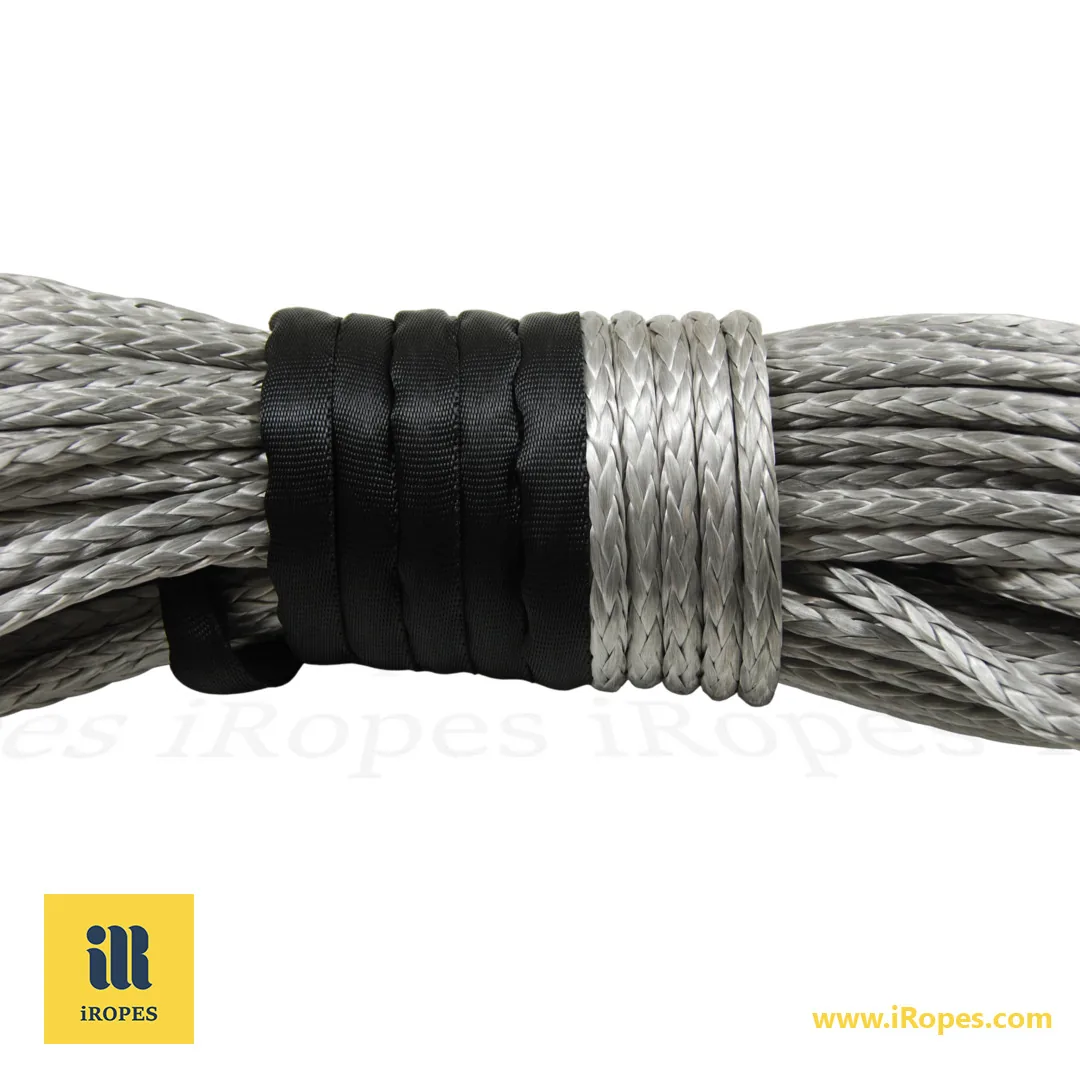
Get marine‑grade cords with up to 3,500 lb typical tensile strength, custom‑coloured and ISO 9001‑backed. Rapid prototyping in 7–10 days and dependable, on‑time delivery worldwide.
Key gains – approx 4 min read
- ✓ Boost safety by choosing cords rated to ≤ 3,500 lb break strength for critical marine lines.
- ✓ Accelerate sourcing – our OEM/ODM workflow delivers prototypes in 7–10 days and streamlines production lead times.
- ✓ Preserve brand integrity with non‑branded or logo‑printed packaging, robust IP protection, and consistent presentation.
- ✓ Align with recognised standards: ISO 9001 (QMS), MIL‑C‑43701 (military rope spec), and ASTM D‑2256 (tensile‑strength testing).
Most crews still reach for the cheapest off‑the‑shelf rope, assuming any cord will do — but that habit invites hidden wear, unexpected snaps, and costly downtime. Whether you’re comparing cotton cord manufacturers, nylon cord manufacturers, or braided cord manufacturers, the right partner helps you match material, construction, and certification to the job. What if you could replace guesswork with a marine‑ready cord that’s engineered for your loads and delivered on your timeline? Keep reading to discover the decisive factors that turn ordinary rope into a safer, more reliable choice at sea.
cotton cord manufacturers – Key considerations for marine safety
After reviewing the general demands of marine rigging, it’s time to focus on a fibre that many overlook: cotton. While it lacks the headline strength of synthetics, cotton rope brings a useful blend of softness and environmental friendliness that can be decisive for low‑load tasks aboard boats and offshore platforms.

Definition and typical marine uses of cotton cord
Cotton cord is a twisted or braided assembly of 100% natural cellulose fibres. In marine settings, it is favoured for tying down lightweight gear, securing canvas covers, lashing fenders, and creating temporary handholds where a non‑abrasive surface is essential. Its modest, predictable stretch helps with tidy adjustments for small tasks.
Performance traits: softness, biodegradability, and load limits
- Softness – gentle feel reduces chafe on delicate equipment and is comfortable in hand.
- Biodegradability – fully compostable after service life, supporting eco‑conscious projects.
- Load limits – typical break strength ranges from 150 lb to 600 lb, suitable for light‑to‑moderate loads; avoid prolonged immersion to minimise rot.
Certifications and testing standards relevant to marine environments
Reputable cotton cord manufacturers often maintain ISO 9001 certification to demonstrate consistent quality management. In addition, suppliers commonly test to ASTM D‑2256 for tensile strength. When you request a product data sheet, look for documented testing and quality controls; they confirm that the cord has undergone the same rigour applied to higher‑performance synthetics.
So, how does cotton really differ from its synthetic counterpart? In plain terms, cotton is a natural fibre that offers a softer touch and full biodegradability, but it carries lower tensile strength and less weather resistance than nylon. Nylon, by contrast, is a synthetic polymer that can bear higher loads, provides useful elongation for shock absorption, and can be UV‑stabilised — attributes that make nylon cord manufacturers popular for heavier offshore work.
“When the crew needs a cord that won’t scar a wooden rail, I reach for cotton. Its tactile comfort outweighs the modest strength trade‑off for short‑range tasks.” – Marine safety officer, Australian coastal fleet.
Choosing the right supplier hinges on more than fibre type. A manufacturer that can tailor diameter, colour, and terminations (such as thimbles or loops) while protecting your design under a non‑disclosure agreement will save you time and keep your brand intact. As you weigh softness against strength, keep an eye on the certification checklist and ask potential partners for sample performance reports.
With cotton’s gentle characteristics clarified, the next logical step is to explore why the synthetic champion — nylon — supports high‑stress offshore scenarios, and which nylon cord manufacturers deliver the durability you need.
nylon cord manufacturers – Durability and UV resistance for offshore applications
Having seen how cotton excels in gentle, low‑load tasks, the next step demands a fibre that thrives under relentless sun and salt. Nylon‑based cords deliver the strength and stability marine crews rely on when every knot counts.
Core properties: high tensile strength, controlled elongation, and durable performance
Nylon cords typically offer high tensile strength across a broad diameter range and provide controlled elongation that cushions dynamic loads — valuable for mooring and shock‑prone applications. When produced with UV‑stabilised formulations and protective sheaths, nylon maintains strength and colour for longer service life in harsh marine conditions.

Typical diameter and break strength ranges for marine tasks
Offshore applications usually call for diameters from 5 mm (3/16 in.) up to 19 mm (3/4 in.). A 10 mm line typically delivers a break strength in the 2,500–3,500 lb range, depending on braid and fibre blend — ideal for mooring, winch handling, and safety‑line installations with predictable safety factors.
Customization options: colour, length, and accessory terminations
- Colour – choose high‑visibility hues or match your brand palette.
- Length – order precise cuts from 0.5 m to 200 m to minimise waste.
- Accessories – add stainless‑steel thimbles, eye‑splices, or quick‑release loops.
These options are standard among reputable nylon cord manufacturers, ensuring you receive a product that fits both the technical specs and the visual identity of your fleet.
UV advantage
With UV‑stabilised sheaths and quality‑controlled formulations, marine cords retain dependable performance during extended sun exposure and deck duty — essential for lines that remain rigged offshore.
When it comes to picking a braided cord for marine use, start by matching the expected load to the cord’s break strength, verify that the braid’s core material (often polyester, nylon, or aramid) meets the required abrasion resistance, and confirm the supplier’s certifications — such as ISO 9001 or MIL‑C‑43701 — to guarantee consistent quality. Following those steps helps you avoid over‑specifying or under‑protecting your rigging.
With nylon’s durability now clear, the final part of this guide will examine how braided constructions blend the best attributes of fibres to achieve dependable marine safety.
braided cord manufacturers – Combining strength and flexibility for critical marine operations
Having explored nylon’s offshore durability, the next step is to understand why a braid often outperforms a laid, single‑strand rope when safety is non‑negotiable. A braid intertwines multiple fibres in patterns that distribute load evenly, giving you strength to hold a vessel steady and the flexibility to tie knots quickly under pressure.

Construction types: single‑braid, double‑braid, and hollow‑core designs
Three common constructions dominate the market:
Single‑braid
A single braided structure without a separate core; ideal where low weight, easy handling, and moderate loads are priorities.
Double‑braid
Two interlocking layers (core and cover) deliver superior abrasion resistance and higher safety factors for heavy‑duty mooring.
Hollow‑core
A tubular braid with no core that reduces weight and allows fast, simple splicing — useful for long runs and easy rigging.
Load capacity, stretch characteristics, and why braid beats single‑strand rope
A well‑engineered braid typically offers a break strength between 1,200 lb and 3,500 lb for common diameters, with higher ratings available on request under MIL‑C‑43701. Braid geometry spreads stress across more fibres for stable, predictable handling with controlled elongation — vital when a boat swings in rough seas.
Certification checklist for marine compliance
When vetting a supplier, look for these key marks:
ISO 9001 demonstrates a systematic quality‑management system; MIL‑C‑43701 confirms the cord can meet military‑grade rope specifications; ASTM D‑2256 validates tensile‑strength testing methods. Together, they help ensure the cord is engineered and verified for demanding offshore work.
So, what certifications should a cord manufacturer have? At a minimum, ISO 9001 for consistent production, MIL‑C‑43701 where a military rope spec is required, and ASTM D‑2256 for rigorous tensile testing. Some projects may also require AS9100 (aerospace) or CSA (regional safety) depending on regulatory needs.
Choosing the right braid often comes down to matching the construction to the job’s load profile and confirming that the supplier’s certification slate covers the environment you’ll face. Once you have that foundation, the next part of the guide brings the selection criteria together so you can secure the right partner for custom marine rope solutions.
Get a custom marine rope solution
Throughout the guide we highlighted how cotton cord manufacturers deliver soft, biodegradable solutions for light‑load tasks, while nylon cord manufacturers provide the high tensile strength and UV‑stabilised performance required offshore, and braided cord manufacturers combine those attributes into flexible constructions. By checking ISO 9001, MIL‑C‑43701, or ASTM D‑2256 documentation and specifying diameters, colours, and terminations, you can secure a rope that meets safety standards and branding needs. For a deeper dive, see our custom marine rope solution guide.
At iRopes, we produce professional marine, safety and arbour rope and cordage — superior‑grade products for demanding environments. As an OEM/ODM specialist, we offer end‑to‑end custom design, low‑MOQ sampling in 7–10 days, IP protection, and non‑branded or customer‑branded packaging with direct pallet delivery worldwide. If you’d like personalised advice, simply complete the form above and our engineers will respond promptly with a tailored solution.