Choosing the right rope supplier can shorten your project lead‑time and reduce material spend. iRopes and other top OEM/ODM partners deliver ISO 9001‑certified, marine‑grade ropes on typical 4–6‑week sea‑freight schedules.
≈ 2 min read – Your quick wins
- ✓ Identify suppliers that guarantee ISO 9001 & ABYC compliance, which can help reduce warranty claims.
- ✓ Compare jute, hemp and marine synthetics side‑by‑side, helping you optimise cost per metre on bulk orders.
- ✓ Unlock custom branding and packaging with cost‑effective options, boosting product visibility on‑site.
- ✓ Leverage iRopes’ global logistics to achieve on‑time delivery > 98%.
Most buyers assume the cheapest jute rope wins the contract, yet many high‑performing marine projects prioritise suppliers with ISO 9001 and ABYC certification — a choice that can lower failure risk and reduce lifecycle costs. In the next sections you’ll discover the exact criteria that separate top‑tier providers from the rest, and how iRopes’ OEM/ODM platform turns those criteria into a custom‑fit solution for your next venture.
Top jute rope suppliers – criteria for choosing the best partner
When you source natural‑fibre rope for a commercial project, the right supplier can mean the difference between a smooth rollout and a costly delay. You’ll notice that reputable jute rope suppliers combine consistent quality with transparent service, which is especially valuable when you’re ordering in bulk for marine or eco‑friendly applications.
So, what should you look for when choosing a jute rope supplier? First, verify that the company holds recognised certifications such as ISO 9001 for quality management and, where applicable, ABYC‑A‑2 for marine‑grade ropes. Next, scan customer reviews — a rating above 4.5 ★ across at least 200 reviews usually signals reliable after‑sales support. Finally, ask about traceability: can the supplier prove that the jute fibres come from sustainable farms and that the production process respects environmental standards?
- Supplier reputation – Look for ISO 9001 or ABYC certifications, strong customer ratings, and clear traceability of raw jute.
- Pricing and MOQ – Bulk price typically ranges from $2‑$6 per metre; confirm the minimum order quantity, lead‑time (often 4‑6 weeks by sea), and available shipping methods.
- Customisation capabilities – Ability to adjust diameter, length, colour, add branding, and choose packaging (bags, colour boxes, or bulk cartons) with cost‑effective options.
Even a small tweak in colour or a custom‑printed logo can turn a simple rope coil into a brand statement, particularly on yachts or eco‑tourism sites where visual impact matters. Many suppliers also provide samples, so you can review the fibre’s texture before committing to a full container load.
“Choosing a supplier that combines ISO certification with flexible branding options gives you peace of mind and a marketing edge, especially when the rope will be visible to customers on the water or in a garden display.” — Marine materials engineer
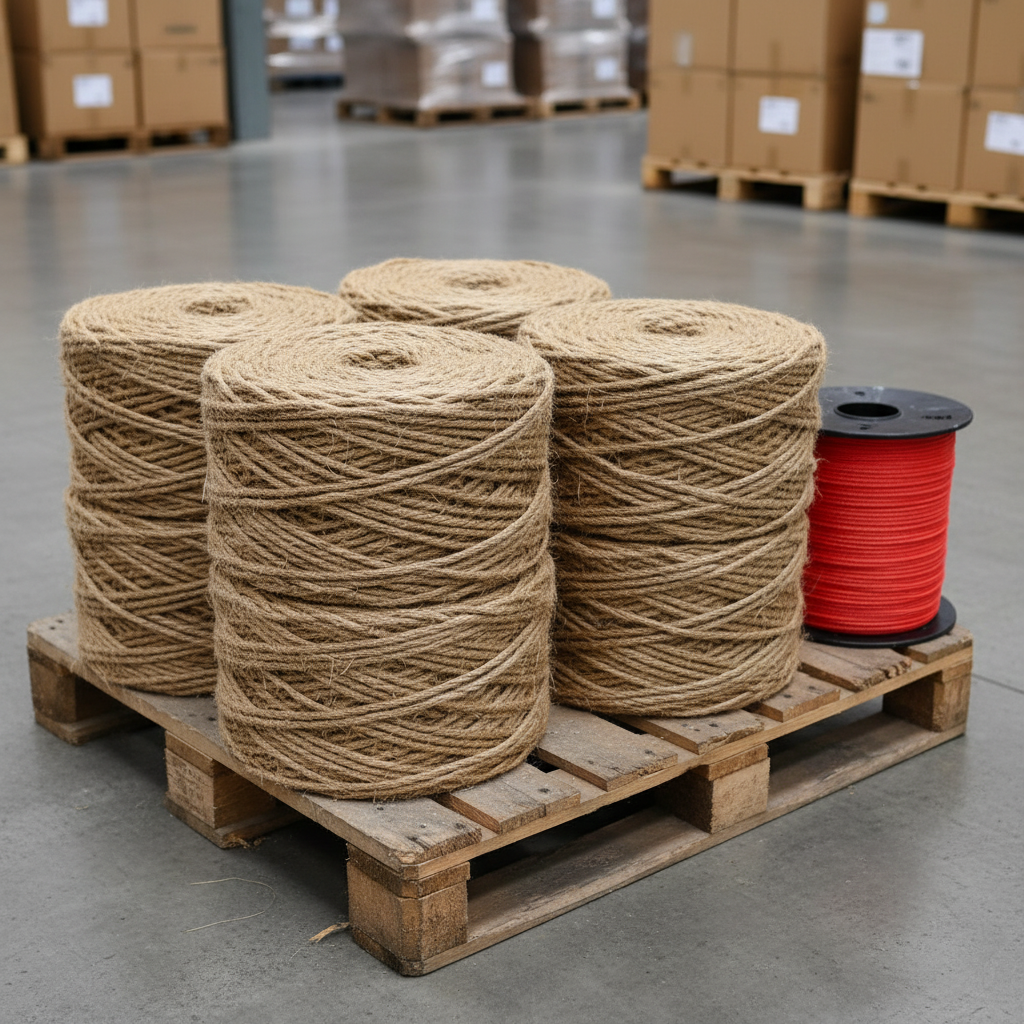
Armed with these checkpoints, you can compare listings, request samples, and negotiate terms that align with your project timeline. Once you’ve narrowed the field, the next step is to understand the material itself — the strengths and eco‑benefits of jute hemp rope that make it a compelling choice for sustainable marine and landscaping work.
jute hemp rope – properties, advantages, and typical applications
Now that you know how to vet a supplier, let’s look at why jute hemp rope itself can be the right choice for many projects. Whether you’re fitting a garden rail or a low‑load marine line, the material’s performance and environmental story matter just as much as the price tag.
Strength and durability
Natural fibres have come a long way, and modern processing gives jute and hemp ropes respectable tensile capacity while keeping them lightweight enough for everyday handling.
- Tensile strength – roughly 350 MPa for jute and 400‑500 MPa for hemp, enough for garden gates, temporary lashings and light‑duty rigging.
- UV resistance – natural lignin content gives the fibres a moderate shield against sun‑induced degradation, extending service life when stored properly.
- Lifespan vs synthetics – natural ropes absorb water and weather faster than synthetics; in coastal environments they will need more frequent inspection and replacement.
When a buyer asks, “How does hemp rope compare to jute rope in strength and durability?” the answer is simple: hemp fibres are slightly thicker and deliver a modest boost in tensile capacity, while both retain enough resilience for non‑critical marine duties.
Sustainability
Beyond performance, the ecological footprint sets these ropes apart from petroleum‑based alternatives. After their useful life, the fibres decompose naturally, typically within six to twelve months under normal conditions. This rapid biodegradation means you won’t be adding persistent plastic waste to coastal ecosystems.
Biodegradability
Jute hemp rope breaks down in 6‑12 months, releasing no toxic residues. Compared with synthetic marine rope, which can linger for decades, the natural option slashes long‑term environmental impact dramatically.
Environmental regulators are increasingly favouring biodegradable options, and many eco‑tourism operators now list “100 % natural rope” as a selling point. If you wonder whether “jute rope is biodegradable,” the short answer is yes — it returns to the earth without leaving a trace.
Common uses
Because the rope balances strength, flexibility, and a low visual profile, it finds a home in a variety of niches:
- Landscaping – rustic railings, garden edging, and temporary support for seedlings.
- Eco‑tourism – rope bridges, campsite tie‑downs, and signage that blends with natural surroundings.
- Light‑duty marine tasks – securing kayaks, fender lanyards, or temporary lashings where heavy loads aren’t required.
- Branding opportunities – the fibre accepts dyes and printed logos, letting businesses turn a functional rope into a moving billboard on docks or trails.
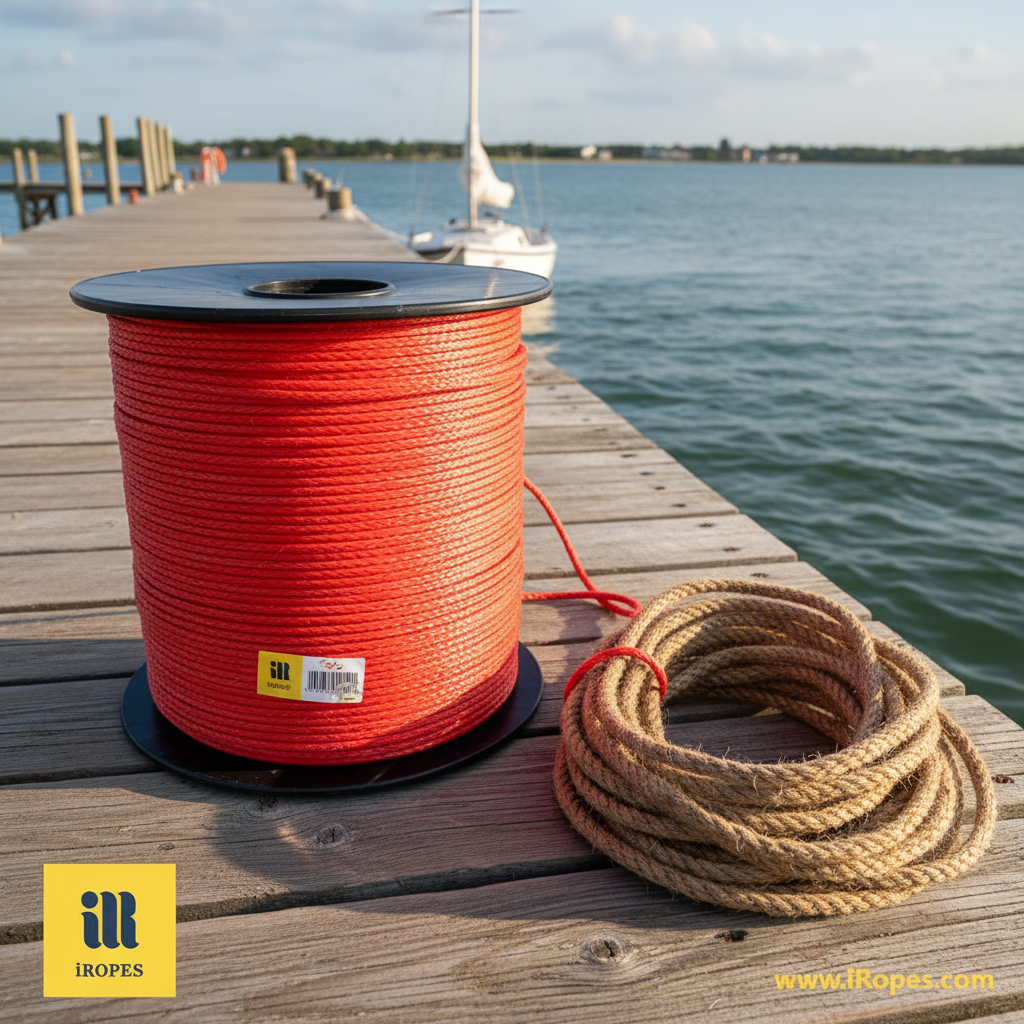
With these attributes in mind, it becomes easier to see why many buyers turn to jute hemp rope before consulting specialised marine rope suppliers for high‑load applications. The next part of our guide will dive into the world of synthetic marine ropes and the fibre families that dominate that market.
Marine rope suppliers – selecting partners for UHMWPE, nylon, polyester, Kevlar, Technora, and Vectran solutions
After exploring jute and hemp options, the next logical step is to assess the high‑performance fibres that dominate modern maritime work. Whether you are outfitting an offshore wind turbine, a commercial fishing fleet, or a luxury yacht, the right marine‑grade rope can shave weight, boost safety, and extend service life.

Below is a quick‑reference guide that answers the most common “what‑can it do?” queries. UHMWPE fibres typically exhibit UHMWPE rope advantages and 2 800‑3 600 MPa tensile strength and deliver meaningful weight savings. For example, at 12 mm, UHMWPE is about 0.18 kg/m versus nylon at about 0.28 kg/m — around 35% lighter. If you wonder which material is best for an offshore winch, the answer is usually UHMWPE because its high modulus and low stretch minimise gear wear. As Dr. Elena Martínez notes, “Synthetic fibres like UHMWPE and Technora have become the de‑facto standard for high‑load marine applications because of their superior tensile strength‑to‑weight ratios and excellent fatigue resistance.”
| Material | Typical Diameter (mm) | Tensile Strength (MPa) | Stretch % (load) | Key Certification | Price USD / m |
|---|---|---|---|---|---|
| UHMWPE (Dyneema®) | 8‑20 | 2 800‑3 600 | ≤ 2 | ABYC‑A‑2, IMO | 30‑50 |
| Nylon 6/6 | 10‑30 | 70‑85 | 10‑15 | ABYC‑A‑2 | varies |
| Polyester | 10‑30 | 75‑100 | 6‑9 | IMO‑SOLAS | varies |
| Kevlar | 8‑18 | 2 900‑3 200 | 2‑4 | ABYC‑A‑2 | 25‑45 |
| Technora | 8‑22 | 3 200‑3 500 | 2‑4 | IMO‑SOLAS | varies |
| Vectran | 8‑20 | 2 500‑2 800 | 2‑5 | ABYC‑A‑2 | varies |
The matrix above is designed for a featured‑snippet style answer: it lists core specs, certifications, and price bands in a compact, searchable format.
Global Reach
iRopes ships pallets to customer locations worldwide, supporting Europe, North America, and Asia‑Pacific with clear lead‑times and transparent freight options.
IP Protection
All custom designs are covered by strict intellectual‑property safeguards, so your branding stays exclusive from prototype to final coil.
OEM/ODM Flow
From CAD‑driven strand layout to final colour‑matched packaging, iRopes manages every step while maintaining ISO 9001 quality control.
Technical Support
Our engineers provide load‑calculation worksheets, helping you select the exact diameter and core type for your vessel’s specifications.
Decision checklist: Verify lead‑time (usually 4‑6 weeks by sea), compare price per kilogram, calculate weight‑saving benefits, and confirm after‑sales support options such as on‑site inspections or spare‑part kits.
By keeping these three points front and centre, you can move from a generic quotation to a confident purchase decision. The next logical step is to bring everything together — a concise summary of what you’ve learned and a clear call‑to‑action that invites you to request a custom quote from a supplier who truly understands marine performance.
By now you’ve learned how to evaluate jute rope suppliers, the eco‑benefits of jute hemp rope, and the key factors when dealing with marine rope suppliers. iRopes supplies with a strong presence in the marine industry and leverages its ISO 9001 certification to deliver customised solutions across UHMWPE, nylon, polyester, Kevlar, Technora, Vectran and other high‑performance fibres, with flexible branding, IP protection and global logistics.
Request a personalised rope solution
If you’d like expert advice on material selection, custom dimensions, colour options or packaging, simply complete the form above and our rope specialists will be in touch to tailor a solution that fits your project perfectly. For more information on marine‑grade nylon options, see our guide to 18mm nylon rope for marine use.