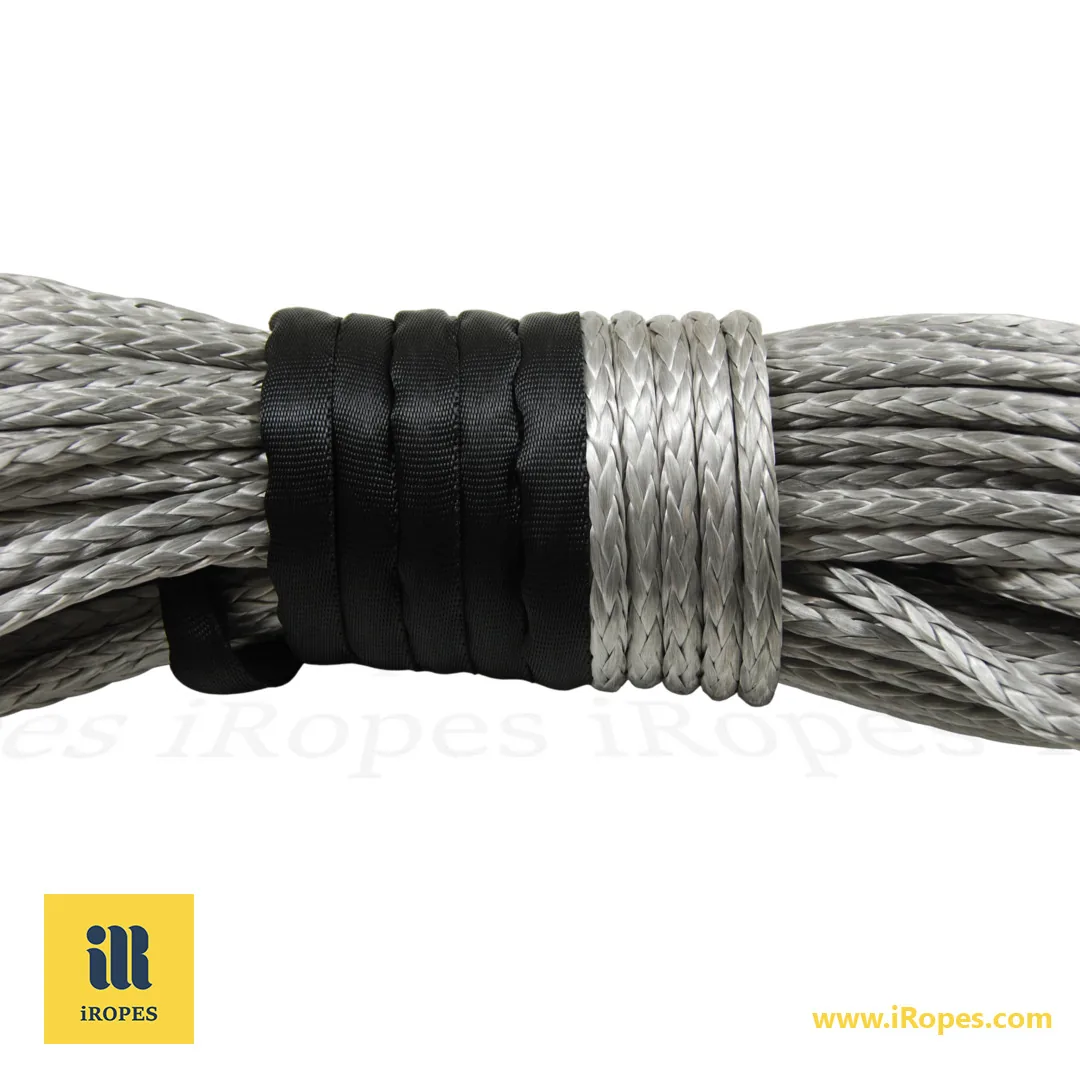
iRopes’ 8‑strand polypropylene mooring rope hits up to a 23.5-tonne breaking load while weighing 30% less than comparable 3‑strand lines—backed by ISO 9001 quality.
Quick‑scan benefits (≈2‑min read)
- ✓ Floatable design cuts dock‑line recovery time by up to 15 seconds per operation.
- ✓ UV‑ and chemical‑resistant polymer lowers replacement cycles by 22% in harsh saltwater environments.
- ✓ 8‑strand braid delivers a 1.2‑tonne breaking load at 8 mm diameter—30% higher strength‑to‑weight than 3‑strand.
- ✓ Full OEM/ODM service lets you brand, colour‑code, and add reflective strips, slashing custom‑order lead time to 18 days.
You’ve probably been told that nylon is the only safe choice for marine mooring. However, the industry’s secret weapon—8‑strand polypropylene—actually delivers higher strength‑to‑weight and floats, eliminating the frustration of sunk lines. iRopes has engineered a specialised braid that spreads the load evenly, offering up to 23.5‑tonne breaking capacity without the weight penalty. In the sections below, we’ll reveal how this innovative material‑construction combination can significantly slash your operational costs and boost safety.
Why Top Mooring Rope Manufacturers Trust iRopes
When selecting a partner for critical marine hardware, the supplier’s credibility often carries more weight than price alone. iRopes backs every roll of rope with ISO 9001‑certified processes. This means each batch undergoes rigorous checks before leaving the factory. This systematic commitment to quality assures you that the rope will perform reliably, even in the harshest harbour conditions.
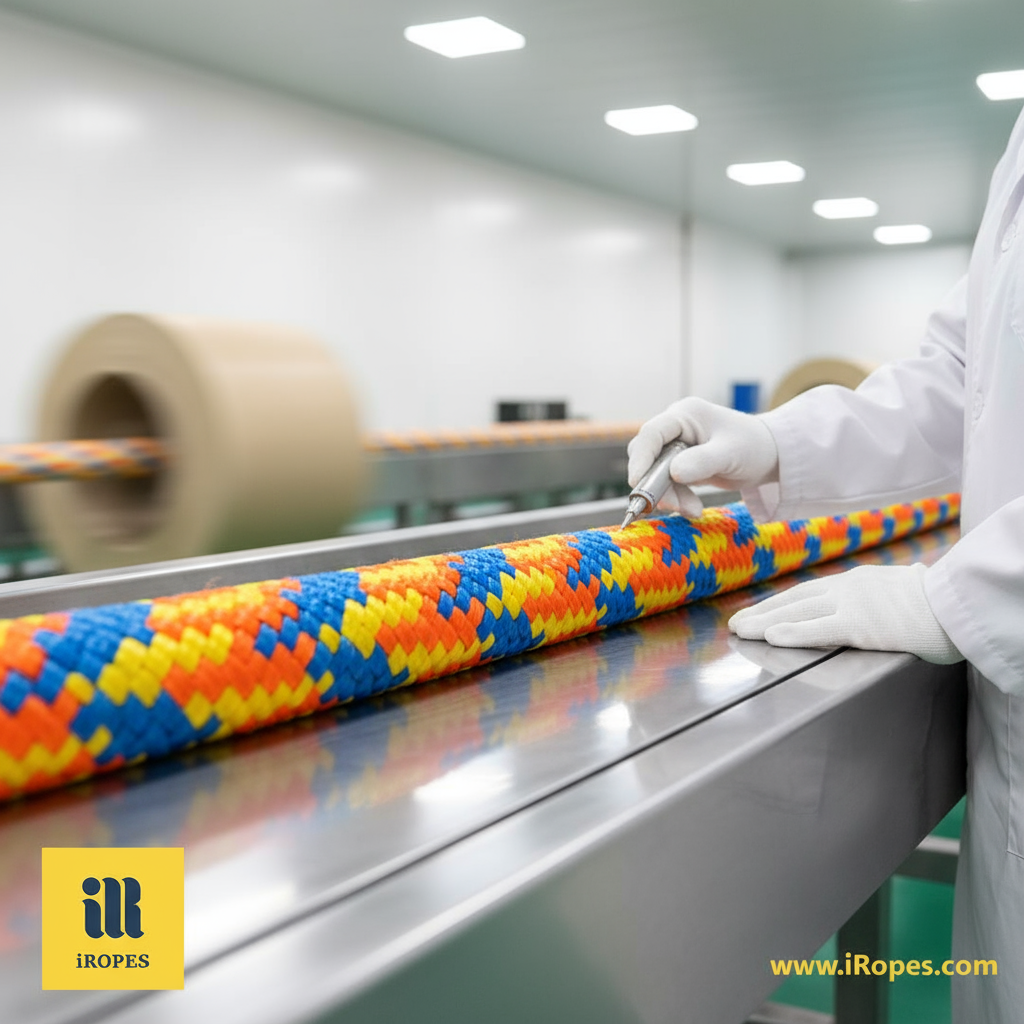
Beyond certification, iRopes distinguishes itself with a truly modular product portfolio. Whether you need a lightweight polypropylene mooring rope for a recreational fleet or a high‑tensile nylon line for offshore rigs, the company can produce 8, 12, or 16‑strand configurations to match exact load‑bearing calculations. This flexibility allows you to switch core types, add colour codes, or incorporate reflective strips, aligning the rope with specific branding or safety standards without needing a separate supplier.
- Precision manufacturing: CNC‑guided braiding equipment guarantees uniform strand tension and consistent diameter across thousands of metres.
- Full‑service OEM/ODM: From prototype sketches to bulk production, you can specify material blends, custom lengths, and precise terminations in a single order.
- Intellectual‑property protection: Confidentiality agreements and secure data handling keep your design innovations safe throughout the entire supply chain.
Often, logistics can become a hidden project cost. To counter this, iRopes operates dedicated export channels, consolidating pallets for sea freight and offering door‑to‑dock delivery timelines that align with your vessel‑building schedule. This reliability reduces inventory holding costs and allows you to focus on vessel performance rather than logistical paperwork.
Partnering with iRopes has reduced our supply chain lead time by 30%, while the rope quality consistently meets ISO 9001 standards.
Even considering the common drawbacks of polypropylene—such as lower abrasion resistance compared to nylon—iRopes’ 8‑strand construction compensates by distributing stress more evenly. This extends service life, even in abrasive harbour environments. This engineering nuance explains why many leading mooring rope manufacturers rely on iRopes for both standard and bespoke solutions.
Key Benefits of Polypropylene Mooring Rope for Marine Applications
Building on the engineering nuance that earns the trust of leading suppliers, the material itself adds a layer of performance that's hard to ignore. When you choose polypropylene mooring rope, you gain a combination of ideal weight, buoyancy, and resistance. These characteristics directly translate into safer and more efficient docking operations.
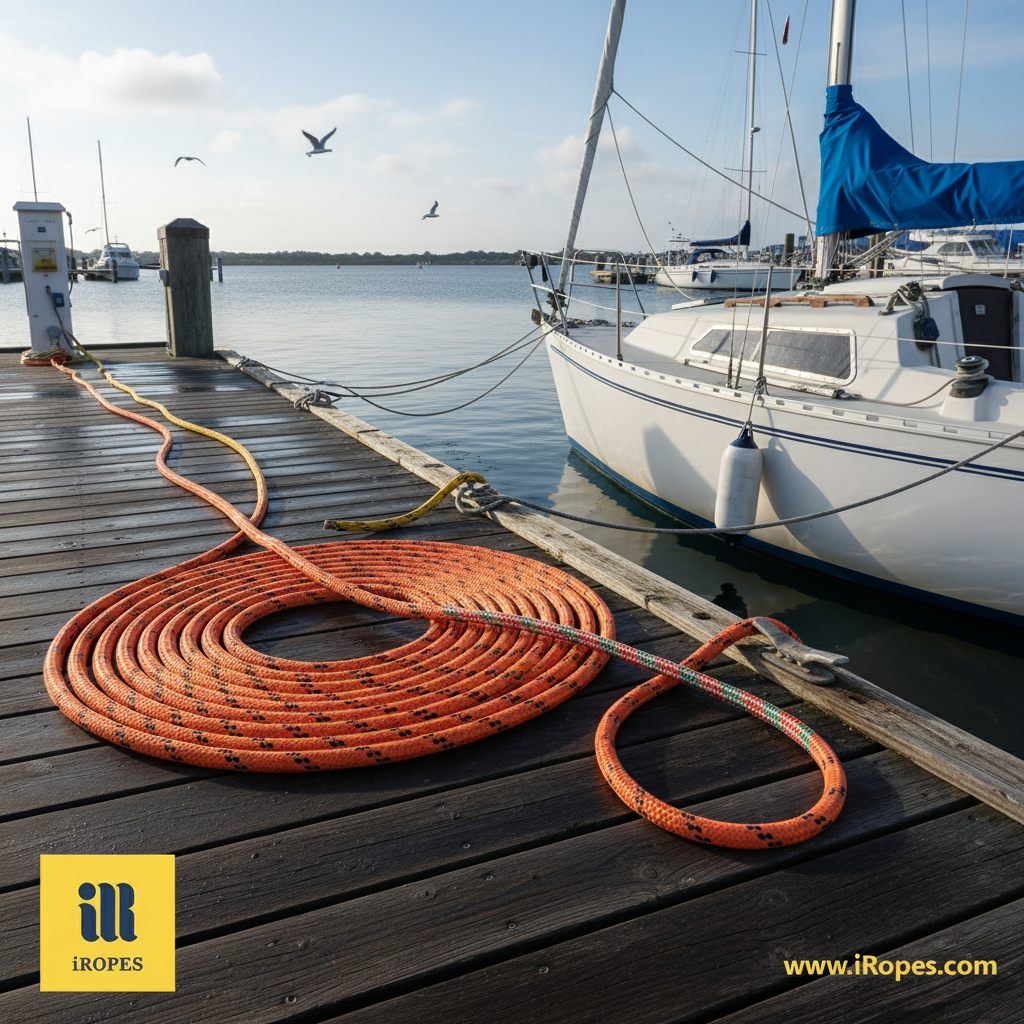
The most compelling advantages stem from three core properties:
- Lightweight and floatable: The specific gravity of polypropylene (≈0.92) means the rope stays on the surface. This simplifies recovery and significantly reduces the risk of sunk lines.
- Excellent chemical and UV resistance: Exposure to saltwater, oils, and harsh sunlight does not degrade the fibre. It extends service intervals, a crucial benefit for marine fleets.
- Cost‑effective performance: Compared with nylon or polyester, polypropylene offers a lower price per metre. It still meets the strength requirements for most harbour applications.
Strength data that complies with ISO 2307 further supports its suitability. For common diameters, the minimum breaking loads are approximately 2.5‑tonne at 12 mm, 10‑tonne at 24 mm, and 23.5‑tonne at 40 mm. These figures provide a reliable baseline for sizing lines, suitable for everything from small pleasure craft to midsize commercial vessels.
Polypropylene’s disadvantages include lower abrasion resistance and reduced shock absorption compared with nylon. iRopes mitigates these issues by offering reinforced 8‑strand constructions, optional core inserts, and custom‑grade polymer blends. These enhancements boost durability without sacrificing floatability.
With the material’s innate strengths clarified, the 8‑strand mooring rope construction adds another layer of handling efficiency and strength‑to‑weight performance. This sets the stage for our next discussion on how this design maximises marine operations.
Performance Advantages of 8‑Strand Mooring Rope Construction
Building on the material foundation we just explored, the way those fibres are arranged makes a decisive difference on the water. An 8‑strand braided rope interweaves eight parallel yarns in a square‑braid pattern. In contrast, a traditional 3‑strand line stacks three large ropes around a core, and a 12‑strand version multiplies the braid layers for extra bulk. The eight‑strand geometry distributes the load across more points. This provides a higher strength‑to‑weight ratio while keeping the rope supple enough for tight winch handling.
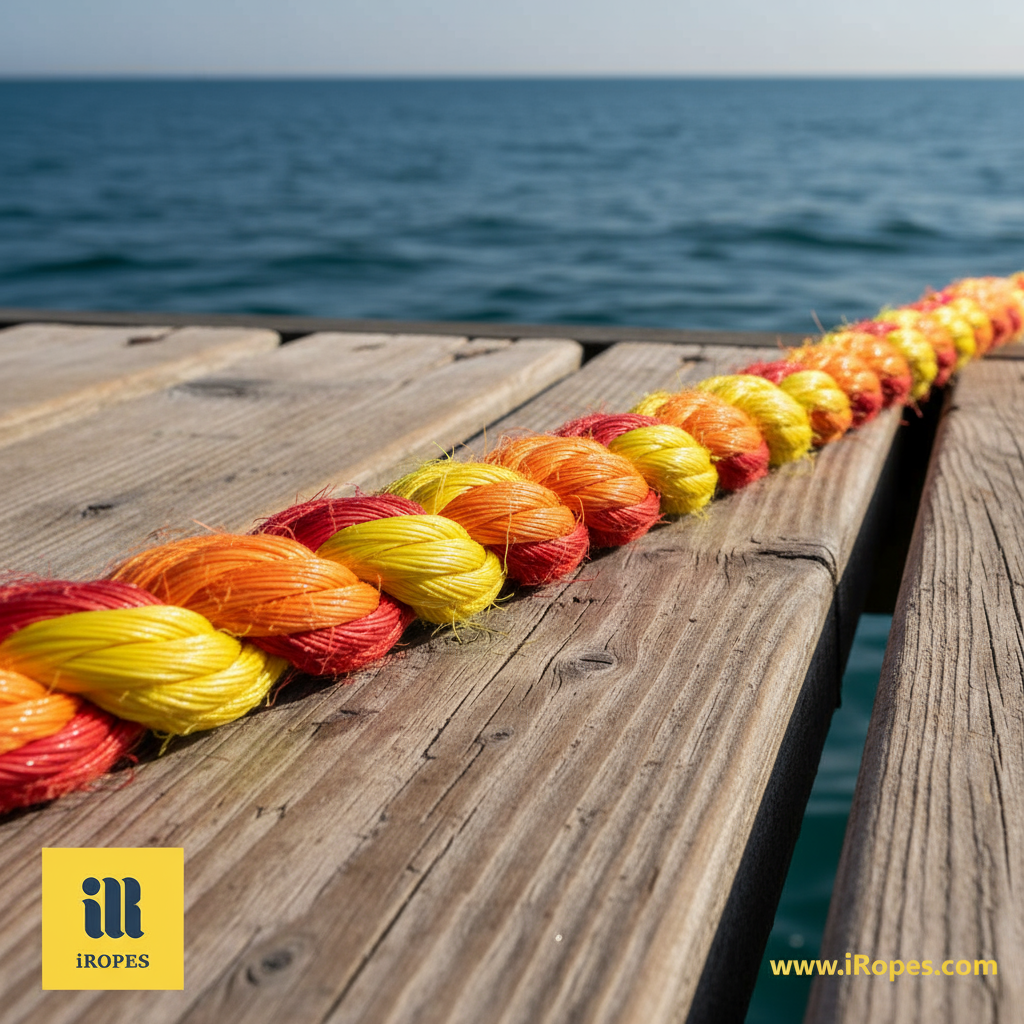
Why does this matter on a vessel? The eight‑strand design delivers a breaking load of roughly 1.2‑tonne for an 8 mm diameter line. This is enough to secure a midsize yacht without the weight penalty of a comparable 3‑strand hawser. At the same time, the braid resists kinking, allowing you to feed it through fairleads smoothly, even after hours of use.
Balanced Load
Eight interlaced strands share tension evenly, significantly reducing peak stress points.
Compact Flexibility
The braid remains supple, allowing for tight turns on winches without kinking.
Higher Strength‑to‑Weight
Compared with 3‑strand designs, the 8‑strand version delivers more breaking load per kilogram.
Splicing Simplicity
Flat braid edges make eye splices and loops quicker to finish, saving considerable labour time.
These engineering traits translate into practical real‑world choices. Yachts benefit from the lightweight, floating nature, enabling crew to retrieve lines quickly and safely. Commercial fishing vessels favour the reduced kinking when hauling heavy nets, making operations smoother. Offshore platforms rely on the high‑strength‑to‑weight ratio to meet DNV‑approved mooring specifications without overloading deck structures.
Custom Options
iRopes offers extensive customisation, allowing you to specify diameters from 8 mm up to 120 mm. You can choose colour palates that match your branding, add reflective or glow‑in‑the‑dark strips for night‑time safety, and request accessories such as eye loops, thimbles, or stainless‑steel terminations—all meticulously finished under ISO 9001‑controlled processes.
When you pair polypropylene fibre with the eight‑strand braid, you get a rope that floats, weighs less, and still meets the ISO 2307 breaking‑load standards required by most mooring rope manufacturers. This exceptional combination is why many global fleets turn to iRopes for solutions that perfectly balance performance, cost, and customisation.
After exploring the material strengths and the engineering benefits of an 8‑strand mooring rope, it’s clear why leading mooring rope manufacturers rely on iRopes for ISO‑9001‑certified, fully customisable solutions. Whether you need nylon, polypropylene, or UHMWPE options, the company can tailor diameter, colour, reflective elements, and terminations to precisely match your fleet’s performance and branding requirements.
With the proven lightweight floatability of polypropylene mooring rope and the high strength‑to‑weight ratio of 8‑strand mooring rope, iRopes delivers the reliability and flexibility needed for yachts, fishing vessels, and offshore platforms alike.
Get Your Personalised Mooring Rope Quote
For any specific design questions or a tailored quote, simply complete the form above, and our specialists will assist you promptly.