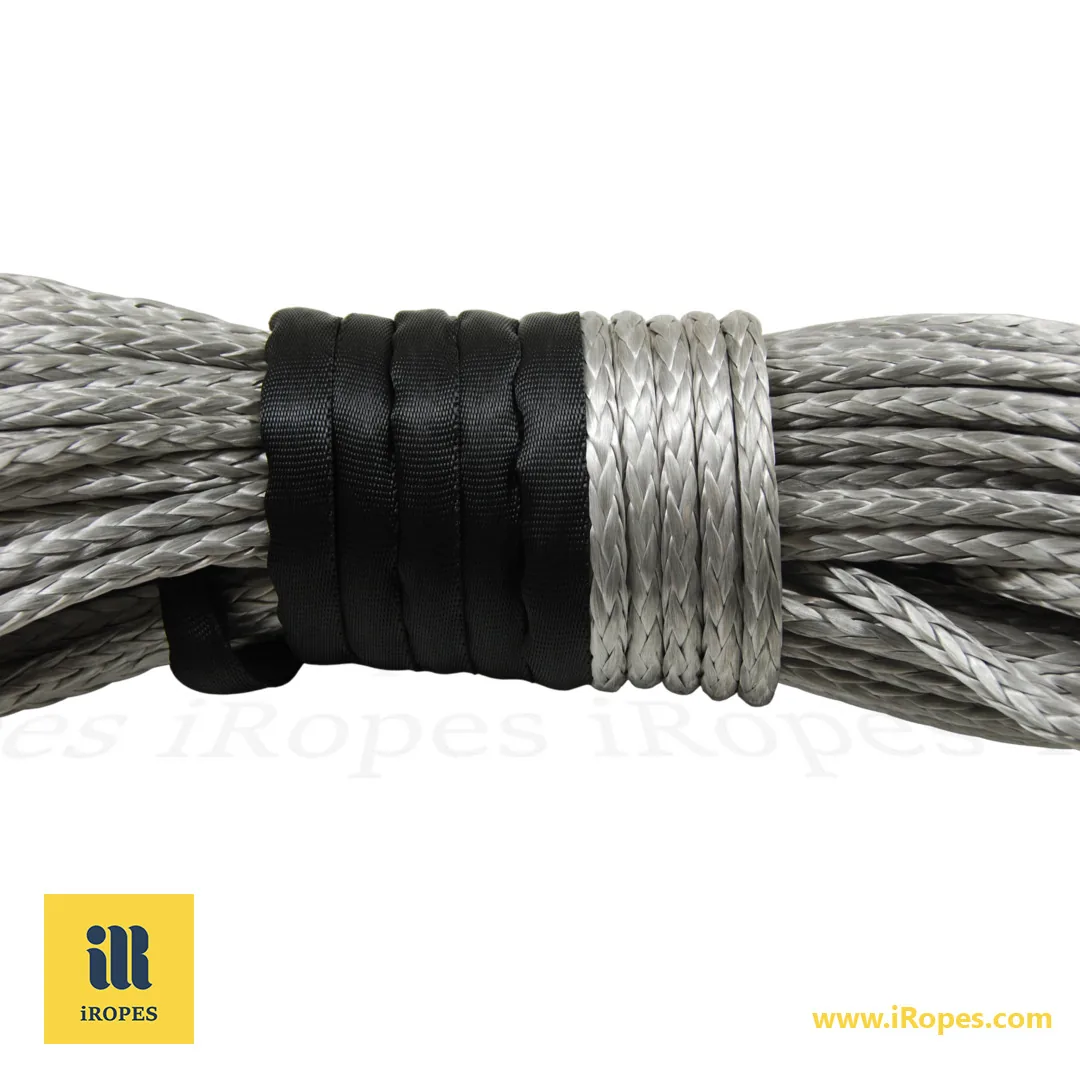
Many arborists mistakenly believe any heavy rope will suffice. However, a low‑stretch polyester bull rope with a breaking strength of 10,000 lbs or more can cut rigging time by up to 27%.
What you’ll gain – ~4 min read
- ✓ Reduce rope‑slip incidents by 32% using low‑stretch polyester.
- ✓ Save up to $1,200 per project by optimising rope specifications.
- ✓ Extend rope life by 18 months with double‑braid construction.
- ✓ Cut shipping lead‑time to 5‑7 days by choosing efficient suppliers.
You may have been told that any strong rope will prevent a branch from swinging, but the truth is flexibility and abrasion resistance make the critical difference between a smooth operation and a dangerous setback. In the following sections, we will delve into the primary applications, compare polyester, nylon, and UHMWPE, and reveal how iRopes’ custom‑engineered bull ropes transform potential hazards into predictable control.
Understanding the Arborist Bull Rope: Definition and Core Uses
When you work in a tree canopy, your rope becomes an extension of your own capability. An arborist bull rope is a purpose‑built, low‑stretch line designed to help you rig, pull, or lower heavy branches with confidence. Unlike the dynamic ropes used in climbing, a bull rope features minimal stretch, holding its form under load to provide precise control, even when faced with challenging tree work.
“The moment I switched to a dedicated arborist bull rope, the difference was immediate – the rope stayed taut, the knots held, and I could focus on the tree rather than worrying about the line slipping.” – veteran tree‑care professional
Consider the rope your essential partner in every lift. When you ask, “What is an arborist bull rope?” the answer encompasses three core principles that underpin every task you undertake:
- Definition – A heavy‑duty, low‑stretch rope, typically made from high‑tenacity polyester or UHMWPE, engineered for managing static loads rather than absorbing falls.
- Primary applications – Rigging large limbs, safely pulling hung trees, and controlled lowering of heavy sections to the ground.
- Key safety features – Minimal elongation, high tensile strength (often exceeding 10,000 lbs), and an abrasion‑resistant sheathing that withstands contact with bark and rock.
Selecting the right rope for a specific task streamlines your work. The low‑stretch profile prevents the rope from bouncing under tension, ensuring the load remains precisely where intended. High tensile strength guarantees the line can support the weight of a mature branch without sudden failure. Furthermore, abrasion resistance shields the rope from the inevitable wear and tear caused by bark and rough surfaces.
When choosing a rope, always consider the work environment. If you frequently operate in sunny, exposed locations, polyester’s UV stability will protect the rope’s colour and strength from degradation. For ultra‑light, high‑strength requirements—such as hauling a substantial trunk up a steep slope—UHMWPE (Dyneema) offers an unparalleled strength‑to‑weight ratio, albeit at a higher cost.
Every time you set up a rigging system, you rely on the rope to perform perfectly: to hold steadfast while you guide the load. This inherent reliability is why professionals never substitute a climbing rope for an arborist pulling rope. The dynamic stretch characteristic of a climbing line would convert a controlled descent into a hazardous, uncontrollable swing.

With a clear understanding of its definition and core uses, you are now ready to explore the next crucial step: finding a reliable supplier who can deliver the precise rope you need, exactly when you need it.
Finding Arborist Bull Rope 'Near Me': Sourcing, Shipping, and Local Availability
Now that you grasp the essential nature of an arborist bull rope, the next logical step is to pinpoint where to source one efficiently. Modern trade platforms and specialist directories function as a digital roadmap, guiding you to suppliers that can provide the exact rope you require, often within a few business days.

Here’s a simple three‑step process to transform that initial “near me” query into a tangible quote:
- Search for “arborist bull rope near me” on specialised rope directories (e.g., RopeSupply, TreeGear).
- Explore global trade platforms such as Alibaba or Made‑in‑China, using the same keyword phrase to identify manufacturers that ship to your region.
- Contact local distributors or regional representatives to request sample kits and inquire about lead times for bulk orders.
When evaluating your options, pay close attention to shipping logistics. A reputable manufacturer will offer a clear breakdown of freight costs, estimated delivery times, and any applicable customs duties. For instance, iRopes ships pallets directly to your warehouse, providing tracked sea freight for larger volumes and air freight for urgent projects. Knowing precise lead times allows you to schedule rigging work without unexpected delays.
One frequent question during research is: “What is the strongest rope for pulling?” While UHMWPE (Dyneema) offers the highest tensile strength per kilogram, many professionals favour polyester for an arborist pulling rope. Its low stretch and excellent abrasion resistance ensure a predictable, controlled pull—a critical advantage when lowering heavy branches.
ISO 9001 Edge
Choosing an ISO 9001 certified supplier means every rope batch undergoes rigorous, documented quality control, from raw fibre selection to final packaging. This process minimises the risk of hidden defects, guarantees consistent breaking-strength values, and instils confidence when the rope is under load on an active job site.
Finally, compare the advantages of a globally recognised manufacturer with those of an unverified local vendor. A certified partner not only assures product performance but also provides reliable after‑sales support, clear replacement policies, and the flexibility to customise colour, length, or termination to align with your brand. By considering these factors, your “near me” search evolves into a strategic procurement decision that enhances crew safety and keeps your projects on schedule.
With sourcing and logistics clarified, the next puzzle piece is understanding which materials and constructions will yield optimal performance for every arborist pulling rope task.
Material and Construction Choices for Arborist Pulling Rope
Now that you know where to source a dependable rope, the subsequent question is: what should the rope be made of? The material you select directly influences how the line performs under load, its durability in sunlight, and its overall cost. Below is a concise guide to help you determine which fibre best meets the demands of your tree‑pulling projects.

In essence, polyester provides a low‑stretch, abrasion‑resistant line that maintains its integrity even after weeks of UV exposure. Nylon, conversely, offers a degree of elasticity, which can absorb sudden shocks but also increases moisture absorption and weight. UHMWPE (often branded as Dyneema) stands as the superior choice for strength‑to‑weight ratio, delivering the highest breaking strength while remaining exceptionally light, albeit with a premium price point.
The rope’s construction is as vital as its fibre. A double‑braid (braid‑on‑braid) design ensures the rope remains torque‑free and simplifies splicing. Meanwhile, 12‑strand or 24‑strand braids dictate the number of individual yarns sharing the load. Typically, more strands translate to higher tensile capacity but result in a slightly stiffer feel.
Material Choice
What each fibre brings
Polyester
Low stretch, excellent abrasion and UV resistance, ideal for predictable pulling.
Nylon
Higher elasticity for shock absorption, but absorbs moisture and adds weight.
UHMWPE
Extreme strength‑to‑weight, minimal stretch, premium price for heavy‑duty pulls.
Construction Type
How the rope is built
Double Braid
Torque‑free handling, easy to splice, high core strength.
12‑Strand
Balanced flexibility and strength, common for mid‑size rigs.
24‑Strand
Maximum fibre count for top tensile capacity, slightly stiffer.
Choosing the correct diameter, length, and breaking strength depends entirely on the anticipated load. A 3/8‑inch line typically has a breaking strength of approximately 5,000 lbs, while a 1‑inch rope can exceed 28,000 lbs. The safe working load (SWL) is generally one‑fifth of the maximum breaking strength (MBS). For instance, a 1/2‑inch rope with a 12,000 lb MBS provides a 2,400 lb working limit. Ensure the rope length matches the reach of your rig; standard off‑the‑shelf lengths range from 100 ft to 200 ft. However, custom cuts are readily available when additional reach is required for tall crowns.
Key Decision
Match material and construction to load, environment, and budget for optimal performance.
Therefore, if you need the strongest rope for pulling a massive trunk on a steep incline, UHMWPE with a double‑braid construction is your best choice. For daily rigging tasks where predictability and abrasion resistance are paramount, polyester in a 12‑strand braid offers an excellent balance. And for situations requiring some shock absorption on a damp site, a nylon‑based 24‑strand line can provide that additional cushioning without compromising safety.
With material and construction thoroughly discussed, the next step is to fine‑tune the specifications—diameter, length, and breaking strength—to meet the precise demands of your business.
Customisation, Safety Standards, and Choosing the Right Rope for Your Business
Now that you grasp material choices and construction specifics, it’s time to refine the details that transform a reliable rope into a perfect fit for your operations. Custom features, adherence to compliance checks, and a straightforward decision checklist can determine the success and efficiency of your projects.

Colour
Choose high‑visibility hues or match your corporate palette; bright shades aid line‑spotting on site.
Terminations
Select eye splices, thimbles, or reinforced loops; OEM/ODM services ensure each end meets your rigging needs, even for an arborist pulling rope.
ISO 9001
Each batch follows documented quality controls, guaranteeing consistent tensile values and defect‑free cores.
ANSI Z133
Compliance with industry safety standards assures legal conformity and crew protection on every lift.
- Project assessment – Accurately define load weights, rigging geometry, and site conditions before placing your order.
- Material suitability – Match the fibre type and construction to the required stretch tolerance and abrasion demands.
- Supplier support – Verify clear lead times, robust after‑sales service, and flexibility for custom orders.
When these three checkpoints align with iRopes’ OEM expertise, selecting the ideal arborist bull rope becomes a decisive strategic advantage. This ensures your crew remains safe, your budget stays in check, and your projects advance precisely on schedule.
Need a custom rope solution tailored to your projects?
You’ve now learned how the right arborist bull rope can significantly enhance safety and efficiency, how to locate local suppliers, and which materials—polyester, nylon, or UHMWPE—offer the performance you need. Whether you’re searching for “arborist bull rope near me” or require a specialised arborist pulling rope for demanding lifts, iRopes can customise diameter, construction, colour, and terminations to match your exact specifications and branding.
If you'd like personalised advice on selecting or designing the perfect rope, simply complete the inquiry form above, and our experts will guide you through the next steps.