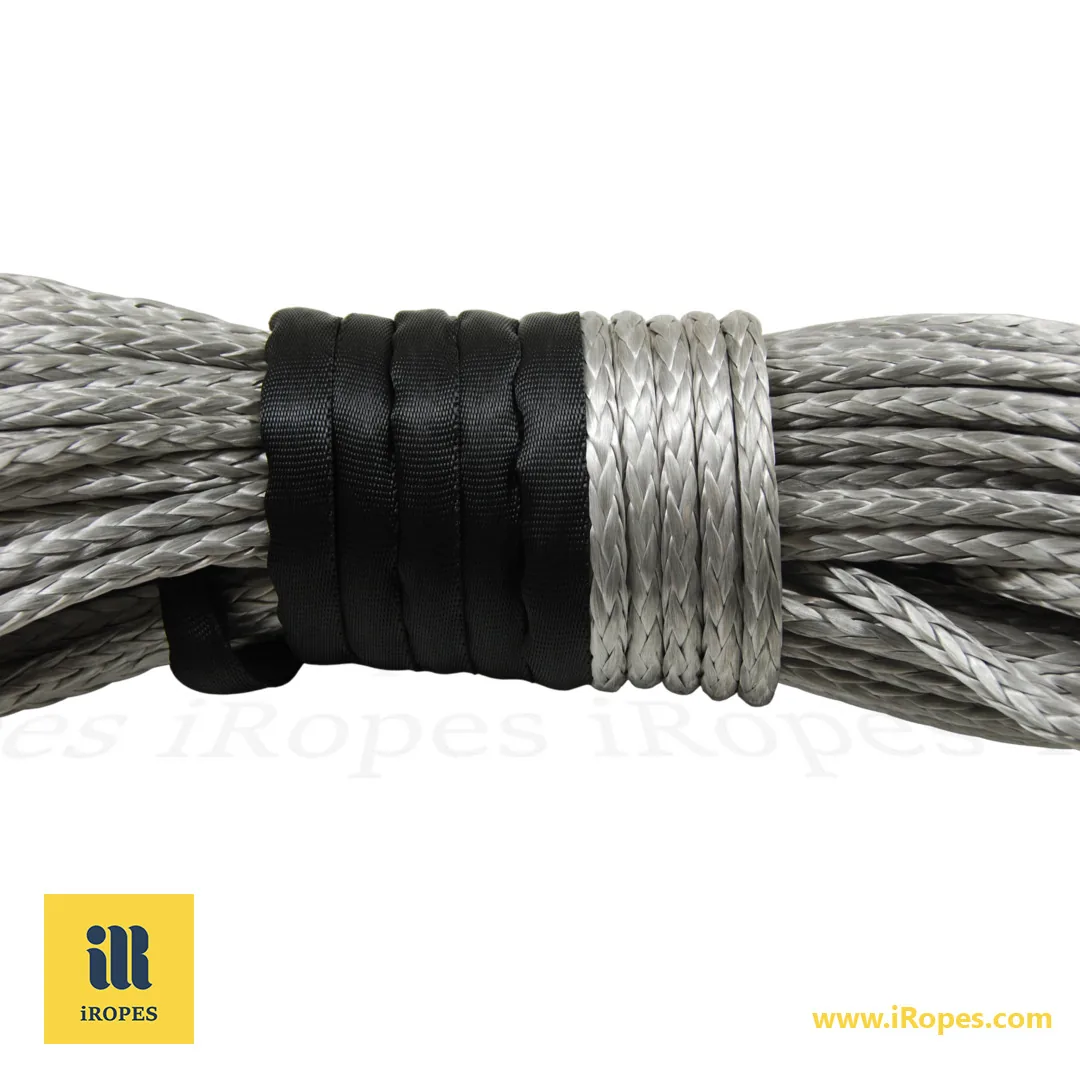
Braided nylon seine twine typically delivers higher breaking strength for the same diameter and stays more kink‑resistant, making it a top choice for high‑performance rigs. iRopes’ 15‑year OEM expertise and ISO 9001 certification back consistent quality at competitive rates.
Quick scan – ~2 min read
- ✓ Higher breaking strength per diameter compared with many twisted models.
- ✓ Custom colour, tarred coating, or branding — OEM/ODM delivered with fast lead times.
- ✓ ISO 9001 quality system and a 15‑year track record in export‑grade production.
- ✓ Cost‑effective pricing for wholesale and OEM projects.
Many installers reach for twisted nylon seine twine, thinking its helix yields the strongest pull. In practice, a tightly woven braid often delivers higher breaking load for the same diameter, stays kink‑resistant, and holds knots securely — useful for fishing rigs, arborist lines, and industrial pulls. In the sections ahead, we unpack the construction, share a simple sizing method, and show where each option reduces downtime on your next project.
Braided Nylon Seine Twine – Construction, Performance, and Best‑Use Scenarios
After we highlighted why the market is hungry for high‑performance twine, it’s time to see how the braided design actually delivers that performance. Imagine a rope where dozens of thin strands are interwoven in a tight, symmetrical pattern – that’s the essence of braided nylon seine twine.

The braid locks the fibres together so that loads are shared across every strand. This distributes stress evenly, which can raise the breaking load and makes the line notably resistant to kinks and snarls – a real advantage when you’re pulling a trotline through bristling reeds.
- Diameter range – 1/16", 1/8", 3/16", 1/4" (typical break strengths from 150 lb to 300 lb).
- Colour options – standard white, green, or any custom hue to match your branding.
- Tarred coating – tarred (bitumen‑based) finish adds water repellency and improves knot grip in wet conditions.
- OEM branding – logos, colour‑matched packaging, and custom spool designs are available for wholesale orders.
Because the braid holds a stable profile, the line retains performance even after repeated flexing. That makes it the go‑to choice for long‑term fishing rigs, arborist lines, and industrial pull‑lines where reliability can’t be compromised.
So, what sets this apart from twisted nylon seine twine? In a twisted line the strands are spiralled around each other, which gives solid torque resistance but can lead to more kinks and a softer feel under load. Braided construction, on the other hand, stays flatter, pays out smoothly, and holds knots tighter – ideal when you need consistent bite strength.
“The uniform load distribution of a braid means you can trust the line’s rating even after months of exposure to sun and salt.” – Rope Engineer, American Rope Co.
Armed with this understanding of construction, you’ll find it easier to match the right diameter and coating to your specific job. In the next part we’ll lay out a concise size‑strength chart so you can pick the exact break‑load you need without guesswork.
Essential Specs, Size & Strength Chart for Nylon Seine Twine
Having seen how the braid boosts performance, the next step is to match the right dimensions to your workload. Below you’ll find a practical reference for selecting a line that won’t let you down.

| Diameter | Breaking Load (lb) | Breaking Load (kg) | Typical Use |
|---|---|---|---|
| 1/16" | 150 lb | 68 kg | Fishing trotlines, decoy lines |
| 1/8" | 300 lb | 136 kg | Arborist set‑ups, heavier rigs |
| 3/16" | Varies by construction | — | Tree work and industrial utility |
| 1/4" | Varies by construction | — | Heavy‑duty net repair, industrial pulls |
When you’re planning a fishing trotline, a quick safety‑factor check keeps the gear reliable. Multiply the expected maximum load by a factor of five, then choose the next larger diameter on the chart.
- Determine the heaviest fish you expect to catch.
- Apply the safety factor: Load × 5.
- Select the smallest diameter whose breaking load exceeds that result.
For arborist work, most professionals favour a 1/8" or 3/16" line, which are among the top ropes for tree rigging. The larger size offers a comfortable margin for overhead tasks while still being easy to handle on a pole.
Quality Assurance
iRopes manufactures every batch under ISO 9001 standards, meaning each roll of nylon seine twine passes rigorous tensile‑strength checks before it leaves the factory. Our export‑ready processes support consistent quality for wholesale customers worldwide.
With the chart and formula in hand, you can size your line with confidence, whether you’re rigging a trotline, supporting tree work, or pulling a load across a construction site. Next, we’ll explore how the twisted construction behaves and where it shines most.
Twisted Nylon Seine Twine – Advantages, Applications, and Comparison with Braided Option
Having examined the size‑strength matrix, let’s turn to the construction that makes twisted nylon seine twine a favourite when speed and torque matter. The fibres are spun into a tight helix, each layer wrapping around the core like a spring‑loaded coil. This geometry distributes torsional forces evenly, so the line resists twisting without snarling.

The same helix that grants torque stability also makes the line unwind with a single tug – a practical advantage when you need to deploy or retrieve a rig quickly. Compared with braided nylon seine twine, the twisted version feels softer in the hand, yet it still delivers the tensile strength required for heavy‑duty pulls.
Torque‑Resistant
Spiral lay absorbs twisting forces, keeping the line stable under load.
Easy Unwind
Helical design lets the rope spring out smoothly, saving time on set‑up.
Kink‑Free
Flat braid locks fibres together, preventing snags in dense vegetation.
Strong Knot Hold
Braid’s parallelised strands grip knots tighter, essential for longer‑term rigs.
Because it untwists cleanly, twisted nylon seine twine shines in temporary rigging, quick‑release fishing trotlines, and situations where a crew must pack up in minutes. It also fits well in industrial settings that demand rapid re‑configuration of pull‑lines or cable‑guides. The line’s smooth unwind reduces labour, while its torque resistance helps prevent twist‑induced issues in hastily assembled systems.
Yes – iRopes offers full OEM colour matching and logo printing on the twine or its packaging, so your brand stands out on every spool.
With those strengths in mind, you can now weigh torque‑resistance against kink‑resistant stability when deciding which construction suits your next project. The next step will walk you through buying tips, customisation routes, and why iRopes remains the partner of choice for both twisted and braided solutions.
Need a tailor‑made twine solution?
After exploring the construction, strength charts and torque benefits, you now have a clear picture of when to select braided nylon seine twine for kink‑resistant, high‑load rigs versus twisted nylon seine twine for quick‑release setups, and how nylon seine twine specifications can be matched to your safety factor. With 15 years of experience in China and ISO 9001‑certified manufacturing, iRopes offers a catalogue of 2,348 cordages across marine, racing sports, industrial and safety uses — built from advanced fibres such as UHMWPE, Technora™, Kevlar™, Vectran™, polyamide and polyester, with multiple coating options that showcase the quality of “Made in China.” Our OEM/ODM services include colour‑matched twine, tarred or specialty finishes, non‑branded or customer‑branded packaging, and robust IP protection, with reliable global shipping direct to your location.
For personalised advice on the ideal twine or a custom quote, simply complete the form above and our specialists will get back to you promptly.