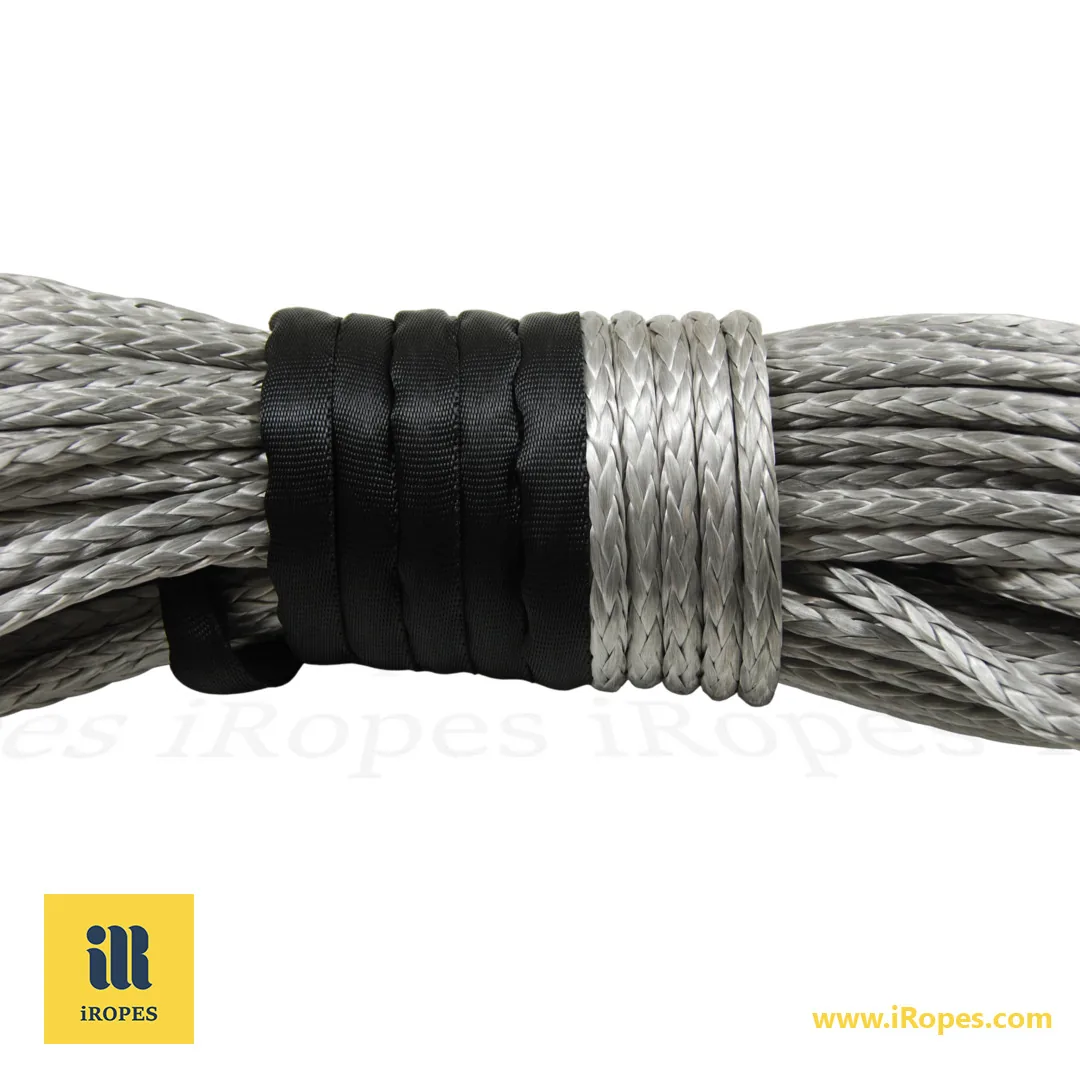
Polypropylene rope breaking strength for a 15 mm (5/8‑in) line is about 5,600 lb (2,540 kg) — and strength increases with diameter.
Quick‑read: 4 min
- ✓ Breaking‑strength tables for 6–24 mm diameters (e.g., 6 mm ≈ 1,130 lb; 15 mm ≈ 5,600 lb).
- ✓ Step‑by‑step formula to derive a safe working load using 1:5–1:15 safety factors.
- ✓ Real‑world impacts: knots can reduce strength by 30–50%, while UV exposure degrades performance over time.
- ✓ How iRopes tailors rope construction to hit your target load without over‑engineering.
You’ve probably assumed that the breaking‑strength figure on the data sheet is the load you can safely apply — but that shortcut can leave you well short once knots, UV or abrasion enter the picture. In the sections that follow we’ll expose the key variables, show you the exact calculations to lock in a reliable working load, and reveal how iRopes’ custom‑engineered solutions remove guesswork for wholesale buyers.
Polypropylene rope breaking strength – definition and importance
When you choose a rope for a lift, a tow or a marine line, the first question you should ask is how much load it can bear before it snaps. That is what we call the polypropylene rope breaking strength. It is the maximum tension a rope withstands in a controlled test before it fails, measured under ideal conditions without knots or abrasion.
Manufacturers determine this figure using a tensile testing machine that pulls the rope at a steady rate until it gives way. The peak force recorded, usually expressed in pounds (lb) or kilograms (kg), becomes the official breaking strength. Because the test is performed on a fresh, straight sample, the number you see on a data sheet is a baseline — real‑world factors will usually lower the usable capacity.
- Units — Breaking strength is commonly listed in pounds (lb) and kilograms (kg) so you can compare it to the loads you handle.
- Typical ranges — A 6 mm (¼‑inch) polypropylene line may break around 1,130 lb (513 kg), while a 15 mm (5/8‑inch) line is about 5,600 lb (2,540 kg).
- Safety factor — Engineers usually apply a factor of 5 to 15, turning the breaking strength into a safe working load for everyday use.
So, what is the breaking strength of polypropylene rope? In short, it varies with diameter and construction, but the numbers above show the typical order of magnitude. For any given size, the data sheet provides a precise figure that you can then divide by your chosen safety factor to find the polypropylene rope strength you can rely on.

Never rely solely on the listed breaking strength; always factor in knots, UV exposure, and wear to protect people and equipment.
Remember, the breaking strength of polypropylene rope is just the starting point. By understanding how it’s measured and what the numbers mean, you can choose the right diameter, construction and safety factor for your specific application. In the next section we’ll explore the variables that can shift those numbers — from rope construction to environmental wear — so you can make an informed decision every time you reach for a coil.
breaking strength of polypropylene rope – factors that influence values
The breaking strength you see on the data sheet is only the baseline. Real‑world conditions — everything from the rope’s construction to the weather it faces — can change that number dramatically. Understanding those variables helps you keep the rope performing safely throughout its life.

Diameter & Build
Larger diameters and tighter braids increase tensile capacity, while a 3‑strand core offers a balance of strength and flexibility.
Material Grade
High‑purity polypropylene resin delivers consistent performance; lower grades may show reduced break points.
UV & Weather
Prolonged sunlight breaks down polymer chains and can significantly reduce strength over time. Mitigate with shade, covers, or UV‑stabilised options.
Knots & Abrasion
Sharp bends and abrasive surfaces create stress concentrations that lower load capacity, especially where knots or pulleys introduce tight radii.
Knot impact
A knot turns a smooth rope into a series of tight bends. Most common knots reduce the polypropylene rope breaking strength by around 30–50%. The loss occurs because the fibres are forced to bear load at acute angles, creating stress points that fail sooner than an unknotted segment.
Beyond knots, temperature swings can make the polymer either more brittle in the cold or slightly more elastic in the heat, each affecting the ultimate load you can trust. Polypropylene offers excellent resistance to most acids and alkalis; however, certain strong oxidising acids and chlorinated hydrocarbons at elevated temperatures can damage the fibres. Store the rope away from such agents. By factoring these influences into your selection, you preserve as much of the advertised polypropylene rope strength as possible.
With the variables clarified, the next step is to look at concrete strength tables and learn how to convert raw breaking values into a safe working load for your specific application.
Polypropylene rope strength – tables, data, and safety calculations
Building on the factors that affect rope performance, the next logical step is to look at concrete numbers. The table below lists the minimum breaking strength for several common diameters and immediately follows each value with a recommended safe working load based on a 1 : 5 safety factor.
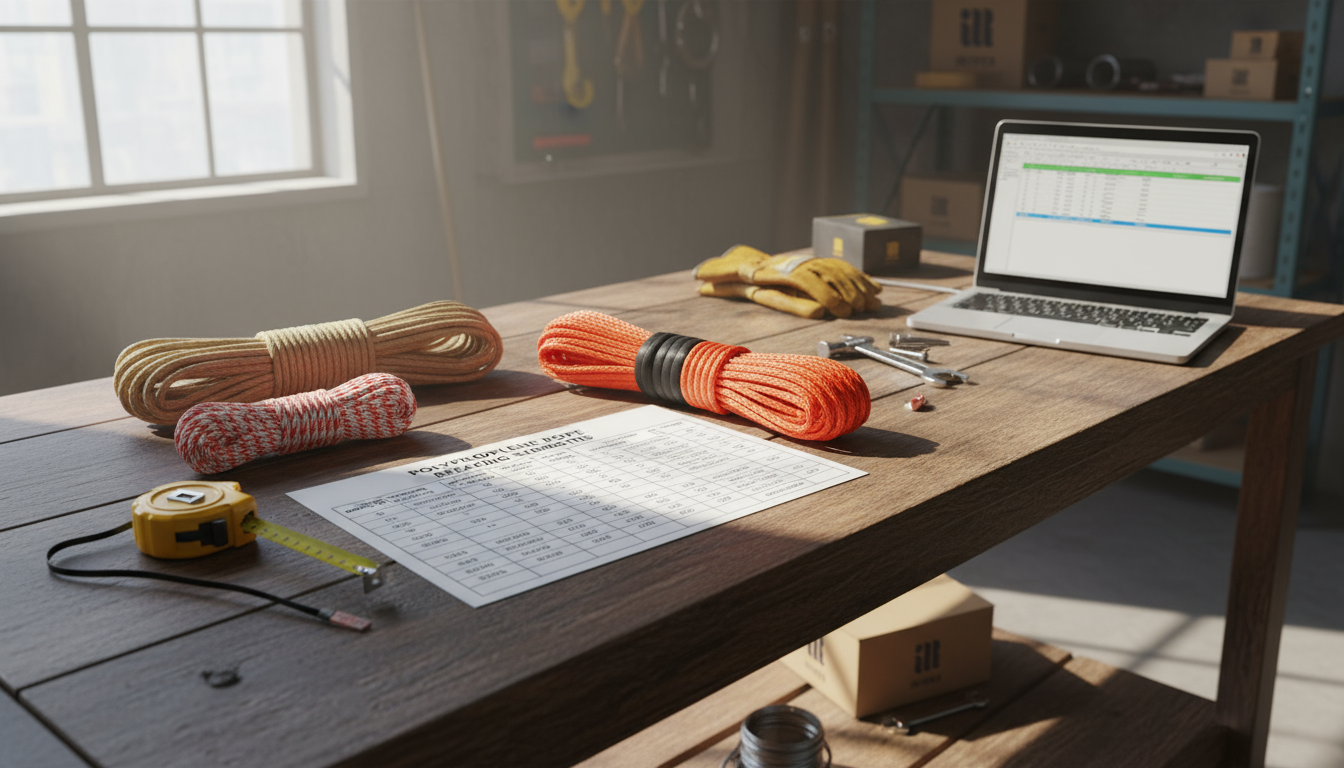
| Diameter (mm) | Breaking Strength (lb) | Breaking Strength (kg) | Safe Working Load (lb) | Safe Working Load (kg) |
|---|---|---|---|---|
| 6 mm (¼‑in) | 1,130 | 513 | 226 | 102 |
| 9 mm (⅜‑in) | 2,440 | 1,107 | 488 | 221 |
| 15 mm (5/8‑in) | 5,600 | 2,540 | 1,120 | 508 |
| 24 mm (1‑in) | 12,600 | 5,715 | 2,520 | 1,143 |
For instance, the breaking strength of a 5/8 inch (15 mm) polypropylene rope is listed at 5,600 lb (2,540 kg). Applying the common 1 : 5 safety factor yields a safe working load of roughly 1,120 lb (508 kg). This conversion is essential because the raw figure alone does not reflect real‑world conditions such as knots or UV exposure. The working load limit (WLL) is the maximum recommended load for routine use after applying your chosen safety factor.
- Locate the appropriate diameter in the chart and note its breaking strength.
- Select a safety factor that matches your application — 1 : 5 for general use, up to 1 : 15 for highly critical tasks.
- Divide the breaking strength by the chosen factor to obtain the working load limit.
Remember, the polypropylene rope breaking strength is a theoretical maximum measured on an unknotted, pristine sample. In practice you will almost always apply a lower working load limit to accommodate wear, knots, and environmental degradation.
Safety first
Always apply a suitable safety factor; 1:5 is standard for many applications, but higher factors are prudent when knots, shock loads, or UV exposure are involved.
With the strength chart and a clear calculation method at hand, you can now match rope size to load requirements confidently. The next section will explore how iRopes tailors custom solutions to meet exact strength specifications and operational needs.
Custom solutions and best practices from iRopes
Now that you understand the numbers behind each size, the real advantage comes from turning those figures into a rope that fits your project perfectly. iRopes specialises in OEM/ODM customisation for wholesale customers, taking a target breaking strength and delivering a product that meets it without compromise.
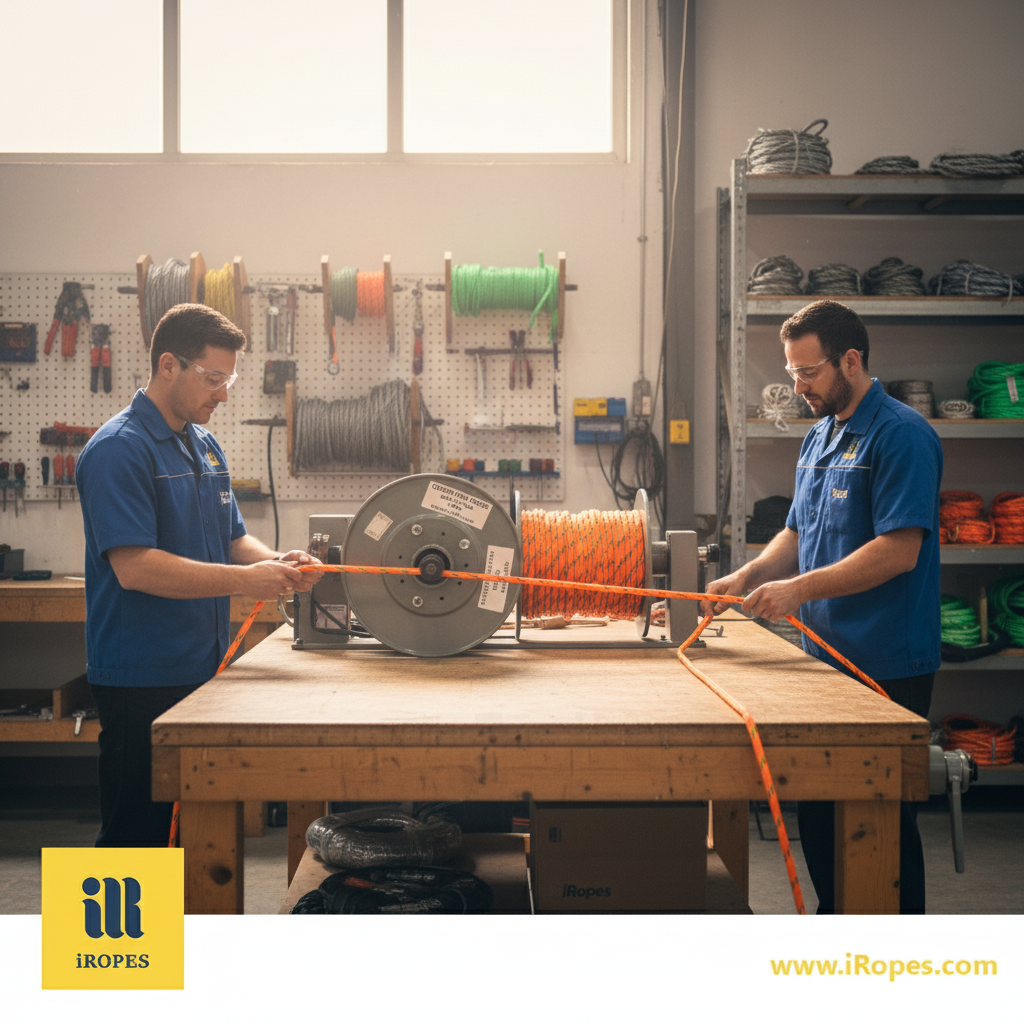
Tailored Strength
Designs built around your load data
Exact diameter
Select any metric or imperial size; we calculate breaking strength to match your safety factor.
Construction choice
3‑strand, braided or parallel‑core options let you balance flexibility with maximum load capacity.
Material grade
High‑purity polypropylene or blended compounds ensure consistent performance across batches.
Assured Quality
Rigour that protects your investment
ISO 9001
Our quality system audits every production step, from raw polymer to final packaging.
Material testing
Each batch undergoes tensile testing, with additional performance tests available to your specification.
IP protection
Designs, specifications and branding are safeguarded throughout development and shipping.
Inspect rope ends and any knots before each use; replace any section showing fraying, discolouration or loss of flexibility.
Beyond inspection, store coils off the ground, away from direct sunlight, and keep them in a dry environment to slow UV degradation. Rotate stock periodically in line with your safety policy, and retire ropes that show damage or have reached their defined service life. By combining iRopes’ custom‑grade manufacturing with disciplined maintenance, you protect both the breaking strength of your polypropylene rope and the people who rely on it.
Ready for a personalised rope solution?
From the test data to the safety‑factor calculations, you’ve seen how the polypropylene rope breaking strength changes with diameter, construction and environmental wear, and how to turn the raw figure into a reliable polypropylene rope strength for your application. With iRopes’ 15‑year expertise in custom manufacturing a wide range of cordages, we can fine‑tune material, strand count and coatings to meet any target breaking strength of polypropylene rope you require. As a leading rope manufacturer in China, we also build ropes from UHMWPE, Technora™, Kevlar™, Vectran™, polyamide and polyester — alongside polypropylene — showcasing the quality of “Made in China”. Explore our top‑quality polypropylene rope options. Our ISO 9001 quality system, comprehensive OEM/ODM service, secure IP protection, and flexible packaging and global shipping options ensure your rope performs safely and arrives on time.
If you’d like personalised guidance on selecting or customising the right rope for your project — marine, industrial, construction, or general utility — simply fill out the form above and our specialists will be in touch. Learn more about the top uses for polypropylene ropes across industries.