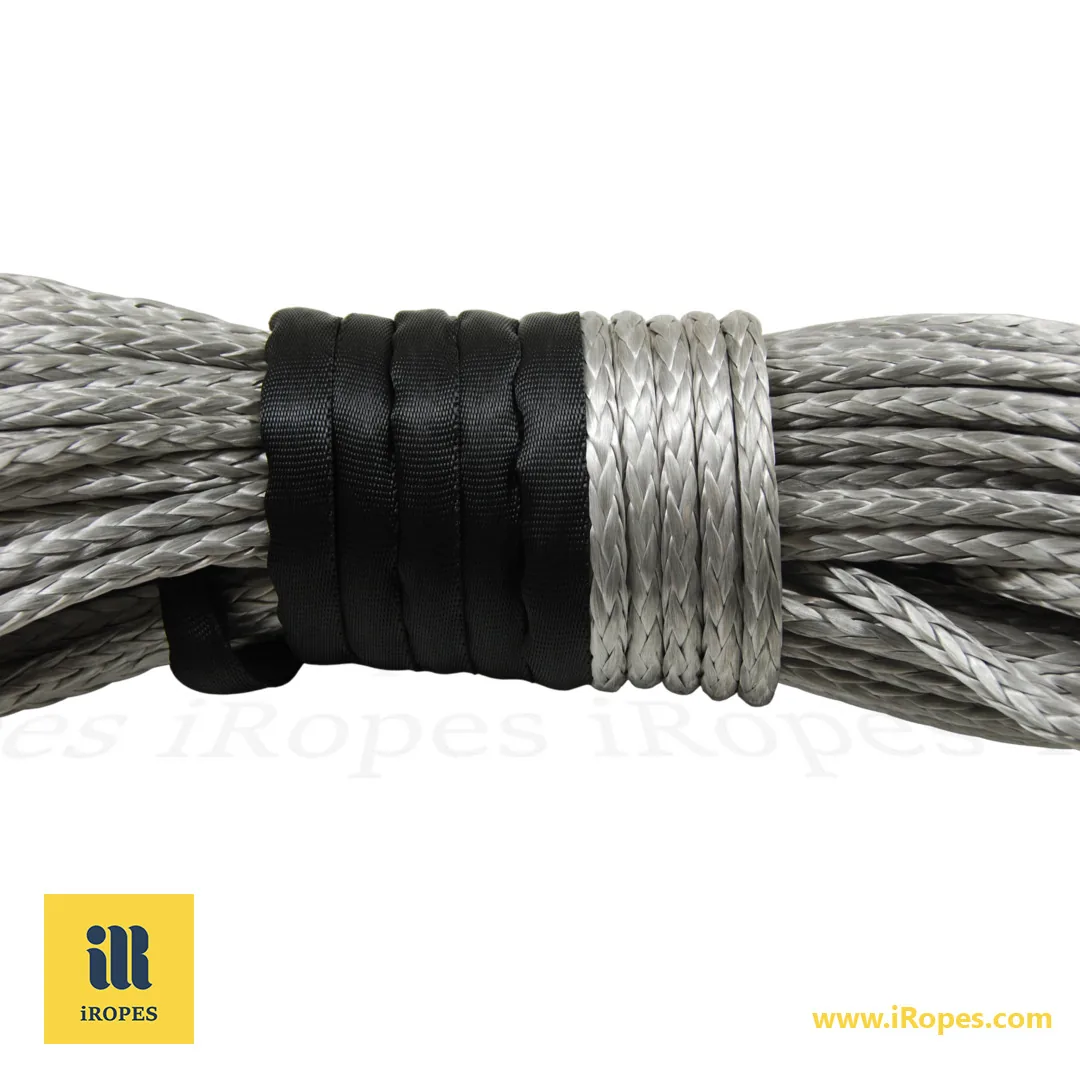
Unlock flawless yacht sailing with marine cordage that slashes failure risks by 25% through optimal stretch control—Nylon absorbs shocks up to 20% elongation, while Polyester keeps rigging taut under 10%. iRopes delivers custom solutions ensuring safety and precision for your voyages.
In 12 minutes, master marine cordage secrets that enhance yacht performance and cut maintenance costs by 35%
- ✓ Decode materials like Dyneema for lightweight strength, solving abrasion issues and extending rope life by 2-3 seasons
- ✓ Grasp braid vs. twist constructions to select halyards that reduce torque by 40%, improving handling during tacks
- ✓ Match yacht cords to applications, preventing overload failures and boosting safety for 40-foot vessels in rough seas
- ✓ Leverage iRopes' OEM customisation for branded lines with ISO 9001 certification, saving 20% on wholesale orders via efficient global shipping
You've probably used whatever rope was convenient for your yacht lines, assuming it would hold in any swell. But what if 70% of snap failures are due to overlooked material mismatches, turning calm cruises into costly capsize risks? Dig deeper, and you'll discover iRopes' clever refinements—like reflective cores for night safety—that transform generic cordage into precision tools. These innovations promise smoother sails and unbreakable confidence, eliminating guesswork.
Decoding Marine Cordage Materials: Strength, Stretch, and Durability
As you prepare for smoother sails and safer anchoring, the right marine cordage can truly make all the difference. Building on the essentials of quality ropes for yachting, let's explore the materials that form the backbone of reliable performance at sea. Selecting the best option depends on the elasticity required under load, resistance to harsh UV rays, and toughness against constant rubbing. Understanding these properties is crucial for any wholesale customer seeking tailored solutions.
Nylon stands out for its elasticity, effectively absorbing shocks during docking or when waves pull on your anchor line. Imagine heaving to in rough waters—its stretch prevents sudden snaps. However, this elasticity can lead to some unwanted creep over time. Polyester, on the other hand, offers minimal elongation, making it ideal for running rigging where precision matters, like hoisting sails without sagging. Then there's Dyneema, a high-molecular-weight polyethylene that is incredibly strong and lightweight, perfect for demanding yacht cord setups, though it tends to be pricier. For lighter tasks, don't overlook polypropylene; it floats, which is handy for tow lines or markers, but it doesn't hold up as well to abrasion.

What differentiates nylon, polyester, and polypropylene in practical sailing? Nylon excels in strength with up to 20% elongation under load, making it great for dynamic forces, but it's prone to UV weakening if left unprotected. Polyester resists stretching—under 10%—and handles sunlight better, while polypropylene's low cost and buoyancy suit casual utility, yet it frays faster from wear. Each material has trade-offs: nylon absorbs water and loses some strength when wet, polyester wears steadily but costs more, and polypropylene degrades quickest outdoors. These distinctions are vital for choosing the right sailing cord.
Historically, natural fibres like manila or hemp were common on the seas, but they rot in saltwater and degrade under UV exposure. Modern synthetics have largely replaced them due to their superior resistance to moisture and sun damage, ensuring your lines last significantly longer. At iRopes, our specialists apply this extensive knowledge to OEM and ODM projects, tailoring durability for diverse wholesale needs. Whether it's adding UV coatings or selecting specific blends for heavy loads, your custom sailing cord is designed for perfect performance without compromise.
High-Stretch Options
For Shock Loads
Nylon
Absorbs impacts well but stretches more, suiting anchors.
Polypropylene
Floats lightly for utility, though less tough overall.
Versatile Blend
Mixes for balanced give in variable conditions.
Low-Stretch Power
For Precision
Polyester
Minimal give resists UV, holds shape in rigging.
Dyneema
Ultra-strong, featherlight for high-end demands.
Custom iRopes
Tailored for yacht cord that withstands extremes.
These material choices set the stage. However, how they're woven together ultimately determines their handling and performance on board. Next, we'll explore specific rope constructions that transform solid materials into dependable lines for yachting.
Understanding Rope Construction for Sailing Cord: Braids, Twists, and Cores
Having explored the materials that provide core strength and resilience, it's time to examine how these fibres are assembled. The way a rope is constructed—whether twisted, braided, or cored—influences everything from its feel in your hands to its performance when the wind intensifies. It’s akin to choosing between a sturdy work boot for daily tasks and a high-tech running shoe for speed; the construction must match the specific job on your yacht.
Let's start with the classic 3-strand twisted rope, a popular choice for mooring and anchoring. Each strand winds around the others in a simple, helical pattern, creating a rope that is affordable and easy to handle. This construction grips cleats and pilings effectively, which is why it's commonly used to secure boats in marinas worldwide. However, it does have limitations; under heavy spin, it can untwist if not managed properly, making it better suited for static loads rather than dynamic pulls. This traditional construction is often considered the foundation of marine cordage production.
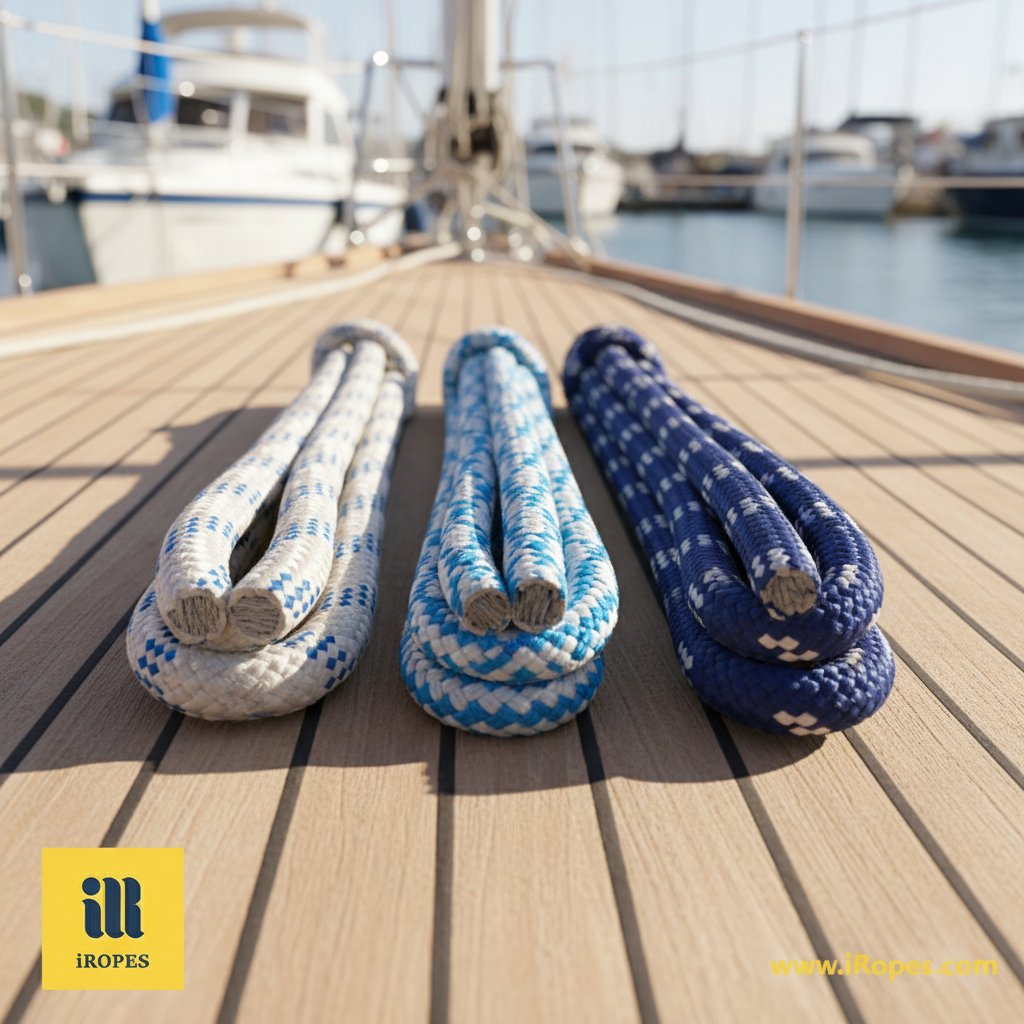
Moving to braided constructions introduces you to a world of smoother, more versatile sailing cord. Double braid features an inner core surrounded by an outer jacket, providing both flexibility and high strength for sheets and halyards—the lines that adjust your sails on the fly. In this design, the core handles the primary load, while the cover actively protects against chafe from blocks and winches. Single braid, often made from Dyneema-like fibres, excels in performance lines because it is lightweight and splices with ease; you can simply tuck the end into itself to create a secure loop without bulky knots. Have you ever struggled with a tangled line mid-tack? These advanced designs significantly minimise that frustration.
For finer work, small diameter lines offer precise control in applications like control lines or outhauls, where every inch counts. Whipping cord, a thin twisted variant, is used to neatly finish rope ends, preventing fraying much like a binding on a package. Furthermore, there's the parallel core construction, where fibres run straight alongside a cover. This design reduces torque, preventing the rope from spinning back on itself during hoists—an ideal characteristic for genoa sheets on a racing yacht.
- Halyards - These hoist sails up the mast, demanding low-stretch builds to keep the sail taut.
- Sheets - Lines that trim and shape sails, such as the mainsail sheet that pulls from the boom—often braided for smooth winch handling.
- Control lines - Adjusters for components like the cunningham or vang, frequently smaller diameters for quick, precise tweaks while sailing.
In sailing setups, these are not just generic ropes; they are specifically named components like halyards for raising sails, sheets for controlling their angle, and control lines for fine-tuning tension. At iRopes, we meticulously craft these constructions to order, blending materials like polyester into custom braids that precisely match your vessel's demands. This ensures that every twist and weave supports seamless performance for your yacht cord requirements.
Mastering these various rope builds helps you select lines that not only feel right but also perform vigorously. However, effectively pairing them to specific tasks onboard truly advances your journey towards trouble-free voyages.
Key Applications of Yacht Cord: Matching the Right Rope to the Job
With those constructions firmly in mind—like the smooth double braids that glide through winches, or the sturdy twists that hold fast to pilings—the real challenge lies in allocating them to the correct positions on your yacht. It’s essential to consider the demands of each role, whether you're racing ahead or simply enjoying a leisurely cruise. This proactive approach ensures your lines not only endure but actually enhance every outing. Let's delve into where marine cordage truly shines in practice, starting with the very heart of sailing.
In running rigging, your yacht cord keeps the sails alive and responsive. Halyards lift them skyward with minimal sag, often requiring a low-stretch quality to maintain sail shape against the wind’s force. Sheets, which are the lines that swing booms and trim jibs, demand exceptional flexibility to handle quick adjustments without binding. For control lines, which fine-tune components like vangs or travellers, finer builds ensure you can make precise adjustments without battling friction. These specialised setups ensure your vessel remains nimble, transforming gusts into forward momentum rather than chaotic movements.

When shifting shoreside, docking and mooring lines become critical for securing your boat against docks or buoys. Here, grip is paramount to counteract tides and swells. Anchoring rodes extend from the chain to the seabed, needing a blend of strength for holding power and enough give to ease jerks from waves. Utility tasks complete the picture—fender lines suspend bumpers to prevent scrapes, while lashings secure gear below deck. In these capacities, marine cordage controls your vessel's position, preventing drifts that could lead to mishaps, and supports everyday chores such as towing a dinghy or marking swim areas.
Choosing the right fit begins with your yacht's specific scale. For example, a 40-foot vessel cruising coastal waters might require 10-12mm diameter polyester sheets, approximately 50-60 feet long, rated for a 2-3 tonne working load to manage moderate winds. Racers, who push limits offshore, typically opt for slimmer 8mm Dyneema halyards, 70 feet or more, capable of handling 4+ tonnes with near-zero stretch for razor-sharp responses. Always factor in the load—your sailing cord should be rated at least 20% above anticipated peak stresses—and consider your sailing style: cruisers prioritise easy handling, while racers focus on weight savings. What rope is best for yacht lines? For more on selecting top suppliers and options, explore Discover the Best Yachting Rope Suppliers Today. Low-stretch options like Dyneema or polyester consistently deliver elite performance, keeping halyards taut and sheets responsive without the creep that can diminish speed.
Cruising Needs
Thicker lines for comfort, like 12mm mooring ropes up to 100ft for steady holds in harbours.
Anchoring Focus
Hybrid rodes with 8-10mm diameters, 200ft lengths, built for 5-tonne loads in open bays.
Racing Demands
Slim 6-8mm halyards, 80ft for speed, low-stretch to hit 3-tonne peaks without slack.
Utility Tasks
Versatile 6mm fender lines, 20-30ft, light loads under 1 tonne for deck work.
Beyond typical yachting, iRopes extends its expertise to niche areas. This includes spearfishing lines, which require abrasion-proof builds for rugged underwater use, or defence tow ropes, engineered with embedded strength for tactical pulls. For more on these spearfishing applications and beyond, the comprehensive iRopes portfolio ensures that these specialised pieces integrate seamlessly, drawing on proven designs for reliability in even the most unexpected waters. Effectively matching applications in this manner not only boosts safety but also establishes a foundation that iRopes can further refine through tailored adjustments for your specific operation.
Customisation, Maintenance, and iRopes' Advantage in Marine Solutions
Those tailored adjustments we mentioned earlier are where iRopes truly excels. We transform standard sailing cord into something that fits your yachting needs precisely. Imagine ordering lines that not only perform brilliantly but also feature your brand's colours or glow subtly in the dark for enhanced night visibility. As a dedicated wholesale partner, iRopes' OEM and ODM services allow you to customize every detail. This includes precise diameters, from 6mm for delicate control lines up to 20mm for robust mooring, and lengths cut to exact specifications—say, 200 feet for offshore anchoring without unnecessary waste. Colours range from classic navy to vibrant accents that complement deck fittings, while accessories like stainless thimbles or soft eyes add professional finishing touches. Need enhanced visibility in low light? Reflective elements can be seamlessly integrated. Importantly, every batch meets stringent ISO 9001 standards, providing complete peace of mind.

Of course, even the finest yacht cord requires careful maintenance to ensure its longevity. Start with regular cleaning: rinse saltwater off with fresh water after every outing. If grime accumulates, soak the ropes in mild soap—think of it as a gentle bath to wash away corrosive salts and extend their life. Inspection is crucial; check monthly for chafe, those frayed spots where rope rubs against edges, by running your hand along the length and visually searching for fuzz or thinning. Store cleaned ropes coiled loosely in a dry, shaded spot to prevent kinks or sun damage, perhaps in breathable bags hung in a locker. As for replacement, it depends on exposure severity: lines in constant use might need replacing every two years, while spares could last five. However, always retire any rope showing significant wear to prevent mid-voyage failures. Proper care significantly extends the lifespan of expensive marine cordage.
- Rinse after use to remove salt buildup.
- Inspect for chafe and weakness monthly.
- Coil and store dry, away from direct sun.
- Replace every 2-5 years based on condition.
This proactive approach significantly outperforms relying on old-school natural fibres. While charming historically, natural ropes quickly succumb to wet rot and fading. Synthetics simply offer superior endurance, maintaining strength through seasons of spray and strain. iRopes bridges this gap with modern precision, safeguarding your ideas through comprehensive IP protection, ensuring your custom designs remain exclusively yours. Pricing remains competitive for bulk orders, and pallets ship directly worldwide, arriving punctually to maintain the smoothness of your supply chain. For sizing, match diameter to load; for instance, 8mm ropes for a 30-foot yacht's sheets can handle typical gusts. Spliceability truly shines in single braids, where tucking fibres creates seamless loops without specialised tools, perfect for on-water fixes or custom lengths.
iRopes Edge
From custom glow features to certified builds, we deliver marine cordage that boosts your brand and bottom line for wholesale success.
Layering these practices ensures your setup remains sharp, paving the way for confident decisions that keep every sail secure and crew well-prepared.
Exploring marine cordage reveals how modern synthetics—specifically Nylon for shock absorption, low-stretch Polyester and Dyneema for precision rigging, and buoyant Polypropylene—consistently outperform traditional natural fibres in UV and rot resistance, ultimately ensuring safer yacht sailing. From 3-strand twists used for mooring to double braids integral in halyards and sheets, including small diameter lines and whipping cord for fine control, these sailing cord constructions are carefully matched to onboard needs. This ranges from running rigging to anchoring rodes, always guided by specific vessel size, load, and sailing style. Our expertise also extends to specialty applications like spearfishing or defence ropes, with iRopes' OEM capabilities ensuring yacht cord is meticulously tailored for durability and precise branding.
Proper maintenance—including rinsing off salt, diligently inspecting for chafe, and timely replacement every 2-5 years—is crucial for maintaining reliable lines. Furthermore, custom features such as reflective elements and stringent ISO 9001 certification significantly elevate performance and safety. These insights empower confident choices for superior marine solutions. For personalised solutions that perfectly fit your wholesale requirements, iRopes stands ready to refine them further, delivering unparalleled quality and service.
Need Tailored Marine Cordage Advice? Get in Touch
If you're seeking expert guidance on customising ropes for your yachting operations or extensive wholesale requirements, the inquiry form above connects you directly with iRopes specialists for personalised support and innovative solutions.