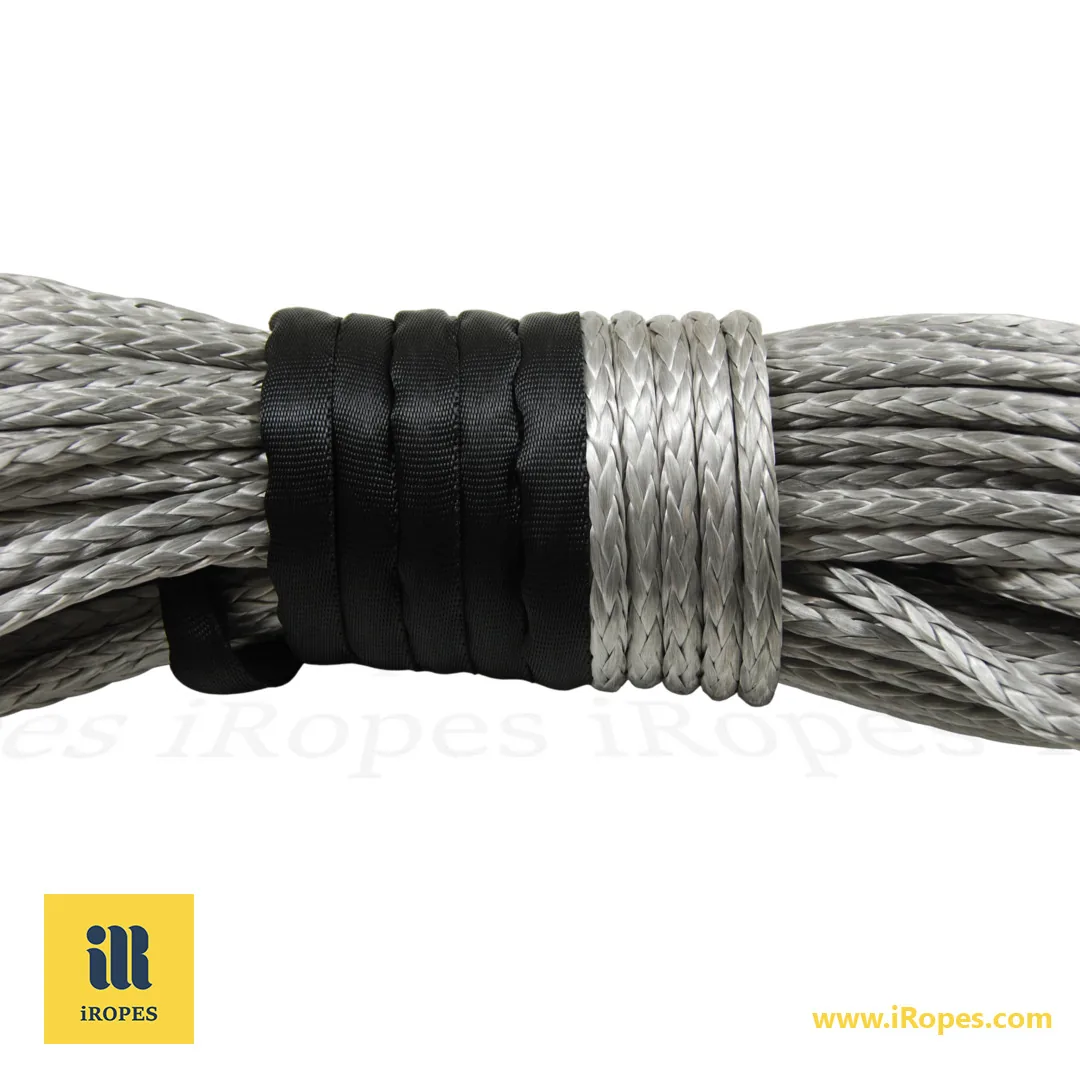
A 16 mm double‑braid polyester rope delivers up to 28 200 lb (≈ 12 800 kg) breaking strength—about 40 % more load capacity than a standard 16 mm 3 strand polyester rope.
What you’ll gain (≈4 min read)
- ✓ Superior load capacity – up to 28 200 lb, letting you safely handle heavy‑duty lifts.
- ✓ Low stretch (≤ 1 %) – maintains rig tension, reducing adjustments on marine or arborist jobs.
- ✓ Enhanced abrasion & UV resistance – built to last in harsh outdoor environments.
- ✓ Custom OEM/ODM options – colour, branding, splicing, and fast global dispatch; custom colours typically ship within 5–7 business days.
Most contractors assume any rope will do, yet the hidden architecture of a 16 mm double‑braid can limit stretch to about 0.8 % and lift break strength by roughly 40 % versus 3‑strand polyester. That difference only shows when a load slips or a line surges. In the sections below, we unravel the science, outline the features and application fields of double‑braided nylon rope, compare alternatives, and show how iRopes can tailor a solution that fits your workflow.
Understanding 16mm double braid rope – construction and core features
After seeing how a heavy‑load scenario can dictate the safety of a project, it’s time to peek under the surface and discover what makes a 16 mm double braid rope reliable enough for those demanding jobs.
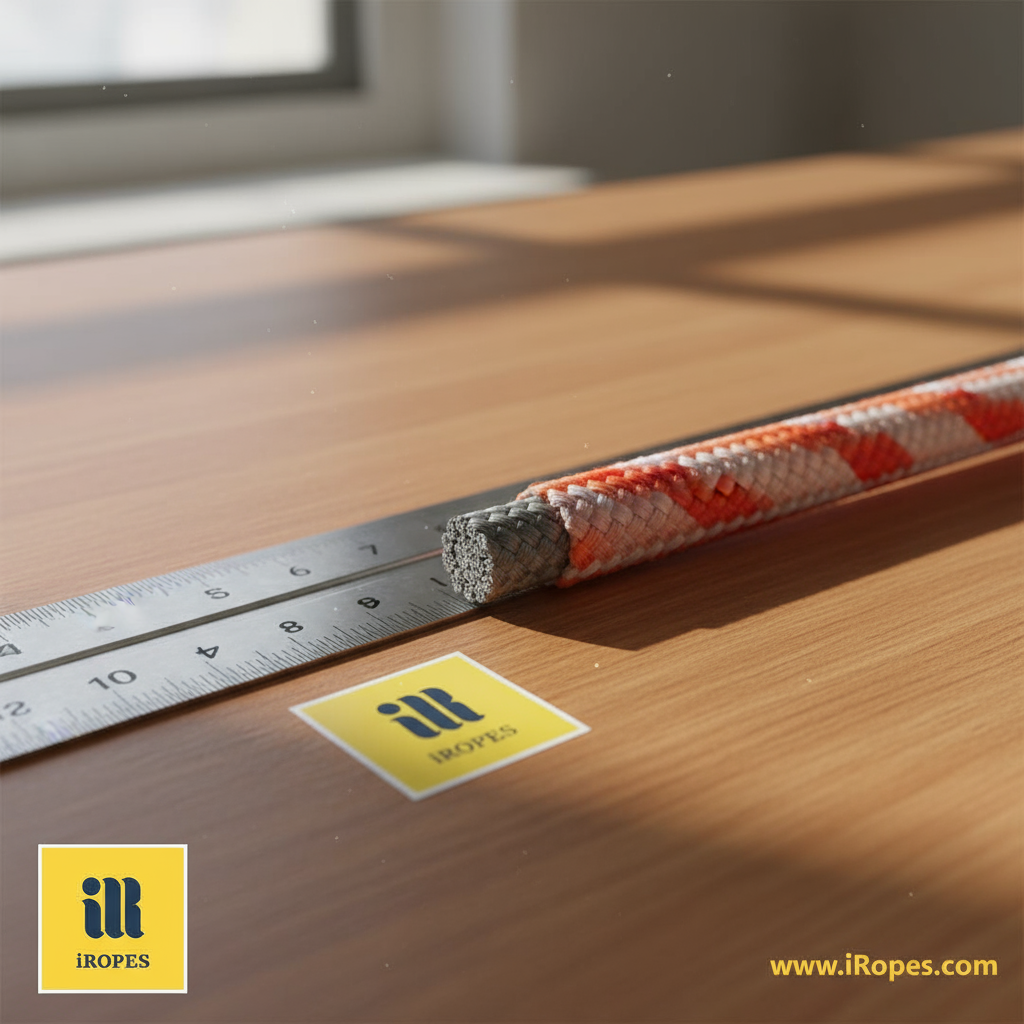
In a double‑braid rope, two distinct layers work in harmony. The inner core carries the load, while the outer sheath shields the core from abrasion, UV exposure and general wear.
- Core construction – typically a tightly built bundle of high‑tenacity fibres that defines the rope’s breaking strength.
- Sheath design – a woven braid that distributes stress evenly and protects the core from external wear.
- Stabilising process – heat‑setting or similar treatments that help the core and sheath work as one under repeated loading.
Material choice influences how the rope behaves over time. Polyester delivers excellent UV resistance and very low stretch. Nylon offers superior elasticity for shock‑loading. HMPE (Dyneema) provides the highest tensile strength at a lighter weight. Selecting the right polymer lets you balance durability, stretch and cost for your application. In particular, double‑braided nylon rope combines high strength with noticeable elasticity for shock absorption, strong abrasion resistance, and reliable knot‑holding. Common applications include mooring and anchor lines, towing, and arborist rigging where dynamic loads occur.
“Double‑braid construction shares the load between core and sheath. Choose polyester when low stretch is critical; choose double‑braided nylon when you need shock absorption with excellent abrasion resistance.” – Rope engineer
When you need a concrete figure for load planning, a 16 mm double braid rope typically breaks at around 28 200 lb (≈ 12 800 kg). Applying the industry‑standard 5 % factor gives a safe working load of roughly 1 410 lb (≈ 640 kg)—the number to use when sizing tie‑downs, dock lines or tree‑work rigging.
Comparing 16mm 3 strand polyester rope and its performance metrics
Having explored the layered strength of a double‑braid design, you might wonder how a simpler three‑strand build stacks up when you need a reliable, cost‑effective line for everyday projects.

The 3‑strand construction consists of three tightly twisted strands along the rope’s length. This geometry delivers a predictable load path, making the rope ideal for cargo tie‑downs, marine dock lines and construction‑site tie‑offs where ease of handling matters as much as strength.
- Diameter – a standard 16 mm size fits most existing hardware and fittings.
- Breaking strength – roughly 20 000 lb (≈ 9 070 kg), giving a safe working load around 1 000 lb when a 5 % factor is applied.
- Stretch under load – 2‑3 % elongation, noticeable but acceptable for most tie‑down and mooring scenarios.
When budgeting, you’ll often ask: “How much does a 16 mm 3‑strand polyester rope cost per foot?” In today’s market the price typically falls between $0.18 and $0.25 per foot. Ordering in bulk—say 600 ft or more—can push the unit cost down to roughly $0.12 per foot, especially when you use standard colour options and no custom terminations.
Cost‑per‑foot insight
A 16 mm 3‑strand polyester rope priced at $0.22 / ft for a 100‑ft coil totals $22. Adding an eye splice ($5) and a thimble ($8) brings the order to $35—still well under many double‑braid options.
Beyond raw numbers, the three‑strand design shines where you need a rope that’s easy to splice, light to carry, and kind to your budget. As you move toward the next option—pp braid—you’ll see how an even lighter construction changes the trade‑off between stretch and durability.
Why choose pp braid for specific applications and customization
In the previous section we saw how a lighter core can shift the balance between stretch and durability. The same principle applies to pp braid, a rope that feels almost like a cord yet still carries a respectable load.

So, what is the difference between double‑braid and pp braid? Double‑braid polyester packs a dense, tightly woven sheath around a high‑tenacity core, giving you low stretch (4 lb per 100 ft, but the trade‑off is a higher elongation of 5‑7 % and moderate UV protection.
Lightweight
At about 4 lb per 100 ft, the pp braid is roughly half the weight of a comparable 3‑strand polyester line.
Higher Stretch
The open‑weave design yields a 5‑7 % stretch under load, making it ideal for applications that benefit from shock absorption.
UV & Chemical
Double‑braid polyester rates around 90 % for UV resistance, while pp braid sits at a moderate 60 %. Consider sun exposure and chemicals when choosing.
Cost Efficiency
Typical pricing for pp braid falls between $0.15–$0.22 per ft, often cheaper than double‑braid options that range up to $0.30 per ft.
You can personalise a pp braid with any colour, add an eye splice, fit a thimble, or even imprint your logo – iRopes handles OEM and ODM projects from design to doorstep.
Because the rope is easy to handle, splicing an eye can take just a few minutes, and the lighter mass means less fatigue when you’re pulling long lengths on site. If you need a rope that runs quickly through a reel, the best 16 mm mooring rope for yachting offers exactly that performance, while also resisting many common chemicals and showcasing your brand colours. pp braid ticks those boxes without breaking the bank.
When you move on to the final wrap‑up, you’ll see how these strengths line up with common industry use‑cases and why a custom quote from iRopes can turn a generic line into a solution that fits your exact workflow.
Get a personalised rope solution
You’ve seen how the 16 mm double braid rope’s dual‑layer core and protective sheath deliver high tensile strength with low stretch. You’ve also seen where double‑braided nylon shines: absorbing shock in mooring, anchor lines and arborist rigging while offering excellent abrasion resistance. The comparison with the lighter‑weight 16 mm 3 strand polyester rope highlighted its cost‑effectiveness, while the pp braid option showed advantages in weight and flexibility for projects needing shock absorption. If you’d like a custom design, colour, or branding to match your specific workflow, our specialists are ready to help. For deeper insight into how a double‑braid nylon dock line solution can boost performance, explore our dedicated guide.
Complete the inquiry form above for a tailored quote and expert guidance on the optimal rope for your operation.