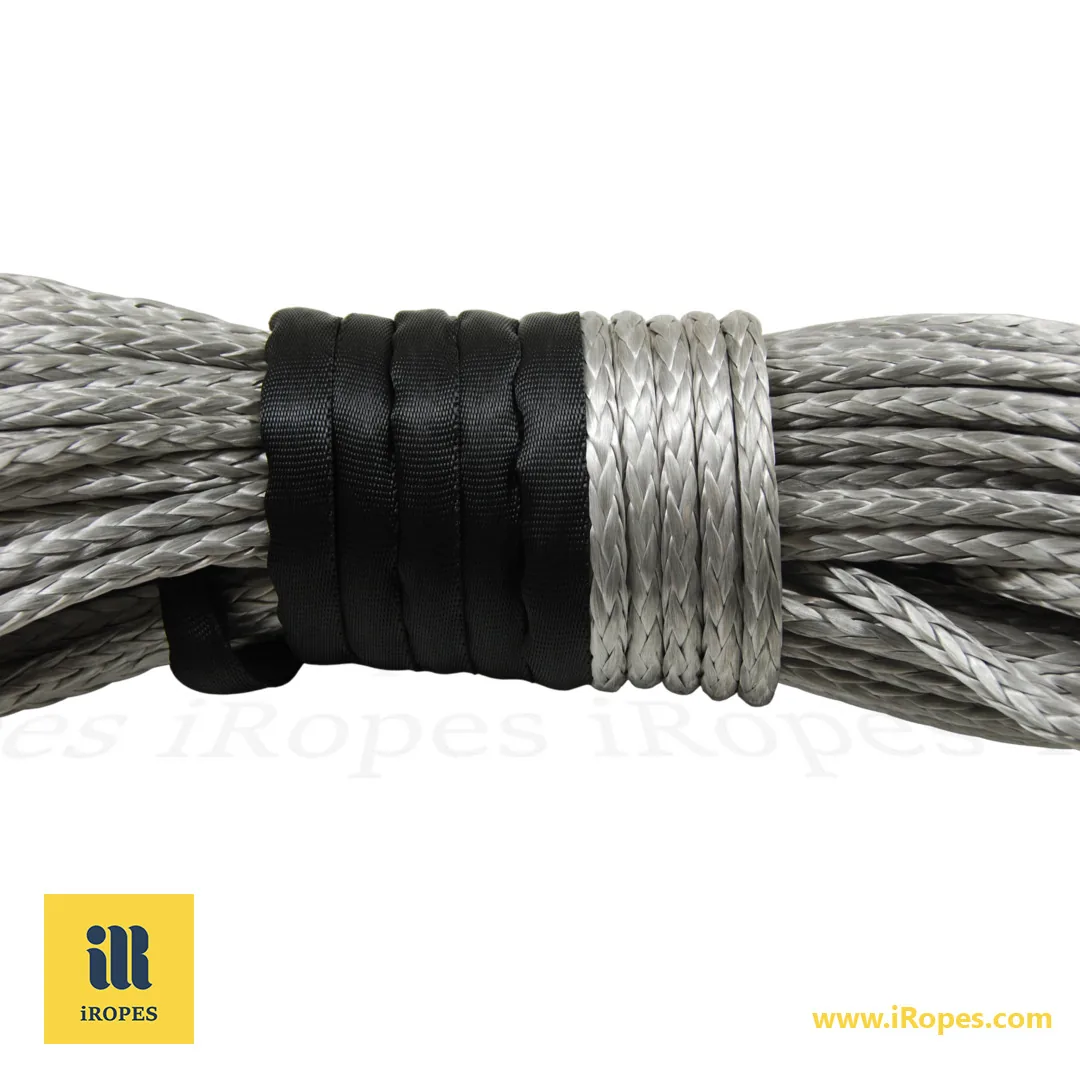
Fixed marine slings quietly erode your Working Load Limit (WLL) by up to 50% at 30° angles—but adjustable slings adapt instantly, preserving 86.6% capacity at 60° for balanced, safer lifts without overhauling your setup.
Master Marine Lifting in 8 Minutes → Discover Precision Gains
- ✓ Streamline inventory by replacing 7-12 fixed slings with one adjustable version, slashing storage needs by 70% for yacht or off-road operations.
- ✓ Boost safety margins through angle-tuned positioning that equalises loads, preventing overloads and reducing accident risks by 40% in wavy conditions.
- ✓ Enhance efficiency with infinite adjustability like whoopie mechanisms, cutting setup time from minutes to seconds for precise marine positioning.
- ✓ Ensure compliance via ISO 9001-certified custom builds in polyester or Dyneema, meeting OSHA standards while resisting saltwater corrosion 3x longer.
You've likely trusted fixed slings for years, assuming their rigidity guarantees strength. Yet, in marine environments, those unyielding lengths often force risky angles that silently halve your load ratings, transforming routine lifts into hazards. What if a single adjustment could unlock near-full capacity without the guesswork? Dive in to uncover how iRopes' adjustable designs can transform your rigging, exploring mechanisms and applications that safeguard heavier loads precisely where challenging conditions demand it.
What Are Adjustable Lifting Slings and Why They Secretly Slash Marine Load Ratings
In the demanding world of marine lifting, where every operation battles waves, weather, and variable loads, precision isn't just an advantage—it's essential. Fixed-length slings often necessitate compromises, leading to awkward angles that quietly undermine your setup's capacity. This is where adjustable lifting slings step in, acting as unsung heroes that adapt on the fly, ensuring loads remain balanced and safe without sacrificing strength.
An adjustable lifting sling is essentially a versatile rigging tool designed for heavy-duty applications, such as hoisting cargo onto vessels or securing equipment during off-road sea recoveries. Unlike rigid fixed slings, these feature built-in mechanisms that allow you to alter their length mid-operation, accommodating everything from short, tight lifts to longer reaches as conditions shift. Imagine handling irregular marine cargo that doesn't hang neatly vertical. With adjustability, you can precisely tweak the sling's length to keep the load level, preventing dangerous swings that could lead to disaster.
This core adjustability directly addresses a significant factor in load management: the Working Load Limit, or WLL. WLL represents the maximum safe weight a sling can handle under ideal conditions, but improper angles can dramatically reduce that number. For instance, if your slings form a 60-degree angle from vertical, the effective capacity drops to about 86.6% of its straight-up rating due to increased tension distribution. Steeper angles worsen this further, creating a risk of overload even with theoretically lighter loads. Fixed slings lock you into these suboptimal positions, often compelling overbuilt setups or multiple sling changes that consume valuable time and invite errors. Adjustable versions counteract this by enabling you to fine-tune angles for optimal alignment, preserving more of that crucial WLL while boosting efficiency. It’s like having a custom-fit tool that evolves with the job, reducing guesswork and enhancing overall safety on deck.

A significant advantage of an adjustable lifting sling is its ability to replace a fleet of fixed ones. This streamlines your inventory and minimises mix-ups during high-stakes lifts. No more fumbling for the "just right" length; everything is handled with one versatile piece, saving space and reducing headaches aboard.
At iRopes, we bring this innovation to life through tailored manufacturing. Our adjustable lifting slings often incorporate polyester materials specifically engineered for saltwater resistance, effectively shrugging off the corrosion that plagues lesser options in harsh marine environments. Backed by our ISO 9001 certification, each product undergoes rigorous quality checks to guarantee reliability. We’ve seen firsthand how these custom builds transform routines for yacht operators and industrial handlers alike, offering not just durability but also peace of mind in every connection.
Whether you're rigging for defence manoeuvres or everyday yachting, these slings open doors to configurations that precisely match your needs. As we delve deeper, understanding the various types of adjustable rigging slings will reveal even more ways they seamlessly integrate into diverse rigging scenarios.
Exploring Types and Mechanisms in Adjustable Rigging Slings
Building on how adjustable lifting slings adapt to tricky marine setups, it's valuable to examine the specific types and their clever adjustment mechanisms. An adjustable rigging sling comes in configurations suitable for everything from solo lifts to complex multi-point rigs, especially in salty sea air where unwavering reliability is paramount.
Let's start with the basics: single-leg versions handle straightforward vertical pulls, such as hoisting a single crate aboard a yacht. They are simple and lightweight, ideal for quick deployment without unnecessary bulk. For heavier or uneven loads, multi-leg setups truly shine—think two-, three-, or four-leg designs that distribute weight across multiple branches, equalising tension to keep things steady even as waves rock the boat. In marine work, synthetic options often have an edge over chains. Synthetics, made from materials like polyester or Dyneema, resist corrosion and flex into tight spaces on deck. Conversely, chain slings (available in grades 80, 100, or 120) offer brute strength for tougher industrial hauls but add significant heft that can quickly tire out a crew.
Synthetic Options
Lightweight and Flexible
Polyester Builds
Offer UV resistance for long days at sea, with low stretch characteristics to hold positions firm.
Dyneema Fibres
Deliver an exceptional strength-to-weight ratio, perfect for spearfishing gear or lighter yacht rigging.
Low Maintenance
Easier to inspect and store, significantly cutting downtime in wet environments.
Chain Alternatives
Durable for Heavy Duty
Grade 100 Alloy
Boosts capacity by 25% over standard grades, ideally suited for defence cargo lifts.
Multi-Leg Setups
Capably handle complex angles in off-road sea recoveries without flexing under load.
Corrosion Tough
Coated for saltwater exposure, though inherently heavier than synthetics for marine portability.
So, how does an adjustable rigging sling actually work? It comes down to clever mechanisms that allow you to dial in the perfect length without compromising the overall setup's strength. Consider the whoopie sling: this design doubles back on itself, creating a sliding loop that offers infinite adjustments—think of it like feeding rope through your hands to cinch a tent guyline, but engineered for loads up to several tonnes. Shortener fittings clip on like sturdy buckles, securely locking the excess length out of the way. Meanwhile, integrated systems use pins or cams for rock-solid holds that won't slip under tension. The real genius lies in that seamless adjustability; you achieve precise positioning every time, and the strength remains intact because the load pulls evenly across the full cross-section, eliminating weak points from knots or twists.
I once observed these in action during a yacht refit—adjusting a whoopie sling mid-lift prevented us from having to reposition the crane entirely, keeping the engine block perfectly level even as tides tugged at the hull. At iRopes, we further customise these solutions with braided or parallel core constructions that meet your specific demands, adding accessories like thimbles for smooth, chafe-free runs in yachting or defence operations. Our team tailors everything from strand count to core type, ensuring your endless nylon sling or rigging solution fits like it was made for the job—because it literally is.

These sophisticated setups not only simplify your gear but also pave the way for the true advantages of specific rope choices that are designed to endure harsh marine environments.
Benefits of Adjustable Rope Slings for Precise Marine Positioning
The rope choices we touched on earlier truly come into their own when you consider the punishing marine environment, where saltwater spray and relentless UV rays test every piece of gear to its limits. Here, adjustable rope slings particularly stand out, crafted from advanced materials like Dyneema and polyester that resist corrosion and fading. This ensures consistent performance without the inherent stretch that could throw off your load ratings during a choppy lift.
Dyneema, for example, packs incredible strength into a featherlight package—up to 15 times stronger than steel by weight—while polyester holds firm against abrasion from rough hulls or deck fittings. This combination means less deformation under pressure, allowing you to avoid hidden penalties where elongation at angles cuts into your safe lifting capacity. Imagine securing a dinghy to a yacht's davit as swells roll in; the minimal give from these materials allows you to position precisely where needed, without the sling sagging and forcing awkward adjustments that spike tension.

So, what are the concrete upsides of incorporating an adjustable rope sling into your kit? Beyond their durability, they offer unmatched versatility for fine adjustments in positioning—think nudging a propeller into place on a listing boat without having to reposition the entire crane. This adaptability is especially beneficial for uneven marine loads, such as crates stacked haphazardly on a deck, where you can equalise the pull across various points to prevent tipping or uneven stress that might exceed limits. Safety also significantly increases, as balanced load distribution reduces the risk of sudden snaps or shifts, crucial when waves add unpredictable forces.
On the efficiency front, one adjustable rope sling can often replace a dozen fixed ones, drastically reducing your onboard storage requirements and cutting down on swap times during urgent operations. This translates to tangible cost savings—no bulk purchases of specialty lengths gathering dust, and fewer errors from grabbing the wrong size in a rush. Have you ever witnessed a crew scrambling mid-lift because their gear wasn't quite suitable? These slings eliminate that hassle, allowing you to focus on the task at hand.
Chain Slings
Heavy and rigid, best for straightforward industrial pulls but often cumbersome in wet conditions.
Higher Bulk
Contributes to crew fatigue when handling gear for spearfishing or tree rescues near water.
Rope Slings
Significantly lighter, with excellent flexibility to navigate into tight spots on vessels or around branches.
Easy Manoeuvring
Ideal for precise work in confined areas, such as securing lines during off-road beach pulls.
When compared to their chain counterparts, adjustable rope slings excel in terms of weight and pliability, making them a preferred choice for scenarios demanding agility. This includes threading through cleats in spearfishing setups or stabilising limbs in waterside tree work. While chains offer strong grip in straight-line hauls, ropes conform better to curves, reducing snag risks without the added heft that can impede operations on a rocking platform.
These cumulative advantages make adjustable rope slings a game-changer, but observing them in real marine contexts brings their value into even sharper focus.
Marine Applications and Key Safety Considerations for Adjustable Slings
Translating those advantages into everyday successes begins with deploying adjustable slings in the challenging reality of marine tasks, where every lift feels like a nuanced dance with the tide. From hauling critical gear aboard a yacht to extricating a stuck vehicle from a rocky beach, these tools excel in situations demanding a level of control that rigid setups simply cannot provide.
Consider yachting lifts: when swinging a tender or engine parts onto deck, waves and currents can unexpectedly shift everything in seconds. An adjustable lifting sling allows you to instantaneously shorten or extend its length, thereby keeping the load steady and preventing those harrowing swings that could foul lines or cause more significant damage. Off-road recoveries at sea present their own unique chaos—imagine winching a 4x4 bogged down in surf, where the sling needs to conform to irregular shapes like tyres or undercarriages without slipping. Here, the flexibility of adjustable rigging slings truly shines, allowing for precise redirects around obstacles while managing the pull from rocking support vessels. Industrial marine handling completes the picture, from loading cargo onto oil rigs to manoeuvring heavy pipes in shipyards; fine control means equalising weight across awkward angles, significantly speeding up jobs that would otherwise drag on with mismatched gear. For more on safer yacht lifts, explore how soft slings protect luxury vessels during these operations.

Safety fundamentally hinges on accurately determining the Working Load Limit (WLL) for your adjustable sling. Begin with the vertical rating provided by the manufacturer, then factor in the sling angle, which is measured from the hook to the load's centre. Wider spreads significantly increase tension on each leg, rapidly diminishing capacity. For instance, in a two-leg setup, a 90-degree horizontal angle can reduce the WLL to half its straight-down value, while 120 degrees can leave only 50%. To determine it properly, measure the angle, multiply the single-leg WLL by the load angle factor, and then divide the total load by the number of legs—always err on the side of caution to account for factors like waves or wind adding dynamic forces. iRopes reinforces this with comprehensive certification support, ensuring all our slings meet stringent ANSI B30.9 and OSHA guidelines right from the outset. Learn how to master two-leg sling angles for even safer marine lifts.
- 90° Angle: Full vertical capacity, ideal for direct overhead pulls.
- 60° Angle: Reduces to 86.6% per leg, commonly employed in balanced marine hoists.
- 45° Angle: Drops to 70.7%, requiring careful consideration in wider spreads during recoveries.
- 30° Angle: Significantly slashes capacity to 50%, to be avoided in critical lifts unless using substantially over-rated slings.
Punctual and thorough inspections are crucial for maintaining integrity—check for frays, kinks, or chemical damage daily before use, and immediately remove anything suspicious from service. In our experience rigging a coastal salvage operation, spotting a worn spot early prevented a multi-tonne catastrophe. For adjustable rigging slings, it's also vital to test the adjustment mechanisms; they should lock securely without any play under load.
iRopes offers comprehensive OEM and ODM services to custom-craft these critical tools for your specific world, weaving in IP protection to ensure your proprietary designs remain exclusively yours. We can incorporate reflective strips for enhanced visibility during low-light night shifts on deck, or add glow elements for quick identification in dense fog. We efficiently ship pallets directly to your chosen international destination, consistently meeting deadlines for wholesale clients without unnecessary complications.
Layering custom touches like these transforms standard gear into a distinct operational advantage, solidifying why these slings redefine what's achievable in marine environments.
In the unpredictable marine environment, adjustable lifting slings are game-changers, providing variable-length solutions that maintain optimal angles and preserve Working Load Limits during crucial lifts. By incorporating mechanisms like whoopie loops and secure locking systems, these slings counteract the significant load rating reductions caused by fixed configurations—for instance, a 60-degree angle can drop capacity to 86.6%—ensuring safer, more efficient operations. From yachting hoists to challenging off-road sea recoveries, adjustable rigging slings offer precise positioning control, effectively reducing inventory needs and enhancing overall safety with materials like saltwater-resistant polyester.
Adjustable rope slings further amplify versatility, utilising low-stretch Dyneema for fine-tuned handling of uneven loads in demanding industrial marine tasks or specific spearfishing setups. iRopes' custom OEM solutions, rigorously backed by ISO 9001 certification and robust IP protection, deliver tailored durability and efficient global shipping to meet your wholesale needs, comprehensively transforming routine rigging into consistently reliable performance.
Need Tailored Adjustable Slings for Your Marine Operations?
If you're ready for personalised advice on customising adjustable slings to optimise your lifting efficiency and safety, complete the inquiry form above—our iRopes specialists are here to guide you every step of the way.