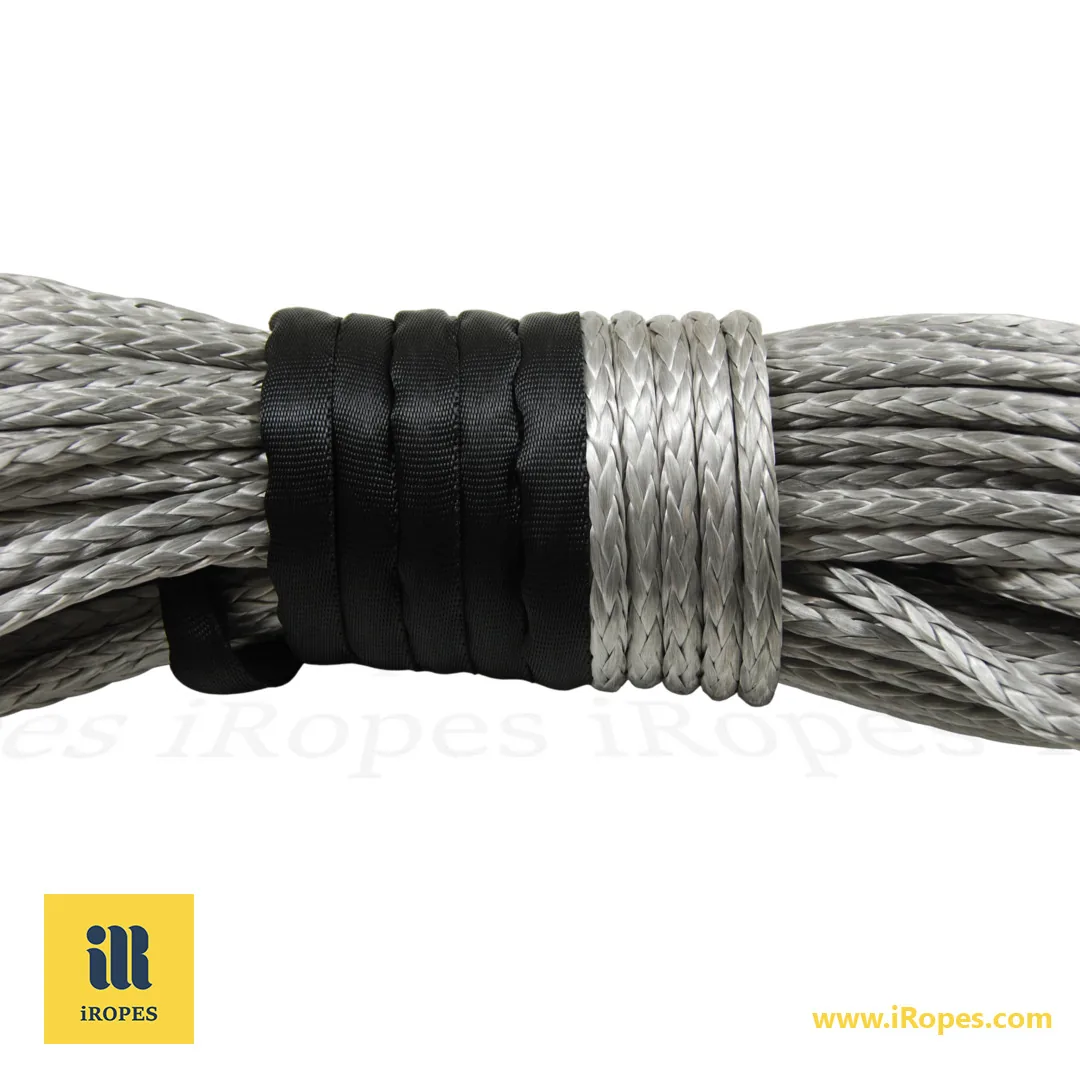
⚠️ Without a rope thimble, your anchor line can lose up to 50% of its strength from chafe at critical eyesplices—turning a secure hold into a sudden snap during rough seas. Thimbles shield against abrasion, retaining 90-95% breaking strength for safer boating.
Unlock Safer Marine Setups with Thimble Expertise – 8-Minute Read
- ✓ Master anchor line sizing using the 7:1 scope rule, boosting holding power by 40% in variable conditions to prevent drift.
- ✓ Choose nylon ropes for 20-30% stretch absorption under wave shocks, solving sudden load failures without compromising durability.
- ✓ Integrate thimbles via professional splicing to distribute forces evenly, cutting replacement costs by retaining 95% rope integrity.
- ✓ Gain iRopes' custom OEM solutions for buoy ropes, ensuring UV-resistant builds that last 3-5 years in harsh saltwater exposure.
You might believe a thick anchor line is unbreakable—until chafe silently erodes it at the eye, risking your boat in the next squall. But what if a simple thimble could transform that vulnerability into unyielding strength, safeguarding connections where it truly matters? *Dive deeper* to uncover the shocking mechanics behind snapping lines and how iRopes' precision-engineered solutions—complete with ISO 9001 assurance—empower your marine operations with custom durability you can trust.
The Indispensable Role of Rope Thimbles in Marine Applications
Imagine you're out on the water, the wind picking up, and suddenly your anchor line begins fraying right at the connection point. That's a boater's nightmare, but it's precisely what happens without adequate protection. A rope thimble acts as that quiet guardian, fitting snugly into the eye of your rope to shield it from the relentless wear of marine environments.
What Is a Rope Thimble?
At its heart, a rope thimble is a simple yet clever metal insert designed to reinforce the loop or eye at the end of a rope. It protects those vulnerable rope ends from *chafe*—the gradual wearing away caused by rubbing against rough surfaces like anchors, chains, or boat fittings. By distributing the load evenly across the rope's fibres, it creates a secure connection that holds up under tension. Think of it like the metal grommet in your favourite jacket's hood; without it, the fabric frays quickly, but with it, everything stays intact through rough use.
Common causes of rope chafe include constant friction from waves pulling the line against metal hardware or rocks on the seabed. Exposure to saltwater can also weaken fibres over time, and even UV rays can break down the material. Thimbles help by acting as a barrier, preventing direct contact and abrasion at critical spots like eyesplices. In my early boating days, I once lost an anchor because a bare splice chafed through overnight—a lesson learned the hard way about these essential protectors. *This preventive function is key to long-term reliability.*

Why Thimbles Prevent Snapping
Without a thimble, ropes can lose up to half their strength at stress points due to localised abrasion. The thimble maintains the rope's round and smooth shape, allowing forces to spread out rather than bunch up and tear fibres. This is crucial for eyesplices, where the rope folds back on itself—without support, it compresses and frays under load. Have you ever wondered why some lines snap unexpectedly? It's often that hidden chafe building up until the moment of truth. *Thimbles are indispensable for preserving rope integrity.*
Types of Thimbles for Marine Durability
Choosing the right thimble depends largely on your environment. Stainless steel, especially the *316 grade*, excels in saltwater due to its superior corrosion resistance; it won't rust or pit like lesser metals, making it ideal for long-term exposure. Galvanised thimbles, coated in zinc, offer solid protection at a lower cost and perform well in freshwater or less aggressive conditions. However, they may require more frequent checks for wear.
Both types enhance marine durability by maintaining the rope's full integrity. Nevertheless, stainless steel often proves superior for boats operating in coastal areas where salt spray is relentless. *Your choice impacts longevity and maintenance.*
Stainless Steel Thimbles
Premium Marine Choice
Corrosion Resistance
Resists saltwater pitting, lasting seasons without degradation.
High Strength
Handles heavy loads up to thousands of pounds securely.
Longevity
Reduces replacement needs in harsh conditions.
Galvanised Thimbles
Cost-Effective Option
Affordable
Budget-friendly without sacrificing basic protection.
Zinc Coating
Provides rust barrier for moderate marine use.
Reliable Fit
Ensures smooth rope insertion and load spread.
iRopes' Precision-Engineered Thimbles
At iRopes, we integrate these thimbles directly into the manufacturing process, employing *skilled craftsmen* to ensure perfect fit and alignment. This isn't just assembly; it's about enhancing load distribution so your rope performs at 90-95% of its original strength. Backed by ISO 9001 certification, our thimbles meet rigorous standards, offering wholesale customers reliable options tailored for anchor and buoy systems. Whether you're outfitting a fleet or a single vessel, this precision translates to fewer failures and greater peace of mind on the water.
As we see how thimbles fortify basic connections, it becomes clear they're even more vital when fitted into specific setups like anchor lines, where every pull counts. *This seamless integration is a hallmark of iRopes' quality.*
Mastering Anchor Line with Thimble for Strength and Safety
Now that thimbles have proven their worth in shielding ropes from everyday wear, picture them in action on an anchor line—the lifeline that keeps your boat steady when storms hit. These lines bear the brunt of waves and wind, and pairing them correctly with a thimble transforms potential disaster into a dependable hold. Let's break down what makes an *anchor line with thimble* not just functional, but a smart choice for any vessel.
Choosing the Best Materials for Your Anchor Line
When it comes to the best rope for anchoring a boat, nylon and polyester are top contenders, each excelling in specific ways. Nylon boasts superior shock absorption, stretching up to 20-30% under load. This cushions sudden jerks from waves or wind gusts, much like a bungee cord easing a pull. Such flexibility makes it ideal for rough waters where it prevents snaps. Polyester, on the other hand, offers low stretch—around 10-15%—and strong UV resistance, maintaining its shape in sunny conditions without quickly degrading. It's perfect for calmer anchorages or where precise control is paramount. Both materials work effectively with thimbles, but nylon's elasticity pairs especially well with dynamic loads, while polyester suits static holds. Ever anchored in choppy seas and felt that stressful tug? The right material absorbs it without drama. *Nylon and polyester provide distinct advantages for varied marine conditions.*
Nylon
Absorbs shocks from waves, stretching to handle sudden forces effectively.
Low Stretch
Affordable option that performs reliably in varied conditions.
Polyester
Minimal stretch for stable positioning, with excellent UV protection.
Durable
Resists abrasion and chemicals longer than many alternatives.
Sizing Right and Understanding the 7:1 Anchor Rule
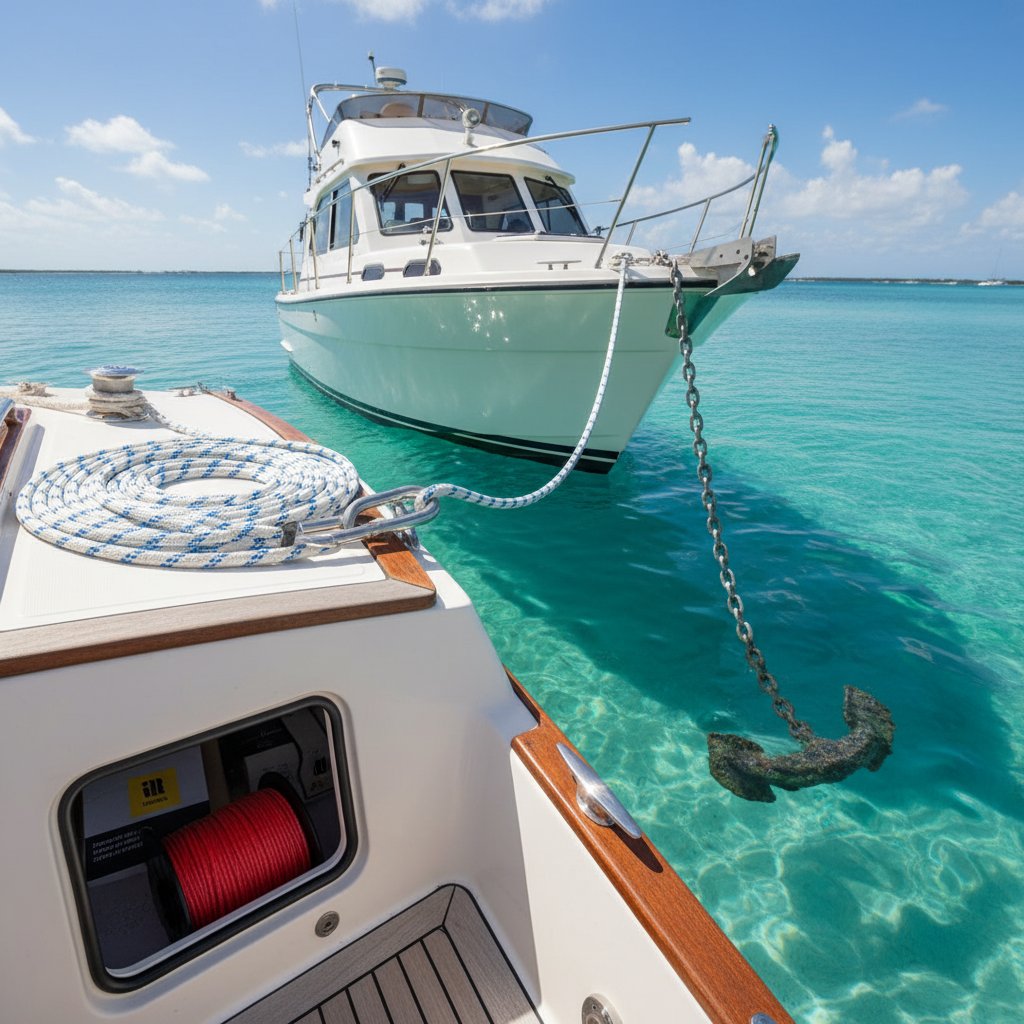
Getting the size spot-on starts with your boat's length: aim for a diameter like 1/2 inch for vessels up to 30 feet, scaling up for larger ones to match the load without excess bulk. This ensures the line handles the weight without straining. Then there's the *7:1 anchor rule*, referring to scope—the ratio of rode length to water depth. For every foot of depth, let out seven feet of line to create a low angle that allows the anchor to dig in deep. Factors like tide, current, and wind might adjust this to 5:1 in mild spots or 10:1 in rougher conditions, but sticking close to 7:1 maximises holding power and reduces drift risk. It's a simple calculation that saves headaches: a depth of 10 feet means 70 feet out, with chain helping near the bottom for extra bite. *Proper sizing and scope are fundamental for secure anchoring.*
Step-by-Step Installation for Secure Attachments
Attaching an anchor rope to your boat begins with splicing the thimble into the line's eye for a clean, strong loop. First, unravel the rope end and weave it back through itself around the thimble, following the rope's lay to bury strands securely—tools like a fid make this smoother, even for beginners. Secure the splice with whipping or tape to lock it completely. Next, hook the thimble's eye to the anchor shank using a shackle, tightening it firmly but not excessively. On the boat side, cleat the other end or run it through a hawse pipe, coiling neatly to avoid tangles. This method significantly outperforms knots, which can weaken the line by half, as the thimble ensures the pull is distributed evenly. *Careful installation protects your investment and ensures safety.*
- Unravel and splice thimble into eye for reinforced loop.
- Attach to anchor via shackle for direct connection.
- Secure boat end to cleat, ensuring easy release.
Load Benefits and Breaking Strength Explained
A thimble-equipped line truly shines in load handling. It distributes forces across the rope's width, preventing fibres from bunching and failing. This setup retains nearly all the rope's rated breaking strength—for example, 4,000 pounds for a standard 1/2-inch nylon—versus dropping to half with a basic knot. The working load remains safe at about 20% of that break point, providing ample margin for gusts. In practice, this is why seasoned professionals rely on spliced thimbles: they transform raw power into reliable performance, especially when waves test every inch of your anchor system. *Thimbles are critical for achieving optimal breaking strength and working load limits.*
These solid anchor setups provide a strong foundation, but similar principles apply when rigging buoys, where constant motion and exposure demand the same thoughtful protection.
Versatile Buoy Rope for Boat: From Mooring to Markers
Building on those reliable anchor lines that keep your boat planted, buoy ropes take reliability to the next level, handling the unpredictable dance of tides and currents. These lines connect buoys to anchors, weights, or the seabed, serving everything from marking safe channels to securing permanent moorings. Without the right setup, a simple buoy can quickly become a liability. However, with thoughtful design, it transforms into a steadfast ally on the water.
Purposes and Everyday Applications
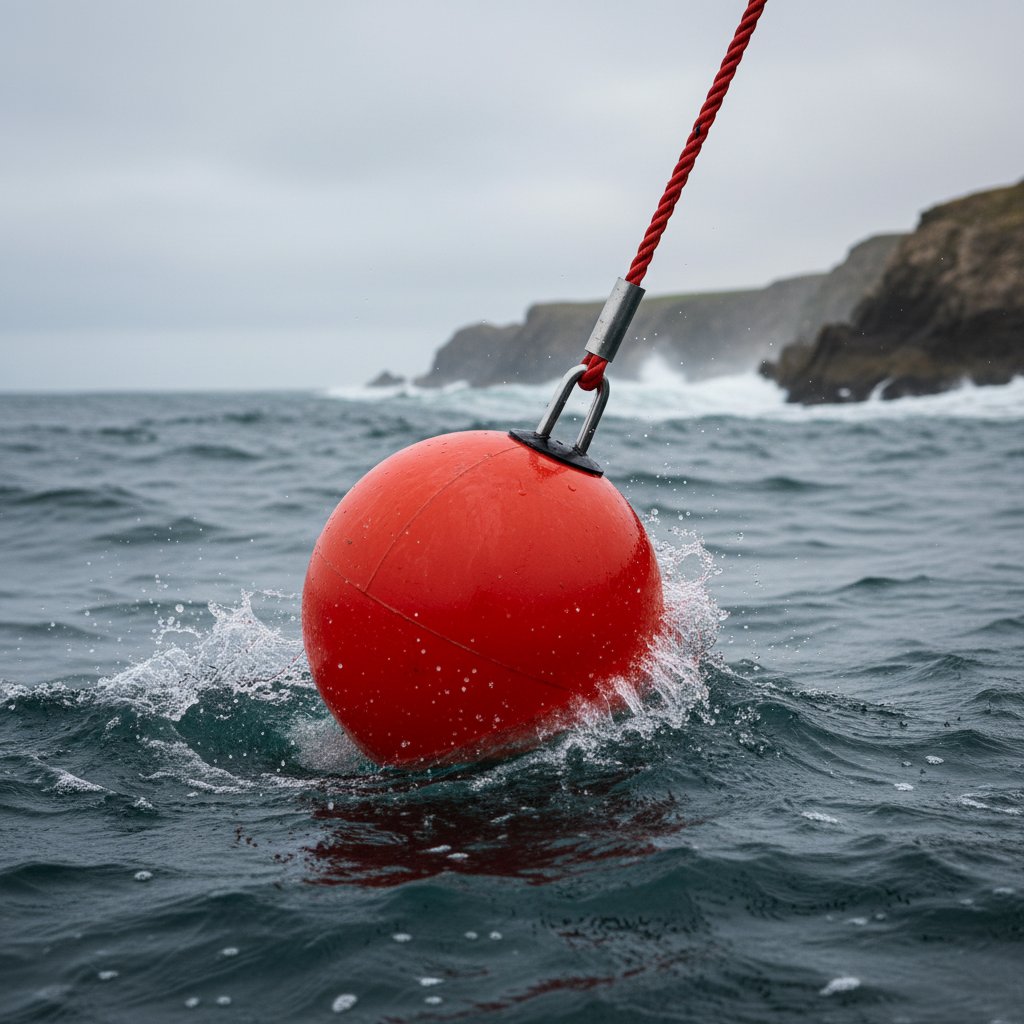
Buoy ropes excel in a range of scenarios. For permanent moorings, they link heavy buoys to concrete blocks or anchors, providing a fixed spot for your vessel in busy harbours. Temporary markers, such as those for races or dive sites, require quick-setup lines that withstand short-term abuse from passing boats or waves. In both cases, critical connection points—where the rope meets the buoy or hardware—face constant rubbing and pulling. That's where a *rope thimble* proves its value, slipping into the eye to guard against the sharp edges of rings or chains that could otherwise slice through fibres over time. I recall setting up a marker buoy for a fishing spot once; without protection, the line wore thin after just a few days of tidal swing. Ever dealt with a drifting marker that cost you hours? Proper buoy rope setup avoids that frustration. *Thimbles are essential at these critical connection points to prevent premature wear and failure.*
Selecting the Right Materials for Your Needs
When choosing the *best rope for a buoy line*, start with the job at hand. Polypropylene floats effortlessly, making it perfect for marker buoys where you want the line visible on the surface to avoid props or keels—its lightweight build handles lighter loads without sinking. For heavy-duty moorings, sinking options like nylon or polyester pull taut underwater, gripping better in strong currents and offering superior strength for larger vessels swinging in the wind. Both materials prioritise UV resistance to protect against sun damage, which can brittle ropes left exposed for months; look for additives that extend life by years in direct sunlight. Polypropylene's buoyancy keeps things tidy on top, while nylon's slight give absorbs tidal pulls, preventing overload. What kind of buoys are you rigging—light markers or robust docks? *Material choice directly impacts performance and longevity.*
- Floating Polypropylene - Ideal for surface-visible markers, resists waterlogging and floats to prevent underwater hazards.
- Sinking Nylon/Polyester - Suited for deep moorings, provides abrasion resistance and holds position against strong flows.
- UV-Protected Builds - All options include stabilisers to maintain integrity through prolonged sun exposure.
Integrating Thimbles for Lasting Performance
Thimbles aren't merely add-ons here; they transform buoy ropes into durable workhorses by shielding the eyes from the grind of constant motion. In dynamic waters, where tides yank lines up and down, unprotected loops flatten and fray against buoy fittings or rocks. The thimble maintains the loop's circular shape, spreading *tidal loads* evenly so no single fibre takes the brunt—think of it as a smooth sleeve that lets the rope flex without fatigue. This setup is especially critical during surges, where forces can spike suddenly, ensuring the connection distributes pull without weak spots forming. *This enhanced durability is essential for continuous marine exposure.*
Tailored Solutions from iRopes
For wholesale buyers in yachting or defense, iRopes crafts buoy ropes to exact specifications. We adjust lengths from 20 to 200 feet, customise diameters to match specific loads, and add thimbles or shackles as needed. We can incorporate your branding on packaging or even weave custom colours for easy identification on the water. Our facilities ensure every piece meets global standards, with options like reflective strands to boost visibility at night. This level of *personalisation* means your buoys stay put, whether in a marina or on a naval exercise. *iRopes offers comprehensive OEM and ODM services for all your custom rope requirements.*
Of course, even the finest buoy rope demands careful handling to thrive in salty, sun-baked conditions. This turns our attention to the techniques that keep it all together and ensure its longevity.
Splicing, Installation, and Maintenance of Thimble-Equipped Marine Ropes
Those buoy ropes we just discussed might be top-notch, but they won't last if you skip the right setup and upkeep. Getting into the nitty-gritty of splicing and caring for thimble-equipped lines is where *real reliability* kicks in—it's like giving your gear a solid backbone against the sea's constant grind. Let's walk through how to make these connections bulletproof and keep them that way over time.
The Art of Professional Splicing
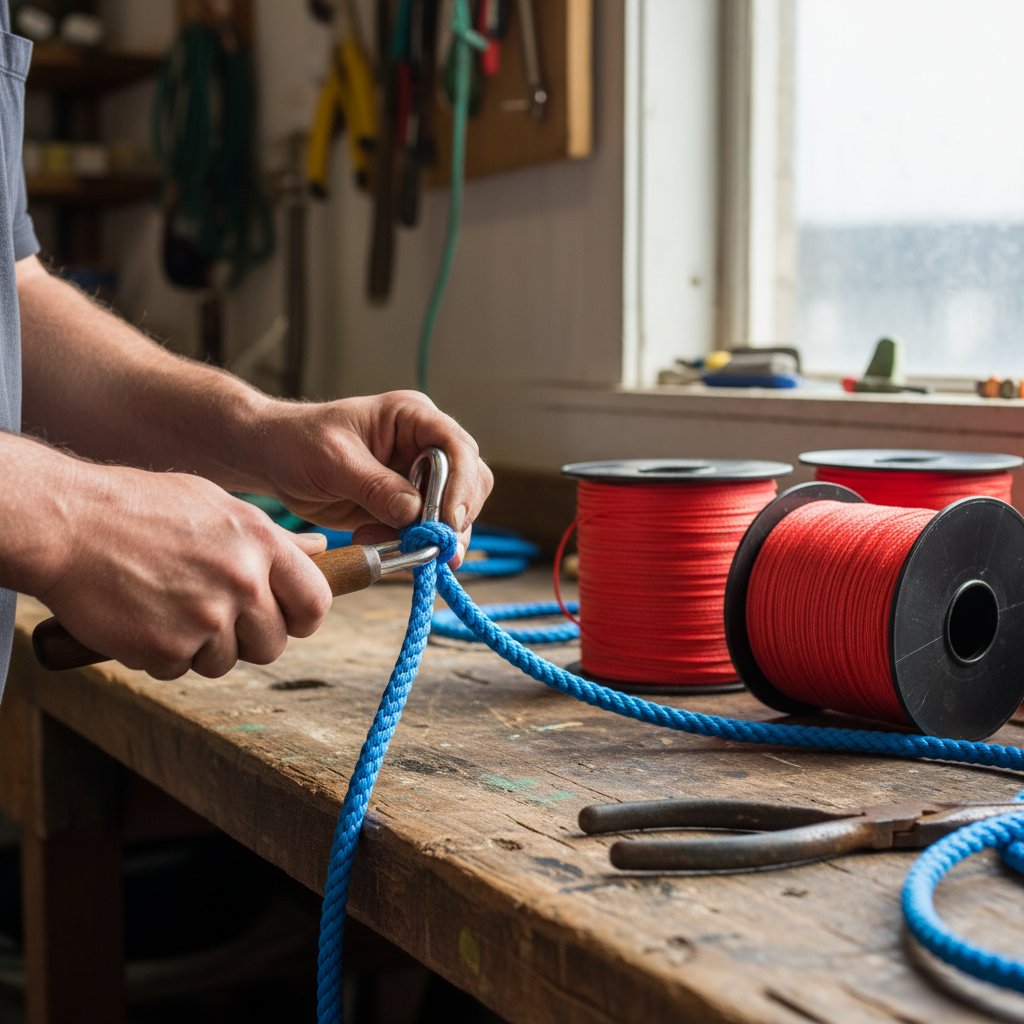
Splicing isn't a complex trick; it’s the hands-on way to weave a rope's end back into itself around a thimble, forming a loop that hugs the metal without slipping. This creates what's called a *soft eye*, which is far stronger than any knot because it doesn't crush the fibres. Instead, it allows them to share the load evenly. Under tension, a spliced eye with a thimble can hold 90-95% of the rope's full strength, whereas knots might halve it right at the pinch point. I learned this the hard way on a charter trip when a makeshift bowline gave out in a squall; switching to splices made all the difference. For anchor or buoy setups, start by selecting a thimble that matches your rope diameter. Then, use a fid tool to thread the strands through, tapering them for a smooth bury. Pull it tight, and you've got a connection that flexes with the waves instead of fighting them. What if you're not handy with tools? Professionals handle it seamlessly, ensuring no weak spots form where snaps are most likely. *Professional splicing is vital for maximum strength retention.*
Key Inspection Criteria for Safety
Regular checks catch issues before they turn critical, especially for thimble-equipped ropes exposed to saltwater and sun. Look for chafe where the line rubs against hardware—fuzzy strands or flattened spots signal trouble. *UV degradation* manifests as faded colour or brittleness, weakening the core over months of exposure. And don't overlook the thimble itself: cracks or pitting indicate corrosion, reducing its protective role. How often should you inspect or replace your marine ropes and thimbles? Aim for monthly during heavy use, or at least before each season—swap out if wear exceeds 10% of the rope's thickness, as that's when strength drops rapidly. A quick once-over after every outing, feeling for soft spots or loose thimbles, keeps surprises at bay. In my experience, ignoring a small fray once led to a full replacement; now, I treat it like checking tyres before a road trip. *Proactive inspection saves ropes and prevents mishaps.*
Maintenance Best Practices
Keeping your anchor and buoy ropes in fighting shape starts with gentle cleaning: rinse off salt with fresh water after use, avoiding harsh chemicals that can damage synthetics. Dry them fully in shade to avoid UV exposure, then store coiled loosely in a cool, dry spot—never cramped, as that kinks fibres. For replacement, factor in usage: lines in constant moorings might need swapping every 1-2 years, while occasional ones last 3-5 years. Whipping ends prevents unravelling, and logging inspections helps track wear patterns. *Diligent maintenance significantly extends the lifespan of your marine ropes.*
Quick Maintenance Tips
Rinse after saltwater exposure, store away from sunlight, and inspect for wear monthly to extend life and ensure safe pulls every time.
iRopes' Support for Custom Needs
When you need ropes built to specification, iRopes steps up with *OEM and ODM services* that bake in your designs from the start—think branded colours, exact lengths for your buoys, or reinforced splices. We safeguard your ideas with full *Intellectual Property (IP) protection*, then ship pallets worldwide on time, all at competitive rates. This means wholesale fleets receive durable, tailored gear that fits like a glove, ready for the rigours ahead. *Our custom solutions empower businesses to elevate their brands. *
Putting these steps into play not only saves your setup from early failure but underscores just how thimbles and smart care transform everyday boating into something truly secure.
Integrating a rope thimble into your marine setup dramatically boosts durability by shielding against chafe at critical connection points, like eyesplices in anchor lines or buoy attachments. For an anchor line with thimble, proper splicing—unravelling the end, weaving around the thimble with a fid, and securing—distributes loads evenly, retaining 90-95% of the rope's strength and preventing unexpected snaps during storms. In permanent moorings, thimbles ensure buoy rope for boat handles tidal pulls without fraying; stainless steel options offer superior corrosion resistance for long-term reliability in harsh environments. Regular inspections for wear, UV damage, or pitting, combined with fresh water rinses and shaded storage, extend lifespan—check monthly during heavy use to stay safe on the water.
These practices, from material choices like nylon for shock absorption to the *7:1 scope rule*, empower boaters with secure, high-performance systems. If you're a wholesale customer seeking tailored OEM solutions from iRopes, including custom diameters, branding, and global shipping, our personalised guidance can refine your setup for yachting or defence needs. We are your strategic partner, offering comprehensive customization and *IP protection* for tailored rope solutions.
Need Custom Thimble-Equipped Ropes? Get Expert Advice
For those wanting more personalised help with thimble integration, installation, or maintenance tailored to your marine applications, fill out the inquiry form above—our iRopes team is ready to assist with durable, custom solutions. *Contact us today to elevate your marine operations with our expertise.*