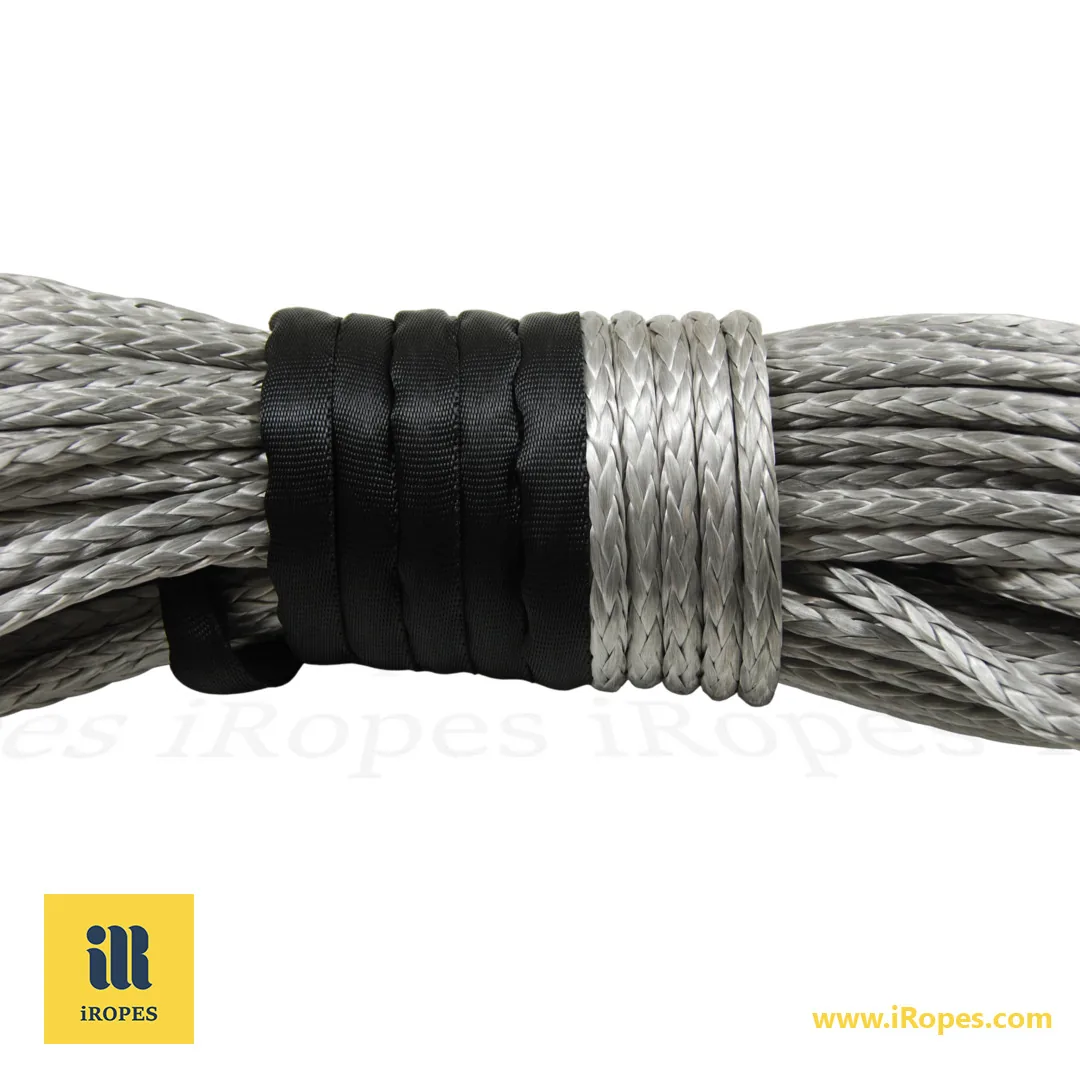
⚠️ Dinghy lines sabotage your sail when they stretch up to 5% under load or degrade 20% from UV exposure, turning precise control into sloppy delays. iRopes' custom Dyneema SK78 ropes limit elongation to just 0.76% at 20% breaking load, restoring speed and safety in seconds.
In 12 minutes, you'll master dinghy line pitfalls and solutions:
- ✓ Spot hidden failures like chafe-induced snaps that risk 30% premature wear, gaining knowledge to inspect gear proactively.
- ✓ Select optimal materials such as Dyneema for 15x steel strength, acquiring skills to match ropes to halyards or sheets for peak responsiveness.
- ✓ Size precisely for your craft, using 3-6mm diameters to handle 800-1500 daN loads without bulk, solving weight drag in races.
- ✓ Customise with iRopes for colour-coded, pre-spliced lines that cut setup time by 50%, ensuring tailored safety and branding.
You think your dinghy lines are just ropes holding everything together—until a sneaky stretch during a tack drops your speed by irreplaceable seconds, or UV-weakened fibres snap mid-gust, turning triumph into terror. What if ordinary gear is the real culprit in your sailing setbacks, not the wind or waves? Dive in to uncover how iRopes' precision-engineered solutions flip sabotage into seamless command, revealing the custom tweaks that elite sailors swear by for unbreakable performance.
How Dinghy Line Failures Secretly Sabotage Your Sail
Picture this: you're out on the water, wind filling your sails, and everything feels perfect. Then, in a split second, your dinghy control line stretches just a bit too much. Suddenly, your precise adjustments turn sloppy, and you're losing ground in the race. We've all heard stories like that—or perhaps experienced one. It's frustrating, isn't it? These small rope issues can quietly undermine your entire sail. Let's delve into how dinghy line failures can sneak up on you and throw off your performance without warning.
One of the sneakiest culprits is excessive stretch in your lines. When a dinghy line isn't built to hold its shape under tension, it elongates, making every tweak to your sails feel delayed and imprecise. In the heat of a dinghy race, where split seconds count, this means slower acceleration and harder times catching the wind precisely. Imagine trying to fine-tune your jib while the line gives way like an old rubber band—your speed drops, and competitors slip past. Low-stretch materials are key here. Without them, you're fighting the gear more than the water.

Then there's chafe and abrasion, the silent killers of rope lifespan. As your dinghy line rubs against hardware, blocks, or even the boat's edge during sharp tacks, tiny fibres break down. Before you know it, that once-strong line thins out, raising the chance of a snap right when you need it most—like during a gybe in gusty winds. I've seen sailors pull through because they caught the fuzzing edges early. Ignore it, though, and you're courting disaster. Regular checks can spot this wear, but cheap lines accelerate the problem significantly.
Poor material choices amplify these risks on the water. Lines that degrade under UV rays lose strength over time, becoming brittle after just a few sunny outings. Worse, if they absorb water like a sponge, they gain unwanted weight, dragging your boat's responsiveness. Safety takes a hit too—what starts as a minor soak can lead to slippage or outright failure in rough conditions. Consider this: do you really want your dinghy rope turning heavy and weak when waves are crashing around you?
- Identification confusion from poor colour coding – In fast-paced sailing, grabbing the wrong line can delay your response, like fumbling for the vang amid a sudden gust, costing you control and position.
- UV degradation effects – Sun exposure weakens fibres, reducing breaking load by up to 20% over months, according to industry tests on subpar synthetics.
- Water absorption pitfalls – Some ropes swell and stretch when wet, altering handling and increasing fatigue during prolonged outings.
Beyond the physical wear, a lack of clear identification adds to the chaos. Without smart colour coding or markings, lines blend together in the spray and motion, slowing your grabs during dynamic shifts. Have you ever hesitated mid-manoeuvre, wondering if that's your sheet or outhaul? It happens more often than you'd think, turning smooth sailing into a scramble. These hidden issues don't just annoy—they erode your confidence and competitive edge on the water.
Spotting these failures early can save your sail, but it all points back to making better choices from the start. What if your dinghy lines were engineered to sidestep these traps from the very beginning?
Selecting Durable Dinghy Rope Materials and Constructions to Avoid Pitfalls
Those sneaky line failures we just discussed are often rooted in subpar materials or build quality that simply can't keep up with the rigorous demands of dinghy sailing. However, by flipping the script and choosing the right dinghy rope materials and constructions, you can transform potential disasters into reliable performance. Let's explore what works best, drawing from real-world sailing needs where every knot counts.
When it comes to materials for dinghy control lines, Dyneema SK78 stands out for its incredible strength-to-weight ratio and minimal stretch. Think of it as the backbone that keeps your adjustments crisp, even under heavy load. It's also hydrophobic, meaning it repels water so your lines don't bog down when sprayed. On the other hand, Polyester shines with its tough abrasion resistance and solid grip in cleats, making it a go-to for sheets where you need that extra hold without slipping. I've personally swapped out a soggy old line for one with these properties on a windy afternoon, and the difference in handling was night and day—no more fighting feedback through the tiller!
Dyneema SK78
Low Stretch Powerhouse
Ultra-High Strength
Delivers up to 15 times stronger than steel by weight, ideal for halyards bearing sail tension without bulk.
Minimal Elongation
Stretches just 0.76% at 20% of breaking load, ensuring precise control in racing bursts.
Water Repellent
Resists absorption, keeping weight low and performance steady in wet conditions.
Polyester
Abrasion-Resistant Workhorse
Superior Grip
Holds firm in blocks and cleats, perfect for sheets during quick tacks.
UV Stable
Maintains integrity under prolonged sun exposure, outlasting cheaper alternatives.
Balanced Durability
Resists chafe from hardware, extending life in everyday dinghy use.
Now, construction matters just as much—it dictates how these materials work together. Double braid ropes, featuring a strong core wrapped in a protective cover, offer balanced handling that's forgiving yet responsive. They are great for mixed racing and cruising. Single braid constructions, often made with lightweight Dyneema, cut down on bulk for pure speed in competitive setups, and can be easily stripped if you desire even less weight aloft. What defines a high-performance dinghy rope? It's that combination of ultra-low elongation under load, like the 0.76% figure for Dyneema, paired with features that shrug off water and wear. Have you ever wondered why some lines feel lively in your hands while others drag? It's this engineering that makes the difference, keeping your small craft nimble.

For small craft like dinghies, lightweight options with those hydrophobic traits are a significant advantage. They remain agile even after a dunking, without the drag of waterlogged gear. Pair that with the right build, and you're set to tackle gusts without those old pitfalls creeping back into your performance. Of course, all this shines its brightest when the diameter of the rope matches your setup perfectly.
Optimising Dinghy Control Line Sizing and Applications for Peak Performance
With the right materials and constructions in place, selecting the precise size truly unlocks that responsive feel on your dinghy. We've discussed how low-stretch options like Dyneema keep things taut. Now, imagine pairing that with a diameter that fits your exact setup—suddenly, every pull feels intuitive, not forced. For small craft, diameters between 3mm and 6mm strike the ideal balance for most needs, handling loads without adding unnecessary bulk that could slow you down. Choosing the correct one boils down to matching the breaking load (BL)—measured in daN, or decaNewtons—to your dinghy's class and the anticipated stresses involved. A Laser, for instance, might require 4mm lines with a BL around 800 daN for sheets, while a heavier setup like a 470 could push towards 6mm, managing 1500 daN to safely handle bigger gusts.
This process involves calculating the peak forces your rigging faces, often by doubling the sail area's wind load, to avoid under-speccing and risking a mid-race failure. Accurate sizing helps maintain the integrity of your small boat rigging.
Halyards
Use 4-5mm for efficient hoisting, robustly supporting up to 1200 daN without stretch that might cause sail sag in puffs.
Sheets
Opt for 3-5mm to ensure quick trims, with grip that holds even in wet hands during tacks—think 600-1000 daN for effective jib control.
Vangs
Go 4-6mm for shaping the boom, delivering 900-1400 daN to keep your mainsail powered without twisting in high winds.
Mooring & Towing
5-6mm for pennants and bridles, absorbing shocks up to 2000 daN while staying light for easy handling at the dock or during a tow.
Stocking an essential rope inventory for dinghy sailing means covering the basics without overload. Start with colour-coded control lines for sheets and halyards. Then, add mooring pennants in a bold red for visibility and towing bridles in durable 5mm for those occasional pulls. Colour systems significantly speed things up; a blue sheet versus a green vang allows you to grab and go in choppy seas, eliminating confusion that could cost you a mark rounding. I remember rigging a friend's Optimist with mismatched lines once—it was a total mess until we added stripes and hues that matched the fittings. Have you checked your own setup lately? Organising your lines carefully is worthwhile, particularly when space is tight on a dinghy.

Applying these principles transforms your sailing. Halyards hoist sails smoothly without sagging, sheets respond instantly to trim for speed bursts, and vangs lock in that perfect shape to harness the breeze fully. Over time, however, even the best lines require attention to maintain their optimal performance.
Custom Dinghy Solutions and Maintenance to Safeguard Your Sailing
Even with spot-on sizing and applications dialled in, your dinghy lines won't last forever without thoughtful upkeep. But what if you could start with ropes tailor-made for your setup, cutting down on wear from the outset? That's where tailored solutions come in, letting you sidestep common headaches while keeping everything running smoothly. At iRopes, we specialise in crafting these custom dinghy ropes to precisely fit wholesale needs, transforming generic gear into something that feels like an extension of your boat.
Our comprehensive OEM and ODM services mean you get dinghy control lines prepped to your exact specifications. This includes precise lengths that match your rigging without excess, vibrant colours for easy spotting in low light, and sturdy terminations like spliced eyes that won't unravel mid-use. For instance, pre-spliced sheets save hours on the dock, and branding options allow you to feature your logo right on the line for that professional touch. And yes, dinghy ropes can absolutely be customised, right down to colour-coded cores that help you differentiate lines at a glance or reflective strips woven in for better visibility during dusk runs. It's these details that make handling safer and faster, particularly when you're juggling multiple tasks on a small craft.
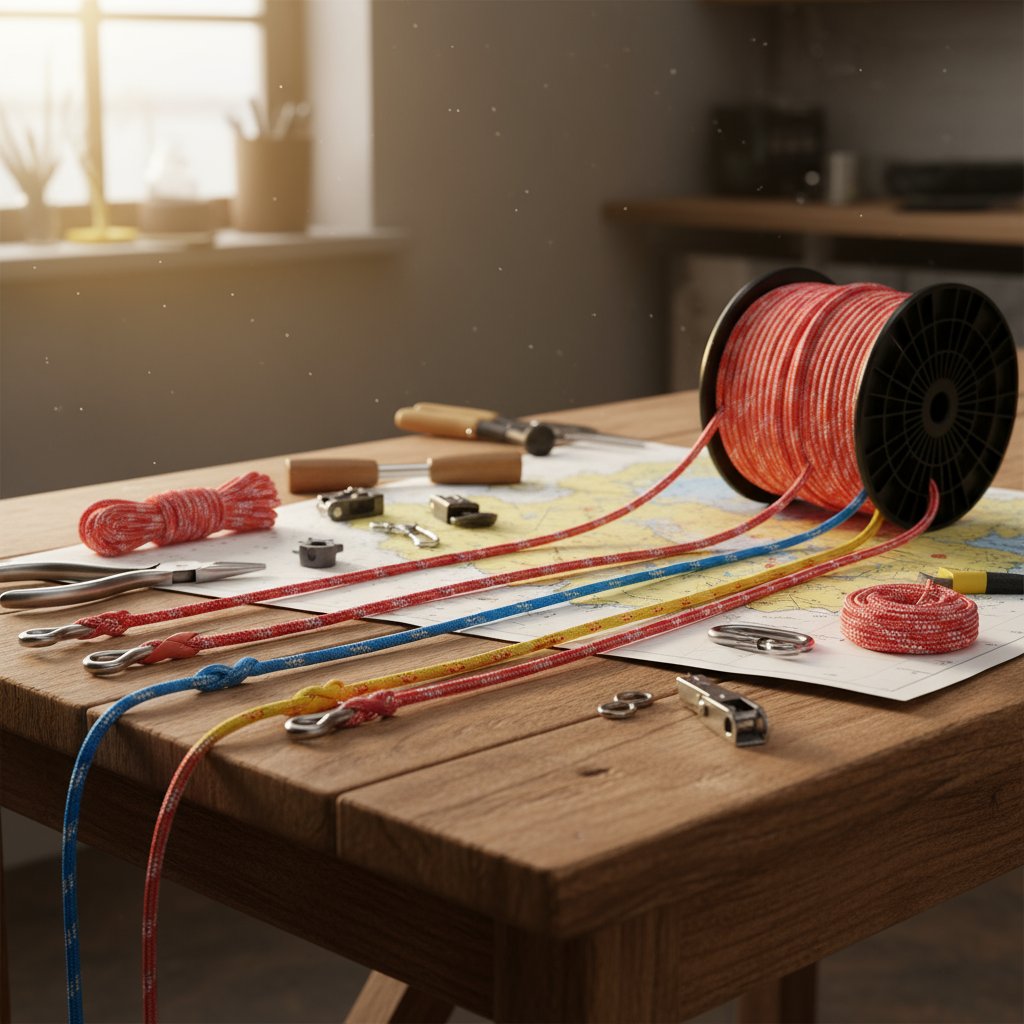
To keep those custom lines performing season after season, simple habits go a long way. Rinse them with fresh water after every saltwater outing to wash away corrosive salts—nothing harsh, just a gentle hose-down followed by a drip-dry in the shade. For storage, coil them loosely and hang in a cool, dry spot away from direct sun; tight knots or damp corners can invite mildew or weakening. Chafe is the significant enemy, so inspect for fuzzy spots regularly and cover sharp edges with tape or sleeves during rough hauls. I once skipped a quick rinse after a choppy day, and my lines stiffened up overnight—lesson learned: a little care doubles their life without much effort.
- Rinse after use – Removes salt buildup that erodes fibres over time, keeping grip and strength intact.
- Coil properly – Avoids kinks that can weaken the core, ensuring smooth runs through blocks.
- Inspect routinely – Catch early wear to prevent snaps, extending usability for years of sails.
For wholesale buyers, teaming up with iRopes brings added benefits, such as our ISO 9001 certification. This guarantees every batch meets rigorous standards, ensuring your small boat rigging remains reliable. We maintain competitive pricing for bulk orders without compromising on quality, and our IP protection safeguards your unique designs from copycats. Furthermore, our efficient shipping solutions ensure that your pallets arrive on time, ready to equip fleets or stock shelves globally. What could be better than gear that not only lasts but also elevates your entire operation?
Putting it all together—custom builds, smart care, and solid support—means your sailing shifts from risky guesswork to confident control, ready for whatever the water throws next.
From the sneaky stretch and chafe that undermine your dinghy line performance to the vital role of low-stretch Dyneema SK78 and abrasion-resistant Polyester, upgrading your setup can transform chaotic sails into precise, confident outings. With proper sizing from 3mm to 6mm for halyards, sheets, and vangs—plus colour-coded systems for mooring pennants and towing bridles—your essential rope inventory stays organised and lightweight. iRopes' custom dinghy rope solutions, backed by maintenance tips like rinsing after use and routine inspections, ensure longevity and safety, elevating your small boat rigging without the hidden risks.
Ready to tailor high-performance dinghy control lines for your next adventure? Connect with our specialists for personalised guidance.
Customise Your Dinghy Sailing Gear Today
If the insights above have sparked ideas for your specific dinghy needs, the inquiry form above is your direct line to iRopes' experts. They'll help craft bespoke solutions to boost your performance on the water.