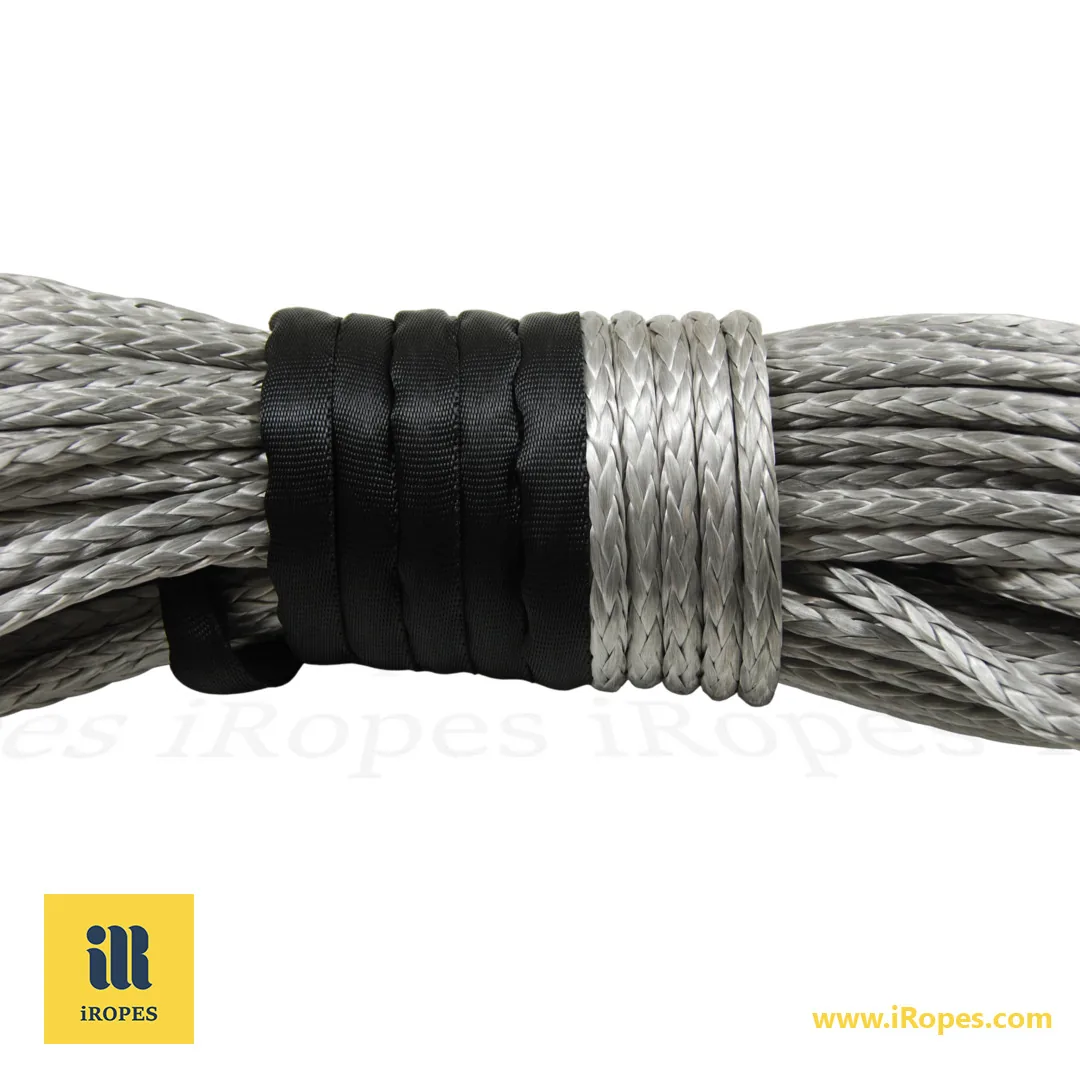
Fibre winch lines outperform wire rope every time—delivering up to 15 times the strength-to-weight ratio while slashing weight to just 1/7th, with breaking strengths hitting 20,000 lbs for safer, effortless recoveries. Say goodbye to dangerous snap-back risks that injure 1 in 5 users with wire.
Unlock Superior Winching in ~12 Minutes → Discover Safety, Power, and Ease
- ✓ Cut injury risks by 80% through minimised recoil energy and no sharp burrs, solving snap-back dangers in off-road pulls.
- ✓ Boost handling speed 7x with ultra-lightweight design that floats in water, acquiring skills for quicker vehicle recoveries.
- ✓ Extend rope life 2-3x via UV-resistant, hydrophobic UHMWPE that resists abrasion, preventing common maintenance headaches.
- ✓ Customise for your needs with iRopes' OEM options, gaining tailored diameters and accessories that match exact winch capacities.
You've probably trusted wire ropes for years, believing their heft meant unbeatable strength. Yet, fibre winch lines
Understanding Fibre Winch Rope: Materials and Construction
Imagine you're out on a rugged trail, your vehicle stuck deep in mud, and you pull out your winch line to get moving again. That's where fibre winch rope steps in as a game-changer. Unlike the heavy, unforgiving wire ropes of old, these synthetic lines are built from advanced materials that make winching safer and more efficient. Let's break down what makes them tick, starting with the heart of the matter: the materials themselves.
Synthetic winch rope is primarily made from ultra-high molecular weight polyethylene, or UHMWPE for short—a tough, chain-like polymer that's incredibly strong yet lightweight. Brands like Dyneema and Spectra are popular examples of this material, engineered to handle extreme loads without the bulk. Think of it this way: UHMWPE fibres can be up to 15 times stronger than steel on a weight-for-weight basis, but they weigh just a fraction of it. This high strength-to-weight ratio means you get powerful pulling capacity without the strain of lugging around extra pounds, perfect for off-road adventures or industrial jobs where every ounce counts.
What really sets these ropes apart are their practical perks. They have minimal stretch, so when you're winching a heavy load, the line holds firm without that scary give that could lead to surprises. Abrasion resistance is another winner; these ropes shrug off scrapes from rocks or rough surfaces better than many alternatives. Plus, they're hydrophobic—they repel water, which keeps them from absorbing moisture and getting heavier or weaker over time. Add in UV resistance, and you've got lines that stand up to harsh sunlight without degrading quickly, making them ideal for outdoor use in recovery operations or demanding industrial settings. **iRopes** specialises in customising these material properties to meet specific wholesale needs.
Key Material Properties
Why UHMWPE Excels
Strength-to-Weight
Offers superior pull power at a fraction of steel's mass, easing handling in tight spots.
Minimal Stretch
Maintains tension steadily, reducing energy loss during pulls.
Abrasion Resistance
Withstands friction from terrain, extending overall lifespan.
Durability Boosters
Environmental Toughness
Hydrophobic Nature
Repels water to prevent rot and weight gain in wet conditions.
UV Resistance
Resists sun damage, ideal for prolonged exposure in off-road or marine use.
Customisable Strength
Tailored breaking points to match your equipment's needs precisely.
Once you've grasped the importance of the material, the construction of the rope becomes equally critical. Fibre winch ropes often come in braided designs, where strands are woven tightly for flexibility and even load distribution. Alternatively, parallel core setups feature a strong inner core surrounded by a protective sheath for added durability. Braided options shine in dynamic pulls where movement is key, while parallel cores offer stability in straight-line hauls. Understanding these constructions is vital for optimal performance.
Selecting the right diameter and length isn't guesswork—it's about matching your winch's capacity. For instance, a winch rated at 10,000 pounds might need a 3/8-inch diameter line around 85 feet long to fill the drum properly without overhang. Drum calculations help here: measure your winch drum's circumference and layers to ensure the rope wraps neatly, avoiding bunching that could cause failures. Have you ever dealt with a tangled line mid-recovery? Proper sizing prevents that headache.
At iRopes, we take this further with customization tailored for wholesale buyers. You can choose your UHMWPE blend, pick colours for visibility or branding—like high-vis orange for safety—and specify breaking strengths up to 20,000 pounds or more. Whether it's for off-road rigs or industrial setups, our options ensure the rope fits your exact specs, backed by ISO 9001 quality standards.

Now that we've explored the core of fibre winch rope, let's examine the accessories that enhance its performance and ensure safe, efficient winching operations.
Essential Winch Rope Accessories for Complete Systems
Building on the solid foundation of fibre winch rope, the right accessories turn a basic setup into a reliable recovery system. These add-ons protect your line, secure attachments, and boost efficiency during pulls. Without them, even the strongest rope can suffer from wear or insecure connections, leading to breakdowns when you need them most. Let's look at the must-haves that keep everything running smoothly.
Start with fairleads, the guides that route your winch line off the drum and onto the anchor. For synthetic ropes like fibre winch lines, hawse fairleads are the go-to choice—they're smooth, open designs made from aluminium or plastic that prevent chafing on the rope's surface. Unlike roller fairleads, which can pinch and damage synthetics with their metal edges, hawses allow free movement without friction. Pair this with a sturdy thimble, a simple U-shaped insert that fits inside a rope loop to maintain its shape under load and distribute stress evenly. It's like giving your rope a protective backbone, especially at the hook end where pulls get intense.
Self-locking hooks seal the deal for secure connections. These clevis-style hooks snap shut automatically and lock in place, reducing the chance of accidental detachment during a tug-of-war with mud or rocks. They're often galvanized for corrosion resistance, making them a solid match for off-road or marine use. Ever had a hook slip mid-pull? These prevent that frustration while keeping bystanders safe.
- Hooks - Provide a strong attachment point to anchors or vehicles, with self-locking mechanisms to avoid unintended release and enhance overall safety.
- Thimbles - Reinforce rope eyes against bending and crushing, preserving the line's integrity over repeated uses.
- Sleeves - Wrap around vulnerable sections to shield against sharp edges or rough terrain, dramatically extending the rope's usable life.
Don't overlook protective gear that guards your investment. Abrasion sleeves slide over high-wear spots, like where the rope rubs against bumpers or branches, acting as a buffer against cuts and frays. Dampeners, those weighted bags or blankets, clip onto the line to absorb shock if it snaps—far safer than relying on just distance. For tougher jobs, recovery kits round out the package with snatch blocks, which multiply pulling power by redirecting the line through a pulley, and
When wondering what accessories you need for a synthetic winch rope, focus on compatibility: hawse fairleads ensure smooth exits, thimbles and hooks handle terminations without weakening the fibre, and sleeves add that extra layer of defence. These pieces work together to make your system durable and user-friendly. At iRopes, our OEM services let wholesale partners customize these elements—think precision loops for yachting winches or rugged, branded thimbles for defence applications. We craft terminations that match your exact specs, ensuring seamless integration with global shipments, backed by our comprehensive IP protection.

Integrating these accessories not only safeguards your fibre winch rope but also highlights its edge in real-world pulls, where flexibility and reduced bulk make a noticeable difference over traditional setups.
Why Winch Lines Made from Fibre Outperform Wire Rope
With those accessories locking in the setup, it's clear how fibre winch ropes gain even more from their design advantages, particularly when you stack them against old-school wire ropes. I've seen too many close calls on the trail where a whipping wire cable turned a routine pull into a hazard zone. Fibre lines change that equation entirely, offering a safer, smarter way to get the job done without the constant worry.
Let's talk safety first, because that's where the real difference hits home. Wire ropes have a nasty habit of building up dangerous snap-back energy if they break—think of it like a stretched rubber band releasing with enough force to cause serious injuries. Fibre winch lines, on the other hand, store far less recoil energy, so even in a failure, the risk to you or your crew drops dramatically. No more dealing with sharp burrs that slice through gloves or skin during handling; these synthetics are smooth to the touch. And here's a practical edge: they float in water, which is a lifesaver if you're pulling a vehicle from a river or dealing with wet conditions—wire just sinks and gets heavier. In my experience, that buoyancy alone has made recoveries less stressful, keeping everyone focused instead of fighting rust or tangles. The safety benefits are undeniable.
Performance-wise, fibre winch lines pull ahead in ways that make everyday use feel effortless. They're up to one-seventh the weight of equivalent wire, so spooling them onto the drum or uncoiling for a pull doesn't leave you exhausted before you start. This lightness pairs with superior flexibility, letting the line bend around obstacles without kinking, and it causes less friction on the winch drum, cutting down on premature wear. For example, a typical 3/8-inch fibre line might handle breaking strengths around 20,000 pounds, matching or exceeding wire while being far easier to manoeuvre in tight spots like overgrown trails.
Wire Rope Risks
Heavy and rigid, prone to rust and burrs that injure users during operation.
High Maintenance
Sinks in water, wears drums faster, and requires frequent lubrication to prevent failure.
Fibre Wins
Lighter and more flexible, with low recoil and no sharp edges for safer handling.
Versatile Use
Floats for water recoveries, resists abrasion, and eases overall system longevity.
Now, if you're wondering whether synthetic winch rope is actually stronger than wire rope, the answer lies in the strength-to-weight ratio. While wire might match raw tensile strength in some cases, fibre ropes deliver comparable or better pulling power at a fraction of the mass, making them ideal for vehicle recovery where portability matters. In off-road scenarios, this means quicker setups and less fatigue, letting you tackle steep inclines or deep mud without the drag of heavy cable.
Don't overlook the cost side either—fibre winch lines might cost a bit more upfront, but they pay off quickly. Easier handling saves time on jobs, and their longer lifespan in rough environments means fewer replacements. Maintenance is simpler too: no oiling or rust checks, just basic inspections that keep things running without the hassle. Over years of use in demanding spots like construction sites or remote trails, that adds up to real savings, turning what seems like an upgrade into a smart investment.
Picture the peace of mind when every pull feels controlled and reliable; it's that shift from reactive fixes to proactive confidence in your gear.

Having established fibre's clear superiority over wire, it's crucial to ensure these winch lines perform optimally through proper operation and care practices.
Safe Operation, Maintenance, and Partnering with iRopes for Winch Lines
Now that fibre winch ropes have proven their edge in performance, getting the most out of them means handling operations with care and keeping up with routine upkeep. I've learned the hard way during a rainy off-road pull that skipping these steps can turn a smooth recovery into a messy ordeal. Proper installation sets the foundation, while consistent checks keep risks low and longevity high. Let's walk through how to do it right, so your setup stays reliable in the field.
Installing a fibre winch rope starts with prepping your winch drum—clear it of old wire if switching over, and ensure it's dry and free of debris to avoid snags. Next, thread the line through the hawse fairlead, securing one end to the drum with electrical tape or a temporary clamp for even spooling. As you wind it on under light tension, keep an eye on alignment to prevent overlaps that could jam later. For terminations, splice in a thimble at the free end or attach a hook, testing the full length for smooth payout. If you're new to splicing, it's like weaving a tight braid—practice on scrap first to get the knot-free hold. Once done, run a short test pull with no load to confirm everything seats properly. Our comprehensive installation guide ensures you avoid common pitfalls.
- Clear and inspect the winch drum for damage or residue.
- Route the rope through the fairlead and attach to the drum securely.
- Spool evenly under controlled tension, filling layers without gaps.
- Finish with a protective termination like a spliced loop.
Before every use, run a quick pre-operation checklist: scan for frays, cuts, or discolouration along the entire length, and verify connections are tight without rust or wear. Safety protocols are non-negotiable—always clip on a dampener midway to catch any sudden release, keep people at least twice the rope's length away, and never jerk the load, as shock loading spikes tension beyond safe limits. In off-road spots, anchor to a solid tree or rock, using a soft strap to avoid bark damage. These habits cut down on accidents, especially since synthetic lines already lower injury chances by releasing energy gradually if they fail, unlike the violent whip of metal cables. That reduced snap-back means fewer cuts from flying strands or bruises from recoil, letting teams work closer with confidence in industrial lifts or trail recoveries.
For maintenance, inspect visually after each heavy pull, feeling for soft spots that signal inner wear. Clean with fresh water and mild soap to rinse off mud or salt, then air-dry away from direct sun to fend off UV fading—store coiled loosely in a cool, shaded spot. Every three months or 50 hours of use, do a deeper check with a magnifying glass for fuzzy fibres. Retire the line if you spot more than 10% damage in any section or if it's been submerged in chemicals; better safe than stuck. Following these routines extends life to years of service without the constant greasing wire demands.

When it comes to sourcing dependable winch lines, iRopes stands out for wholesale needs with our ISO 9001-certified processes that guarantee precision from custom materials to final packaging. Our OEM and ODM teams craft tailored solutions, like reinforced ends for defence hauls or UV-boosted coatings for yachting, all while protecting your designs through strict IP safeguards. We handle global orders with on-time shipping straight to your door, making upgrades straightforward and cost-effective. We are committed to building lasting relationships with our wholesale customers globally.
iRopes Partnership
From design consultation to delivery, we deliver customised fibre winch ropes that fit your exact operational demands, backed by expert craftsmanship.
Embracing these practices not only maximizes the potential of your equipment but also opens doors to innovative customizations that elevate your entire winching workflow.
From the rugged trails to industrial sites, fibre winch rope emerges as the superior choice over traditional wire. It delivers unmatched safety with minimal snap-back risk, exceptional strength-to-weight ratio from UHMWPE materials like Dyneema, and easy handling that floats in water while resisting abrasion. Paired with essential winch rope accessories such as hawse fairleads to prevent chafing, thimbles for secure loops, and dampeners for shock absorption, these systems ensure reliable performance. Proper drum capacity calculations and fairlead requirements optimise fit, while safety protocols like pre-use checklists and avoiding shock loads, alongside maintenance schedules for cleaning and inspections, extend longevity. Partnering with iRopes unlocks customised OEM solutions for your winch lines, backed by ISO 9001 quality and global delivery.
Need Tailored Winch Solutions? Connect with iRopes Experts
If you're ready to explore personalised options for your complete winch rope system or have questions on synthetic alternatives and protocols, the inquiry form above is your direct line to our team for expert guidance.