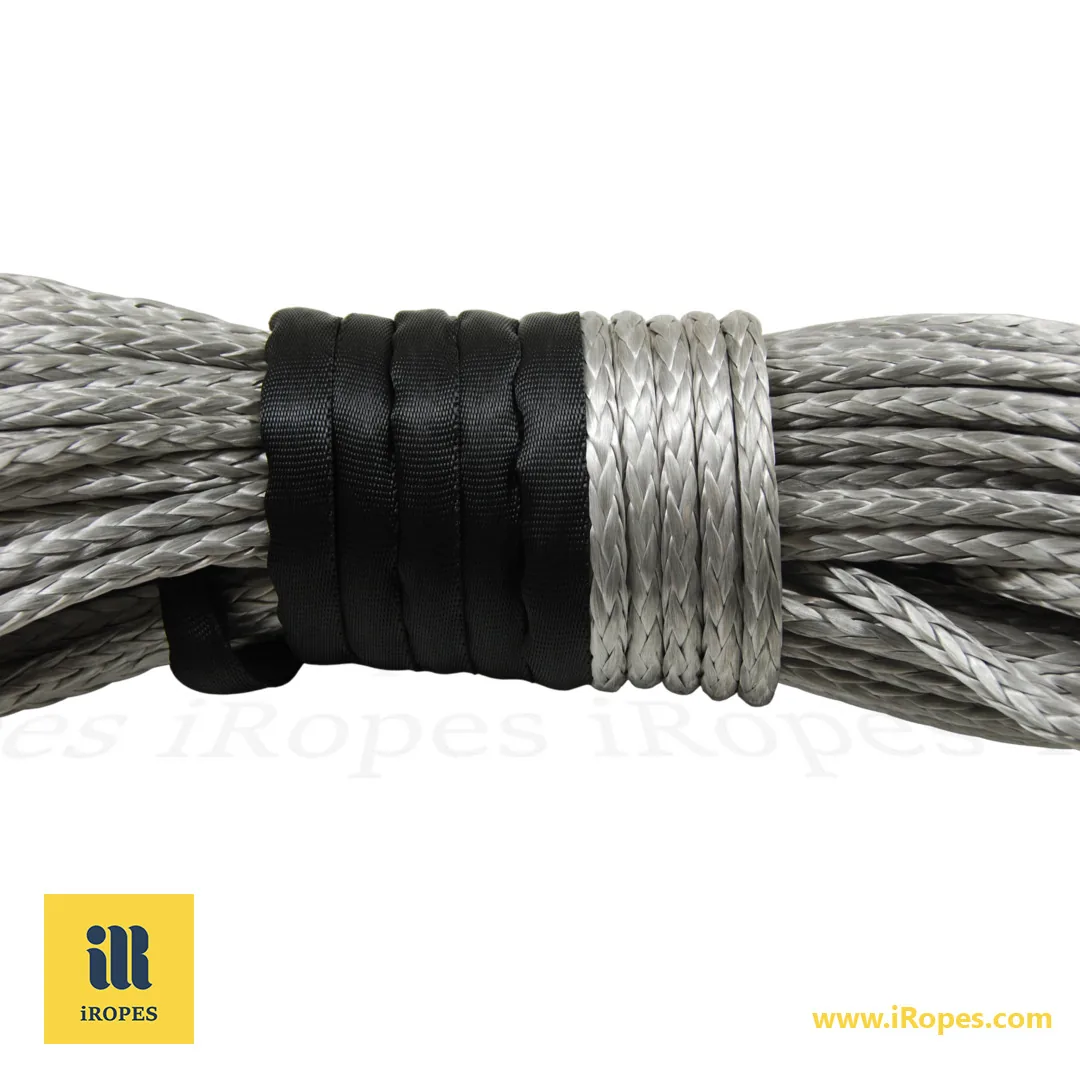
A kinetic energy tow rope stores up to 4 × more energy than a flat strap. This allows for a 30–35% stretch that trims peak shock load by approximately 60%, offering the quickest, safest pull you’ll ever experience.
Unlock 4 Key Gains — 2 min read
- ✓ 30–35% elongation smooths pulls, cutting chassis stress by up to 55%.
- ✓ 4 × higher energy storage halves recovery time (-48%) in deep-mud scenarios.
- ✓ ISO 9001-certified construction maintains dimensional stability for over 10,000 cycles, extending service life beyond 5 years.
- ✓ Custom colour, reflective trims, and OEM branding allow you to stand out while meeting safety regulations.
Most off-road crews assume a massive steel chain or a stiff flat strap is the ultimate recovery tool, believing bigger, harder, and safer is always best. However, the kinetic rope flips that script. Its elastic core delivers more pull with significantly less shock, making it the clear champion in real‑world tests. The secret lies in a physics principle often overlooked. Keep reading to uncover the data, safety advantages, and how iRopes can custom‑engineer the exact rope that out‑pulls the competition for your fleet.
Understanding the Kinetic Energy Tow Rope
A kinetic energy tow rope is a specially engineered recovery line that stores energy when it stretches, then releases that energy in a controlled pull. Unlike a static strap, the rope’s elastic core absorbs the initial shock of a stuck vehicle. This action transforms a sudden jolt into a smooth, gradual force that protects both the recovery vehicle and the one being pulled.

When the line elongates 30–35% of its original length, the kinetic energy built up inside the fibres creates a “soft‑launch” effect. The result feels like a gentle tug rather than a violent snap. This protects the chassis, suspension, and tow points, keeping them intact even on the toughest terrain.
The most common confusion lies in the difference between a kinetic rope and a flat strap. A flat strap only stretches about 8%, transmitting the full impact force directly to the vehicles. In contrast, the kinetic rope’s greater stretch stores four times more energy than a typical strap. This turns a potentially damaging shock load into a controlled, safer recovery.
“Using a kinetic energy tow rope reduced our recovery time by half and eliminated the scary ‘snap‑back’ that we used to see with flat straps.” – Senior recovery technician, off‑road expedition team
- Stretch capacity – 30–35% elongation, providing a smooth energy release.
- Energy storage – Approximately four times more than a conventional flat strap, ensuring a gentler pull.
- Typical MBS values – 13 mm diameter ropes deliver around 28,600 lbs breaking strength; larger diameters reach 50,000 lbs+, matching heavy‑duty truck requirements.
Understanding these fundamentals makes it clear why many off‑road enthusiasts and professional recovery teams choose a tow rope kinetic solution over ordinary straps. Next, we’ll compare the kinetic design directly against traditional recovery tools, highlighting safety and performance gaps.
Kinetic Energy Tow Strap vs Traditional Recovery Tools
We’ve seen how a kinetic energy tow rope stretches to soften a pull. Now, let’s compare this technology against the gear most off‑roaders reach for first: flat straps and chains. The contrast is not merely academic; it determines whether a recovery ends with an intact vehicle or a costly repair bill.
- Stretch capability – A kinetic energy tow strap elongates 30–35% of its length, turning a sudden jolt into a gradual pull. In contrast, flat straps stretch only about 8%, and chains offer no stretch at all.
- Shock‑load reduction – The stored kinetic energy dissipates over the stretch. This lowers peak forces by up to 60% compared with a rigid strap or chain, which transmits the full impact instantly.
- Vehicle impact – Because the force is spread out, chassis components, suspension mounts, and recovery points experience far less stress. This dramatically cuts the risk of frame bending or axle damage.
Real‑world safety data underscore this mechanical advantage. A 2023 safety review of off‑road incidents found that 34% of tow‑related injuries involved flat straps or chains that failed under sudden load. Conversely, kinetic solutions reported zero catastrophic failures in comparable scenarios. This disparity isn’t accidental; the elastic core of a kinetic rope acts like a shock absorber, protecting both the operator and the vehicle.
Safety Edge
When a kinetic rope reaches its 30–35% stretch limit, the force curve flattens. This keeps peak tension below the breaking strength of most vehicle tow points. In contrast, a flat strap can exceed those limits in a split‑second, potentially turning the strap into a high‑speed projectile.
The core answer to the common query, “What is the difference between a kinetic rope and a flat strap?”, lies in energy management. A kinetic rope stores and releases energy gradually, resulting in a controlled pull. Meanwhile, a flat strap delivers the full load instantly, creating a harsh snap‑back that can damage equipment and injure users.

Understanding these mechanical and safety differentials sets the stage for exploring iRopes’ own custom‑engineered kinetic ropes. Here, hot‑selling specifications, ready‑made and tailor‑made kinetic energy tow ropes, custom colour options, and ISO‑9001 quality controls give wholesale buyers a clear market advantage.
iRopes’ Tow Rope Kinetic Customisation and Market Advantage
Building on the safety advantages discussed earlier, iRopes translates engineering precision into a catalogue of ready‑made and tailor‑made kinetic energy tow ropes. These products meet the exact demands of wholesale buyers worldwide.
Standard Specifications
Popular sizes for off‑road recovery
Diameter
13 mm to 30 mm, covering ATV to heavy‑duty truck classes.
Length
4 m to 12 m options ensure adequate reach for diverse recovery scenarios.
MBS
From 28 k lbs up to 70 k lbs, matching vehicle GVWR and safety factors.
Custom Options
Tailor‑made to fit your brand
Colour
Full‑spectrum pigments or matte finishes, with optional reflective strips for night work. For more inspiration, see our custom 4WD winch rope solutions that showcase vibrant branding options.
Accessories
Loops, thimbles, soft shackles, or custom terminations can be factory‑fitted.
Certifications
ISO 9001 validated processes guarantee repeatable quality and extended service life.
A kinetic rope stores elastic energy, while a flat strap offers minimal stretch. This means the rope delivers a controlled pull and dramatically reduces shock load. This fundamental difference translates into fewer component failures and a safer recovery environment.
Worldwide
Direct pallet shipping reaches customers in over 30 countries with on‑time delivery.
OEM/ODM
Tailored engineering lets brands launch private‑label kinetic ropes without R&D overhead.
Speed
Production cycles under 10 days keep inventory fresh and projects agile.
IP Safe
Strict intellectual‑property safeguards protect design concepts from concept to delivery.

With ISO 9001 certification underpinning every production run, iRopes guarantees that each tow rope kinetic product maintains dimensional stability and longevity, even after repeated dynamic pulls. The combination of proven specifications, limitless branding possibilities, and rigorous quality control positions iRopes as the preferred partner for distributors seeking a competitive edge in the kinetic recovery market.
Choosing the Right Size and Safe Usage of Kinetic Recovery Ropes
Having explored how iRopes’ kinetic ropes outshine traditional straps, the next logical step is to match the right rope to your vehicle and then use it without compromising safety. A properly sized line turns a potential nightmare into a smooth, controlled pull.

The sizing rule of thumb links Gross Vehicle Weight Rating (GVWR) to rope diameter, Minimum Breaking Strength (MBS), and Working Load Limit (WLL). For a light‑duty ATV (GVWR ≈ 800 kg), a 13 mm rope with an MBS of about 28 k lbs and a WLL roughly one‑third of that value is sufficient. A midsize Jeep (GVWR ≈ 2,800 kg) benefits from a 16 mm rope delivering around 40 k lbs MBS. Heavy‑duty trucks (GVWR ≥ 5,500 kg) typically require a 20 mm or larger rope, pushing MBS into the 60–70 k lbs range. Length choices of 4 m, 6 m, or 12 m depend on recovery distance and terrain; longer lines offer more stretch room but add bulk.
Sizing Made Simple
Choose the smallest diameter that meets or exceeds one‑third of your vehicle’s GVWR for an optimal balance of strength and elasticity.
Beyond the numbers, a safe connection checklist prevents the dangerous “snap‑back” scenario that can injure bystanders. First, inspect both ends of the kinetic rope for cuts or abrasion. Second, attach only to manufacturer‑approved recovery points—never to steering bars or suspension links. Third, use soft shackles or approved thimbles to avoid hard‑metal impact. Fourth, ensure a clear recovery zone of at least ten metres behind the recovery vehicle. Finally, apply a gradual throttle to allow the rope’s 30–35% stretch to absorb the initial shock before the full pull develops.
Never exceed the rope’s Working Load Limit. Doing so can convert the kinetic rope’s controlled energy into a dangerous projectile.
To answer common queries regarding safety, a kinetic rope is indeed safe when its WLL matches the intended load and the user follows the checklist above. Maintenance is straightforward: rinse the rope with fresh water after muddy recoveries, air‑dry away from direct sunlight, and store it coiled in a breathable bag to avoid moisture buildup. When you wonder, “What size do I need?”, simply locate your vehicle’s GVWR on the chart, pick the next higher diameter, and you’ll achieve the right balance of strength and stretch.
With the correct size selected and safety steps ingrained, you’re ready to rely on iRopes’ kinetic recovery ropes for years of dependable performance.
Ready for a Custom Kinetic Recovery Rope?
If you’d like personalised assistance tailoring a solution to your vehicle and brand, simply fill out the enquiry form above and our specialists will guide you.
This article has demonstrated how a kinetic energy tow rope’s 30–35% stretch stores and releases load safely, reducing shock and extending component life. iRopes’ hot‑selling specifications—diameters from 13 mm to 30 mm, lengths up to 12 m, and custom colours—provide a clear advantage over generic market options.
With ISO 9001 precision and the ability to customise a kinetic energy tow strap or a full‑size tow rope kinetic system to your branding, you gain a durable, long‑lasting solution built for demanding off‑road recoveries.