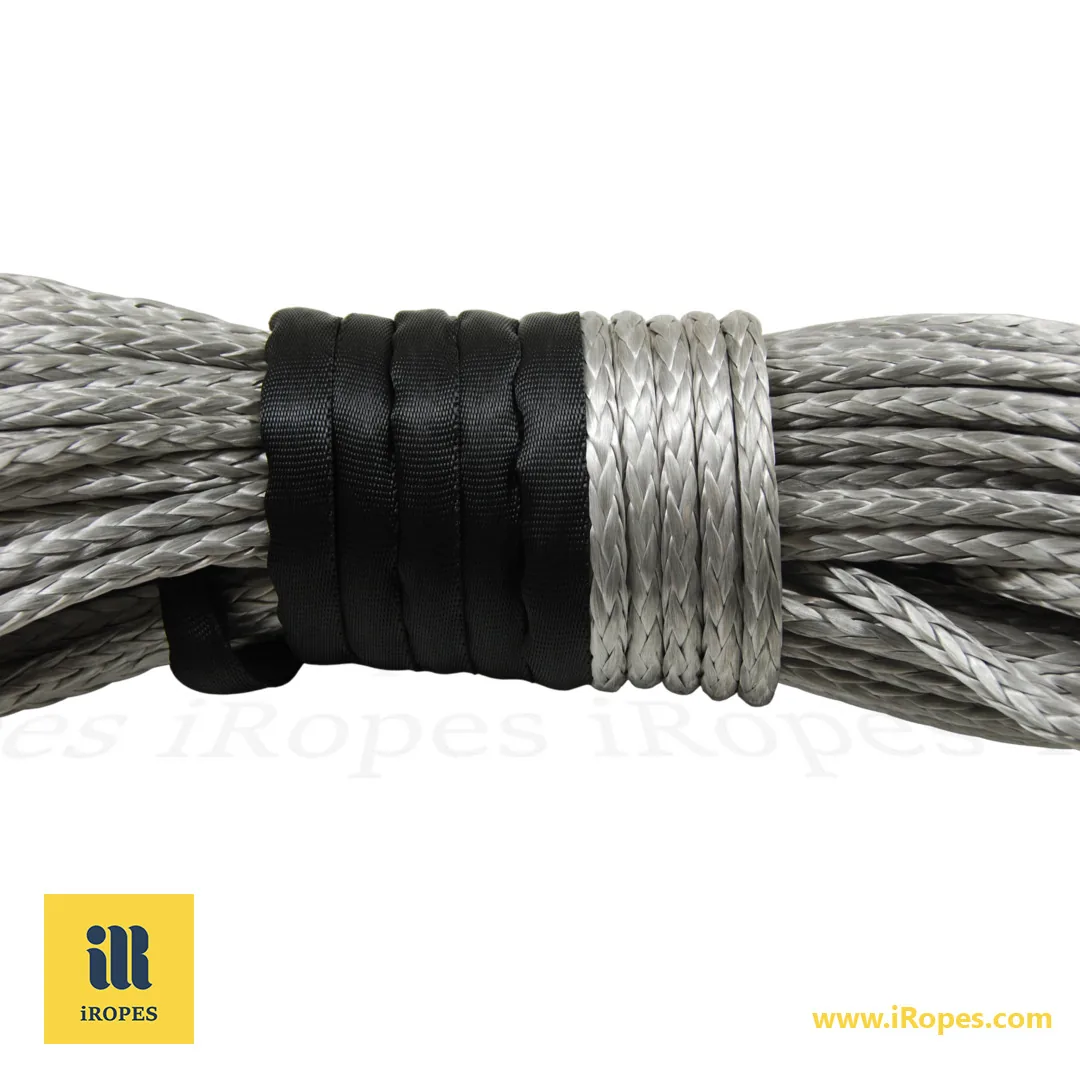
Marine slings elevate yacht line performance by 200% in load capacity using basket hitches, slashing weight by 85% compared to wire rope while protecting delicate hulls from scratches. Synthetics like HMPE withstand saltwater corrosion, delivering reliable lifts where traditional options often fail after just 26 months.
Master Yacht Optimisation in 7 Minutes Flat
- ✓ Boost safety margins by 40% with corrosion-resistant synthetics that prevent wire rope's 70% failure rate in marine settings.
- ✓ Extend rope lifespan threefold through low-elongation HMPE cores, cutting replacement costs by 30% for docking and rigging.
- ✓ Gain superior shock absorption via nylon blends, reducing cleat damage by 50% during sudden waves or mooring.
- ✓ Acquire custom design expertise for branded, UV-durable lines that match your yacht's aesthetics and fit winches precisely.
You've likely trusted basic wire ropes for yacht lifts, assuming brute strength suffices—yet they corrode silently, risking 65% of offshore mishaps and scarring pricey gelcoats. But what if switching to double-braided HMPE slings not only triples durability but also unlocks hidden efficiencies in your rigging that marine professionals swear by? Let's dive deeper to uncover the exact material shifts and hitch techniques that transform routine operations into seamless, high-performance experiences.
Understanding Marine Slings: Foundations for Yachting Excellence
Imagine you're out on the water, overseeing the meticulous lift of a sleek yacht hull onto dry dock. The last thing you want is a sling that scratches the gelcoat or fails under the relentless pressure of saltwater exposure. This is precisely where marine slings become indispensable. They form the backbone of these operations, serving as essential lifting tools specifically designed for the harsh marine environment. These devices wrap around loads to hoist them securely, distributing weight evenly to prevent slips or shifts during transport. In yachting, they handle everything from fragile deck fittings to hefty engines, ensuring safe movement without compromising the vessel's pristine condition.
At their core, marine slings come in versatile forms, each tailored to different needs. For instance, synthetic webbing slings are flat and broad, making them ideal for cradling sensitive surfaces like polished fibreglass. Round slings, featuring a tubular design and a protective outer jacket, excel at gripping irregular shapes, such as buoys or custom yacht gear, while maintaining flexibility. Both types prioritise lightweight construction, allowing crews to manoeuvre them easily, even in choppy conditions.
- Synthetic Webbing Slings: Flat bands of polyester or nylon that spread loads over a wide area, reducing point pressure on delicate yacht parts like hulls or masts.
- Round Slings: Endless loops with a fibre core encased in a durable sleeve, perfect for lifting heavy, uneven equipment such as anchors or propellers without bunching.
One pivotal reason yacht operators increasingly choose these synthetics over traditional wire rope is corrosion resistance. While wire rope might perform adequately in dry industrial settings, constant exposure to salty air and moisture causes it to rust from the inside out, leading to sudden, catastrophic failures. These failures can damage expensive finishes or endanger crews. Synthetics, conversely, resist this degradation beautifully, staying flexible and strong while gently contacting surfaces. This means no more unsightly marks on your luxury yacht's exterior. It's akin to choosing a soft leather glove over a rusty chain for handling fine china; the difference in protection is significant.
When it comes to sheer lifting power, a common question arises: what is the strongest type of rope sling? Double-braided HMPE slings consistently stand out. These slings blend high-modulus polyethylene fibres into a tight, interwoven structure that delivers an unmatched strength-to-weight ratio. They are not merely tough; they are approximately seven times stronger than steel equivalents at a fraction of the weight, making them a premier choice for marine lifting where every kilogram counts. Compared to standard twelve-strand options, the double-braid construction provides enhanced durability and abrasion resistance, ensuring longer service life in demanding, repetitive applications.

Beyond brute force, careful design plays a crucial role in ensuring practical usability. Have you ever struggled with a stiff sling that resists your grip? Modern versions incorporate ergonomic features, including smoother textures for better handling and colour-coded tags for quick load identification. In yachting, aesthetics also matter significantly. Slings can be designed to match your vessel's palette, blending seamlessly without clashing against a custom paint job. These thoughtful touches not only boost usability but also safeguard those high-end surfaces from scuffs during routine lifts.
Grasping these fundamental aspects of marine slings sets the stage for understanding how pairing them with the right yacht lines can truly transform your entire marine setup.
Optimising Yacht Line Selection for Premium Performance
While marine slings provide a reliable foundation for lifts and handling, optimising your yacht lines unlocks even greater potential for streamlining operations on the water. These lines are far more than simple connectors; they are dynamic elements that manage sails, secure moorings, and respond to every wave and wind shift. Selecting the correct ones means balancing stretch, grip, and endurance to precisely match the demands of your vessel—whether it's a leisurely cruiser or a high-performance racer.
This optimisation is driven by high-performance materials, each chosen for its specific behaviour under marine pressures. Nylon, for instance, is prized for its elasticity, effectively absorbing shocks from sudden jerks during docking. Consider it a built-in bumper, preventing cleats from cracking under strain. In contrast, polyester offers minimal stretch, making it ideal for halyards that need to hold sails taut without sagging, ensuring precise control even in challenging gusty conditions. These material choices allow for bespoke tailoring of lines to yacht-specific needs, where every detail can influence handling and speed.
Application dictates material choice just as much as material dictates performance. For sheets that trim sails, you'll want lines with a smooth yet grippy texture for quick adjustments at the winch. Mooring lines benefit from robust diameters—typically 12 to 16 millimetres—to resist chafe against pilings while maintaining a firm hold. Rigging, meanwhile, demands flexibility; overly stiff lines will hinder effective setup. Precise sizing ensures optimal winch grip without slippage, making manoeuvres safer and faster. Have you ever wrestled with a line that bunches awkwardly in your palm? Opting for these tailored specifications eliminates such frustrations, allowing your crew to focus on the sea ahead.
Core Materials
Essential Choices for Durability
Nylon
Excels in shock absorption for dock lines, stretching up to 30% under load to cushion impacts from waves or tides.
Polyester
Provides low elongation under 10% for halyards, maintaining sail shape and reducing fatigue on rigging hardware.
HMPE Cores
Deliver superior UV resistance and longevity, lasting years in harsh sun without losing 80% of initial strength.
Key Applications
Matching Lines to Tasks
Sheets
Require tactile comfort for repeated handling, with diameters fine-tuned for winch efficiency during tacks.
Mooring Lines
Focus on abrasion resistance against docks, ensuring secure ties that withstand tidal pulls without fraying.
Rigging
Prioritises low weight for easier setup, enhancing overall yacht responsiveness in varied sailing scenarios.
When yacht owners inquire about what the best rope for yachts truly is, HMPE cores—featured in premium lines—consistently emerge as top picks. Their combination of durability, resistance to ultraviolet degradation, and extended service life perfectly suits luxury marine setups, often outlasting basic options twofold in sun-soaked marinas. For yacht halyards specifically, low-elongation Dyneema® variants shine, offering under 1% stretch. This minimal stretch keeps sails flying true—a critical advantage for both racing precision and cruising stability. Opting for such lines not only boosts overall rope performance but ensures they adapt seamlessly to the elements.
These informed choices naturally lead into examining the underlying characteristics that allow such lines to excel over time, from handling heavy loads to environmental resilience.

Mastering Rope Performance: Key Characteristics and Enhancements
Now that you've selected the right yacht lines, it's time to delve into what truly makes them excel—or falter—under real-world pressures. Rope performance extends far beyond a simple spec sheet; it encompasses how these lines hold up when waves crash and winds howl, transforming potential headaches into smooth sailing. Let's unpack the vital traits that define excellence in marine setups, starting with the core metrics that keep everything secure and operational.
The Working Load Limit (WLL) sets the safe threshold for daily use—typically around 20% of the rope's breaking strength. This builds in a crucial safety margin against unexpected forces like sudden gusts. Then there's elongation, which measures how much a line stretches under tension. For shock absorption in anchoring, a controlled amount of give (say, 20-30%) cushions impacts, much like a car's suspension system. Abrasion resistance is critical; it guards against wear from rubbing on rough dock edges or hardware. This is often enhanced by tough outer covers designed to shed wear without fraying quickly. UV durability is equally important, as constant sun exposure can degrade untreated fibres by 50% over just a couple of years. Look for coatings that lock in strength against relentless solar radiation.
- Working Load Limit (WLL): Caps safe operational loads at 20% of break strength, preventing overload in variable marine forces.
- Elongation: Balances stretch for energy absorption versus minimal deformation for precise control in rigging.
- Abrasion Resistance: Ensures longevity against friction, measured by cycles to failure in tests simulating dock contact.
- UV Durability: Retains 80% strength after prolonged exposure, vital for lines left in open air.
When comparing different constructions, double braid offers a compact, flexible wrap that's easy to handle and grips winches without slipping. In contrast, twelve-strand construction provides a smoother, lighter feel for running lines—think of it as the difference between a sturdy backpack strap and a sleek climbing rope. Double braid excels in knot retention, holding shapes securely under load to prevent unraveling during a tack. Both constructions typically incorporate chafe protection layers to fend off wear from cleats or fairleads, significantly extending their lifespan.
To push yacht line performance further, consider incorporating specialised accessories. Thimbles, for example, are metal inserts that reinforce the eyes of ropes, preventing weak spots in loops and distributing stress evenly. Reflective strips woven into the line can glow under moonlight, making it far easier to spot lines at dusk or during nighttime operations, thereby reducing accident risks on deck. These enhancements are not mere luxuries; they adapt ropes to your specific needs, much like adding headlights to a bicycle for night rides, significantly boosting safety and functionality.

For long-term reliability, it's vital to consider how ropes withstand chemicals, such as battery acid spills, and how buoyancy influences mooring operations. Acid-resistant treatments maintain rope integrity in busy engine bays, while positive buoyancy in certain synthetics prevents lines from tangling underwater, facilitating quick retrieval. These in-service factors can extend usability by years, but their true benefit shines brightest when they are meticulously tailored to your operation's unique demands. Ultimately, unlocking these enhancements through precise customization elevates rope performance to the next level, creating solutions perfectly suited for demanding yacht scenarios.
iRopes Customisation and Maintenance for Sustained Yacht Superiority
The performance traits we've explored thus far truly excel when meticulously matched to your exact setup through thoughtful customisation. At iRopes, we take this philosophy further by offering comprehensive OEM and ODM services. These services transform standard ropes into specialised tools perfectly suited for your yacht's unique challenges. Whether it's blending materials for superior grip in wet conditions or adding branded elements that reflect your operation's identity, our services ensure every sling and line integrates seamlessly into your workflow. Backed by our ISO 9001 certification, we guarantee precision from the initial design phase to final delivery, while our intellectual property (IP) protection safeguards your innovations throughout the entire process. Ultimately, it’s about creating yacht lines and marine slings that not only perform exceptionally but also anticipate the rigorous demands of luxury marine life.
Customisation also extends to practical enhancements, such as incorporating effective chafe guards or providing custom lengths that precisely match your rigging. For example, we can weave in UV-stable covers over HMPE cores to shield against sun damage in open harbours, or carefully adjust diameters for flawless winch compatibility. This meticulous level of tailoring ensures your equipment lasts longer and handles better, significantly reducing downtime on the water. Have you ever encountered a line that simply didn't quite fit your cleats? Our bespoke approach eliminates such mismatches, delivering solutions that feel specifically custom-built for your vessel.
Material Blends
Combine nylon with polyester for balanced stretch and stability in mooring lines, ideal for absorbing dock surges while holding firm.
Branding Options
Add logos or colours to slings and lines for a professional look, enhancing your brand visibility during yacht lifts or races.
IP Protection
Safeguard your designs with confidential processes, ensuring competitors can't replicate your custom yacht line innovations.
ISO Assurance
Every tailored product meets rigorous quality standards, from material testing to final packaging for reliable yacht performance.
To keep these customised pieces in top condition, our maintenance programs are straightforward yet exceptionally thorough, specifically designed for yacht owners who value longevity. For more detailed tips on choosing and maintaining boat anchor ropes, regular inspections should begin with visual checks for cuts, fuzzing, or discolouration—these are early signs of UV wear or abrasion that could compromise safety. We strongly recommend rinsing all lines with fresh water after saltwater exposure to prevent salt build-up, and storing them coiled away from direct sunlight to avoid premature degradation. Diligently following these steps can extend rope life by up to three times, transforming a seasonal replacement into a multi-year investment. It's simpler than you might imagine: a quick once-over before each outing can spot issues early, much like checking your car's tyres before embarking on a road trip.
Real-world results unequivocally demonstrate the value of customisation. Consider our custom HMPE slings developed for an offshore defence client: engineered with reinforced eyes and enhanced corrosion barriers, these slings handled 40-tonne lifts flawlessly, drastically cutting replacement needs and saving thousands compared to off-the-shelf alternatives. Or take the nylon-poly blend we developed for a spearfishing gear manufacturer—its embedded chafe guards expertly resisted acidic seawater, boosting durability and reducing costs by 30% over standard lines. These compelling examples clearly show how targeted customisation delivers a significant return on investment, from fewer failures to demonstrably streamlined operations.
For hands-on performance optimisation, start by configuring slings in basket hitches to effectively double their capacity when cradling yacht components safely. Always remember to derate for angles exceeding 60 degrees to maintain the certified WLL. Pair this best practice with our efficient global shipping solutions, ensuring pallets arrive punctually at your destination. This makes wholesale orders seamless and efficient, even across continents. Implementing these practices ensures your marine setup runs smoother, consistently paving the way for sustained success in every single voyage.

From the foundational role of marine slings in safe yacht lifts to optimising yacht line selection with high-performance materials like HMPE and nylon, this exploration highlights how superior rope performance elevates safety and efficiency in demanding marine environments. Aesthetic considerations ensure seamless integration with luxury finishes, while ergonomic designs enhance handling comfort during operations. iRopes' OEM/ODM services offer tailored solutions, including UV-resistant blends and branded options, backed by ISO 9001 quality. Maintenance programs, with routine inspections and care protocols, can triple lifespan, and techniques like basket hitches optimise loads for sustained superiority.
These insights empower yacht operators to achieve peak performance, but customising for your specific needs can unlock even greater potential.
Customise Your Marine Rope Solutions Today
If you're seeking personalised guidance on premium rope and sling solutions, including high-performance materials or maintenance strategies for your yacht systems, complete the inquiry form above to connect with iRopes experts.