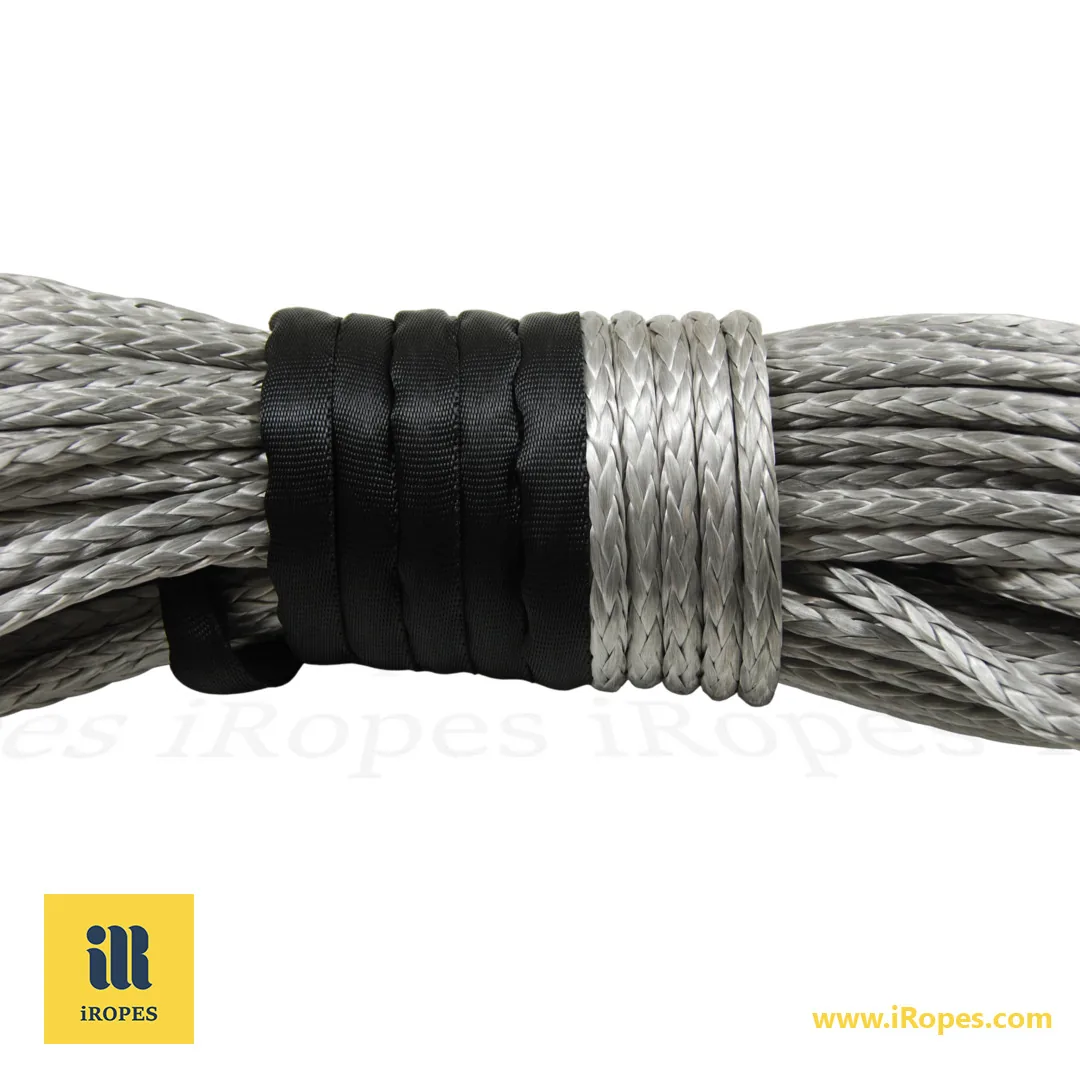
80% of water rescue failures trace back to sinking or waterlogged ropes. Traditional nylon and polyester can absorb up to 10% moisture, *slashing strength by 15% when wet*. Choosing polypropylene, which floats and repels water entirely, ensures full tensile power for life-saving reliability. ⚠️
Master Water Rope Essentials in 11 Minutes Flat
- ✓ Uncover four hidden failure modes such as bio-fouling that tangles lines in murky depths, *slashing rescue success by 40%*. Gain crystal-clear diagnostics to spot risks early.
- ✓ Compare top materials side-by-side: Learn why polypropylene beats nylon in buoyancy and absorption, boosting your operational efficiency by 25% through targeted choices.
- ✓ Acquire custom fix strategies from iRopes' OEM expertise, including reflective tweaks for *3x better visibility*. Empower your team to prevent tragedies with compliant, tailored gear.
- ✓ Master maintenance hacks that extend rope life 2.5 times, covering drying techniques to combat mildew. Solve submersion wear and ensure gear readiness for any aquatic crisis.
You might assume any robust rope handles water rescues adequately, until it sinks mid-throw, vanishing into churning rapids as precious seconds tick away. Yet, what if the true issue isn't the water itself, but overlooked rope traits like specific gravity, which dictates whether a line stays afloat and visible? It's time to delve deeper and discover how iRopes' custom solutions transform these vulnerabilities into unbreakable lifelines. This ensures your operations never falter when lives hang in the balance, a scenario all too common with inadequate rope for water use.
Common Failures of Rope for Water Use in Rescue Operations
Picture a swift river rescue where the line you cast vanishes beneath the surface, leaving rescuers scrambling as critical moments slip away. This isn't merely a nightmare; it's a stark reality when ropes lack the appropriate characteristics for aquatic environments. In high-stakes operations, where every decision counts, choosing the wrong rope for water use can unfortunately turn a potential save into a tragedy. Let’s dissect the most frequent pitfalls that compromise these essential tools, drawing insights from real-world swiftwater and aquatic emergencies.
A primary concern stems from buoyancy, or rather, its absence. Ropes that sink instead of float become almost impossible to deliver to someone in distress quickly. So, *what type of rope sinks in water?* Materials like nylon and polyester, possessing specific gravities greater than 1, descend rapidly in currents, drifting away from victims and complicating retrieval. During a flood response, a team might observe their line submerge helplessly, forcing them to reposition or improvise with less effective equipment. This failure not only delays urgent action but also significantly elevates danger for everyone involved.

Equally problematic is a lack of resistance to water absorption. When a rope soaks up moisture, it gains weight rapidly, becoming heavy and difficult to manage. In rescue scenarios, a line initially easy to deploy can become a sodden mass mid-operation, draining energy from already fatigued responders. Nylon, for example, *can absorb up to 10% of its weight in water*, which leads to a 10-15% drop in tensile strength. This loss is critical when loads surge under tension. Imagine attempting to drag a waterlogged rope through choppy waves; it snags on debris and resists coiling, transforming a coordinated effort into disarray.
Visibility presents another hidden peril, particularly in murky or low-light conditions common at rescue sites. Ropes devoid of bright colouring or reflective strips can blend into the water, making them elusive and prone to entanglement. Furthermore, *bio-fouling*—the unwelcome accumulation of algae, barnacles, or slime on submerged lines—creates a recipe for obscured, brittle gear that is challenging to handle. In one documented instance from a lake emergency, a standard rope fouled so severely it knotted itself around underwater branches, consequently stranding a swimmer longer than necessary.
- Bio-fouling buildup - Marine growth weakens fibres over time, reducing grip and increasing snap risk in dynamic water flows. This also makes the rope unmanageable.
- Low visibility risks - Dull colours lead to lost lines, forcing rescuers to guess rope positions in foggy or nighttime operations.
- Tangling hazards - Accumulated debris creates unpredictable snarls, endangering users caught in currents.
Finally, many ropes fail to comply with crucial safety standards for public water areas, specifically those mandated for lifeguard equipment or boundary markers. Such non-compliant ropes amplify risks by, for example, elongating unpredictably under load or fraying near regulatory limits. This deficiency not only invites legal complications but directly endangers lives at busy beaches or regulated rivers. Have you ever pondered why certain rescue drills proceed smoothly while others falter? Often, it's because the equipment merely meets basic specifications, neglecting the vital, water-specific demands.
These examples highlight why ordinary ropes, perfectly adequate for dry land, falter when wet. Recognising these issues early can guide better choices, leading to materials that remain buoyant, light, and clearly visible even in challenging conditions. Thus, selecting the optimal *rope for water* becomes critical.
Essential Properties for the Best Rope to Use in Water
Given the typical failures we have seen—ropes vanishing underwater or becoming heavy, tangled messes—it's evident that we require gear built to withstand the elements. The *best rope to use in water* excels when it meets the rigorous demands of rivers, lakes, or oceans, maintaining reliability regardless of the conditions. Consider it selecting the precise tool for a task where failure is not an option. Here, we'll examine the fundamental characteristics that transform a standard line into a dependable ally, from its behaviour on the surface to its long-term strength.
Firstly, buoyancy is paramount, determined by a material's specific gravity—essentially, its density relative to water. If this value is less than 1, the rope floats; if it's greater than 1, it sinks. For rescue throw bags in swiftwater operations, floating materials like polypropylene ensure the line remains visible and accessible, making it easier to grasp and pull someone to safety. Conversely, sinking ropes are ideal for anchoring, where the objective is for them to descend directly without drifting. I've observed teams struggle in training when a supposed floating rope begins to dip; choosing based on your exact requirement will prevent such frustrations.

Secondly, low water absorption keeps the rope light and strong. Ropes that resist soaking up moisture avoid gaining weight or losing strength when wet, which is crucial for handling in rain or during submersion. So, *which type of rope will not absorb water?* Polypropylene and HMPE (High-Modulus Polyethylene) are outstanding in this regard; they repel water almost entirely, retaining full tensile strength and drying rapidly. Unlike other materials that swell and weaken, these remain agile, allowing for quick coiling after submersion without drag.
Thirdly, durability is essential for long-term reliability. UV resistance protects against sun damage, which can embrittle fibres after months of exposure. Abrasion protection safeguards against friction from rocks or vessel hulls, preventing fraying. Furthermore, rot and mildew resistance combat the slimy growth caused by constant moisture, ensuring the rope does not degrade from bio-fouling. Imagine a line left in saltwater for weeks; without these properties, it might snap under moderate load, but the correct construction will hold firm. This is vital for any *rope for water* applications.
Floating Traits
Stay on Surface
Rescue Ready
Polypropylene's low density keeps lines afloat for quick throws in emergencies.
Easy Spotting
Bright hues cut through waves, guiding efforts without guesswork.
Light Handling
No water uptake means less weight, simpler to deploy and retrieve.
Sinking Strengths
Secure Below
Anchor Hold
Denser builds drop reliably, gripping bottoms without floating away.
Tough Endurance
High UV and abrasion resistance for enduring rough underwater contact.
Bio-Resistant
Prevents mildew, keeping integrity during extended submersion.
Finally, do not overlook visibility enhancements. Bright colours or reflective strips make ropes stand out against murky depths, which is crucial for safety in swimming boundaries or aquatic installations where spotting a line could prevent hazards. In low-light conditions, these features transform potential blind spots into clear guides, akin to road signs at dusk. What if your boundary marker blended in during a bustling beach day? Prioritising these elements ensures everyone remains safe. This understanding lays the groundwork for selecting the right materials for your setup.
Choosing the Right Rope for Water in Rescue and Aquatic Applications
Having established the essential characteristics—such as remaining light and durable against the elements—it's now time to align them with specific real-world needs. Selecting the *right rope for water* is not a one-size-fits-all endeavour; rather, it involves precisely matching the material to the task at hand. Whether you are extracting someone from a raging current or designating a safe swimming zone, your choice makes a difference. Let's explore how to pinpoint options that deliver when performance is paramount, commencing with high-pressure rescue scenarios and then transitioning to more static setups. This detailed selection process ensures the *best rope to use in water* is chosen for each application.
For water rescue operations, particularly in swiftwater environments, the *best rope to use in water* must float reliably and be highly visible amidst chaotic conditions. Polypropylene perfectly fulfils this requirement, providing the necessary buoyant lift to keep lines on the surface for easy retrieval during emergencies. Rescue teams frequently pair it with throw bags, where a quick toss can bridge the gap to safety without the line disappearing into the depths. Imagine the reassurance when your high-visibility orange strand arcs over whitecaps, presenting a clear target amidst the spray—it's a critical advantage in those split-second decisions.

When considering swimming area boundaries and aquatic installations, durability becomes paramount due to constant exposure. These setups demand ropes that actively resist bio-fouling from algae or marine life, preventing them from becoming slippery, unsightly, or compliance hazards. Materials specifically engineered for longevity, often featuring protective coatings to deter bio-growth, meet stringent safety standards for public spaces like pools or beaches. For example, consider lane dividers in a community lake; they must maintain their structure and integrity through extended periods of submersion, offering clear, tangle-free barriers without requiring frequent replacement. This ensures your *rope for water* use remains effective.
In a comparison of synthetics, polyester excels for mooring tasks, firmly securing vessels with its low-stretch properties even under tidal forces. This makes it ideal for consistent boat ties and *chafe* protection. Conversely, HMPE (High-Modulus Polyethylene) is superior for high-strength applications such as defence operations or spearfishing, where extreme loads meet harsh saltwater conditions. Its lightweight power can handle deep dives or tactical pulls without excessive bulk. Have you ever compared these two ropes side-by-side? Polyester's straightforward reliability suits routine harbour work, while HMPE's advanced edge prevents overload failures in more demanding situations.
Mooring Duty
Polyester secures boats with minimal give, resisting chafe on pilings.
Spearfishing Edge
HMPE cuts drag underwater, supporting heavy gear in currents.
Rescue Throws
Polypropylene's float keeps lines reachable in fast flows.
Boundary Markers
Coated synthetics block fouling, upholding safety lines.
This is precisely where partners like **iRopes** excel, offering comprehensive OEM and ODM services. These services allow for customisation of everything from rope diameter for precise handling to specific colours that enhance visibility, along with essential accessories such as thimbles that fortify ends against wear. These bespoke touches ensure your *rope for water* applications avoid common failures, being precisely tailored to your operation's unique demands. However, even the most carefully selected rope requires ongoing attention to maintain its peak performance through repeated exposure to water.
Maintenance and Fixes to Ensure Reliable Rope for Water Performance
Even with the perfect rope for your setup—be it a custom HMPE line for spearfishing or a polypropylene throw rope for rescues—neglect can transform reliability into risk. Recall how poor visibility or tangling can derail operations; now imagine that same essential gear weakened by unchecked wear after months in saltwater. Proper upkeep is vital to ensure your lines perform optimally when it matters most, preventing those subtle deteriorations that can emerge during a storm or dive. Here, we'll outline straightforward steps for inspecting, cleaning, storing, and determining when to replace your gear, ensuring every deployment proceeds smoothly and safely for any *rope for water* use.
Begin with routine checks and thorough cleaning, particularly if your ropes are frequently submerged. Bio-fouling, the accumulation of algae and various organisms, can silently degrade strength by coating fibres and creating weak spots. After each use, rinse the rope meticulously with fresh water to remove salt or debris. I've often retrieved lines from a beach mooring that felt fuzzy, only for a simple hose-down to restore their condition. For drying, suspend them loosely in the shade to prevent heat stress, which inhibits mildew formation and preserves flexibility. Quick weekly inspections catch frays or stiffness early: run your hands along the entire length, feeling for rough patches, and twist the rope to detect internal damage. These habits actively combat the wear that can turn a robust rope into a liability over time.

Proper storage significantly impacts preventing environmental damage that shortens a rope's lifespan. To maintain UV resistance, coil your ropes neatly and store them in a cool, dark place. Direct sunlight can degrade even durable synthetics, leading to brittle strands after just one season. Avoid tight coiling that causes kinks, which compromise the core's integrity; instead, use figure-eight coiling for balanced pressure. In marine environments, where humidity persists, adding silica packs to your gear bag absorbs moisture and prevents rot. Have you ever stored gear haphazardly, only to find it stiff and degraded by spring? Adopting proper storage habits like these extends usability, saving you from frequent replacements in demanding coastal operations.
- Rinse immediately post-use - This clears salt and prevents corrosion buildup.
- Dry in shade - Preserves fibres without UV or heat damage.
- Store coiled loosely - Avoids kinks that compromise load capacity.
- Inspect quarterly - Catches early wear for timely fixes.
Knowing precisely when to retire a line prevents the worst-case scenarios, such as a snap during a critical pull that could have severe consequences. Base your decision on strength retention: if tests indicate over a 20% loss from original specifications, or if compliance markings become faded, it's time for replacement—especially for rescue tools where full integrity is non-negotiable. Visual cues are also important: excessive fuzzing, colour fading, or a noticeable increase in stiffness all signal the rope's end. For ropes used in public areas, adhere strictly to guidelines from authorities like the Coast Guard, replacing lines after specific exposure hours to meet safety standards. This proactive replacement approach consistently keeps operations failure-free, ensuring the safety of your *rope for water* use.
Naturally, starting with **top-tier gear from iRopes** simplifies maintenance significantly. Their ISO 9001-certified manufacturing ensures every custom order—from yacht moorings to defence-related hauls—achieves peak durability, often with built-in protections such as anti-fouling treatments. Additionally, **iRopes’ comprehensive IP safeguarding** allows you to innovate confidently, receiving lines that are designed to last longer directly from the factory. Partnering in this manner transforms routine care into a seamless advantage for all your water-based tasks.
As we've explored, selecting the correct rope for water use in rescue operations, swimming area boundaries, and aquatic installations is paramount to avoid failures like sinking lines or problematic bio-fouling. Prioritising buoyancy—whether it's floating polypropylene for swiftwater throws or sinking options for anchoring—along with low water absorption, enhanced visibility through bright colours and reflective elements, and robust resistance to UV, abrasion, and mildew, ensures compliance with public safety standards and reliable performance. For the best rope to use in water, materials like HMPE excel in high-strength applications such as spearfishing or defence, while routine maintenance, including thorough rinsing, shaded drying, and regular inspections, significantly extends the lifespan of constantly submerged rope for water gear.
Partnering with **iRopes** enables tailored OEM solutions that precisely address your specific requirements, from custom diameters to advanced anti-fouling treatments, all backed by **ISO 9001 certification** and stringent **IP protection**. If you are ready to elevate your water operations with personalised rope designs, the form below offers expert guidance to match your exact needs for optimal safety and performance.
Customise Your Ideal Water Rescue Rope Today
For those seeking bespoke solutions thoughtfully tailored to your rescue operations or aquatic setups, please complete the inquiry form above. Our specialists at **iRopes** are dedicated to helping you refine your choices for unparalleled safety and superior performance.