Nylon thimbles outlast metal counterparts by 2–3 years in harsh marine environments, significantly reducing rope abrasion risks and preventing failures that could cost you thousands in replacements. Discover why flexibility often trumps rigidity for your moorings.
Unlock 8-Minute Insights to Boost Your Marine Rigging →
- ✓ Gain UV resistance that shields thimbles from sun damage, extending service life over exposed metal options.
- ✓ Eliminate corrosion worries—non-rusting nylon helps reduce maintenance compared to galvanised steel in saltwater.
- ✓ Master shock absorption techniques that cut rope wear, solving dynamic load problems in yachting and anchoring.
- ✓ Access sizing guides for perfect fits, ensuring optimal load distribution without deformation.
You've always trusted metal thimbles for their unyielding strength in marine moorings. However, they sometimes sabotage setups with hidden rust and rigid stress points that can accelerate rope failure. What if a lighter, flexible alternative like nylon thimble not only survives but thrives under waves and salt, potentially doubling your rigging's longevity? Dive in to uncover the counterintuitive science—and iRopes' custom solutions—that can enhance durability for good.
Understanding the Marine Thimble and Its Essential Function
In the unpredictable world of marine operations, where saltwater and relentless waves test every piece of equipment, a simple yet vital component often stands between smooth sailing and costly failures: the marine thimble. Picture this: you're securing your boat to a dock after a long day on the water. The last thing you want is your mooring line fraying under pressure. A marine thimble is essentially a protective insert, typically made from durable materials like nylon or metal, designed to shield the eye of a spliced rope from the harsh realities of the sea. It prevents chafing against sharp edges, such as cleats or pilings, and guards against crushing forces that could deform the loop. This ensures your connections hold strong, even in the toughest conditions.
At its core, this hardware plays a starring role in eye splices, where the rope's end is looped back and woven into itself to form a secure, permanent eye. This is crucial for applications like mooring lines that tether vessels to buoys or piers, anchor rodes that keep boats from drifting in open water, and dock lines that make tying up feel effortless. Without a thimble, the rope's fibres rub and wear down quickly, leading to weak spots that might snap under load. Have you ever noticed how ropes on older boats look tattered around the loops? That's often chafe at work, and a good thimble stops it in its tracks, distributing stress evenly and preserving the rope's strength.
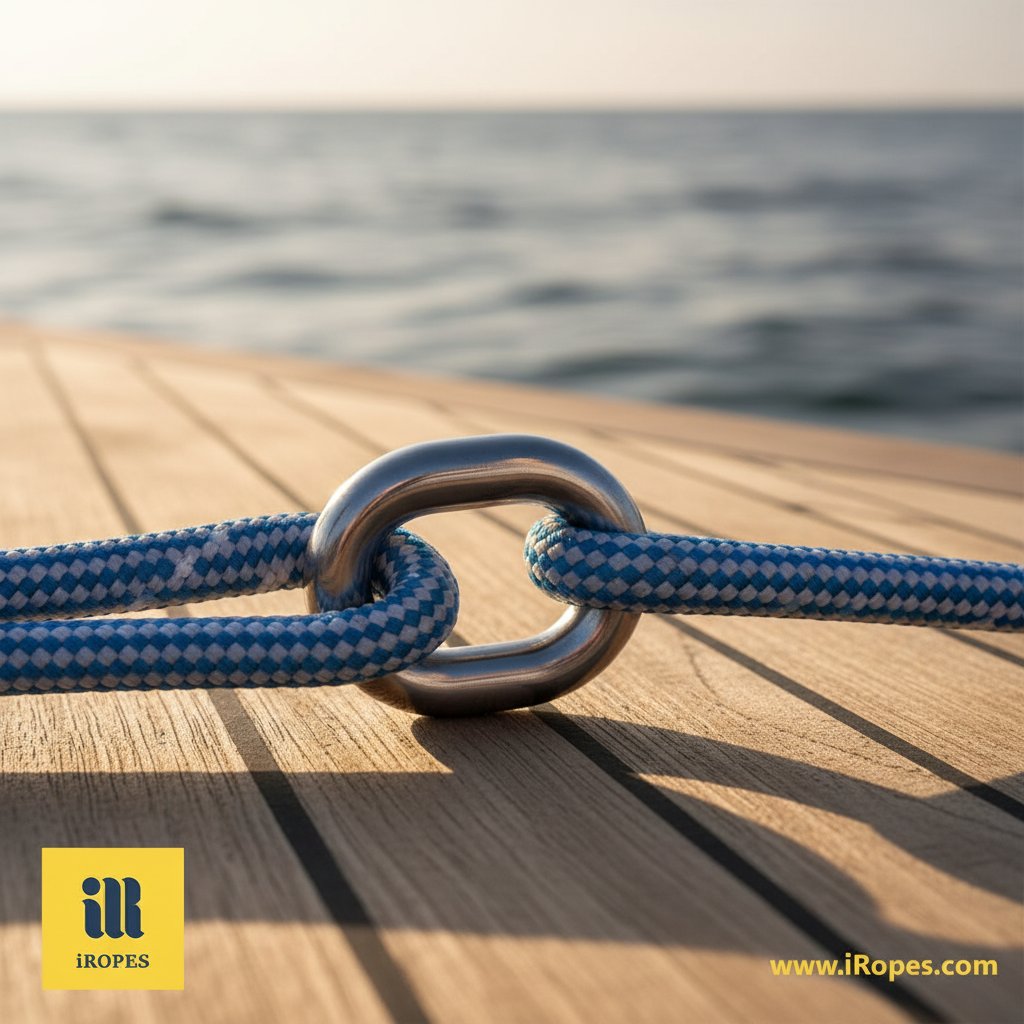
Specifically, nylon thimbles are a game-changer for dynamic marine setups. These lightweight protectors safeguard ropes by slipping into the loop of an eye splice, maintaining its shape and integrity against constant movement and tension. In applications like yachting or anchoring, where ropes flex and pull unpredictably, a nylon thimble absorbs minor shocks without cracking. This keeps everything aligned and helps reduce the risk of slippage. It's like giving your rope an invisible armour that bends but doesn't break, especially useful in environments where corrosion or UV exposure could otherwise degrade connections quickly.
Installing one isn't just about adding hardware; it's about peace of mind on the water. For instance, during a stormy night at anchor, that thimble quietly does its job, preventing the rode from grinding against the chain or windlass. iRopes crafts these with precision to fit seamlessly into your setups, drawing on years of expertise in marine cordage. But why do nylon versions shine brighter than others in these scenarios? Having established the foundational role of marine thimbles, let's explore why nylon versions offer superior performance in demanding conditions.
- Mooring Lines: Secure vessels to fixed points; thimbles prevent wear from repeated tying and untying.
- Anchor Rodes: Link chain to rope, absorbing the pull of waves without deforming the splice.
- Dock Lines: Handle daily docking stresses, ensuring loops stay round and ropes last longer.
Why Nylon Thimbles Outlast Metal in Durability and Protection
Building on that essential protection role, nylon thimbles step up in ways that metal ones simply can't match, especially when you're dealing with the relentless demands of saltwater and sun. What makes them stand out is their ability to endure without breaking down over time, turning what could be a frequent replacement chore into a reliable, long-term fix for your rigging.
One key reason nylon thimbles last longer begins with their built-in defences against the sun's harsh rays. UV resistance means they don't become brittle or fade after months of exposure, unlike some metals that can pit and weaken. Then there's their non-corrosive nature: saltwater eats away at metal over time, but nylon shrugs it off, staying smooth and strong. And don't overlook shock absorption—when waves jerk your lines, nylon flexes just enough to cushion the impact, spreading force without cracking. These traits combine to give your setup an extended lifespan, often outlasting metal by years in typical marine use.
Nylon Benefits
Key Advantages for Marine Use
UV Resistance
Prevents degradation from sunlight, ensuring consistent performance in open-water conditions.
Non-Corrosive
Resists saltwater attack, avoiding rust that compromises metal alternatives.
Shock Absorption
Flexes under dynamic loads to reduce stress on ropes during rough seas.
Protection Edge
How It Safeguards Ropes
Flexibility
Allows natural rope movement, minimising internal fibre damage from rigid contact.
Reduced Abrasion
Smooth surface cuts down on friction against cleats or pilings compared to harder metals.
Stress Distribution
Evenly spreads tension to keep loops intact under varying pressures.
This flexibility is what truly sets nylon apart in protecting your marine ropes. Rigid metals can dig into fibres during pulls, accelerating wear, but a nylon thimble bends with the motion. This reduces abrasion risks and helps keep the eye splice round. It's particularly handy in setups where lines twist and tug, like during anchoring in choppy bays. Many boaters have seen ropes last significantly longer with a nylon thimble in place, simply by avoiding those constant grind points.
What are the benefits of using a nylon thimble over a metal thimble? For starters, they're lighter, so you save on overall weight without compromising strength. This matters when hauling gear aboard. Costs also typically run lower, making them a smart pick for frequent swaps or bulk buys. Plus, nylon adapts better to shifting marine conditions, handling moisture and temperature swings that might warp or seize up metal parts. These perks make nylon the go-to for everyday durability without the upkeep headaches.
At iRopes, we engineer this reliability into every piece through precision manufacturing in our advanced facilities. Our ISO 9001 certification guarantees each nylon thimble meets rigorous standards, from material purity to final tolerances, tailored for wholesale partners needing dependable stock. Whether you're outfitting yachts or commercial fleets, these aren't off-the-shelf items—they're built to perform, backed by our commitment to quality that keeps your operations running smoothly.

Of course, while nylon excels in these areas, stacking it against galvanised or stainless options reveals even more about matching materials to your specific needs.
Mooring Thimble Material Comparisons: Nylon vs. Galvanised and Stainless Steel
With nylon's standout qualities in mind—like the flexibility we just covered—it's worth seeing how it measures up against the usual suspects in mooring thimble choices. Galvanised steel often gets the nod for its straightforward appeal in everyday setups. But does it really hold its own in the long run compared to a nylon thimble? Let's break it down to help you picture what's best for your boat's lines.
Nylon shines in scenarios calling for give and take, thanks to its natural bend that fights off corrosion from constant saltwater baths. It won't rust or pit after a season of exposure, keeping your rope's loop snug and safe. On the flip side, galvanised steel thimbles offer solid value for money, making them a go-to for general mooring tasks where budgets are tight. Their zinc coating does ward off rust for a while in milder conditions. However, once the salt really digs in, it wears thin faster than desired. Many have experienced replacing galvanised thimbles on docks after just a couple of wet winters as they begin to flake, forcing an early replacement. Nylon, though, keeps trucking, especially when your lines are flexing with every tide change.
Now, shift to stainless steel, the heavy hitter for spots with brutal salinity or big pulls, like commercial docks or offshore anchoring. It's tough as nails against corrosion, holding up in high-stakes environments where failure isn't an option. But here's where nylon pulls ahead for dynamic loads: that rigidity in stainless can sometimes transfer jolts straight to the rope, while nylon cushions them, extending its life in choppy waters. Think of it like choosing boots for a hike—stainless is the steel-toed pair for rocky terrain, but nylon's the flexible hiker that won't blister on long trails. For medium-duty marine moorings, nylon edges out on longevity, avoiding the wear that metals might invite under repeated stress.
Load Ratings
Ideal for medium-duty up to 10,000 lbs.
Ideal For
Dynamic moorings with wave action.
Cost
Affordable for bulk buys.
Durability Edge
Prevents wear in flexing lines.
How does a nylon thimble protect marine ropes? A nylon thimble protects marine ropes by slipping into the eye splice and spreading out the pull evenly, so no single spot takes all the beating. It stands up to the sun's rays and salty spray without breaking down, keeping the loop's shape intact over time—much like a reliable elbow guard in a sport that demands constant motion. This setup significantly reduces the gradual fraying that sneaks up on unprotected lines, especially when they're rubbing against hardware during storms.
Knowing these differences makes picking the right thimble for your rope's diameter and the loads it faces much clearer, setting you up for installs that truly last.
Selecting, Installing, and Maintaining Your Ideal Thimble
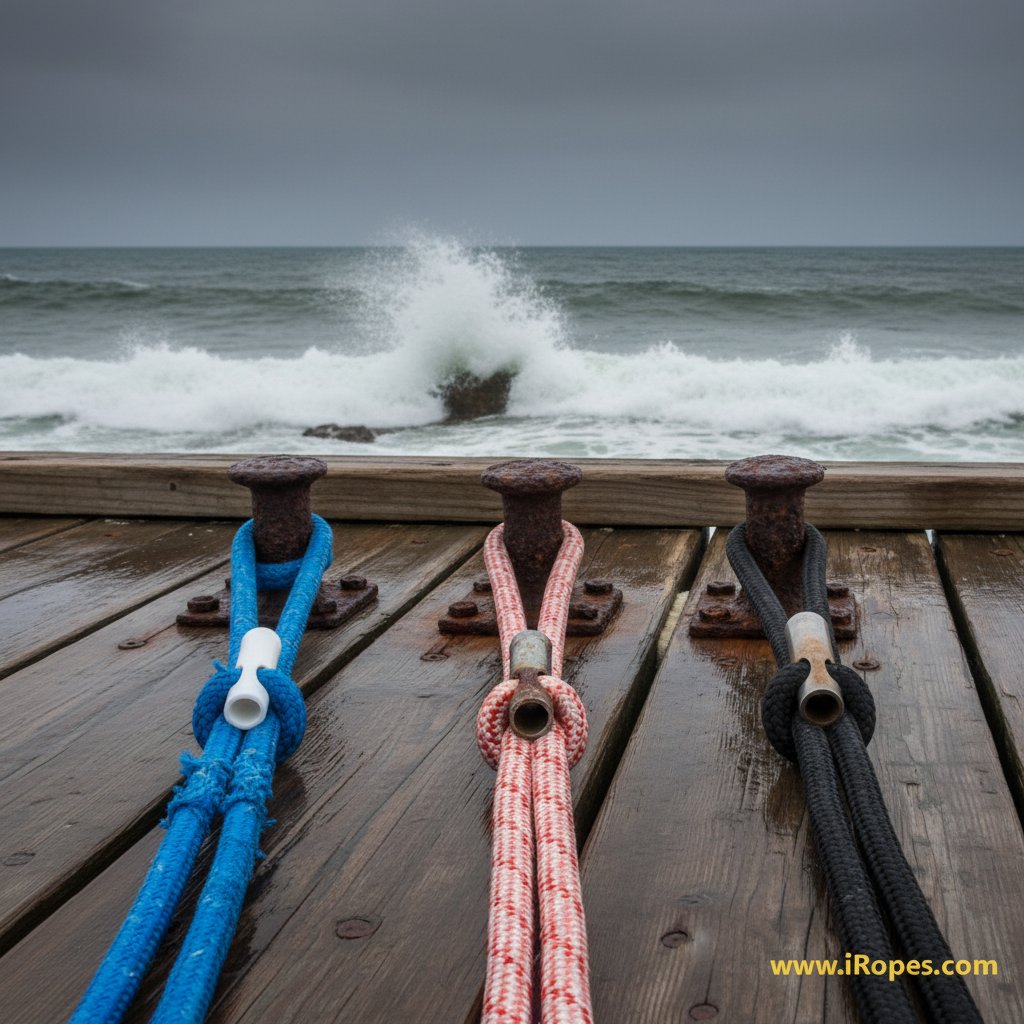
Now that you've got a handle on how nylon stacks up against those metal alternatives in keeping your lines secure through tough marine conditions, the next step is zeroing in on the perfect mooring thimble for your setup. It's all about matching the hardware to your rope's specifics and the demands of your activities, whether that's steady yachting excursions or the quick tugs of spearfishing gear. Start by eyeing the rope diameter—too loose a fit, and it won't shield properly; too tight, and insertion becomes a hassle. Load ratings come into play too, ensuring the thimble can handle the pull without deforming. For medium-duty jobs like docking a mid-sized boat, a nylon thimble rated around 5,000 to 10,000 pounds does the trick, flexing just right without adding unnecessary bulk. Explore our range of high-quality thimbles designed to strengthen and protect your rope systems.
What size nylon thimble do I need for my rope? Determining the right size for your nylon thimble boils down to a straightforward match with your rope's measurements. Grab a sizing chart from a reliable supplier—most list options where the thimble's inner width aligns with common diameters. For example, a 1/2-inch rope often pairs with a thimble that's about 3/4-inch across inside. This ensures the loop stays round under tension, preventing the flattening that leads to weak spots. If you're working with braided nylon line for yacht moorings, aim for a slightly deeper thimble to accommodate the weave without pinching. Mismatched thimbles can slip during strong swells, so always double-check against your rope specs for that snug, protective embrace.

Once sized up, installation keeps things simple yet secure, especially when weaving it into an eye splice. Firstly, form the loop in your rope, then slide the thimble inside before tightening the splice around it—this locks everything in place without kinks. Use a fid tool to thread the strands back through, pulling firm but not overly so to avoid stressing the fibres. For dock lines or anchor setups, test the hold with a gentle tug before full deployment. To ensure 98% rope strength retention, consider learning more about different types of rope splicing techniques for custom IP-protected splices. Regular inspections are critical: look for cracks along the edges, any deformation from impacts, or unusual wear that might signal it's time to swap. In high-load spots like yacht moorings, check monthly if you're in salty waters, feeling for smoothness and colour fading that could mean UV wear creeping in.
- Measure rope diameter accurately, ideally with calipers.
- Select a thimble with a matching inner size from a sizing chart.
- Insert the thimble during splicing and secure the strands tightly.
Replacement cues ramp up in demanding connections—replace if you spot deep grooves from rubbing or if the thimble's lost its shape after a season of heavy use. iRopes steps in here with OEM and ODM options, letting you customise marine thimble solutions with your branding or specific requirements for various rigging, all while upholding that ISO-certified durability. For tailored ropes that align with your needs, visit our customization guide to consider factors like material, diameter, and accessories. This tailored approach means your gear not only fits but performs, creating a mooring system that's built to last without constant tweaks.
- Cracks or Splits: Indicates overload; swap immediately to avoid rope damage.
- Deformation: Bent shape from impacts; check loads and replace for safety.
- Surface Wear: Rough spots from abrasion; inspect quarterly in active use.
Discovering how a nylon thimble outperforms metal in marine environments highlights its superior UV resistance, corrosion-proof design, and shock-absorbing flexibility. This ensures ropes in eye splices endure dynamic loads like those in yachting or anchoring. By comparing options—nylon's longevity against galvanised steel's affordability or stainless steel's rigidity—it's clear that for medium-duty moorings up to 10,000 lbs, nylon minimises abrasion and distributes stress effectively. Proper selection matches thimble size to rope diameter using charts, while installation involves securing it during splicing for optimal protection. Regular inspections for cracks, deformation, or wear, especially in high-load connections, signal timely replacements to maintain safety.
These insights empower you to fortify your marine setups with durable hardware, but tailoring solutions to your specific needs can elevate the performance further.
Need Custom Nylon Thimbles for Your Marine Applications?
If you'd like personalised advice on selecting the right mooring thimble or marine thimble materials, installation techniques, or load ratings from iRopes' ISO-certified experts, fill out the inquiry form above to connect with our team for wholesale, customised options.