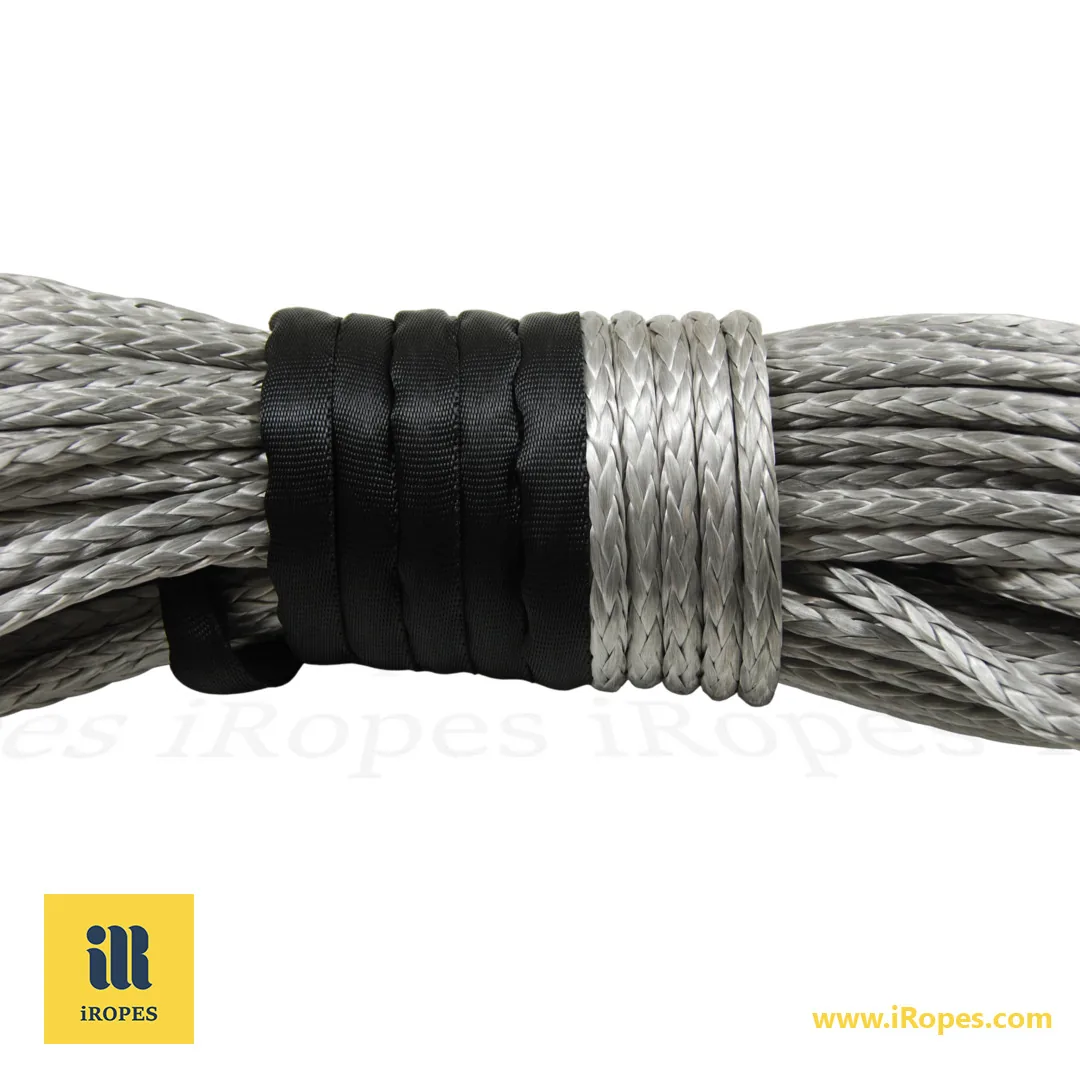
Polypropylene anchor ropes outsmart nylon by floating effortlessly on water (density 0.91 g/cm³ vs. nylon's 1.14 g/cm³); this slashes propeller snag risks by up to 70% in shallow deployments—making it perfect for yachting backups or dinghy ties. Discover why this lightweight champion beats expectations where visibility and cost count most.
Unlock Smarter Anchoring Insights in Just 12 Minutes →
- ✓ Master polypropylene's 10-20% low elongation for taut control in calm waters, solving sag issues that often plague nylon setups.
- ✓ Compare head-to-head metrics like UV resistance and shock absorption, gaining insights to select ropes that potentially extend gear life by 25%.
- ✓ Learn customisation tips from iRopes' ISO 9001-certified professionals, empowering you to tailor diameters and colours for yachting or camping needs.
- ✓ Avoid common pitfalls, like polypropylene's UV degradation, ensuring safer, budget-friendly choices that could save 15-20% on replacements.
You've probably reached for nylon for its stretchy reliability in storms. However, what if the real game-changer hid in polypropylene's clever buoyancy—keeping lines visible and propellers safe precisely when it matters most? iRopes reveals how this underestimated rope material excels in temporary moorings and secondary anchors, challenging conventional wisdom about marine ropes. Are you ready to uncover the counter-intuitive advantages that could transform your next boating excursion from potentially risky to effortlessly secure?
The Foundation of Safe Anchoring: Why Polypropylene Anchor Line Matters
Picture this: you're out on the water, the wind is picking up, and your boat needs to stay put against the current. That's where anchor lines come in. These are the unsung heroes keeping your vessel secure, preventing drifts that could lead to collisions or groundings. In marine safety, these ropes aren't just accessories; they're critical for stability during anchoring, whether you're dropping anchor for a quick lunch stop or weathering a squall overnight. Choosing the wrong material could mean the difference between a peaceful outing and a significant problem, so understanding your options is essential.

Enter polypropylene anchor line, a reliable choice that often goes unnoticed but offers several clever advantages. Made from a lightweight thermoplastic polymer, this material is notable for its buoyancy; it floats effortlessly on water thanks to a density under 1.0 g/cm³. This means that when you deploy the line, it remains on the surface, making it easy to spot and less likely to snag your propeller. It also offers solid strength, providing good tensile performance for holding loads without adding unnecessary weight. And its low elongation? We're talking about 10-20% stretch at break, which keeps things taut and responsive, reducing unnerving sag under tension.
But how does this compare to nylon, a material many boaters favour by default? The differences are significant, starting with their composition. Polypropylene is a chain of propylene molecules, giving it the low-density floatability previously mentioned. Nylon, a polyamide derived from different chemical bonds, has a higher density (over 1.0 g/cm³), causing it to sink. This fundamental difference affects everything from deployment to retrieval. Elasticity is another major distinction: nylon stretches 20-40% under load, which is excellent for absorbing shocks from waves. However, polypropylene's lower stretch means it holds its position more steadily in calmer conditions. Both materials offer strength, yet polypropylene boasts advantages in weight savings and handling ease, though it sacrifices some of nylon's resilience in rough seas.
Naturally, not all ropes are created equal. That's where quality comes in. At iRopes, we back our polypropylene anchor lines with ISO 9001 certification, ensuring every strand meets rigorous standards for consistency and reliability. This means you receive a product tested for demanding marine conditions, from strength to durability, without compromise. Whether you're outfitting a small dinghy or a larger yacht, knowing your line comes from a trusted source allows you to focus on the adventure, not the worries.
These core traits make polypropylene a smart option for scenarios where visibility and lightness are paramount.
- Buoyancy - Stays afloat to prevent underwater hazards and improve line tracking.
- Strength - Offers reliable tensile load capacity suitable for moderate anchoring needs.
- Low Elongation - Minimises stretch for precise control in stable waters.
Having established the basics of polypropylene anchor line, let's dive deeper into its standout features that give it an edge in certain scenarios.
Unveiling the Strengths of Polypropylene Anchor Rope
Building on foundational traits like buoyancy and low stretch, polypropylene anchor rope offers even more practical advantages, making it a preferred choice for discerning boaters in the right situations. Consider how frustrating it can be when your line disappears under the waves, risking a tangle with your propeller during retrieval. This rope's ability to stay afloat isn't just a novelty; it's a significant safety enhancement. By keeping the line visible on the surface, you can quickly spot issues and avoid underwater mishaps that could damage your gear or lead to more serious problems. For instance, on a recent weekend sail, a bright orange polypropylene line bobbed right on the surface, allowing for easy adjustments without blind manoeuvring. Coupled with its lightweight construction, handling becomes incredibly easy, even when you're coiling it single-handedly after a long day.
Cost also plays a significant role. Polypropylene tends to be more budget-friendly than many alternatives, offering essential functionality for moderate loads without excessive expense. This makes it an attractive option if you're outfitting for occasional use or equipping multiple vessels within a budget. However, these strengths are most evident in specific setups where extreme durability isn't the primary concern. For more on its versatile marine and camping applications, check out our guide on versatile uses for blue polypropylene rope.
Core Benefits
Practical edges for everyday boating
Enhanced Visibility
Floats on water, keeping the line visible and reducing risks during anchoring or retrieval.
Affordable Option
Lower upfront costs make it ideal for frequent or backup needs without breaking the bank.
Simple Handling
Lightweight and non-absorbent, remaining soft and manageable even after saltwater exposure.
Application Fit
Where it performs best
Secondary Lines
Supports main anchors by staying afloat and visible for quick adjustments.
Dinghies & Small Craft
Perfect for smaller craft where lightness prevents dragging and eases tying off.
Temporary Ties
Suits short yachting stops or camping setups, offering quick setup and retrieval.
Have you ever wondered why this rope is so effective in these particular situations? For secondary lines on a ketch or securing a dinghy at a lakeside camp, its floating nature keeps lines clear of propellers and debris. This ease of use also speeds up your routine. For yachting outings or casual camping by the water, it handles temporary mooring without the fuss of heavier materials, allowing you to focus on enjoyment instead of battling tangles.
That said, polypropylene has its limitations, especially when compared to tougher options like nylon. It doesn't hold up as well to prolonged sun exposure, meaning UV rays can weaken its fibres over seasons if constantly left exposed. Think of it like outdoor fabric fading on a patio chair after a summer. Its abrasion resistance is also lower, so rubbing against rocks or dock edges will wear it faster than more resilient types. Additionally, for shock absorption, it falls short, lacking the give that cushions sudden jerks from waves, which could strain cleats or chains in choppy conditions. These trade-offs mean it's best suited as a supporting player, not the primary line in stormy weather.

To maximise its utility, start with proper sizing: match the diameter to your boat's displacement—for example, 8-10mm for vessels under 30 feet—and ensure the length is at least three times your deepest anchoring depth for safety. At iRopes, we tailor these specifications through our customisation services, allowing you to select vibrant colours for better visibility or specific constructions, such as braided ropes for enhanced flexibility. This approach ensures your setup perfectly aligns with your yachting or camping adventures, guaranteeing reliability without excess.
While these benefits make polypropylene a clever choice for lighter duties, understanding how it performs against nylon in direct comparisons offers even sharper insights for your next voyage.
Polypropylene Nylon Rope: Blends and Direct Comparisons with Nylon
Having explored the practical advantages of polypropylene anchor rope for lighter marine tasks, it's time to examine its interaction with nylon—whether in blends or through direct comparison. Often, users search for "polypropylene nylon rope" hoping for hybrid solutions that combine the best attributes of both materials, such as easy floatation with added toughness. However, pure blends specifically for anchoring are quite uncommon; manufacturers typically stick to pure versions. Blending can sometimes muddy performance in ways that aren't always beneficial for anchoring. For example, you might find coated or composite lines where polypropylene forms the core with a nylon sheath for better wear, but these are niche products and not standard for dropping anchor. While they aim for balanced traits—like moderate stretch without full sinking—for most boaters, using separate materials allows you to choose precisely what suits your setup without compromise. To explore nylon's anchoring strengths further, see why double braid nylon anchor rope is superior in demanding conditions.
When you place pure polypropylene and nylon in a head-to-head comparison, their contrasts become immediately apparent. Consider buoyancy: polypropylene's lower density keeps it bobbing on the surface, a significant advantage for line visibility and avoiding propeller strikes. In contrast, nylon sinks due to its higher density. Shock absorption presents a different picture—nylon's greater elasticity absorbs wave jolts like a springy shock absorber on a bumpy road, protecting your boat's gear from sudden snaps. Polypropylene, conversely, remains firmer with less give, suitable for steadier conditions but risking more strain in gusts. UV resistance also differs significantly: nylon maintains its integrity longer under sun exposure, resisting the breakdown that affects polypropylene more quickly over time. And don't overlook cost-effectiveness: polypropylene is generally cheaper, making it a smart budget choice for backup lines or casual uses, even if nylon's superior durability may offer better long-term value.
Polypropylene
Buoyancy: Floats for easy visibility. Elongation: 10-20% for low stretch. UV Resistance: Moderate, needs protection. Cost: Lower, budget-friendly.
Applications
Best for temporary mooring, dinghy ties, or calm-water visibility needs.
Nylon
Buoyancy: Sinks for secure hold. Elongation: 20-40% for shock cushioning. UV Resistance: Stronger endurance. Cost: Higher, but lasts longer.
Applications
Suits primary anchors in rough seas or spots with heavy surge.
So, is nylon or polypropylene the superior choice for your anchor rope? It ultimately depends on the specific task: nylon takes the lead for main lines where its stretch effectively absorbs wave shocks in choppy conditions, ensuring everything remains secure without sudden jerks. However, polypropylene excels in calmer or short-term setups, such as a quick beach tie or stern line, where its ability to float means less hassle and better sightlines—think avoiding that underwater snag on a family outing. Both offer good tensile strength, with nylon typically outperforming polypropylene for heavy pulls, but your boat's size should always be a factor in your decision.
Have you ever swapped ropes mid-trip and noticed the distinct behaviours? These comparisons highlight why blending isn't always the ideal solution; pure options allow you to tailor your equipment precisely to the conditions ahead.
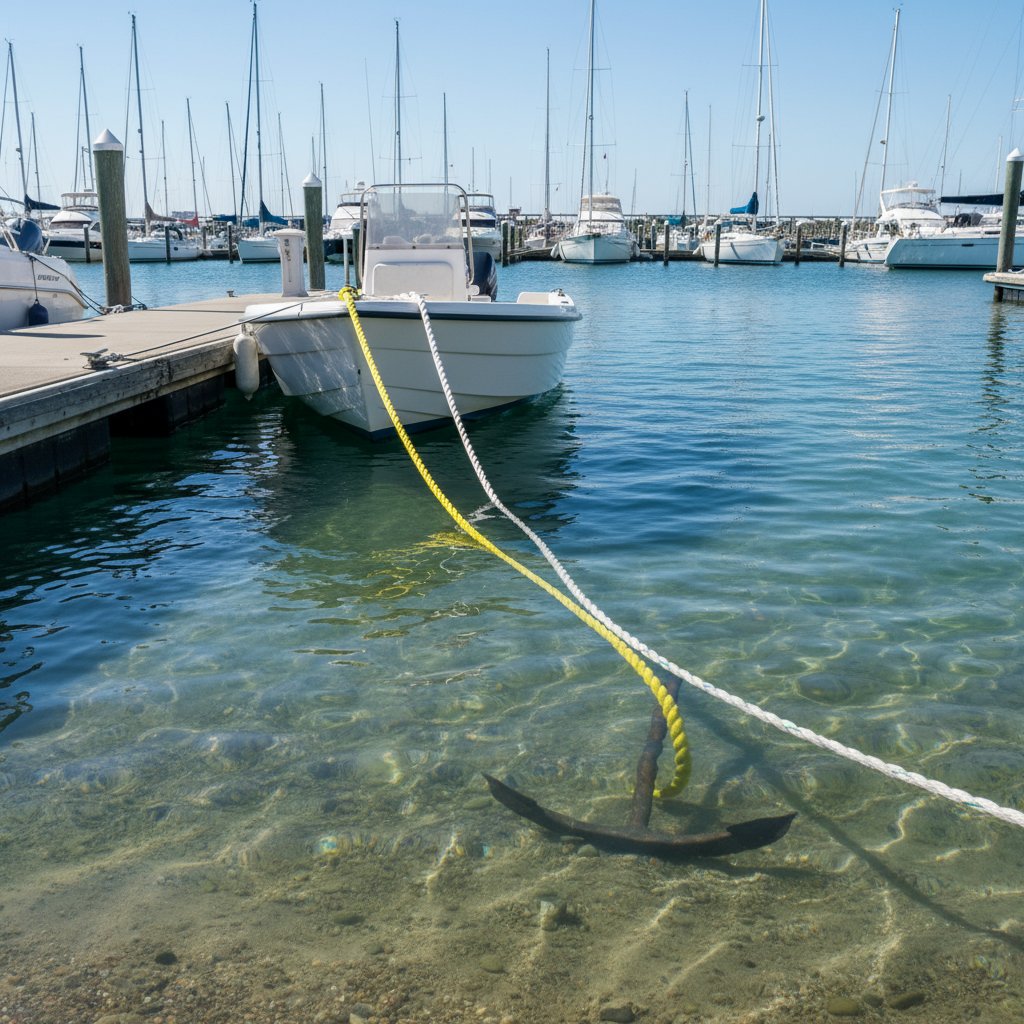
Understanding these differences empowers you to select the rope that best matches your boating style and environment.
Choosing and Maintaining Your Polypropylene Anchor Rope for Optimal Performance
With those material comparisons in mind, selecting the right polypropylene anchor rope begins with matching it to your individual boating situation. First, consider your vessel: is it under 20 feet or closer to 40? Smaller boats often pair well with thinner diameters, around 6-8mm, to keep equipment lightweight. Larger vessels, however, need 12mm or more to withstand stronger pulls without undue strain. Water conditions are also crucial; in sheltered bays with gentle currents, polypropylene's firmness works effectively, but if you anticipate swells, consider adding a snubber for extra shock absorption. The duration of your anchoring also matters—quick daytime stops suit its easy setup, but for multi-day holds, plan for backups, as extended exposure increases wear risks. Always incorporate safety margins: aim for a working load that is at least four times your expected maximum force to account for unexpected events like sudden gusts.
What type of rope truly stands out as the best anchor line overall? Nylon typically takes precedence for primary anchoring duties due to its forgiving stretch, which effectively mitigates wave impacts. This makes it a staple for overnight or rough-water anchoring where reliability is paramount. However, polypropylene excels in specific niches, such as when floating keeps the line clear of your propeller or provides a visual cue in busy harbours. Just remember to shield it from direct sunlight with covers or coatings to counteract its faster degradation from UV rays. The goal isn't to declare one universally superior but rather to select the material that best fits the specific role without overcomplicating your setup.
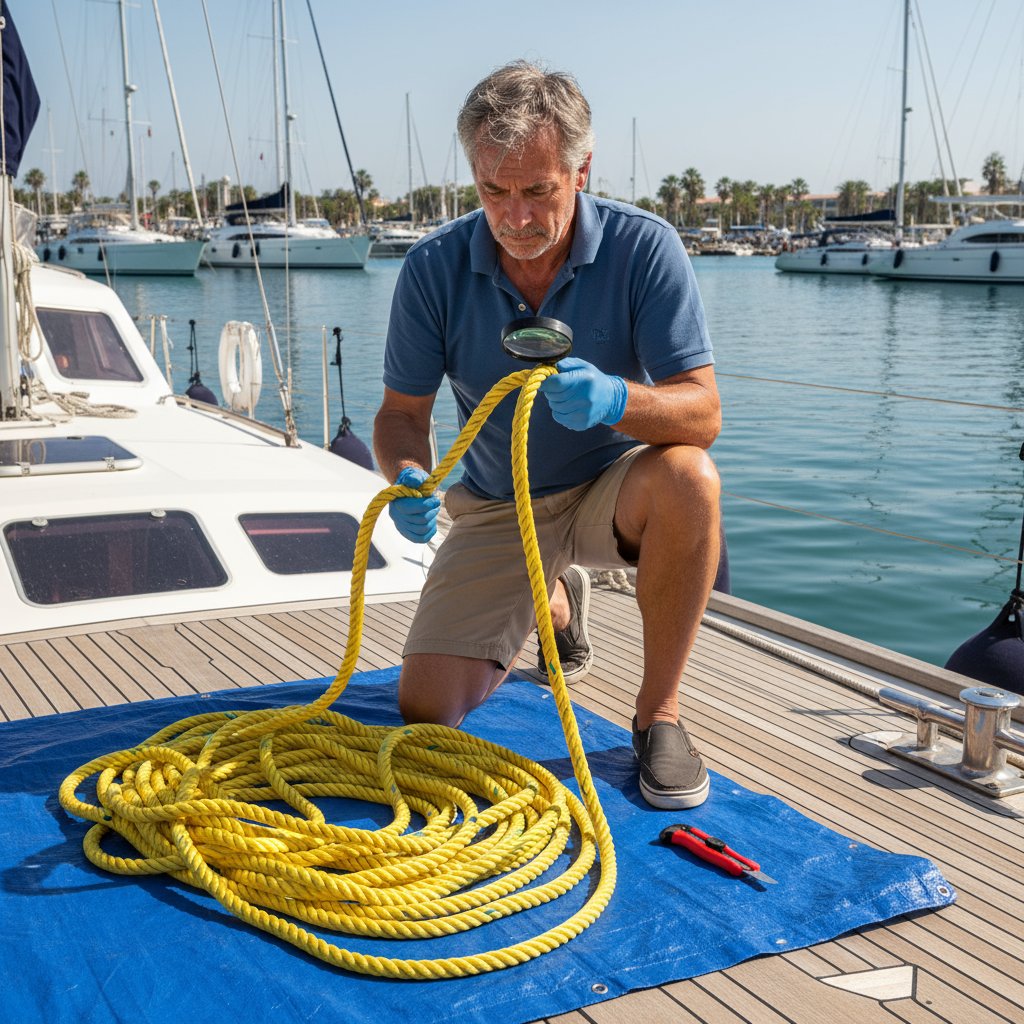
Once you've acquired it, maintaining your polypropylene anchor rope in top condition prolongs its usability and prevents unpleasant surprises. Begin with regular inspections: run your fingers along the entire length every few uses, feeling for fuzziness or stiff spots that indicate abrasion or sun damage. If you notice colour fading or brittleness, replace it immediately—it's always better to be safe than to experience a snap during a critical moment. For storage, coil it loosely in a shaded area, away from direct sunlight; UV exposure is most damaging when the rope is coiled tightly and forgotten on deck. Rinse off salt after saltwater use to prevent buildup, and hang it to dry to avoid mildew, though its non-absorbent nature makes this easier than with more porous materials.
- Perform a visual scan for cracks or discolouration after each outing.
- Clean with fresh water and mild soap, then air dry completely.
- Store in a cool, dark place; use UV-protective bags for longer storage periods.
At iRopes, our OEM and ODM services allow you to incorporate durability from the outset. We can add UV stabilisers or branded sleeves that also function as sun shields for lasting performance. We craft these solutions for wholesale orders, customising diameters from 6mm upwards, lengths to match your specific depths, and including accessories like thimbles or loops tailored for yachting professionals or defence operations. Imagine outfitting an entire fleet with ropes that not only float perfectly but also bear your company's logo, shipped directly to ports worldwide—this is how we transform specifications into seamless, durable gear that performs reliably trip after trip. Learn more about our rope customization options to fit your exact needs.
Implementing these informed choices and maintenance habits ensures your setup remains optimal, ready for whatever the water may present.
Discovering the nuanced versatility of polypropylene anchor line in marine scenarios reveals its distinct advantages: floating effortlessly for enhanced visibility and propeller safety, while offering cost-effective strength with low elongation for stable holds in calmer waters. Ideal for secondary lines, dinghy mooring, or temporary yachting and camping setups, this polypropylene anchor rope surpasses nylon in lightweight handling and affordability. However, it does require UV protection to mitigate its limitations in abrasion resistance and shock absorption. While blends like polypropylene nylon rope offer balanced options for niche uses, selecting pure materials ensures optimal performance when matched to your boat size and conditions. This is further enhanced by proper sizing and routine maintenance for lasting safety.
Armed with these insights, you are now equipped to choose and care for ropes that will truly enhance your boating adventures without unnecessary risks. For tailored solutions that align with your specific marine needs, iRopes' customisation expertise can further elevate your setup.
Customise Your Polypropylene Anchor Solutions Today
If you're interested in personalised guidance to select or design the perfect polypropylene ropes for your anchoring systems, please use the inquiry form above to reach out to our iRopes specialists—we're here to help refine your choices for safer, more efficient voyages.