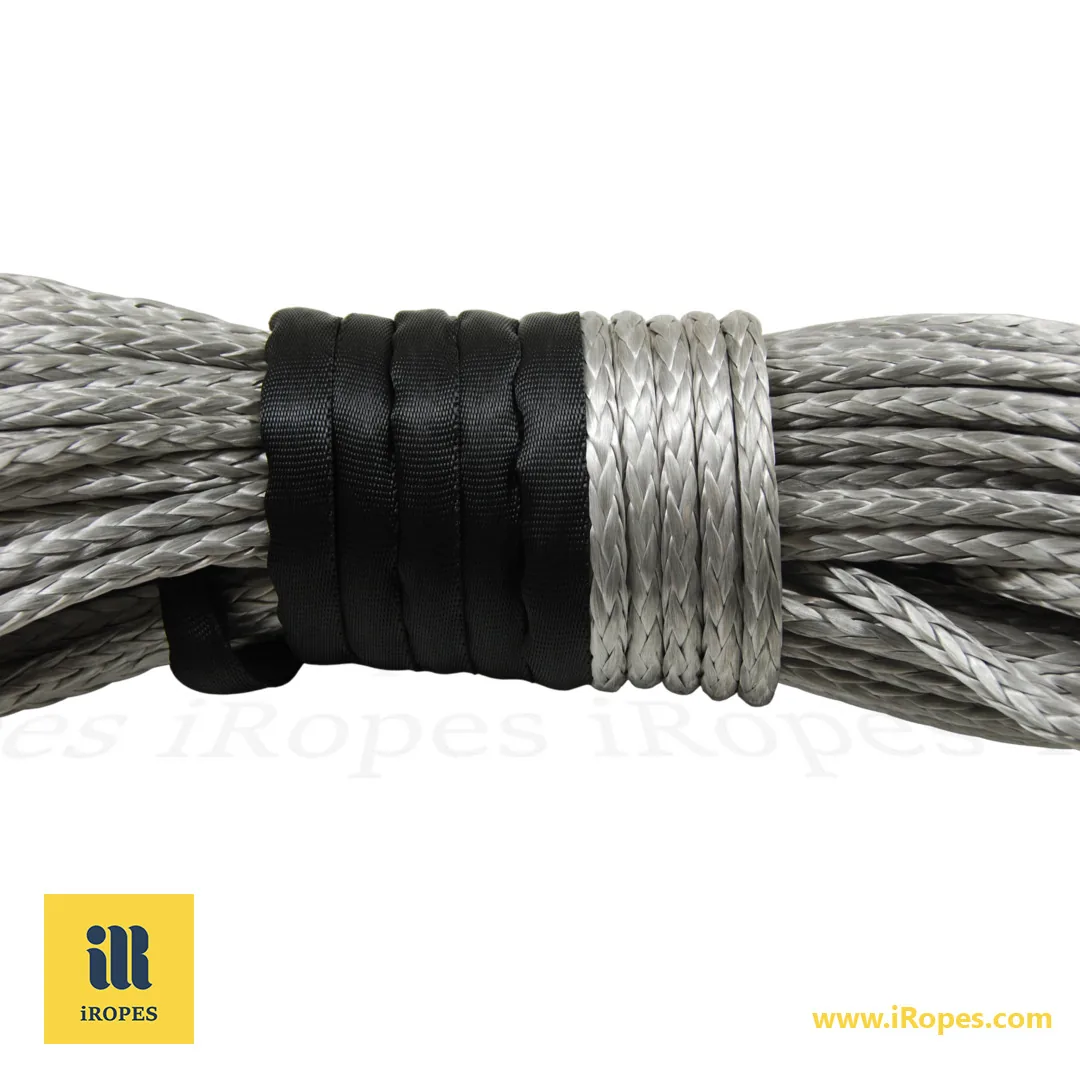
In the brutal saltwater grind of marine hell, synthetic slings outlast traditional wire rope and chain. They resist corrosion 5x better and weigh just 20% as much—delivering safer, faster lifts without scratching your yacht's hull. Discover why they're revolutionising rigging for yachting and spearfishing pros.
Unlock Marine Lifting Mastery in ~8 Minutes → Gain Expertise on Synthetics
- ✓ Cut Fatigue by 80% with lightweight nylon or polyester designs that handle heavy loads without the back-breaking heft of metal chains.
- ✓ Boost Safety Ratings through non-marring surfaces and shock absorption up to 15%, preventing slips and hull damage in rough seas.
- ✓ Extend Gear Life 3x via UV and saltwater resistance, slashing replacement costs for offshore and spearfishing operations.
- ✓ Master Custom Fits with iRopes' OEM tweaks for exact diameters and accessories, solving your unique yachting rigging puzzles.
You've probably trusted rusty chains for years, believing they'd endure anything the ocean throws. But what if a lightweight synthetic strap silently outperforms them, shrugging off UV rays and salt spray without a single failure? In marine hell, where one scratch can cost thousands in repairs, this shift isn't just smarter; it's essential for pros demanding precision. Stick around to uncover the exact types and inspections that turn potential disasters into seamless successes.
Understanding Synthetic Slings: The Modern Revolution in Lifting
Imagine you're out on the water, battling waves and salt spray, trying to secure heavy gear without scratching your boat's hull. Traditional lifting tools often make that a nightmare. However, synthetic slings change the game entirely. These aren't your grandfather's ropes; they're engineered for today's toughest jobs.
Synthetic slings are flexible, lightweight tools designed for lifting and rigging loads safely and efficiently. Made primarily from strong synthetic fibres like nylon or polyester, they form the backbone of modern material handling. To put it in perspective, the three primary types of lifting slings are synthetic slings, wire rope slings, and chain slings. Synthetic versions stand out for their softness and adaptability, while wire rope offers brute strength for extreme weights. Chain provides unmatched durability in high-heat scenarios. For most everyday lifts, especially in sensitive environments like yachting, synthetics take the lead because they're easier to manoeuvre and kinder to the cargo.
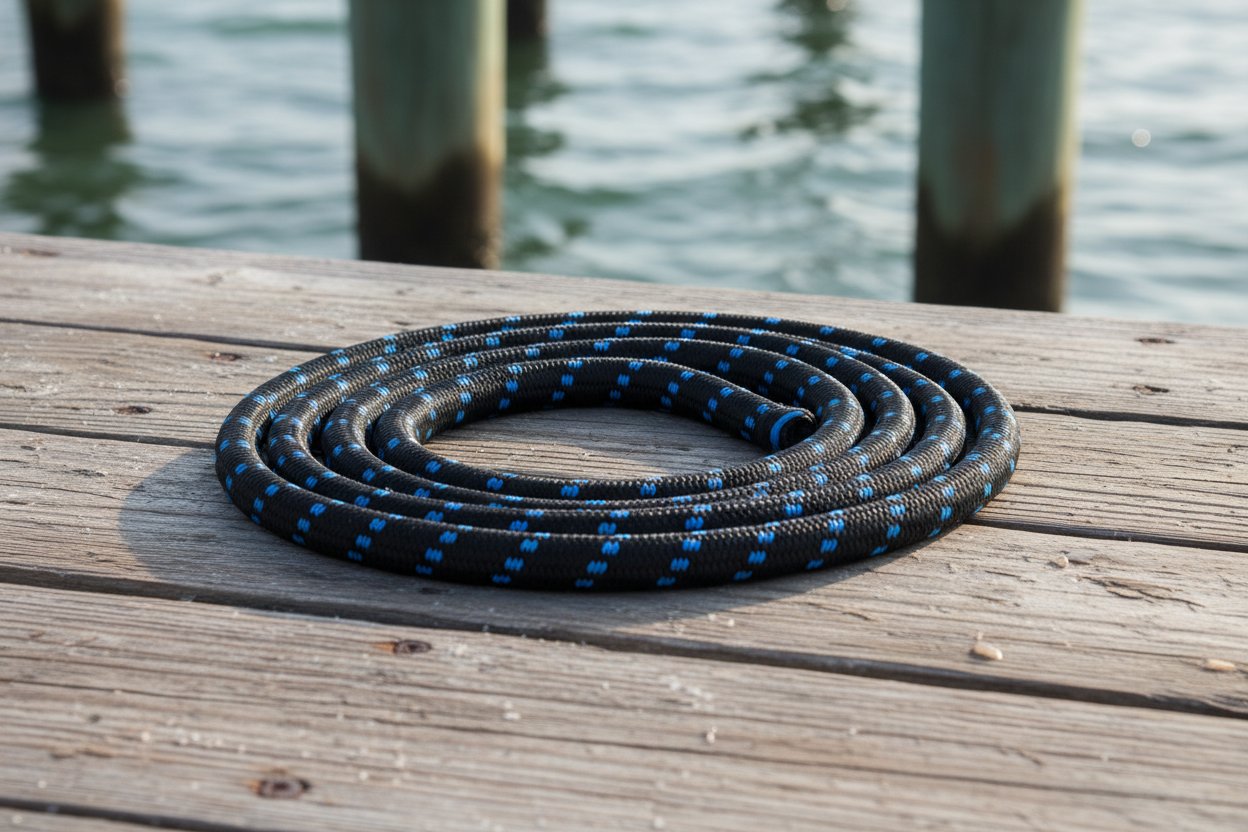
What really sets synthetic lifting slings apart from older options like wire rope or chain is their practical edge in real-world use. Consider corrosion: saltwater eats away at metal gear over time, leading to weak spots and failures. Synthetics shrug that off, staying strong in wet conditions without rusting. They're also non-marring, meaning they won't gouge or scratch delicate items like boat hulls or polished equipment. This is a lifesaver in marine settings where every surface counts.
- Lightweight design: Cuts down on worker fatigue during long hauls, making them ideal for offshore tasks.
- Shock absorption: Their slight flexibility helps dampen sudden jerks, reducing stress on both the sling and the load.
- Cost-effectiveness: They last longer in harsh weather without the upkeep metal needs, saving time and money.
The shift to synthetic slings didn't happen overnight. It evolved as industries demanded better tools for tough spots. In the past, wire and chain ruled because they were tough; however, they struggled with environmental wear. UV rays from the sun weaken fibres over time, and constant saltwater exposure accelerates breakdown. Synthetics, on the other hand, are built to thrive there. Polyester, for instance, holds up against ultraviolet damage far better than natural fibres ever could, while nylon offers resilience in alkaline-heavy waters. This evolution means you get reliable performance without the constant replacements, especially when dealing with the relentless grind of marine operations.
Have you ever dealt with a rusted chain snapping at the worst moment? Synthetics minimise those risks, paving the way for smarter choices in design and materials that fit your exact needs. Now that we've explored the foundational benefits of synthetic slings, let's dive deeper into their specific designs and material choices to see how they adapt to demanding environments.
Synthetic Lifting Slings: Types, Materials, and Customisation Options
Building on those smarter choices in design and materials, let's get into the specifics of synthetic lifting slings. Knowing the right type and material can make all the difference when you're rigging gear in choppy waters or handling sensitive equipment. These slings come in configurations that adapt to various jobs, ensuring you lift safely without the headaches of heavier, rigid alternatives.
One common example of a synthetic sling is the eye-and-eye web sling, which features flat webbing with sewn loops at each end for easy attachment to hooks or shackles. Picture using this on a yacht deck to hoist anchors or sails; its soft edges prevent scratches on fibreglass hulls, unlike metal chains that could mar the finish. Another variant is the endless web sling, a continuous loop without ends, perfect for wrapping around irregular loads like spearfishing gear bundles. Then there are round slings, which look like a sleeve of braided fibres with a strong core inside, ideal for heavy, cylindrical items such as boat engines. These examples show how synthetic lifting slings offer versatility for marine tasks, whether you're choker-hitching a propeller or basket-lifting crates offshore.
- Eye-and-eye web slings for straightforward vertical lifts on docks.
- Endless loops for repetitive, multi-directional rigging in waves.
- Round slings for maximum flexibility around bulky marine cargo.
When selecting materials for these slings, the choice between nylon and polyester boils down to your environment's demands, especially in the relentless exposure of marine hell. Nylon stands out for its resistance to alkaline substances, like those in cleaning solutions or seawater. It also has a bit more stretch—about 10-15% under load—which helps absorb shocks from sudden swells. However, that flexibility means it might elongate more during prolonged use. Polyester, on the other hand, excels against acids and ultraviolet rays, common foes in sunny, salty conditions; it barely stretches, under 2-3%, keeping loads stable. For instance, if you're spearfishing in acidic coastal waters, polyester's low absorption prevents weakening from moisture, while nylon might suit calmer, alkaline-heavy yacht marinas.
Nylon
Best for shock-prone lifts
Alkaline Resistance
Handles basic chemicals in seawater without degrading quickly.
Moderate Stretch
Offers cushioning for dynamic loads like rocking boats.
Heat Tolerance
Up to 90°C before strength loss, fine for most marine work.
Polyester
Ideal for stable, exposed use
UV Resistance
Maintains integrity under prolonged sunlight on open seas.
Low Stretch
Keeps precise control during heavy yacht manoeuvres.
Acid Resistance
Resists degradation from battery acids or coastal pollutants.
At iRopes, we take this further with our OEM and ODM services, crafting slings to your exact specifications. You might need a 50 mm diameter polyester round sling, 3 metres long, with a braided core for extra strength in spearfishing hauls. Alternatively, you might require nylon eye-and-eye versions with thimble reinforcements and custom loops for yacht davits. We adjust lengths from 1 to 15 metres, incorporate accessories like wear pads, and even add colour coding for quick identification on busy decks. This tailoring ensures your gear performs exactly as needed, without compromise.

Ever wonder how the right sling type could simplify your next offshore job? With these options in hand, synthetic lifting slings open up reliable ways to handle everything from delicate instruments to rugged loads. With a grasp on the variety and materials of synthetic lifting slings, it's time to examine their real-world applications, particularly where they truly shine in challenging marine settings.
Synthetic Web Slings in Action: Dominating Marine and Industrial Applications
With those tailored options ready to simplify your offshore jobs, synthetic web slings step up as the workhorses for hands-on scenarios where precision matters most. These flat, woven bands of synthetic material—typically nylon or polyester—offer unmatched versatility for handling loads that demand care. If you're wondering what synthetic web slings really are, they're essentially broad straps designed for lifting, with reinforced eyes or loops at the ends for secure connections. Unlike bulkier round versions, their flat profile hugs surfaces snugly, making them perfect for wrapping around awkward shapes without slipping. In practice, this means you can lift polished boat parts or sensitive fishing gear without leaving a mark, a far cry from the gouges that come with harder tools.
Picture securing a sleek yacht tender onto the deck; the web sling's smooth texture glides over gelcoat finishes, protecting them from scratches that could lead to costly repairs. For equipment like outboard motors or dive tanks, their non-abrasive nature ensures everything arrives intact, even after repeated use in rough handling. This gentleness stems from the material's inherent softness, which distributes pressure evenly and absorbs minor impacts, reducing the chance of hidden damage over time.

In marine settings, these slings truly dominate, especially for yachting, where you might hoist sails or davits in constant saltwater spray. Their resistance to corrosion keeps them pliable after exposure, unlike chains that stiffen and weaken from oxidation. For spearfishing operations, they bundle heavy tanks or harpoon gear offshore, shrugging off UV rays that would fade lesser materials—polyester versions particularly excel here, maintaining colour and strength through long days under the sun. Abrasion from barnacle-covered docks or rocky shores? Web slings wear it better than traditional metal links, which grind away and require frequent swaps. Offshore work benefits too, as their lightweight build eases deployment from cranes in windy conditions, cutting down on crew strain during extended shifts.
Chain Rigging
Durable for extreme heat but heavy and prone to rust in wet areas.
Wire Rope
Offers high strength yet scratches loads and corrodes in saltwater.
Rope Rigging
Flexible basic option but lacks the tailored strength for heavy marine pulls.
Synthetic Web
Lightweight, flexible choice that protects loads and resists harsh elements best.
When it comes to rigging methods overall—the four main ones being rope, wire rope, synthetic, and chain—synthetic web slings edge out the pack for flexibility in tough spots. They conform to irregular loads without kinking like wire might, and their shock-absorbing quality prevents snaps under dynamic sea forces, all while shielding valuable gear from harm. In harsh conditions, this adaptability turns potential disasters into smooth operations, but keeping them in top shape demands regular checks to catch any early wear. Having seen how synthetic web slings excel in practice, ensuring their safe and effective use through proper maintenance and compliance is crucial for long-term reliability.
Safety and Maintenance: Maximising the Lifespan of Synthetic Slings
Keeping those synthetic web slings in top shape through regular checks isn't just smart—it's essential to avoid accidents in the unforgiving world of marine lifting. Once you've got the right sling for the job, knowing how to inspect and maintain it ensures it performs when you need it most, especially after battling saltwater and sun all day.
Start with a thorough pre-use inspection every time you rig up. Look for obvious signs of trouble: cuts or tears in the webbing that could weaken the structure, discoloration from chemical exposure like acids or alkalis that might compromise the fibres, and fading or brittleness from UV rays that signal degradation. According to OSHA guidelines and ASME B30.9 standards, retire any sling showing these issues immediately—no second chances when lives and loads are on the line. For a quick checklist, run your hands along the length, checking stitching integrity and tag legibility for capacity ratings. I remember inspecting a polyester sling on a yacht dock once; a small UV-faded spot I caught early saved a potential failure during a heavy lift. How often do you pause to really feel for those hidden flaws?
- Cuts and abrasions: Feel for nicks deeper than surface level; retire if they penetrate the outer cover.
- Chemical damage: Check for stiffening or powdery residue from spills; nylon handles alkalis better, but both materials suffer from prolonged acid contact.
- UV degradation: Note colour loss or reduced flexibility; polyester resists this longer in sunny exposures.
Beyond inspections, consider how environmental factors play into their longevity. Synthetic lifting slings handle temperatures from -40°C to about 93°C before strength drops. However, extreme heat—like near engine exhausts—can melt fibres, so keep them clear. For sharp edges on marine gear, add edge protection sleeves to prevent snags, extending life by distributing pressure. In salty, wave-battered settings, rinse with fresh water after use to flush out corrosive residues, and store them out of direct sunlight in a cool, dry spot to fend off further UV harm. These steps are crucial for spearfishing setups or offshore rigging, where one overlooked detail could spell trouble.

That's where iRopes steps in with our ISO 9001-certified processes, guaranteeing every custom sling we produce meets or exceeds global standards for safe, reliable performance. Our IP-protected designs let you get tailored solutions—like reinforced edges for specific marine hazards—without worrying about copycats, all while supporting smooth exports to demanding markets worldwide. This commitment means your operations run smoother, safer, and with gear built to last.
In the brutal arena of marine hell, synthetic slings emerge as the clear victors over traditional wire rope and chain, delivering lightweight strength, corrosion resistance, and non-marring protection for valuable yacht hulls and gear. Exploring synthetic lifting slings, we've seen how nylon's alkaline tolerance and moderate stretch suit shock-heavy tasks, while polyester's UV and acid resistance ensures stability in salty, sun-baked conditions—perfect for spearfishing hauls or offshore rigging. Synthetic web slings, with their flat versatility, dominate applications by hugging loads without damage, far outclassing rigid metal options in flexibility and longevity.
Mastering safety through rigorous inspections for cuts, chemical wear, and UV degradation, as per OSHA and ASME standards, maximises their lifespan amid environmental assaults. With iRopes' custom OEM/ODM solutions, you can tailor these innovations to your exact needs, elevating operations with ISO 9001-backed reliability. If this sparks ideas for your marine setup, personalised guidance could refine your choices further.
Customise Your Synthetic Slings with iRopes Today
Ready for tailored advice on selecting or customising synthetic slings for your marine challenges? Use the inquiry form above to connect with our experts—we're here to help optimise your lifting solutions with precision and care.