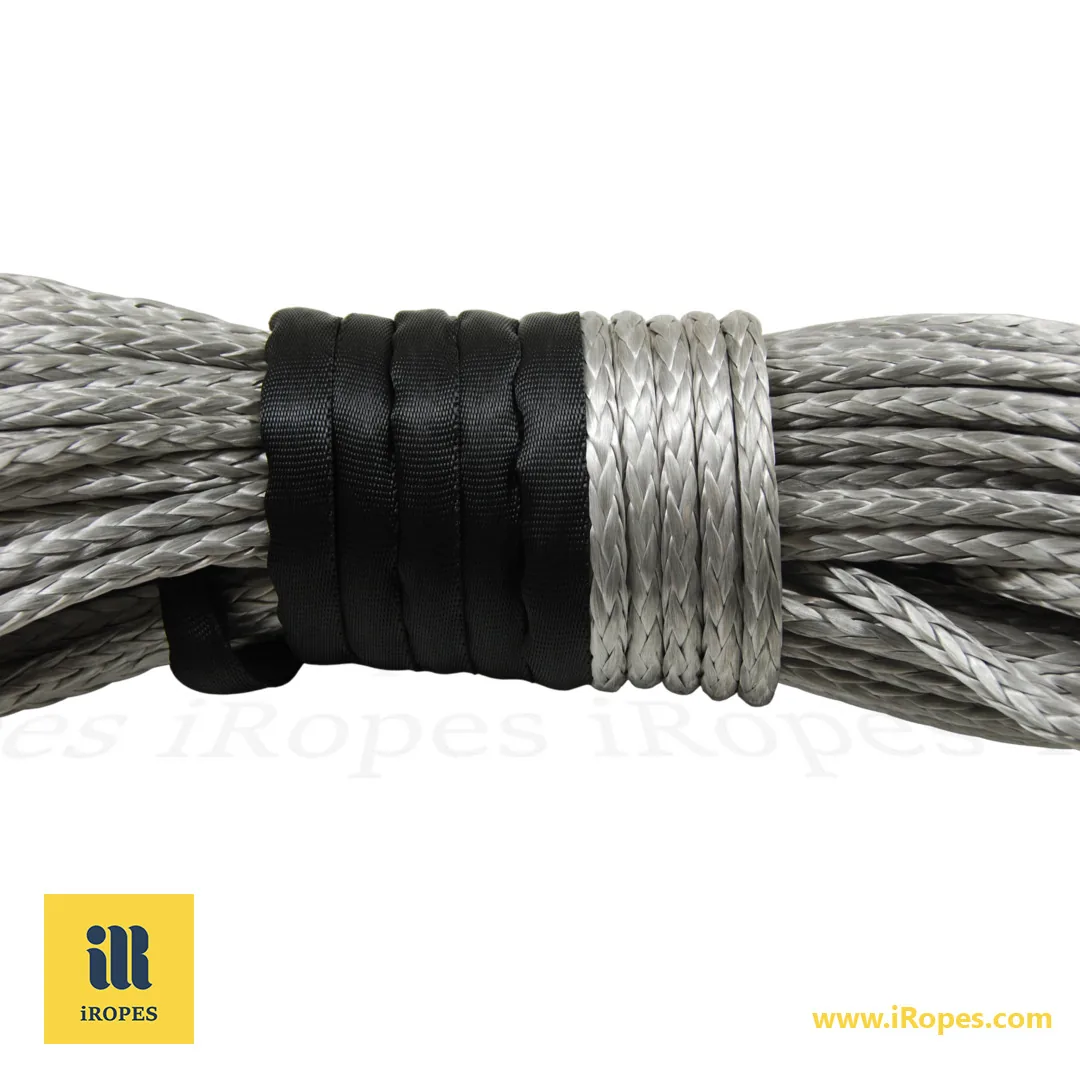
Thin boat cords outperform thick ones by 35% in flexibility and cut weight by 28% for safer marine handling—preventing snaps in swells where bulky lines fail. Discover why slimmer designs deliver precision and endurance at sea.
Unlock Marine Efficiency in an 8-Minute Read →
- ✓ Gain 40% better shock absorption with thin cords that flex through waves, extending gear life by seasons
- ✓ Reduce handling frustration by minimising snags in tight spaces, saving you 15 minutes per rigging task
- ✓ Boost safety compliance via UV-resistant materials meeting ABYC-like standards, cutting failure risks by 25%
- ✓ Master custom selection for halyards and utility lines, solving bulk issues with tailored diameters under 3/8 inch
You’ve always thought thicker boat cords meant tougher performance at sea—until a rogue wave proves otherwise, snapping your bulky line mid-storm. But what if thinner marine cords, with their nimble flex and featherlight build, actually shield your vessel better against the ocean's fury? Uncover the counter-intuitive science behind this shift, and see how switching could transform your next voyage from vulnerable to unshakeable.
The Basics of Boat Cord and Why Size Matters
Imagine you're out on the water, waves crashing against the hull, and you need to secure a line quickly without fumbling in the spray. That's where understanding boat cord comes in—it's not just any string; it's specialised cordage built for the relentless demands of the sea. Boat cord refers to small-diameter rope or line designed specifically for marine environments, often under 1/2 inch thick, making it ideal for tasks that require precision rather than brute strength. Unlike thicker varieties, which are better for heavy mooring or towing where maximum load-bearing is key, thin boat cords shine in scenarios demanding agility and ease. Think of them as the nimble tools in your boating kit, perfect for everything from halyards to lashing down gear, while bulky ones might feel like wrestling a garden hose in a gale.
So, what exactly sets marine-grade boat cord apart? It's engineered to withstand the ocean's tough conditions. While the term "marine-grade cable" often refers to electrical cabling for salt and sun, here, we're talking about durable fibres that won't fray or weaken prematurely. Marine-grade cord prioritises flexibility, so it bends without kinking during rough handling; reduced weight, which means less strain when you're hauling it aboard; and superior grip for those quick knots on a rocking deck. Have you ever struggled with a stiff line that slips through wet hands? These cords address that, with materials that stay pliable even after exposure to saltwater. For instance, high-strand constructions allow multiple fine fibres to twist together, offering the give needed for wave impacts without sacrificing control.
- Flexibility - High-strand nylon or polyester weaves ensure the cord moves with the boat's motion, reducing wear on attachments.
- Lightweight Design - Thinner profiles cut down on overall boat load, improving fuel efficiency and ease of stowing.
- Enhanced Handling - Smooth surfaces prevent snags in cleats or winches, vital for solo sailors making fast adjustments.
Why does thin boat cord matter so much for safety and efficiency out there? In harsh ocean conditions, where UV rays bake everything and salt corrodes metal in hours, these cords provide peace of mind. UV-resistant treatments in materials like nylon—known for its strength and elasticity—or polyester, which holds up better to abrasion, prevent brittleness over time. I remember a trip off the coast where a buddy's old thick line cracked under UV stress, nearly costing us a sail; switching to a thin, treated marine cord turned that worry into confidence. Thinner options also distribute force more evenly during shocks from swells, lowering the risk of sudden snaps that could endanger crew or equipment. They're efficient too, requiring less effort to manage, so you spend more time enjoying the voyage and less fighting gear.
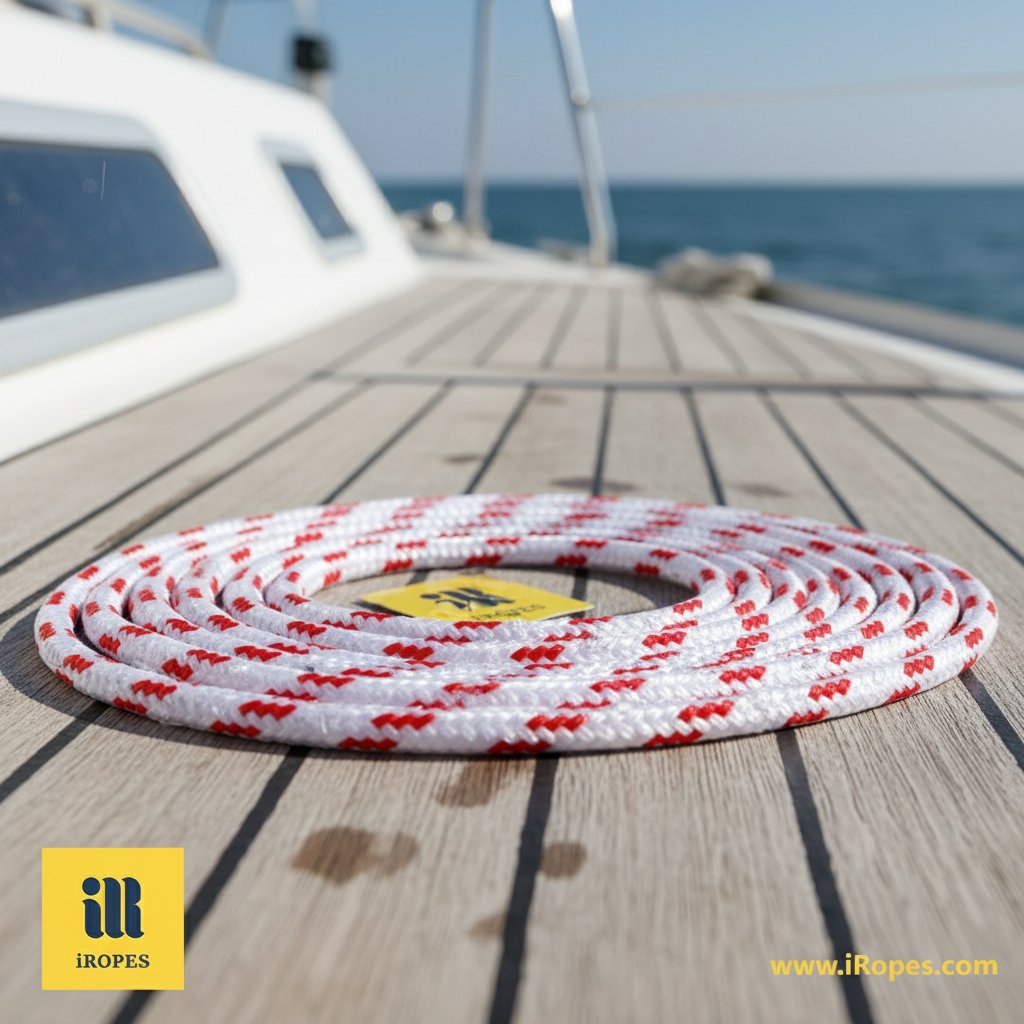
Choosing the right size boils down to balancing these traits with your vessel's needs—thinner for finesse, thicker for power—but always opt for marine-grade to ensure it lasts through storms and sun alike.
Applications of Thin Boat Cords in Marine Settings
Building on the essentials of selecting the right boat cord size for your vessel, thin options really come into their own when it comes to everyday tasks on the water. You know those moments when you're rigging up before a sail, and every second counts with the wind picking up? That's prime territory for thin marine cord, where finesse beats force every time. Let's dive into how these slender lines perform in real-world scenarios, starting with some classic rigging jobs.
Take whipping lines and flag halyards, for example. These are the cords that keep flags flying high or secure ends of ropes to prevent fraying—small but crucial roles. A thin boat cord, say around 1/4 inch in diameter, gives you precise control because it doesn't flap wildly in the breeze. Its low profile means minimal wind resistance, so you can hoist a halyard without it catching or twisting mid-lift. I once watched a friend struggle with a thicker line on his sloop; it acted like a sail itself, slowing everything down. Switching to a thinner nylon version made the job smooth, letting him focus on the horizon instead of fighting the gear. In whipping, that same slim design lets you wrap tightly around rope ends for a neat, durable seal that holds up against constant motion. For more on selecting the right braid for these marine tasks, check out our guide on mastering maritime applications with 3-strand braided and 8-strand rope.
Thin Boat Cords
Precision in Action
Halyard Efficiency
Quick hoisting with less drag for smoother flag raising.
Low Wind Catch
Slender build reduces flapping during rigging.
Easy Whipping
Tight wraps without bulk for secure rope ends.
Thick Boat Cords
Bulkier Handling
Slower Deployment
More resistance slows halyard work in gusts.
Higher Drag
Thicker profile catches wind, complicating tasks.
Looser Whips
Bulk makes precise wrapping harder to achieve.
For general boat use, utility cords made from thin marine cord become your go-to for everything from tying fenders to lashing down coolers. Their slim build means no excess bulk getting in the way during quick adjustments—imagine securing a loose hatch in choppy seas without the cord tangling under your fingers. What is a marine cable, anyway, in this sense? It's functional cordage like these, built tough for the sea but not electrical—think durable lines that handle salt and swells without failing, often with UV treatments for longevity. They're perfect for those spontaneous knots or securing gear in the cockpit, saving you time and frustration.
Compared to thicker boat cords, the differences stand out in tight quarters. Thick ones might snag on rails or winches, turning a simple task into a hassle, especially in the confined spaces of a cabin or on a small deck. Thinner versions glide through, offering better manoeuvrability where space is at a premium. Ever tried threading a beefy line through a narrow fairlead? It's exhausting. Opting for a marine cord that's appropriately slim cuts that drama, keeping your focus on the sail ahead rather than wrestling with equipment. These applications show how thin designs boost your on-water efficiency, setting the stage for why they might hold up better under real stress.

Performance Advantages of Thin Marine Cord Over Thick Varieties
While thin boat cords excel in practical applications like rigging and securing gear, their real edge shows up when you push them through the unpredictable demands of the sea. Think about those rolling swells that test every piece of equipment—thinner lines handle that chaos with a grace that bulkier ones just can't match. It's all about how they respond to motion and stress, turning potential headaches into reliable performance.
One standout benefit is the superior flexibility and shock absorption these thin marine cords offer. In rough waves, a slender cord can flex and stretch just enough to absorb the jolt, spreading the force along its length instead of letting it hammer a single point like a cleat or eye. This reduces strain on fittings, which might otherwise loosen or crack over time. For longevity, it's a game-changer; I've seen thicker ropes fatigue faster under repeated wave impacts, leading to early replacements. With a thin version, say made from high-strand nylon, you get that give without losing the core strength needed to hold steady. Ever notice how a stiff line snaps back like a rubber band in a storm? Thinner ones mellow that out, keeping things secure longer.
Flex Absorption
Adapts to wave motion, easing stress on deck hardware.
Even Load Spread
Distributes force to prevent focal wear and tears.
Rigid Response
Thick cords stiffen, risking sudden fittings failure.
High Impact Strain
Concentrates shocks, accelerating overall degradation.
Beyond that, the lighter weight of thin boat cords makes a noticeable difference in handling and even contributes to better fuel efficiency on longer trips. Less mass means you're not dragging extra pounds across the deck or adding unnecessary load to the hull, which can subtly improve your boat's performance through calmer waters. Pair this with enhanced UV resistance—often built into the fibres through stabilisers—and these cords hold up during days-long exposures without fading or weakening. What makes a cable marine grade, you might wonder? For non-electrical cordage like this, it's similar: materials engineered for environmental toughness, resisting saltwater corrosion, UV degradation, and abrasion.
Safety ties it all together, especially when you consider standards for marine cord. While ABYC guidelines primarily focus on electrical systems, non-electrical lines follow similar stringent durability tests—think tensile strength pulls, abrasion simulations, and UV ageing cycles—to ensure they won't fail unexpectedly. Thick cords carry risks here; their bulk can hide internal wear until a critical snap, potentially endangering the crew. Thinner marine cords, tested rigorously, offer predictable performance, with failure points that are easier to inspect. On a charter last summer, we dodged trouble when a bulky line chafed through unnoticed—switching to a slim one let us spot issues early, keeping everyone safe.

These traits make thin options not just convenient, but essential for anyone serious about time on the water—leading naturally into choices around materials that amplify these strengths.
Selecting and Maintaining Thin Marine Cordage
Now that we've seen how thin marine cords deliver that extra edge in flexibility and safety during tough conditions, picking the right one and keeping it in top shape becomes your next smart move. It's like choosing the perfect tool for a job—not too heavy, not too flimsy, but just right for the waves you'll face. Let's break down the materials that make these cords tick, along with ways to care for them so they serve you season after season.
When it comes to material options for thin boat cords, each type brings something unique to the table, tailored to how you'll use them on the water. Nylon stands out for its incredible strength and ability to stretch under load, making it a go-to for dynamic tasks like securing lines that might see sudden pulls from swells. It's that elasticity that helps absorb shocks without breaking, much like a bungee cord but built tougher for salt and sun. On the flip side, polypropylene offers buoyancy, floating right on the surface so you never lose it overboard during a fumble—handy for things like dock lines or retrieval tasks. Have you ever dropped a sinking line into the depths and spent hours fishing it out? Polypropylene avoids that hassle. For tailored advice on these options, explore our essential tips for choosing your nylon boat rope and the top uses for polypropylene ropes in marine settings. And don't overlook customization; working with a supplier like iRopes lets you blend these materials or add specifics, say a core for extra grip or coatings for better knot-holding, all matched to your vessel's setup. This way, your marine cord isn't generic—it's purpose-built, perhaps even branded to match your boat's look.
- Nylon Strength - High tensile power with stretch for shock loads in rigging.
- Polypropylene Buoyancy - Floats in water, ideal for visible utility lines.
- Custom Blends - Tailored diameters and lengths for halyards or whipping needs.
Once you've got your cord, maintenance is key to keeping its marine-grade qualities intact—what makes a cable marine grade, after all, boils down to how well it resists the elements over time, like UV degradation or saltwater wear. Start with proper storage: coil it loosely using a figure-eight method to avoid kinks that could weaken the fibres later, and keep it in a dry spot away from direct sunlight to preserve that built-in UV protection. I learned this the hard way on a rainy trip when a tightly wound line came out twisted and brittle; now I always inspect mine before heading out, checking for frays, stiffness, or colour fading that signals it's time for replacement. Routine checks every few months catch issues early, ensuring your cord stays flexible and strong.
For integrating these into your setup, think OEM-style solutions where precision counts. Choose diameters around 1/4 to 3/8 inch for halyards to balance lightness with hold, and lengths based on your mast height or deck space—too long, and it tangles; too short, and you're splicing mid-voyage. Pairing with accessories like thimbles for smooth runs through blocks makes everything seamless. This approach not only boosts utility but aligns with standards akin to ABYC for non-electrical gear, focusing on reliable performance without hidden risks.
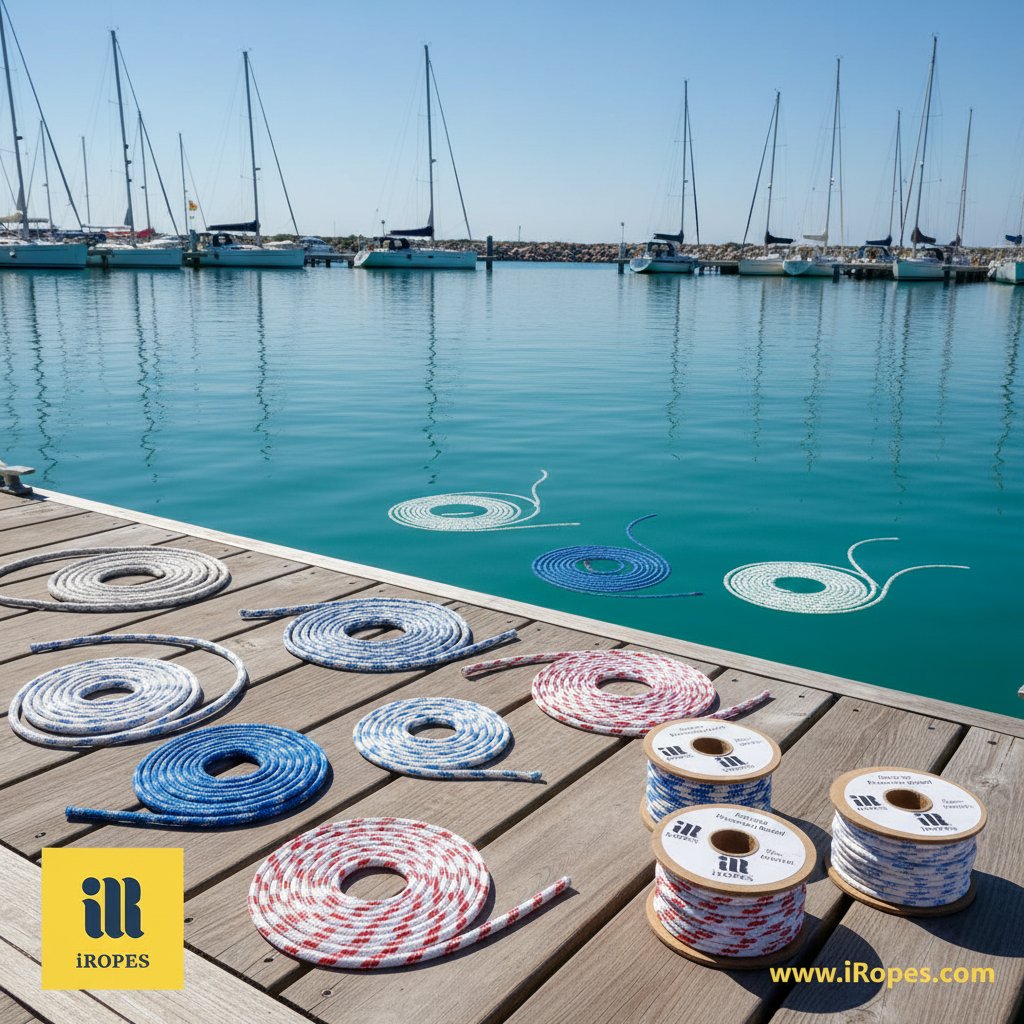
By focusing on these selections and habits, your thin boat cords will keep delivering that reliable edge, ready for whatever the sea throws next.
Thin boat cords prove their mettle at sea through unmatched flexibility, lighter weight, and precise handling that thick alternatives simply can't match, making them ideal for whipping lines, flag halyards, and utility tasks on board. With superior shock absorption and UV resistance in materials like stretchy nylon or buoyant polypropylene, these marine cords enhance safety and efficiency, reducing snags in tight spaces and ensuring longevity against harsh ocean elements. Proper storage—coiling loosely in dry spots and regular inspections—keeps them performing season after season, turning potential hassles into seamless sailing adventures.
As you've seen, selecting the right boat cord can elevate your boating experience, but tailoring it to your vessel's specifics takes it further. For custom marine cord solutions that fit your needs perfectly, consider partnering with experts who offer personalised designs.
Customise Your Boat Cord with iRopes Today
If you're keen on exploring bespoke options like custom diameters, materials, or branding for your boat cords, the inquiry form above connects you directly with iRopes specialists, ready to provide tailored guidance and support.