Three-strand nylon outshines braided ropes for shockproof sailing—stretching up to 30% under load to absorb sudden jerks from waves, reducing equipment stress by 40% compared to rigid braided lines.
Master Shockproof Ropes in 10 Minutes
- ✓ Gain 30% superior elongation for wave-impact absorption, preventing snaps that braided ropes cannot handle.
- ✓ Learn easy splicing techniques saving you hours on repairs—unlike complex braided joins requiring special tools.
- ✓ Save 25% on costs with durable, budget-friendly nylon that outlasts braided in abrasive marine conditions.
- ✓ Apply versatile solutions across sailing, off-road, and tree work for reliable performance in any dynamic load.
You might assume braided ropes' sleek design makes them the modern choice for tough sailing conditions. However, three-strand nylon's simple twist delivers unmatched shock resistance, keeping your gear intact during brutal swells. What hidden construction secret allows this traditional rope to outperform high-tech braids in real-world tests? Discover the counter-intuitive factors—like elongation and grip—that could transform your next voyage, and why iRopes' custom options provide your strategic edge.
Understanding Nylon 3 Strand Construction and Its Foundations
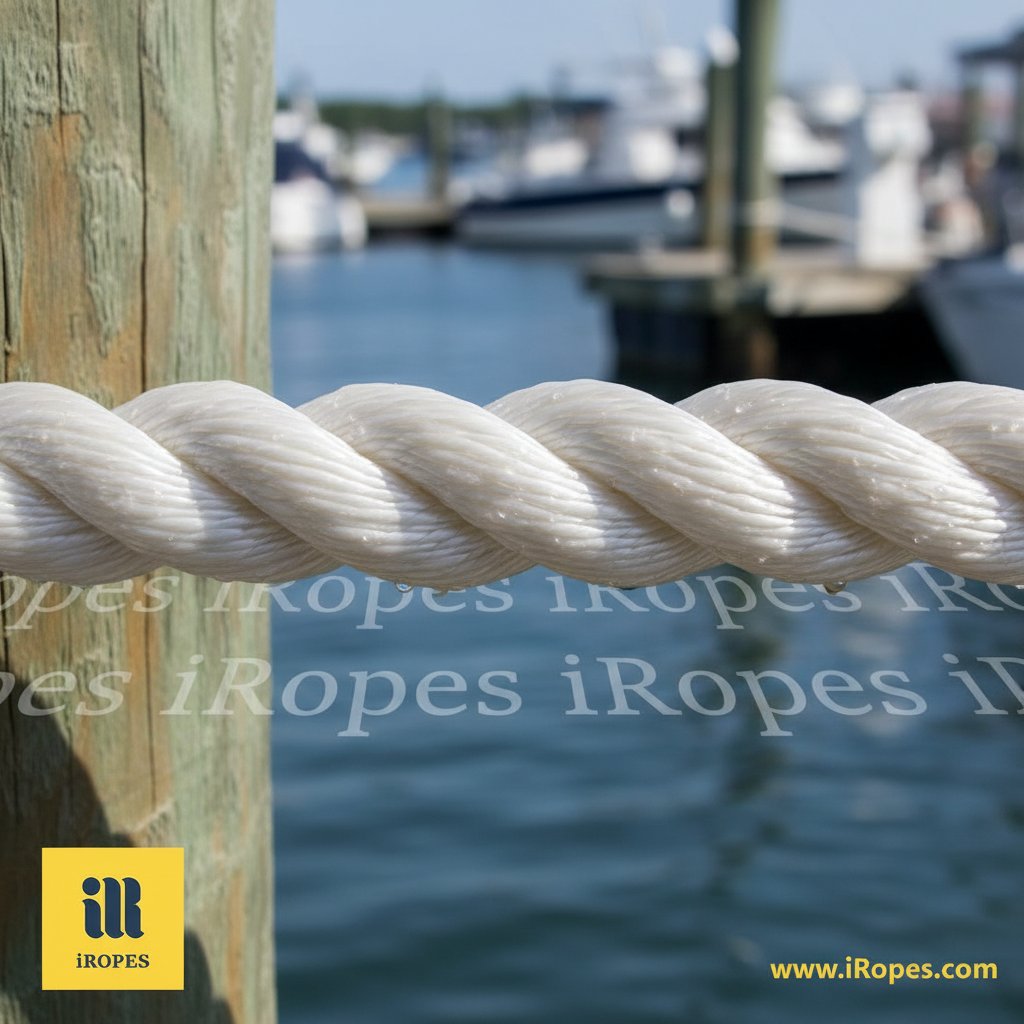
Imagine being out on the water, your boat gently rocking against the dock, and you reach for a rope that has been a sailor's trusty companion for generations. That is the essence of nylon 3 strand rope—a simple, yet robust design that has stood the test of time. At its core, this type of rope consists of three equal strands of nylon fibre twisted together in a balanced lay, creating a helical structure that distributes loads evenly. This traditional build is engineered for real-world strength and flexibility, allowing it to bend without kinking while holding firm under pressure. This classic twist feels right in your hands, like it is meant to be there.
What makes nylon such a standout material? Nylon, a synthetic polymer, brings a unique blend of traits to the table. Its high elasticity means it can stretch up to 30% under load before snapping back. This characteristic is crucial for absorbing sudden jerks from waves or wind, effectively acting as a built-in shock absorber for your rigging. Moreover, it is tough against wear; the smooth fibres resist abrasion from constant rubbing against cleats or pilings, extending the rope's life in salty, rough marine environments. For sailing, where every line faces unpredictable forces, this combination keeps things secure without constant replacements. Have you ever wondered why some ropes fray after a single season? Nylon's durability often prevents that headache.
- Dock lines: These secure your vessel to piers, stretching just enough to handle tidal shifts without snapping.
- Anchor lines: Ideal for rode, where the rope's give cushions the boat from wind gusts and current pulls, preventing chain or anchor strain.
- Mooring lines: Used for long-term ties, offering reliable hold in busy harbours with minimal maintenance.
So, what exactly is 3-strand nylon rope used for in everyday scenarios? Primarily, it excels in marine settings like those listed above, but its versatility extends to utility tasks on land too. Now, let us touch on how this stacks up against braided ropes. Braided designs interweave multiple strands for a smoother, more compact feel. However, nylon 3 strand keeps things straightforward with its twisted form. That simplicity translates to lower production costs, making it a budget-friendly option without compromising on performance—perfect if you are outfitting a fleet on a wholesale scale.
Having established the core foundations of nylon 3 strand, let us explore why its unique construction provides superior performance in shockproof sailing scenarios.
Why Three Strand Nylon Outperforms Braided Ropes in Shock Absorption
Building on that solid base of construction and material traits, it is time to delve into what truly sets three strand nylon apart in the challenging world of sailing—its ability to handle sudden jolts like a professional. When waves slam into your hull or the wind picks up unexpectedly, ropes face massive shock loads that can cause trouble for both gear and crew. Here, the twisted design of three strand nylon shines by allowing controlled elongation, offering more give than the tighter, less forgiving structure of braided ropes. Braided options, with their interwoven strands, tend to remain rigid, meaning they transfer force more directly to your fittings and deck hardware. In contrast, this classic twist absorbs energy over a longer distance, reducing the risk of snaps or wear that could sideline you mid-voyage. For more on how this stretch enhances high-performance use, explore the benefits of nylon rope stretch.
One practical advantage that sailors appreciate during on-water fixes is how straightforward it is to splice three strand nylon. Unlike braided ropes, where multiple layers demand special tools and time-consuming techniques, this rope unravels cleanly along its lay. You can fashion an eye splice right there on the deck with basic tools like a fid and tape. This ease not only saves time but preserves nearly all the rope's strength, making it a reliable choice for quick repairs far from shore.
Speaking of what makes three strand nylon such a smart pick overall, its advantages boil down to a few standout qualities that keep it relevant for seasoned sailors. Its flexibility allows it to conform to cleats and winches without binding, providing solid grip even with wet hands or gloves. This traditional twist also translates to better handling in cold weather, when stiffer materials might slip. Finally, its cost-effectiveness makes it more affordable to produce and replace, extending your budget further over seasons of heavy use without compromising reliability.
Three Strand Nylon Wins
Key Edges Over Braided
Superior Give
Handles sudden pulls with ease, cutting stress on boat parts.
Simple Fixes
Splices fast for on-site tweaks, no fancy gear needed.
Budget Friendly
Lower costs mean more rope for your money, lasting longer.
Braided Limitations
Where It Falls Short
Less Stretch
Passes shocks straight through, risking breaks.
Tricky Repairs
Complex joins that demand expertise and time.
Higher Price
Often pricier, consuming operational funds.
Picture this: you are anchoring in a choppy bay, with tides pulling one way and swells the other. Three strand nylon, used as your rode, absorbs these impacts, easing the chain's jerk and protecting your windlass from overload. Its resilience against constant fender rubs and boat wakes keeps everything steady, avoiding the costly downtime braided ropes might invite under similar strain. These scenarios demonstrate why, for shock-heavy sailing, this rope often proves to be the safer, smarter choice.

From these performance strengths, it is clear how three strand nylon fits into key sailing roles and even extends into other demanding fields where dynamic forces govern the day.
Optimal Applications of Three Strand Line in Sailing and Beyond
The performance advantages we just covered make three strand line a natural fit for the unpredictable world of sailing, where every rope must perform reliably without issue. Consider mooring your yacht in a bustling harbour—with waves slapping against the hull and boats jostling for space. Here, three strand line demonstrates its quiet durability, outlasting braided alternatives that might chafe through faster under constant contact with fenders or pilings. The way this rope holds steady, stretching just enough to absorb motion without releasing, always provides extra peace of mind. Unlike the slicker feel of braided ropes, which can slip under load in wet conditions, this twisted design grips cleats securely, reducing the chance of unplanned drifts.
Beyond marine use, three strand line proves its worth in iRopes' broader range of industries, handling shock loads where braided options might falter. In off-road recovery, imagine hauling a 4x4 out of mud—sudden jerks from the winch demand a rope that gives without failing. Its elasticity prevents snaps that could whip back dangerously. For tree work, arborists rely on it for rigging branches high up; its flexibility allows for the safe lowering of heavy loads through swaying limbs, where rigid braided lines might kink or bind around trunks. These dynamic settings mirror sailing's challenges, showcasing the versatility of this rope when reliability is paramount.
One reason sailors appreciate working with three strand nylon is its straightforward customisation on the spot, particularly through splicing. If you have ever needed to create a secure loop for your mooring line mid-trip, knowing the basics can be a lifesaver. To make an eye splice, which is perfect for attaching to rings or anchors, start by measuring about 2.5 times the rope's circumference from the end as your eye size. Unravel the three strands for a length equal to seven times the circumference, then pass one strand through the standing part from the working end side. Tuck the other two around the first and back through the standing line, pulling them snug but not too tight. Repeat tucks for each strand, smoothing as you go to avoid lumps, and serve the end with whipping to finish. It is simpler than it sounds once you try it—practise on a spare length before heading out, and you will retain most of the rope's strength without bulky knots. For detailed guidance on achieving near-full strength, check out mastering the art of the 3 strand rope eye splice.
- Measure and mark your eye size, then unlay the strands carefully.
- Tuck the first strand through the standing part, creating the loop.
- Interweave the remaining strands, tucking each multiple times for security.
- Smooth and trim excess, then whip the end to prevent unravelling.
What truly draws people back to three strand line time and again is its classic handling—it possesses a reassuring weight in your palm and coils neatly without the fuss of modern braids that sometimes feel overly engineered. Custom lengths are also a significant benefit; for camping, you might cut just what is needed for guy lines on a tent in gusty winds, or in industrial rigging, tailor it for pulley systems where exact sizing prevents overloads. This rope adapts to whatever challenge comes next, whether it is a weekend sail or a heavy lift onshore. To learn more about the broader benefits, see understanding the benefits and uses of nylon rope material.

Across these uses, partnering with experts like iRopes provides tailored three strand solutions that match your exact requirements.
Customisation and Partnership Benefits for Three Strand Nylon Supply
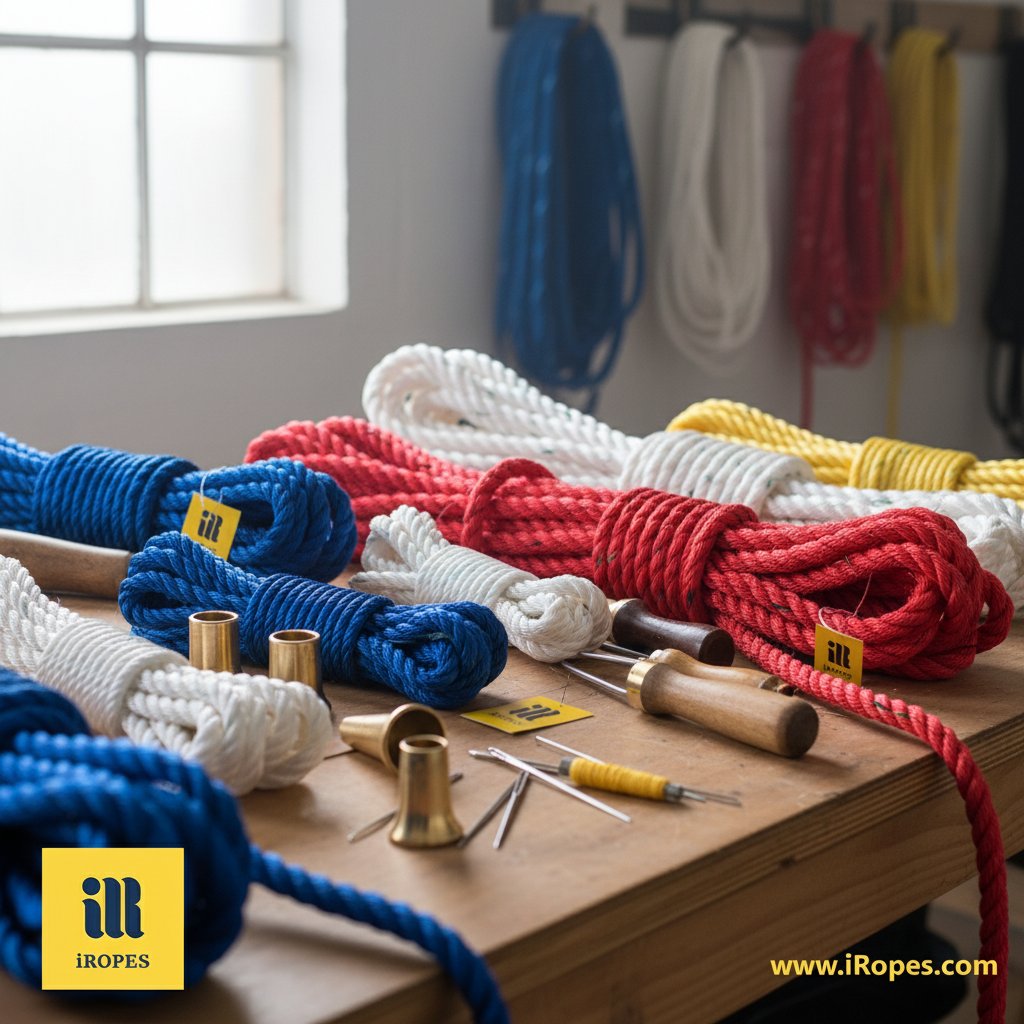
That versatility across sailing and other rugged tasks truly comes alive when you partner with a manufacturer who understands the details, such as iRopes, with their hands-on approach to tailoring three strand nylon ropes. Instead of settling for off-the-shelf options, imagine ropes that precisely fit your setup—whether for a yacht's mooring or an off-road winch. iRopes' OEM and ODM services allow you to customise everything from diameters, starting at 6mm up to 60mm for heavier loads, ensuring the rope matches your vessel's scale without excess bulk. Colours are not just cosmetic; you can select navy for marine visibility or custom shades to align with your brand, all while adding accessories like thimbles that reinforce eyes against chafe in rough seas. The ability to create gear that performs effectively when it counts is what sets iRopes apart.
What solidifies the deal for wholesale buyers in regions like Australia or Europe is iRopes' commitment to quality standards. Their ISO 9001 certification ensures every batch undergoes rigorous checks in modern facilities, where skilled workers guarantee consistency that other suppliers often miss. Pricing remains competitive for bulk orders, keeping costs down without compromising on premium nylon 3 strand that withstands UV and saltwater better than generic alternatives. Furthermore, for innovative designs, full intellectual property (IP) protection safeguards your ideas from concept to shipment, allowing you to confidently rebrand or resell without concerns. This comprehensive approach empowers partners to expand their product lines affordably, transforming standard three strand nylon into a signature product.
Colour Choices
From white to custom blues, match your fleet or add reflective strips for low-light safety.
Diameter Tweaks
Scale from fine 1/4-inch for light lines to thick 2-inch for heavy anchors, optimised for load.
Eye Splices
Built-in loops with thimbles for secure, chafe-resistant ties in dynamic sailing spots.
Core Enhancements
Adjust strand lay or add UV coatings for longer life in sun-soaked or industrial pulls.
When selecting the right specifications, three strand nylon's strengths vary by size, helping you avoid over-engineered or underpowered lines. For instance, a 3/8-inch diameter handles approximately 4,200 lbs breaking strength, suitable for mid-sized boats, while scaling up to 1-1/2 inches exceeds 40,000 lbs for commercial tugs. These ratings guide safe choices—always factor in a safety margin of at least 5:1 for sailing shocks. If you are weighing it against braided ropes, consult with iRopes' specialists; they will explain how the twist's elasticity suits budget-conscious setups better for tidal moorings, without the premium markup of braids.
With these options available, it is clear how three strand nylon continues to deliver where reliability matters most, supported by a supplier who prioritises your success at every step.
From the timeless twist of nylon 3 strand construction to its unmatched shock absorption—stretching up to 30% under load—it is clear why three strand nylon remains a sailor's best mate for tackling waves and tides without the snap of braided alternatives. The ease of splicing on the fly, combined with its cost-effectiveness and reliable grip, makes it ideal for dock lines, anchor rodes, and mooring in choppy harbours, while extending to off-road recoveries and tree rigging where dynamic forces demand durability. As we have explored, this traditional powerhouse delivers proven marine performance, saving time, money, and headaches on the water or ashore.
Partnering with iRopes unlocks custom three strand line solutions tailored to your sailing setup, ensuring optimal strength and safety for your needs.
Need Tailored Advice on Three Strand Nylon for Your Sailing Gear?
If you are keen to discuss custom diameters, colours, or splicing tips to elevate your rigging, fill in the inquiry form above—our specialists at iRopes are ready to provide personalised guidance for your wholesale requirements.
